Desonide Cream
Product Images NDC 62332-632

View Photos of Packaging, Regulatory Labels, and Product Appearance

Product Visual Gallery

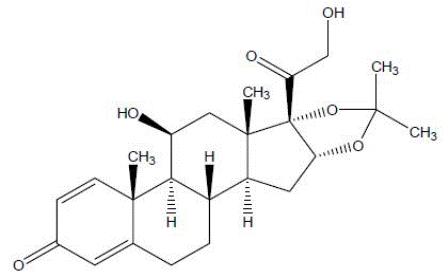
This gallery contains 3 technical images submitted to the FDA as part of the official labeling for Desonide (NDC 62332-632). Unlike standard consumer photos, these assets often include clinical data figures, molecular chemical structures, and official manufacturer packaging layouts.

As provided by Alembic Pharmaceuticals Inc., these visuals offer a comprehensive scientific overview of the product's physical and chemical identity, aiding pharmacists and researchers in product verification and study.

FDA Label Image

Image (14a74bdb 9d4c 4c9c A970 F3d6108b42c2 01)
FDA Label Image

15 G Tube Label (14a74bdb 9d4c 4c9c A970 F3d6108b42c2 02)

15 G Tube Label (14a74bdb 9d4c 4c9c A970 F3d6108b42c2 02)
Desonide Cream is an external use medication for treating skin inflammation, such as itching, redness, and swelling. Each gram of the cream contains 0.5mg of desonide, and it is recommended to apply on the affected area two to four times a day. The medicine is not for ophthalmic use, and the tube should be stored at room temperature. The manufacturing company is Alembic Pharmaceuticals, and the cream is in 15g tube size, as per NDC 62332-632-15. The prescription-only medication is preserved with methylparaben and buffered to pH 4.2-5.0. The crimp at the bottom of the tube has detailed information about lot number and expiry date.*
FDA Label Image

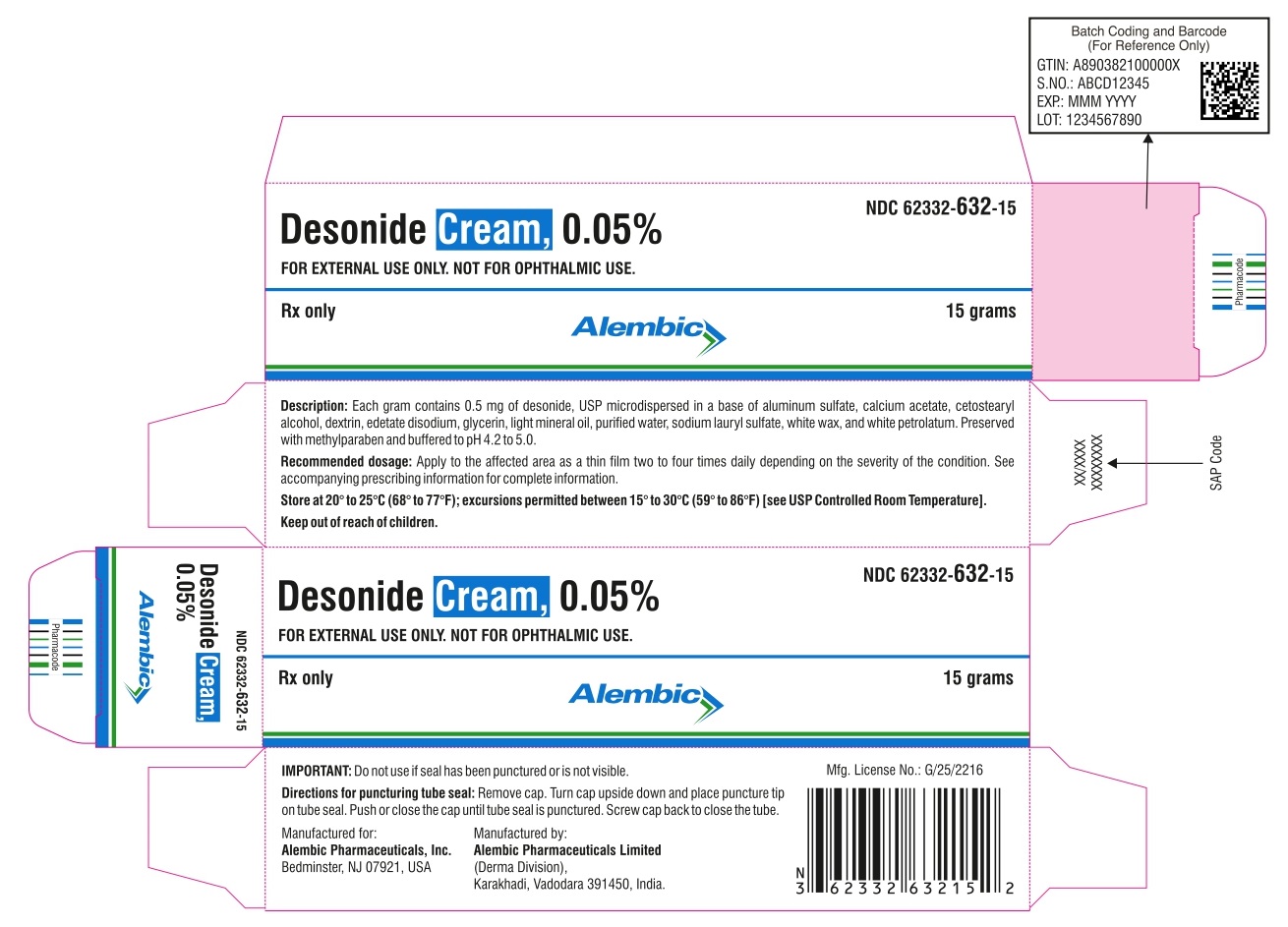
15 G Carton (14a74bdb 9d4c 4c9c A970 F3d6108b42c2 03)

15 G Carton (14a74bdb 9d4c 4c9c A970 F3d6108b42c2 03)
This text contains information related to a pharmaceutical product named Desonide m 0.05%. It is for external use only and not meant for ophthalmic use. The recommended dosage of the product is to apply it to the affected area(s) a thin film two to four times daily. The text includes details about the manufacturing company and license number. It also includes a batch code, barcode, and other reference details.*

* These product label images have been analyzed using experimental machine learning. Please verify findings with the primary label text.