- Discontinue Qsymia 15 mg/92 mg gradually by taking a dose every other day for at least 1 week prior to stopping treatment altogether, due to the possibility of precipitating a seizure
[see
Warnings and Precautions (5.12)].
Qsymia Risk Evaluation and Mitigation Strategy (REMS)
Because of the teratogenic risk associated with Qsymia therapy, Qsymia is available through a limited program under the REMS. Under the Qsymia REMS, only certified pharmacies may distribute Qsymia. Further information, is available at www.QsymiaREMS.com or by telephone at 1-888-998-4887.
Common Adverse Reactions: Adverse reactions occurring at a rate of greater than or equal to 5% and at a rate at least 1.5 times placebo include paraesthesia, dizziness, dysgeusia, insomnia, constipation, and dry mouth.
Adverse reactions reported in greater than or equal to 2% of Qsymia-treated patients and more frequently than in the placebo group are shown in Table 3.
Table 3. Adverse Reactions Reported in Greater Than or Equal to 2% of Patients and More Frequently than Placebo during 1 Year of Treatment – Overall Study PopulationSystem Organ Class
Preferred Term
| Placebo
(N = 1561)
%
| Qsymia
3.75 mg/23 mg
(N = 240)
%
| Qsymia
7.5 mg/46 mg
(N = 498)
%
| Qsymia
15 mg/92 mg
(N = 1580)
%
|
|---|
| Nervous System Disorders | | | | |
| Paraesthesia | 1.9 | 4.2 | 13.7 | 19.9 |
| Headache | 9.3 | 10.4 | 7.0 | 10.6 |
| Dizziness | 3.4 | 2.9 | 7.2 | 8.6 |
| Dysgeusia | 1.1 | 1.3 | 7.4 | 9.4 |
| Hypoesthesia | 1.2 | 0.8 | 3.6 | 3.7 |
| Disturbance in Attention | 0.6 | 0.4 | 2.0 | 3.5 |
| Psychiatric Disorders | | | | |
| Insomnia | 4.7 | 5.0 | 5.8 | 9.4 |
| Depression | 2.2 | 3.3 | 2.8 | 4.3 |
| Anxiety | 1.9 | 2.9 | 1.8 | 4.1 |
| Gastrointestinal Disorders | | | | |
| Constipation | 6.1 | 7.9 | 15.1 | 16.1 |
| Dry Mouth | 2.8 | 6.7 | 13.5 | 19.1 |
| Nausea | 4.4 | 5.8 | 3.6 | 7.2 |
| Diarrhea | 4.9 | 5.0 | 6.4 | 5.6 |
| Dyspepsia | 1.7 | 2.1 | 2.2 | 2.8 |
| Gastroesophageal Reflux Disease | 1.3 | 0.8 | 3.2 | 2.6 |
| Paraesthesia Oral | 0.3 | 0.4 | 0.6 | 2.2 |
| General Disorders and Administration Site Conditions | | | | |
| Fatigue | 4.3 | 5.0 | 4.4 | 5.9 |
| Irritability | 0.7 | 1.7 | 2.6 | 3.7 |
| Thirst | 0.7 | 2.1 | 1.8 | 2.0 |
| Chest Discomfort | 0.4 | 2.1 | 0.2 | 0.9 |
| Eye Disorders | | | | |
| Vision Blurred | 3.5 | 6.3 | 4.0 | 5.4 |
| Eye Pain | 1.4 | 2.1 | 2.2 | 2.2 |
| Dry Eye | 0.8 | 0.8 | 1.4 | 2.5 |
| Cardiac Disorders | | | | |
| Palpitations | 0.8 | 0.8 | 2.4 | 1.7 |
| Skin and Subcutaneous Tissue Disorders | | | | |
| Rash | 2.2 | 1.7 | 2.0 | 2.6 |
| Alopecia | 0.7 | 2.1 | 2.6 | 3.7 |
| Metabolism and Nutrition Disorders | | | | |
| Hypokalemia | 0.4 | 0.4 | 1.4 | 2.5 |
| Decreased Appetite | 0.6 | 2.1 | 1.8 | 1.5 |
| Reproductive System and Breast Disorders | | | | |
| Dysmenorrhea | 0.2 | 2.1 | 0.4 | 0.8 |
| Infections and Infestations | | | | |
| Upper Respiratory Tract Infection | 12.8 | 15.8 | 12.2 | 13.5 |
| Nasopharyngitis | 8.0 | 12.5 | 10.6 | 9.4 |
| Sinusitis | 6.3 | 7.5 | 6.8 | 7.8 |
| Bronchitis | 4.2 | 6.7 | 4.4 | 5.4 |
| Influenza | 4.4 | 7.5 | 4.6 | 4.4 |
| Urinary Tract Infection | 3.6 | 3.3 | 5.2 | 5.2 |
| Gastroenteritis | 2.2 | 0.8 | 2.2 | 2.5 |
| Musculoskeletal and Connective Tissue Disorders | | | | |
| Back Pain | 5.1 | 5.4 | 5.6 | 6.6 |
| Pain in Extremity | 2.8 | 2.1 | 3.0 | 3.0 |
| Muscle Spasms | 2.2 | 2.9 | 2.8 | 2.9 |
| Musculoskeletal Pain | 1.2 | 0.8 | 3.0 | 1.6 |
| Neck Pain | 1.3 | 1.3 | 2.2 | 1.2 |
| Respiratory, Thoracic, and Mediastinal Disorders | | | | |
| Cough | 3.5 | 3.3 | 3.8 | 4.8 |
| Sinus Congestion | 2.0 | 2.5 | 2.6 | 2.0 |
| Pharyngolaryngeal Pain | 2.0 | 2.5 | 1.2 | 2.3 |
| Nasal Congestion | 1.4 | 1.7 | 1.2 | 2.0 |
| Injury, Poisoning, and Procedural Complications | | | | |
| Procedural Pain | 1.7 | 2.1 | 2.4 | 1.9 |
Paraesthesia/Dysgeusia
Reports of paraesthesia, characterized as tingling in hands, feet, or face, occurred in 4.2%, 13.7%, and 19.9% of patients treated with Qsymia 3.75 mg/23 mg, 7.5 mg/46 mg, and 15 mg/92 mg, respectively, compared to 1.9% of patients treated with placebo. Dysgeusia was characterized as a metallic taste, and occurred in 1.3%, 7.4%, and 9.4% of patients treated with Qsymia 3.75 mg/23 mg, 7.5 mg/46 mg, and 15 mg/92 mg, respectively, compared to 1.1% of patients treated with placebo. The majority of these events first occurred within the initial 12 weeks of drug therapy; however, in some patients, events were reported later in the course of treatment. Only Qsymia-treated patients discontinued treatment due to these events (1% for paraesthesia and 0.6% for dysgeusia).
Mood and Sleep Disorders
The proportion of patients in 1-year controlled trials of Qsymia reporting one or more adverse reactions related to mood and sleep disorders was 15.8%, 14.5%, and 20.6% with Qsymia 3.75 mg/23 mg, 7.5 mg/46 mg, and 15 mg/92 mg, respectively, compared to 10.3% with placebo. These events were further categorized into sleep disorders, anxiety, and depression. Reports of sleep disorders were typically characterized as insomnia, and occurred in 6.7%, 8.1%, and 11.1% of patients treated with Qsymia 3.75 mg/23 mg, 7.5 mg/46 mg, and 15 mg/92 mg, respectively, compared to 5.8% of patients treated with placebo. Reports of anxiety occurred in 4.6%, 4.8%, and 7.9% of patients treated with Qsymia 3.75 mg/23 mg, 7.5 mg/46 mg, and 15 mg/92 mg, respectively, compared to 2.6% of patients treated with placebo. Reports of depression/mood problems occurred in 5.0%, 3.8%, and 7.6% of patients treated with Qsymia 3.75 mg/23 mg, 7.5 mg/46 mg, and 15 mg/92 mg, respectively, compared to 3.4% of patients treated with placebo. The majority of these events first occurred within the initial 12 weeks of drug therapy; however, in some patients, events were reported later in the course of treatments. In the Qsymia clinical trials, the overall prevalence of mood and sleep adverse reactions was approximately twice as great in patients with a history of depression compared to patients without a history of depression; however, the proportion of patients on active treatment versus placebo who reported mood and sleep adverse reactions was similar in these two subgroups. Occurrence of depression-related events was more frequent in patients with a past history of depression across all treatment groups. However, the placebo-adjusted difference in incidence of these events remained constant between groups regardless of previous depression history.
Cognitive Disorders
In the 1-year controlled trials of Qsymia, the proportion of patients who experienced one or more cognitive-related adverse reactions was 2.1% for Qsymia 3.75 mg/23 mg, 5.0% for Qsymia 7.5 mg/46 mg, and 7.6% for Qsymia 15 mg/92 mg, compared to 1.5% for placebo. These adverse reactions were comprised primarily of reports of problems with attention/concentration, memory, and language (word finding). These events typically began within the first 4 weeks of treatment, had a median duration of approximately 28 days or less, and were reversible upon discontinuation of treatment; however, individual patients did experience events later in treatment, and events of longer duration.
Laboratory Abnormalities
Serum Bicarbonate
In the 1-year controlled trials of Qsymia, the incidence of persistent treatment-emergent decreases in serum bicarbonate below the normal range (levels of less than 21 mEq/L at 2 consecutive visits or at the final visit) was 8.8% for Qsymia 3.75 mg/23 mg, 6.4% for Qsymia 7.5 mg/46 mg, and 12.8% for Qsymia 15 mg/92 mg, compared to 2.1% for placebo. The incidence of persistent, markedly low serum bicarbonate values (levels of less than 17 mEq/L on 2 consecutive visits or at the final visit) was 1.3% for Qsymia 3.75 mg/23 mg, 0.2% for Qsymia 7.5 mg/46 mg dose, and 0.7% for Qsymia 15 mg/92 mg dose, compared to 0.1% for placebo. Generally, decreases in serum bicarbonate levels were mild (average 1-3 mEq/L) and occurred early in treatment (4-week visit), however severe decreases and decreases later in treatment occurred.
Serum Potassium
In the 1-year controlled trials of Qsymia, the incidence of persistent low serum potassium values (less than 3.5 mEq/L at two consecutive visits or at the final visit) during the trial was 0.4% for Qsymia 3.75 mg/23 mg, 3.6% for Qsymia 7.5 mg/46 mg dose, and 4.9% for Qsymia 15 mg/92 mg, compared to 1.1% for placebo. Of the subjects who experienced persistent low serum potassium, 88% were receiving treatment with a non-potassium sparing diuretic.
The incidence of markedly low serum potassium (less than 3 mEq/L, and a reduction from pre-treatment of greater than 0.5 mEq/L) at any time during the trial was 0.0% for Qsymia 3.75 mg/23 mg, 0.2% for Qsymia 7.5 mg/46 mg dose, and 0.7% for Qsymia 15 mg/92 mg dose, compared to 0.0% for placebo. Persistent markedly low serum potassium (less than 3 mEq/L, and a reduction from pre-treatment of greater than 0.5 mEq/L at two consecutive visits or at the final visit) occurred in 0.0% of subjects receiving Qsymia 3.75 mg/23 mg, 0.2% receiving Qsymia 7.5 mg/46 mg dose, and 0.1% receiving Qsymia 15 mg/92 mg dose, compared to 0.0% receiving placebo.
Hypokalemia was reported by 0.4% of subjects treated with Qsymia 3.75 mg/23 mg, 1.4% of subjects treated with Qsymia 7.5 mg/46 mg, and 2.5% of subjects treated with Qsymia 15 mg/92 mg compared to 0.4% of subjects treated with placebo. "Blood potassium decreased" was reported by 0.4% of subjects treated with Qsymia 3.75 mg/23 mg, 0.4% of subjects treated with Qsymia 7.5 mg/46 mg, 1.0% of subjects treated with Qsymia 15 mg/92 mg, and 0.0% of subjects treated with placebo.
Serum Creatinine
In the 1-year controlled trials of Qsymia, there was a dose-related increase from baseline, peaking between Week 4 to 8, which declined but remained elevated over baseline over 1 year of treatment. The incidence of increases in serum creatinine of greater than or equal to 0.3 mg/dL at any time during treatment was 2.1% for Qsymia 3.75 mg/23 mg, 7.2% for Qsymia 7.5 mg/46 mg, and 8.4% for Qsymia 15 mg/92 mg, compared to 2.0% for placebo. Increases in serum creatinine of greater than or equal to 50% over baseline occurred in 0.8% of subjects receiving Qsymia 3.75 mg/23 mg, 2.0% receiving Qsymia 7.5 mg/46 mg, and 2.8% receiving Qsymia 15 mg/92 mg, compared to 0.6% receiving placebo.
Nephrolithiasis
In the 1-year controlled trials of Qsymia, the incidence of nephrolithiasis was 0.4% for Qsymia 3.75 mg/23 mg, 0.2% for Qsymia 7.5 mg/46 mg, and 1.2% for Qsymia 15 mg/92 mg, compared to 0.3% for placebo.
Drug Discontinuation Due to Adverse Reactions
In the 1-year placebo-controlled clinical studies, 11.6% of Qsymia 3.75 mg/23 mg, 11.6% of Qsymia 7.5 mg/46 mg, 17.4% of Qsymia 15 mg/92 mg, and 8.4% of placebo-treated patients discontinued treatment due to reported adverse reactions. The most common adverse reactions that led to discontinuation of treatment are shown in Table 4.
Table 4. Adverse Reactions Greater Than or Equal To 1% Leading to Treatment Discontinuation (1-Year Clinical Trials)Adverse Reaction
Leading to Treatment Discontinuation
greater than or equal to 1% in any treatment group | Placebo
(N=1561)
%
| Qsymia
3.75 mg/23 mg
(N=240)
%
| Qsymia
7.5 mg/46 mg
(N=498)
%
| Qsymia
15 mg/92 mg
(N=1580)
%
|
|---|
| Vision blurred | 0.5 | 2.1 | 0.8 | 0.7 |
| Headache | 0.6 | 1.7 | 0.2 | 0.8 |
| Irritability | 0.1 | 0.8 | 0.8 | 1.1 |
| Dizziness | 0.2 | 0.4 | 1.2 | 0.8 |
| Paraesthesia | 0.0 | 0.4 | 1.0 | 1.1 |
| Insomnia | 0.4 | 0.0 | 0.4 | 1.6 |
| Depression | 0.2 | 0.0 | 0.8 | 1.3 |
| Anxiety | 0.3 | 0.0 | 0.2 | 1.1 |
Risk Summary
Qsymia is contraindicated in pregnant women. The use of Qsymia can cause fetal harm and weight loss offers no potential benefit to a pregnant woman. Available epidemiologic data indicate an increased risk in oral clefts (cleft lip with or without cleft palate) with first trimester exposure to topiramate, a component of Qsymia. When multiple species of pregnant animals received topiramate at clinically relevant doses, structural malformations, including craniofacial defects, and reduced fetal weights occurred in offspring.
If this drug is used during pregnancy, or if a patient becomes pregnant while taking this drug, treatment should be discontinued immediately and the patient should be apprised of the potential hazard to a fetus.
There is a Qsymia Pregnancy Surveillance Program to monitor maternal-fetal outcomes of pregnancies that occur during Qsymia therapy. Healthcare providers and patients are encouraged to report pregnancies by calling 1-888-998-4887.
Clinical Considerations
Oral clefts occur from the fifth through the ninth week of gestation. The lip is formed between the beginning of the fifth week to the seventh week of gestation, and the palate is formed between the beginning of the sixth week through the ninth week of gestation.
A minimum weight gain, and no weight loss, is currently recommended for all pregnant women, including those who are already overweight or obese, due to the obligatory weight gain that occurs in maternal tissues during pregnancy.
Qsymia can cause metabolic acidosis. The effect of topiramate-induced metabolic acidosis has not been studied in pregnancy; however, metabolic acidosis in pregnancy (due to other causes) can cause decreased fetal growth, decreased fetal oxygenation, and fetal death, and may affect the fetus' ability to tolerate labor
[see
Warnings and Precautions (5.7)]
.
Human Data
Data evaluating the risk of major congenital malformations and oral clefts with topiramate (a component of Qsymia) exposure during pregnancy is available from the North American Anti-Epileptic Drug (NAAED) Pregnancy Registry and from several larger retrospective epidemiologic studies. The NAAED Pregnancy Registry suggested an estimated increase in risk for oral clefts of 9.60 (95% CI 3.60 - 25.70). Larger retrospective epidemiology studies showed that topiramate monotherapy exposure in pregnancy is associated with an approximately two to five-fold increased risk of oral clefts (Table 5). The FORTRESS study, sponsored by the maker of Qsymia, found an excess risk of 1.5 (95% CI = -1.1 to 4.1) oral cleft cases per 1,000 infants exposed to topiramate during the first trimester.
Table 5. Summary of Studies Evaluating the Association of Topiramate in Utero Exposure and Oral Clefts and Major Congenital Malformations| Epidemiology Study | Oral clefts | Major Congenital Malformations |
|---|
| Estimated Increase in Risk | 95% CI | Estimated Increase in Risk | 95% CI |
|---|
| CI = confidence interval |
| Wolters Kluwer
Sponsored by the maker of Qsymia | 1.47 | 0.36 – 6.06 | 1.12 | 0.81 – 1.55 |
| FORTRESS
| 2.22 | 0.78 – 6.36 | 1.21 | 0.99 – 1.47 |
| Slone/CDC | 5.36 | 1.49 – 20.07 | 1.01 | 0.37 – 3.22 |
Animal Data
Phentermine/Topiramate
Embryo-fetal development studies have been conducted in rats and rabbits with combination phentermine and topiramate treatment. Phentermine and topiramate co-administered to rats during the period of organogenesis caused reduced fetal body weights but did not cause fetal malformations at the maximum dose of 3.75 mg/kg phentermine and 25 mg/kg topiramate [approximately 2 times the maximum recommended human dose (MRHD) based on area under the curve (AUC) estimates for each active ingredient]. In a similar study in rabbits, no effects on embryo-fetal development were observed at approximately 0.1 times (phentermine) and 1 time (topiramate) clinical exposures at the MRHD based on AUC. Significantly lower maternal body weight gain was recorded at these doses in rats and rabbits.
A pre- and post-natal development study was conducted in rats with combination phentermine and topiramate treatment. There were no adverse maternal or offspring effects in rats treated throughout organogenesis and lactation with 1.5 mg/kg/day phentermine and 10 mg/kg/day topiramate (approximately 2 and 3 times clinical exposures at the MRHD, respectively, based on AUC). Treatment with higher doses of 11.25 mg/kg/day phentermine and 75 mg/kg/day topiramate (approximately 5 and 6 times maximum clinical doses based on AUC, respectively) caused reduced maternal body weight gain and offspring toxicity. Offspring effects included lower pup survival after birth, increased limb and tail malformations, reduced pup body weight and delayed growth, development, and sexual maturation without affecting learning, memory, or fertility and reproduction. The limb and tail malformations were consistent with results of animal studies conducted with topiramate alone
[see
Nonclinical Toxicology (13.3)]
.
Phentermine
Animal reproduction studies have not been conducted with phentermine. Limited data from studies conducted with the phentermine/topiramate combination indicate that phentermine alone was not teratogenic but resulted in lower body weight and reduced survival of offspring in rats at 5-fold the MRHD of Qsymia, based on AUC.
Topiramate
Topiramate causes developmental toxicity, including teratogenicity, at clinically relevant doses
[see
Nonclinical Toxicology (13.3)]
.
Juvenile Animal Studies
Juvenile animal studies have not been conducted with Qsymia. When topiramate (30, 90, or 300 mg/kg/day) was administered orally to rats during the juvenile period of development (postnatal days 12 to 50), bone growth plate thickness was reduced in males at the highest dose.
Pregnancy Testing
Females of reproductive potential should have a negative pregnancy test before starting Qsymia and monthly thereafter during Qsymia therapy.
Contraception
Females of reproductive potential should use effective contraception during Qsymia therapy.
Phentermine Hydrochloride
The chemical name of phentermine hydrochloride is α,α-dimethylphenethylamine hydrochloride. The molecular formula is C
10H
15N • HCl and its molecular weight is 185.7 (hydrochloride salt) or 149.2 (free base). Phentermine hydrochloride is a white, odorless, hygroscopic, crystalline powder that is soluble in water, methanol, and ethanol. Its structural formula is:
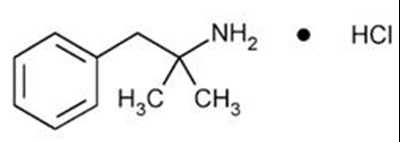
Chemical Structure (Qsymia 02)
Topiramate
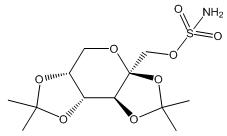
Topiramate is 2,3:4,5-di-O-isopropylidene-β-D-fructopyranose sulfamate. The molecular formula is C
12H
21NO
8S and its molecular weight is 339.4. Topiramate is a white to off-white crystalline powder with a bitter taste. It is freely soluble in methanol and acetone, sparingly soluble in pH 9 to pH 12 aqueous solutions and slightly soluble in pH 1 to pH 8 aqueous solutions. Its structural formula is:

Chemical Structure (Qsymia 03)
Qsymia
Qsymia is available in four dosage strengths:
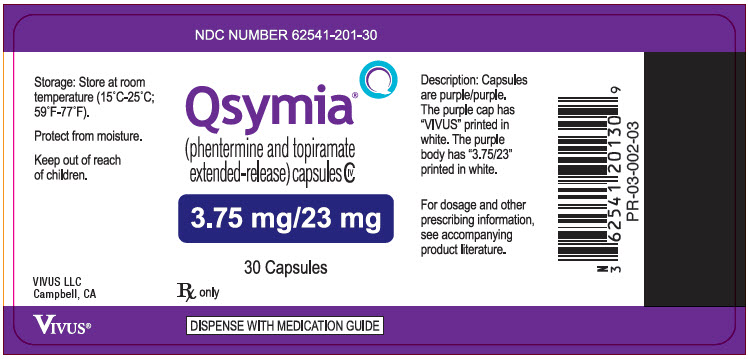
- Qsymia 3.75 mg/23 mg (phentermine 3.75 mg and topiramate 23 mg extended-release) capsules;
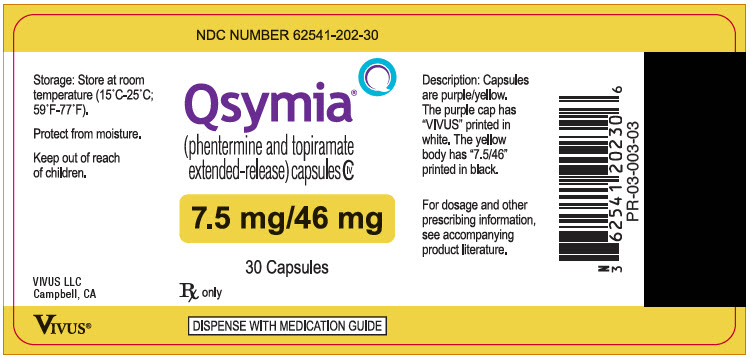
- Qsymia 7.5 mg/46 mg (phentermine 7.5 mg and topiramate 46 mg extended-release) capsules;
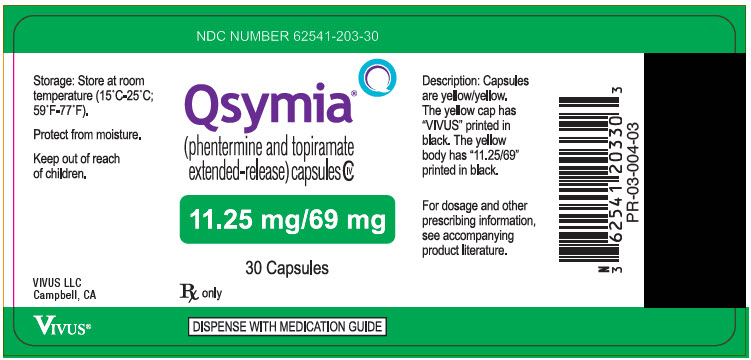
- Qsymia 11.25 mg/69 mg (phentermine 11.25 mg and topiramate 69 mg extended-release) capsules;
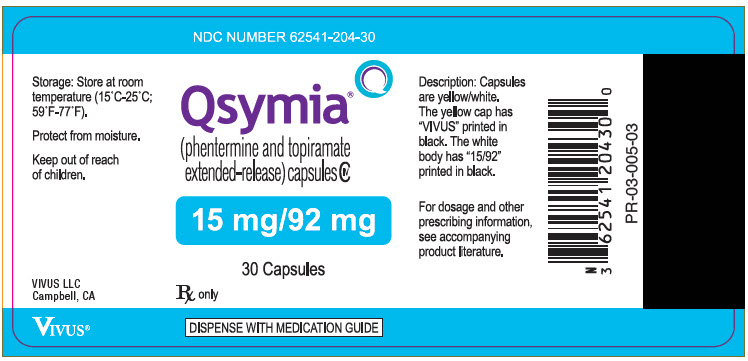
- Qsymia 15 mg/92 mg (phentermine 15 mg and topiramate 92 mg extended-release) capsules.
Each capsule contains the following inactive ingredients: methylcellulose, sucrose, starch, microcrystalline cellulose, ethylcellulose, povidone, gelatin, talc, titanium dioxide, FD&C Blue #1, FD&C Red #3, FD&C Yellow #5 and #6, and pharmaceutical black and white inks.
Cardiac Electrophysiology
The effect of Qsymia on the QTc interval was evaluated in a randomized, double-blind, placebo- and active-controlled (400 mg moxifloxacin), and parallel group/crossover thorough QT/QTc study. A total of 54 healthy subjects were administered Qsymia 7.5 mg/46 mg at steady state and then titrated to Qsymia 22.5 mg/138 mg at steady state. Qsymia 22.5 mg/138 mg [a supra-therapeutic dose resulting in a phentermine and topiramate maximum concentration (C
max) of 4- and 3- times higher than those at Qsymia 7.5 mg/46 mg, respectively] did not affect cardiac repolarization as measured by the change from baseline in QTc.
Glomerular Filtration Rate (GFR)
Healthy obese men and women received Qsymia daily for 4 weeks (3.75 mg/23 mg on Days 1 to 3, 7.5 mg/46 mg on Days 4 to 6, 11.25 mg/69 mg on Days 7 to 9, and 15 mg/92 mg on Days 10 to 28). The glomerular filtration rate (GFR) of these participants was assessed via iohexol clearance. On average, GFR decreased during Qsymia treatment and returned to baseline within 4 weeks after discontinuing Qsymia
[See
Warnings and Precautions (5.8)]
Phentermine
Upon oral administration of a single Qsymia 15 mg/92 mg, the resulting mean plasma phentermine maximum concentration (C
max), time to C
max (T
max), area under the concentration curve from time zero to the last time with measureable concentration (AUC
0-t), and area under the concentration curve from time zero to infinity (AUC
0-∞) are 49.1 ng/mL, 6 hr, 1990 ng∙hr/mL, and 2000 ng∙hr/mL, respectively. A high fat meal does not affect phentermine pharmacokinetics for Qsymia 15 mg/92 mg. Phentermine pharmacokinetics is approximately dose-proportional from Qsymia 3.75 mg/23 mg to phentermine 15 mg/topiramate 100 mg. Upon dosing phentermine/topiramate 15/100 mg fixed dose combination capsule to steady state, the mean phentermine accumulation ratios for AUC and C
max are both approximately 2.5.
Topiramate
Upon oral administration of a single Qsymia 15 mg/92 mg, the resulting mean plasma topiramate C
max, T
max, AUC
0-t, and AUC
0-∞, are 1020 ng/mL, 9 hr, 61600 ng∙hr/mL, and 68000 ng∙hr/mL, respectively. A high fat meal does not affect topiramate pharmacokinetics for Qsymia 15 mg/92 mg. Topiramate pharmacokinetics is approximately dose-proportional from Qsymia 3.75 mg/23 mg to phentermine 15 mg/topiramate 100 mg. Upon dosing phentermine 15 mg/topiramate 100 mg fixed dose combination capsule to steady state, the mean topiramate accumulation ratios for AUC and C
max are both approximately 4.0.
Distribution
Phentermine
Phentermine is 17.5% plasma protein bound. The estimated phentermine apparent volume of distribution (Vd/F) is 348 L via population pharmacokinetic analysis.
Topiramate
Topiramate is 15 - 41% plasma protein bound over the blood concentration range of 0.5 to 250 µg/mL. The fraction bound decreased as blood topiramate increased. The estimated topiramate Vc/F (volume of the central compartment), and Vp/F (volume of the peripheral compartment) are 50.8 L, and 13.1 L, respectively, via population pharmacokinetic analysis.
Metabolism and Excretion
Phentermine
Phentermine has two metabolic pathways, namely p-hydroxylation on the aromatic ring and N-oxidation on the aliphatic side chain. Cytochrome P450 (CYP) 3A4 primarily metabolizes phentermine but does not show extensive metabolism. Monoamine oxidase (MAO)-A and MAO-B do not metabolize phentermine. Seventy to 80% of a dose exists as unchanged phentermine in urine when administered alone. The mean phentermine terminal half-life is about 20 hours. The estimated phentermine oral clearance (CL/F) is 8.79 L/h via population pharmacokinetic analysis.
Topiramate
Topiramate does not show extensive metabolism. Six topiramate metabolites (via hydroxylation, hydrolysis, and glucuronidation) exist, none of which constitutes more than 5% of an administered dose. About 70% of a dose exists as unchanged topiramate in urine when administered alone. The mean topiramate terminal half-life is about 65 hours. The estimated topiramate CL/F is 1.17 L/h via population pharmacokinetic analysis.
Specific Populations
Renal Impairment
A single-dose, open-label study was conducted to evaluate the pharmacokinetics of Qsymia 15 mg/92 mg in patients with varying degrees of chronic renal impairment compared to healthy volunteers with normal renal function. The study included patients with renal impairment classified on the basis of creatinine clearance as mild (greater or equal to 50 and less than 80 mL/min), moderate (greater than or equal to 30 and less than 50 mL/min), and severe (less than 30 mL/min). Creatinine clearance was estimated from serum creatinine based on the Cockcroft-Gault equation.
Compared to healthy volunteers, phentermine AUC
0-inf was 91%, 45%, and 22% higher in patients with severe, moderate, and mild renal impairment, respectively; phentermine C
max was 2% to 15% higher. Compared to healthy volunteers, topiramate AUC
0-inf was 126%, 85%, and 25% higher for patients with severe, moderate, and mild renal impairment, respectively; topiramate C
max was 6% to 17% higher. An inverse relationship between phentermine or topiramate C
max or AUC and creatinine clearance was observed.
Qsymia has not been studied in patients with end-stage renal disease on dialysis
[see
Dosage and Administration (2.2),
Warnings and Precautions (5.13), and
Use in Specific Populations (8.7)]
.
Hepatic Impairment
A single-dose, open-label study was conducted to evaluate the pharmacokinetics of Qsymia 15 mg/92 mg in healthy volunteers with normal hepatic function compared with patients with mild (Child-Pugh score 5 - 6) and moderate (Child-Pugh score 7 - 9) hepatic impairment. In patients with mild and moderate hepatic impairment, phentermine AUC was 37% and 60% higher compared to healthy volunteers. Pharmacokinetics of topiramate was not affected in patients with mild and moderate hepatic impairment when compared with healthy volunteers. Qsymia has not been studied in patients with severe hepatic impairment (Child-Pugh score 10 - 15)
[see
Dosage and Administration (2.3),
Warnings and Precautions (5.14), and
Use in Specific Populations (8.8)]
.
In Vitro Assessment of Drug Interactions
Phentermine
Phentermine is not an inhibitor of CYP isozymes CYP1A2, CYP2C9, CYP2C19, CYP2D6, CYP2E1, and CYP3A4, and is not an inhibitor of monoamine oxidases. Phentermine is not an inducer of CYP1A2, CYP2B6, and CYP3A4. Phentermine is not a P-glycoprotein substrate.
Topiramate
Topiramate is not an inhibitor of CYP isozymes CYP1A2, CYP2A6, CYP2B6, CYP2C9, CYP2D6, CYP2E1, and CYP3A4/5. However, topiramate is a mild inhibitor of CYP2C19. Topiramate is a mild inducer of CYP3A4. Topiramate is not a P-glycoprotein substrate.
Effects of Phentermine/Topiramate on Other Drugs
Table 6. Effect of Phentermine/Topiramate on the Pharmacokinetics of Co-administered Drugs| Phentermine/Topiramate | Co-administered Drug and Dosing Regimen |
|---|
| Drug and Dose (mg) | Change in AUC | Change in C
max |
|---|
A single study examined the effect of multiple-dose Qsymia 15 mg/92 mg once daily on the pharmacokinetics of multiple-dose 500 mg metformin twice daily and multiple-dose 100 mg sitagliptin once daily in 10 men and 10 women (mean BMI of 27.1 kg/m
2 and range of 22.2 – 32.7 kg/m
2). The study participants received metformin, sitagliptin, phentermine/topiramate only, phentermine/topiramate plus probenecid, phentermine/topiramate plus metformin, and phentermine/topiramate plus sitagliptin on Days 1 – 5, 6 – 10, 11 – 28, 29, 30 – 34, and 35 – 39, respectively.
15 mg/92 mg dose QD for 16 days
| Metformin 500 mg BID for 5 days | ↑ 23% | ↑ 16% |
| 15 mg/92 mg dose QD for 21 days
| Sitagliptin 100 mg QD for 5 days | ↓ 3% | ↓ 9% |
| 15 mg/92 mg dose QD for 15 days | Oral contraceptive single dose
norethindrone 1 mg
ethinyl estradiol 35 mcg
| ↑ 16%
↓ 16%
| ↑ 22%
↓ 8%
|
Effect of Other Drugs on Phentermine/Topiramate
Table 7. Effect of Co-administered Drugs on the Pharmacokinetics of Phentermine/Topiramate| Co-administered Drug and Dosing Regimen | Phentermine/Topiramate |
|---|
| Dose (mg) | Change in AUC | Change in C
max |
|---|
| Topiramate 92 mg single dose | 15 mg phentermine single dose | ↑ 42% | ↑ 13% |
| Phentermine 15 mg single dose | 92 mg topiramate single dose | ↑ 6% | ↑ 2% |
The same single study examined the effect of multiple-dose 500 mg metformin twice daily, a single-dose 2 g probenecid, and multiple-dose 100 mg sitagliptin once daily on the pharmacokinetics of multiple-dose phentermine/topiramate 15 mg/92 mg once daily in 10 men and 10 women (mean BMI of 27.1 kg/m
2 and range of 22.2 – 32.7 kg/m
2). The study participants received metformin, sitagliptin, phentermine/topiramate only, phentermine/topiramate plus probenecid, phentermine/topiramate plus metformin, and phentermine/topiramate plus sitagliptin on Days 1 – 5, 6 – 10, 11 – 28, 29, 30 – 34, and 35 – 39, respectively.
Metformin 500 mg BID for 5 days
| 15 mg/92 mg dose QD for 16 days
phentermine
topiramate
| ↑ 5%
↓ 5%
| ↑ 7%
↓ 4%
|
| Sitagliptin 100 mg QD for 5 days
| 15 mg/92 mg dose QD for 21 days
phentermine
topiramate
| ↑ 9%
↓ 2%
| ↑ 10%
↓ 2%
|
| Probenecid 2 g QD
| 15 mg/92 mg dose QD for 11 days
phentermine
topiramate
| ↓ 0.3%
↑ 0.7%
| ↑ 4%
↑ 3%
|
Effects of Topiramate Alone on Other Drugs and Effects of Other Drugs on Topiramate
Antiepileptic Drugs
Potential interactions between topiramate and standard antiepileptic (AED) drugs were assessed in controlled clinical pharmacokinetic studies in patients with epilepsy. The effects of these interactions on mean plasma AUCs are summarized in Table 8.
In Table 8, the second column (AED concentration) describes what happens to the concentration of the AED listed in the first column when topiramate is added. The third column (topiramate concentration) describes how the co-administration of a drug listed in the first column modifies the concentration of topiramate in experimental settings when topiramate was given alone.
Table 8. Summary of AED Interactions with Topiramate| AED Co-administered | AED Concentration | Topiramate Concentration |
|---|
| NC = Less than 10% change in plasma concentration; NE = Not Evaluated; TPM = topiramate |
| Phenytoin | NC or 25% increase
Plasma concentration increased 25% in some patients, generally those on a twice a day dosing regimen of phenytoin. | 48% decrease |
| Carbamazepine (CBZ) | NC | 40% decrease |
| CBZ epoxide
Is not administered but is an active metabolite of carbamazepine. | NC | NE |
| Valproic acid | 11% decrease | 14% decrease |
| Phenobarbital | NC | NE |
| Primidone | NC | NE |
| Lamotrigine | NC at TPM doses up to 400 mg/day | 13% decrease |
Digoxin
In a single-dose study, serum digoxin AUC was decreased by 12% with concomitant topiramate administration. The clinical relevance of this observation has not been established.
Hydrochlorothiazide
A drug-drug interaction study conducted in healthy volunteers evaluated the steady-state pharmacokinetics of hydrochlorothiazide (HCTZ) (25 mg q24h) and topiramate (96 mg q12h) when administered alone and concomitantly. The results of this study indicate that topiramate C
max increased by 27% and AUC increased by 29% when HCTZ was added to topiramate. The clinical significance of this change is unknown. The steady-state pharmacokinetics of HCTZ were not significantly influenced by the concomitant administration of topiramate. Clinical laboratory results indicated decreases in serum potassium after topiramate or HCTZ administration, which were greater when HCTZ and topiramate were administered in combination.
Pioglitazone
A drug-drug interaction study conducted in healthy volunteers evaluated the steady-state pharmacokinetics of topiramate (96 mg twice daily) and pioglitazone (30 mg daily) when administered alone and concomitantly for 7 days. A 15% decrease in the area under the concentration-time curve during a dosage interval at steady state (AUC
τ,ss) of pioglitazone with no alteration in maximum steady-state plasma drug concentration during a dosage interval (C
max,ss) was observed. This finding was not statistically significant. In addition, a 13% and 16% decrease in C
max,ss and AUC
τ,ss respectively, of the active hydroxy-metabolite was noted as well as a 60% decrease in C
max,ss and AUC
τ,ss of the active keto-metabolite. The clinical significance of these findings is not known.
Glyburide
A drug-drug interaction study conducted in patients with type 2 diabetes evaluated the steady-state pharmacokinetics of glyburide (5 mg/day) alone and concomitantly with topiramate (150 mg/day). There was a 22% decrease in C
max and a 25% reduction in AUC
24 for glyburide during topiramate administration. Systemic exposure (AUC) of the active metabolites, 4-
trans-hydroxyglyburide (M1), and 3-
cis-hydroxyglyburide (M2), was reduced by 13% and 15%, and C
max was reduced by 18% and 25%, respectively. The steady-state pharmacokinetics of topiramate were unaffected by concomitant administration of glyburide.
Lithium
In patients, the pharmacokinetics of lithium were unaffected during treatment with topiramate at doses of 200 mg/day; however, there was an observed increase in systemic exposure of lithium (27% for C
max and 26% for AUC) following topiramate doses up to 600 mg/day. Lithium levels should be monitored when co-administered with high-dose topiramate.
Haloperidol
The pharmacokinetics of a single dose of haloperidol (5 mg) were not affected following multiple dosing of topiramate (100 mg every 12 hours) in 13 healthy adults (6 males, 7 females).
Amitriptyline
There was a 12% increase in AUC and C
max for amitriptyline (25 mg per day) in 18 normal subjects (9 males, 9 females) receiving 200 mg/day of topiramate. Some subjects may experience a large increase in amitriptyline concentration in the presence of topiramate and any adjustments in amitriptyline dose should be made according to the patient's clinical response and not on the basis of plasma levels.
Sumatriptan
Multiple dosing of topiramate (100 mg every 12 hrs) in 24 healthy volunteers (14 males, 10 females) did not affect the pharmacokinetics of single-dose sumatriptan either orally (100 mg) or subcutaneously (6 mg).
Risperidone
When administered concomitantly with topiramate at escalating doses of 100, 250, and 400 mg/day, there was a reduction in risperidone systemic exposure (16% and 33% for steady-state AUC at the 250 and 400 mg/day doses of topiramate). No alterations of 9-hydroxyrisperidone levels were observed. Co-administration of topiramate 400 mg/day with risperidone resulted in a 14% increase in C
max and a 12% increase in AUC
12 of topiramate. There were no clinically significant changes in the systemic exposure of risperidone plus 9-hydroxyrisperidone or of topiramate; therefore, this interaction is not likely to be of clinical significance.
Propranolol
Multiple dosing of topiramate (200 mg/day) in 34 healthy volunteers (17 males, 17 females) did not affect the pharmacokinetics of propranolol following daily 160 mg doses. Propranolol doses of 160 mg/day in 39 volunteers (27 males, 12 females) had no effect on the exposure to topiramate, at a dose of 200 mg/day of topiramate.
Dihydroergotamine
Multiple dosing of topiramate (200 mg/day) in 24 healthy volunteers (12 males, 12 females) did not affect the pharmacokinetics of a 1 mg subcutaneous dose of dihydroergotamine. Similarly, a 1 mg subcutaneous dose of dihydroergotamine did not affect the pharmacokinetics of a 200 mg/day dose of topiramate in the same study.
Diltiazem
Co-administration of diltiazem (240 mg Cardizem CD
®) with topiramate (150 mg/day) resulted in a 10% decrease in C
max and a 25% decrease in diltiazem AUC, a 27% decrease in C
max and an 18% decrease in des-acetyl diltiazem AUC, and no effect on N-desmethyl diltiazem. Co-administration of topiramate with diltiazem resulted in a 16% increase in C
max and a 19% increase in AUC
12 of topiramate.
Venlafaxine
Multiple dosing of topiramate (150 mg/day) in healthy volunteers did not affect the pharmacokinetics of venlafaxine or O-desmethyl venlafaxine. Multiple dosing of venlafaxine (150 mg extended release) did not affect the pharmacokinetics of topiramate.
Phentermine/Topiramate
No animal studies have been conducted with phentermine/topiramate, the combined products in Qsymia, to evaluate carcinogenesis, mutagenesis, or impairment of fertility. The following data are based on findings in studies performed individually with phentermine or topiramate, Qsymia's two active ingredients.
Phentermine
Phentermine was not mutagenic or clastogenic with or without metabolic activation in the Ames bacterial mutagenicity assay, a chromosomal aberration test in Chinese hamster lung (CHL-K1) cells, or an
in vivo micronucleus assay.
Rats were administered oral doses of 3, 10, and 30 mg/kg/day phentermine for 2 years. There was no evidence of carcinogenicity at the highest dose of phentermine (30 mg/kg) which is approximately 11 to 15 times the maximum recommended clinical dose of Qsymia 15 mg/92 mg based on AUC exposure.
No animal studies have been conducted with phentermine to determine the potential for impairment of fertility.
Topiramate
Topiramate did not demonstrate genotoxic potential when tested in a battery of
in vitro and
in vivo assays. Topiramate was not mutagenic in the Ames test or the
in vitro mouse lymphoma assay; it did not increase unscheduled DNA synthesis in rat hepatocytes
in vitro; and it did not increase chromosomal aberrations in human lymphocytes
in vitro or in rat bone marrow
in vivo.
An increase in urinary bladder tumors was observed in mice given topiramate (20, 75, and 300 mg/kg) in the diet for 21 months. The elevated bladder tumor incidence, which was statistically significant in males and females receiving 300 mg/kg, was primarily due to the increased occurrence of a smooth muscle tumor considered histomorphologically unique to mice. Plasma exposures in mice receiving 300 mg/kg were approximately 2 to 4 times steady-state exposures measured in patients receiving topiramate monotherapy at the MRHD of Qsymia 15 mg/92 mg. The relevance of this finding to human carcinogenic risk is uncertain. No evidence of carcinogenicity was seen in rats following oral administration of topiramate for 2 years at doses up to 120 mg/kg (approximately 4 to 10 times the MRHD of Qsymia based on AUC estimates).
No adverse effects on male or female fertility were observed in rats at doses up to 100 mg/kg or approximately 4 to 8 times male and female MRHD exposures of Qsymia based on AUC.
Topiramate
Topiramate, a component of Qsymia, causes developmental toxicity, including teratogenicity, in multiple animal species at clinically relevant doses.
When oral doses of 20, 100, or 500 mg/kg were administered to pregnant mice during the period of organogenesis, the incidence of fetal malformations (primarily craniofacial defects) was increased at all doses. The low dose of topiramate in this study (20 mg/kg) is approximately 2 times the MRHD of topiramate in Qsymia 15 mg/92 mg on a mg/m
2 basis. Fetal body weights and skeletal ossification were reduced at 500 mg/kg in conjunction with decreased maternal body weight gain.
In rat studies (oral doses of 20, 100, and 500 mg/kg or 0.2, 2.5, 30, and 400 mg/kg), the frequency of limb malformations (ectrodactyly, micromelia, and amelia) was increased among the offspring of dams treated with 400 mg/kg (34 times the MRHD of Qsymia based on AUC estimates) or greater during the organogenesis period of pregnancy. Embryotoxicity (reduced fetal body weights, increased incidence of structural variations) was observed at doses as low as 20 mg/kg (2 times the MRHD of Qsymia based on estimated AUC). Clinical signs of maternal toxicity were seen at 400 mg/kg and above, and maternal body weight gain was reduced during treatment with 100 mg/kg or greater.
In rabbit studies (20, 60, and 180 mg/kg or 10, 35, and 120 mg/kg orally during organogenesis), embryo/fetal mortality was increased at 35 mg/kg (2 times the MRHD based on estimated AUC) or greater, and teratogenic effects (primarily rib and vertebral malformations) were observed at 120 mg/kg (6 times the MRHD of Qsymia based on estimated AUC). Evidence of maternal toxicity (decreased body weight gain, clinical signs, and/or mortality) was seen at 35 mg/kg and above.
When female rats were treated during the latter part of gestation and throughout lactation (0.2, 4, 20, and 100 mg/kg or 2, 20, and 200 mg/kg), offspring exhibited decreased viability and delayed physical development at 200 mg/kg (16 times the MRHD of Qsymia based on estimated AUC) and reductions in pre-and/or post-weaning body weight gain at 2 mg/kg (2 times the MRHD of Qsymia based on estimated AUC) and above. Maternal toxicity (decreased body weight gain, clinical signs) was evident at 100 mg/kg or greater.
In a rat embryo/fetal development study with a postnatal component (0.2, 2.5, 30, or 400 mg/kg during organogenesis; noted above), pups exhibited delayed physical development at 400 mg/kg (34 times the MRHD of Qsymia based on estimated AUC) and persistent reductions in body weight gain at 30 mg/kg (2 times the MRHD of Qsymia based on estimated AUC) and higher.
Adjunctive Treatment
Qsymia is indicated for chronic weight management in conjunction with a reduced-calorie diet and increased physical activity.
Access to Qsymia
Qsymia is only available through certified pharmacies that are enrolled in the Qsymia certified pharmacy network. Advise patients on how to access Qsymia through certified pharmacies. Additional information may be obtained via the website www.QsymiaREMS.com or by telephone at 1-888-998-4887
.
Concomitant Use with Other Products
Advise patients to tell healthcare provider(s) about all medications, nutritional supplements, and vitamins (including any weight loss products) that are being taken or may be taken while on Qsymia.
How to take Qsymia
Advise patients to take Qsymia in the morning with or without food.
Advise patients to start treatment with Qsymia as follows:
- Take one Qsymia 3.75 mg/23 mg capsule once daily – in the morning - for the first 14 days
- After the first 14 days is complete, take one Qsymia 7.5 mg/46 mg capsule once daily – in the morning
- Do not take Qsymia 3.75 mg/23 mg and Qsymia 7.5/46 mg capsules together
If an increase in Qsymia dose is prescribed after medical evaluation, advise patients to increase the dose of Qsymia as follows:
- Take one Qsymia 11.25 mg/69 mg capsule once daily – in the morning - for 14 days
- After the 14 days is complete, take one Qsymia 15 mg/92 mg capsule once daily – in the morning
- Do not take Qsymia 11.25/69 mg and Qsymia 15 mg/92 mg capsules together
Advise patients to discontinue the Qsymia 15 mg/92 mg dose gradually by taking one Qsymia 15 mg/92 mg capsule every other day for at least one week before stopping in order to avoid a seizure.
Females of Reproductive Potential
Qsymia can cause fetal harm and patients should avoid getting pregnant while taking Qsymia
[see
Warnings and Precautions (5.1)]
- Pregnancy testing is recommended before starting Qsymia and monthly thereafter during therapy.
- Advise patients about effective methods of contraception, as well as the importance of using effective contraception consistently during Qsymia therapy. Advise females who become pregnant during Qsymia therapy to stop Qsymia immediately and tell their healthcare provider(s).
Nursing Mothers
Either discontinue nursing or discontinue Qsymia
[see
Use in Specific Populations (8.3)].
Elevation in Heart Rate
- Qsymia can increase resting heart rate
[see
Warnings and Precautions (5.2)].
- Advise patients to report symptoms of sustained periods of heart pounding or racing while at rest to their health care provider(s).
Suicidal Behavior and Ideation; Changes in Mood or Depression
Qsymia can increase the risk of mood changes, depression, and suicidal ideation
[see
Warnings and Precautions (5.5)].
- Advise patients to tell their healthcare provider(s) immediately if mood changes, depression, and suicidal ideation occur.
Acute Angle Closure Glaucoma
Qsymia can increase the risk of acute myopia and secondary angle closure glaucoma
[see
Warnings and Precautions (5.4)]
.
- Advise patients to report symptoms of severe and persistent eye pain or significant changes in their vision to their healthcare provider(s).
Cognitive Adverse Reactions
Qsymia can cause dizziness, confusion, concentration, and word-finding difficulties, or visual changes
[see
Warnings and Precautions (5.6)]
.
- Advise patients to tell their healthcare provider(s) about any changes in attention, concentration, memory, and/or difficulty finding words.
- Advise patients not to drive or operate machinery until they have gained sufficient experience on Qsymia to gauge whether it adversely affects their mental performance, motor performance, and/or vision.
Metabolic Acidosis
Qsymia can increase the risk of metabolic acidosis
[see
Warnings and Precautions (5.7)].
- Advise patients to tell their healthcare provider(s) about any factors that can increase the risk of acidosis (e.g. prolonged diarrhea, surgery, and high protein/low carbohydrate diet, and/or concomitant medications such as carbonic anhydrase inhibitors).
Hypoglycemia in Patients with Type 2 Diabetes Mellitus on Anti-diabetic Therapy
Weight loss may increase the risk of hypoglycemia in patients with type 2 diabetes mellitus treated with insulin and/or insulin secretagogues (e.g., sulfonylureas)
[see
Warnings and Precautions (5.9)]
.
- Advise patients with type 2 diabetes mellitus on anti-diabetic therapy to monitor their blood glucose levels and report symptoms of hypoglycemia to their healthcare provider(s)
CNS Depression with Concomitant CNS Depressants including Alcohol
The concomitant use of alcohol or central nervous system (CNS) depressant drugs (e.g., barbiturates, benzodiazepines, and sleep medications) with phentermine or topiramate may potentiate CNS depression or other centrally mediated effects of these agents, such as dizziness, cognitive adverse reactions, drowsiness, light-headedness, impaired coordination and somnolence
[see
Warnings and Precautions (5.11)]
.
- Advise patients not to drink alcohol while taking Qsymia.
Potential Seizures with Abrupt Withdrawal of Qsymia
Abrupt withdrawal of topiramate, a component of Qsymia, has been associated with seizures in individuals without a history of seizures or epilepsy.
- Advise patients not to abruptly stop Qsymia without first talking to their healthcare provider(s)
[see
Dosage and Administration (2.1)]
Kidney stones
Use of Qsymia has been associated with kidney stone formation
[see
Warnings and Precautions (5.15) and
Adverse Reactions (6.1)]
.
- Advise patients to increase fluid intake to increase urinary output which can decrease the concentration of substances involved in kidney stone formation.
- Advise patients to report symptoms of severe side or back pain, and/or blood in their urine to their healthcare provider(s)
.
Oligohidrosis and Hyperthermia
Oligohidrosis (decreased sweating) has been reported in association with the use of topiramate, a component of Qsymia. Decreased sweating and an elevation in body temperature above normal characterized these cases.
- Advise patients to monitor for decreased sweating and increased body temperature during physical activity, especially in hot weather.
Manufactured for VIVUS, Inc. by Catalent Pharma Solutions, LLC
1100 Enterprise Drive
Winchester, KY 40391
Copyright © 2012 - 2017 VIVUS, Inc. All rights reserved.
VIVUS, Inc
900 E. Hamilton Ave., Suite 550
Campbell, CA 95008 USA
US Patent Numbers: 7,056,890; 7,553,818; 7,659,256; 7,674,776; 8,580,298; 8,580,299; 8,895,057; 8,895,058, 9,011,905; and 9,011,906
Qsymia is a registered trademark of VIVUS, Inc.
Who should not take Qsymia?
Do not take Qsymia if you:
- are pregnant, planning to become pregnant, or become pregnant during Qsymia treatment.
- have glaucoma
- have thyroid problems (hyperthyroidism)
- are taking certain medicines called monoamine oxidase inhibitors (MAOIs) or have taken MAOIs in the past 14 days.
- are allergic to topiramate, sympathomimetic amines such as phentermine, or any of the ingredients in Qsymia. See the end of this Medication Guide for a complete list of ingredients in Qsymia.
What should I tell my healthcare provider before taking Qsymia?
Tell your healthcare provider if you:
- are pregnant or planning to become pregnant
- have had a heart attack or stroke
- have or have had an abnormal heart rhythm
- have or have had depression, mood problems, or suicidal thoughts or behavior
- have eye problems, especially glaucoma
- have a history of metabolic acidosis (too much acid in the blood) or a condition that puts you at higher risk for metabolic acidosis such as
- chronic diarrhea, surgery, a diet high in fat and low in carbohydrates (ketogenic diet), weak, brittle, or soft bones (osteomalacia, osteoporosis, osteopenia), or decreased bone density
- have kidney problems, have kidney stones, or are getting kidney dialysis
- have liver problems
- have seizures or convulsions (epilepsy)
- are breastfeeding. It is not known if Qsymia passes into your breast milk. You and your healthcare provider should decide if you will take Qsymia or breastfeed. You should not do both.
Tell your healthcare provider about all the medicines you take, including prescription and non-prescription medicines, vitamins, and herbal supplements. Qsymia taken with other medicines may affect how each medicine works and may cause side effects.
Especially tell your healthcare provider if you take:
- Birth control pills. Tell your healthcare provider if your menstrual bleeding changes while you are taking birth control pills and Qsymia.
- Water pills (diuretics) such as hydrochlorothiazide (HCTZ)
- Any medicines that impair or decrease your thinking, concentration, or muscle coordination
- Carbonic anhydrase inhibitors [such as ZONEGRAN
® (zonisamide), DIAMOX
® (acetazolamide) or NEPTAZANE
® (methazolamide)]
- Seizure medicines such as Valproic acid (DEPAKENE
® or DEPAKOTE
®)
Ask your healthcare provider or pharmacist for a list of these medicines, if you are not sure.
Know the medicines you take. Keep a list of them to show your healthcare provider and pharmacist each time you get a new medicine. Do not start a new medicine without talking to your healthcare provider.
How should I take Qsymia?
- Your healthcare provider should start you on a diet and exercise program when you start taking Qsymia. Stay on this program while you are taking Qsymia.
- Do not change your dose without talking to your healthcare provider.
- Qsymia can be taken with or without food.
- If you miss a dose of Qsymia, wait until the next morning to take your usual dose of Qsymia.
Do not double your dose.
- To start treatment with Qsymia
- Take one
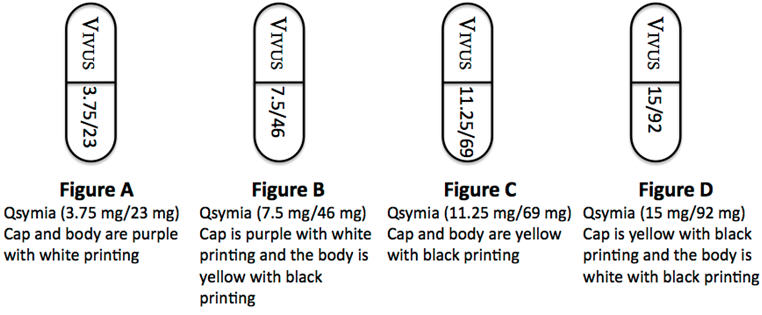
Qsymia 3.75 mg/23 mg capsule (Figure A) once each morning for the first 14 days
- After taking Qsymia 3.75 mg/23 mg capsule for 14 days, then take one
Qsymia 7.5 mg/46 mg capsule (Figure B) once each morning
- After taking Qsymia for 12 weeks
- Your healthcare provider should either (1) tell you to stop taking Qsymia or (2) increase your dose of Qsymia if you do not lose a certain amount of weight within the
first 12 weeks of treatment at the recommended dose.
- If your healthcare provider increases the dose of Qsymia
- Take one
Qsymia 11.25 mg/69 mg capsule (Figure C) once each morning for 14 days
- After taking 14 days of Qsymia 11.25 mg/69 mg capsule, then take one
Qsymia 15 mg/92 mg capsule (Figure D) once each morning
- Stopping Qsymia treatment
Your healthcare provider should tell you to stop taking Qsymia if you have not lost a certain amount of weight after an
additional 12 weeks of treatment on the higher dose.
Do not stop taking Qsymia without talking to your healthcare provider.
Stopping Qsymia suddenly can cause serious problems, such as seizures. Your healthcare provider will tell you how to stop taking Qsymia slowly.
If you take too much Qsymia, call your healthcare provider or go to the nearest emergency room right away.
What should I avoid while taking Qsymia?
- Do not get pregnant while taking Qsymia. See
"
What is the most important information I should know about Qsymia."
- Do not drink alcohol while taking Qsymia. Qsymia and alcohol can affect each other causing side effects such as sleepiness or dizziness.
- Do not drive a car or operate heavy machinery, or do other dangerous activities until you know how Qsymia affects you. Qsymia can slow your thinking and motor skills, and may affect vision.
What are the possible side effects of Qsymia?
- See
"
What is the most important information I should know about Qsymia?"
at the beginning of this Medication Guide
- Mood changes and trouble sleeping. Qsymia may cause depression or mood problems, and trouble sleeping. Tell your healthcare provider if symptoms occur.
- Concentration, memory, and speech difficulties. Qsymia may affect how you think and cause confusion, problems with concentration, attention, memory, or speech. Tell your healthcare provider if symptoms occur.
- Increases of acid in bloodstream (metabolic acidosis). If left untreated, metabolic acidosis can cause brittle or soft bones (osteoporosis, osteomalacia, osteopenia), kidney stones, can slow the rate of growth in children, and may possibly harm your baby if you are pregnant. Metabolic acidosis can happen with or without symptoms. Sometimes people with metabolic acidosis will:
- feel tired
- not feel hungry (loss of appetite)
- feel changes in heartbeat
- have trouble thinking clearly
Your healthcare provider should do a blood test to measure the level of acid in your blood before and during your treatment with Qsymia.
- Low blood sugar (hypoglycemia) in people with type 2 diabetes mellitus who also take medicines used to treat type 2 diabetes mellitus. Weight loss can cause low blood sugar in people with type 2 diabetes mellitus who also take medicines used to treat type 2 diabetes mellitus (such as insulin or sulfonylureas). You should check your blood sugar before you start taking Qsymia and while you take Qsymia.
- Possible seizures if you stop taking Qsymia too fast. Seizures may happen in people who may or may not have had seizures in the past if you stop Qsymia too fast. Your healthcare provider will tell you how to stop taking Qsymia slowly.
- Kidney stones. Drinking plenty of fluids when taking Qsymia to help decrease your chances of getting kidney stones. If you get severe side or back pain, and/or blood in your urine, call your healthcare provider
- Decreased sweating and increased body temperature (fever). People should be watched for signs of decreased sweating and fever, especially in hot temperatures. Some people may need to be hospitalized for this condition.
Common side effects of Qsymia include:
- numbness or tingling in the hands, arms, feet, or face (paraesthesia)
- dizziness
- change in the way foods taste or loss of taste (dysgeusia)
- trouble sleeping (insomnia)
- constipation
- dry mouth
Tell your healthcare provider if you have any side effect that bothers you or does not go away.
These are not all of the possible side effects of Qsymia. For more information, ask your healthcare provider or pharmacist.
Call your doctor for medical advice about side effects. You may report side effects to VIVUS at 1-888-998-4887 or FDA at 1-800-FDA-1088.
How should I store Qsymia?
- Store Qsymia at room temperature between 59°F to 77°F (15°C to 25°C).
Keep Qsymia and all medicines out of the reach of children.
General Information about Qsymia
Medicines are sometimes prescribed for purposes other than those listed in a Medication Guide. Do not use Qsymia for a condition for which it was not prescribed. Do not give Qsymia to other people, even if they have the same symptoms you have. It may harm them.
This Medication Guide summarizes important information about Qsymia. If you would like more information, talk with your healthcare provider. You can ask your pharmacist or healthcare provider for information about Qsymia that is written for healthcare professionals.
For more information, go to www.QsymiaREMS.com or call 1-888-998-4887.
What are the ingredients in Qsymia?
Active Ingredient: phentermine hydrochloride and topiramate extended-release
Inactive Ingredients: methylcellulose, sucrose, starch, microcrystalline cellulose, ethylcellulose, povidone, gelatin, talc, titanium dioxide, FD&C Blue #1, FD&C Red #3, FD&C Yellow #5 and #6, and pharmaceutical black and white inks.
This Medication Guide has been approved by the U.S. Food and Drug Administration.
Copyright © 2012 - 2017 VIVUS, Inc. All rights reserved.
VIVUS, Inc
900 E. Hamilton Ave., Suite 550
Campbell, CA 95008 USA
US Patent Numbers: 7,056,890; 7,553,818; 7,659,256; 7,674,776; 8,580,298; 8,580,299; 8,895,057; 8,895,058; 9,011,905; and 9,011,906
Qsymia is a registered trademark of VIVUS, Inc.
PH-03-002-09