1 Indications And Usage
MIMRYLO is indicated for the treatment of erythrocytosis in adults with polycythemia vera (PV).
The following Structured Product Label (SPL) was submitted to the FDA by Takeda Pharmaceuticals America, Inc. for the product Mimrylo (NDC 63020-715). This document serves as the official prescribing information, containing essential scientific data and clinical materials required for healthcare providers and patients.
This specific version of the label includes detailed information regarding 1 indications and usage, 2.1 recommended dosage, 2.2 dose modifications, 2.3 missed dose, 2.4 preparation and administration instructions, 3 dosage forms and strengths, 4 contraindications, 5.1 new or worsening thrombocytosis, and other regulatory disclosures. Use the navigation below to review specific sections of the FDA submission.
MIMRYLO is indicated for the treatment of erythrocytosis in adults with polycythemia vera (PV).
| MIMRYLO Weekly Dose Doses higher than 54 mg are administered as 2 injections. If the weekly dosage is greater than 82 mg, administer your first injection on day 1 and the second injection on day 4 or 5. | Dosing Instructions | Frequency During Each Week |
|---|---|---|
| 9.5 mg | Single injection | Once weekly |
| 19 mg | ||
| 28 mg | ||
| 41 mg | ||
| 54 mg | ||
| 69 mg | 28 mg AND 41 mg | Once weekly on the Same Day |
| 82 mg | 41 mg AND 41 mg | Once weekly on the Same Day |
| 95 mg | Day 1: 54 mg Day 4 or 5: 41 mg | Day 1 and Day 4 or 5 |
| 108 mg | Day 1: 54 mg Day 4 or 5: 54 mg |
Monitor complete blood count (CBC) every 2 to 4 weeks or as clinically indicated during dose modifications.
Dose increase:
After a minimum of 2 weeks at the current weekly dose, dose increase may be considered according to Table 2 and based on medical judgement to reduce or to maintain hematocrit at the recommended level below 45%. Allow a minimum of 2 weeks between dose increases.
| Current Weekly Dose | Increase Weekly Dose to |
|---|---|
| 9.5 mg | 19 mg |
| 19 mg | 28 mg |
| 28 mg | 41 mg |
| 41 mg | 54 mg |
| 54 mg | 69 mg |
| 69 mg | 82 mg |
| 82 mg | 95 mg |
| 95 mg | 108 mg |
Dose decrease:
For Grade ≥2 anemia or for drug-related Grade ≥3 toxicities, reduce the dose of MIMRYLO according to Table 3.
| Current Weekly Dose | Decrease Weekly Dose to |
|---|---|
| 9.5 mg | Discontinue treatment |
| 19 mg | 9.5 mg |
| 28 mg | 19 mg |
| 41 mg | 28 mg |
| 54 mg | 41 mg |
| 69 mg | 54 mg |
| 82 mg | 69 mg |
| 95 mg | 82 mg |
| 108 mg | 95 mg |
Prior to treatment initiation, healthcare providers should show patient and/or caregivers how to prepare and inject MIMRYLO subcutaneously into the abdomen, thigh, or upper arm. Advise patients and/or caregivers to contact healthcare providers with questions. For detailed instructions on the preparation and administration of MIMRYLO, see the Instructions for Use provided in the product carton.
Preparation:
Administration:
For injection: a sterile, white to off-white lyophilized powder for reconstitution in single-dose vials containing 9.5 mg, 19 mg, 28 mg, 41 mg, and 54 mg rusfertide (provided as rusfertide acetate) per vial, co-packaged with a clear diluent solution.
None.
MIMRYLO may increase platelet counts in patients with PV. Within 4 weeks of treatment initiation, platelet counts increased by an average of 31% from baseline. Thirty-six percent of patients had platelet counts that exceeded 600 x 109/L, and 6% had platelet counts that exceeded 1,000 x 109/L. Platelet counts generally plateaued on treatment by Week 8. MIMRYLO was discontinued due to increased platelet counts in 1% of patients.
After initiating MIMRYLO and during dose modifications, monitor CBC every 2 to 4 weeks or as clinically indicated. Platelet elevations associated with MIMRYLO may require cytoreductive therapy initiation, modification, or MIMRYLO dose modifications or discontinuation.
Injection site reactions occurred in 135 (47%) patients treated with MIMRYLO in VERIFY. The most common (>5%) injection site reactions reported were erythema (27%), pruritus (17%), pain (15%), and swelling (8%). Two patients experienced Grade 3 injection site reactions, and all other patients experienced Grade 1 or Grade 2 injection site reactions; most did not require medication for treatment. Two patients (0.7%) experienced injection site reactions that led to treatment discontinuation. Use ice, topical corticosteroid creams, antihistamines or analgesics, as needed, to treat injection site pain and swelling [see Dosage and Administration (2.4)].
Based on findings from animal reproduction studies, MIMRYLO may cause fetal harm when administered to a pregnant woman. Administration of MIMRYLO to pregnant rats and rabbits during organogenesis resulted in structural anomalies and embryo-fetal lethality, respectively, at exposures lower than the maximum recommended human dose. Pregnancy testing is recommended for females of reproductive potential prior to treatment with MIMRYLO. Advise females of reproductive potential to use an effective method of contraception during treatment with MIMRYLO and for at least 30 days after the final dose. Advise patients to stop taking MIMRYLO if they become pregnant [see Use in Specific Populations (8.1, 8.3)].
The following clinically significant adverse reactions are described elsewhere in the labeling:
Because clinical trials are conducted under widely varying conditions, adverse reaction rates observed in the clinical trials of a drug cannot be directly compared to rates in the clinical trials of another drug and may not reflect the rates observed in practice.
Polycythemia Vera
VERIFY
The safety of MIMRYLO was evaluated in VERIFY [see Clinical Studies (14)], a Phase 3, randomized double-blind, placebo-controlled study in patients with PV. During the randomized controlled period (Week 0 to Week 32), 145 patients received MIMRYLO and 146 patients received placebo. Following the randomized controlled period, patients in the placebo arm crossed over to MIMRYLO, resulting in a total of 285 patients exposed to MIMRYLO during the study. The median duration of exposure to MIMRYLO was 61 weeks (range; 2 weeks to 133 weeks) with 65% of patients exposed to ≥52 weeks.
During the randomized controlled period (Week 0 to Week 32), the most common (>15%) adverse reactions in the MIMRYLO arm were injection site reactions (56%) and anemia (16%).
One (0.4%) patient experienced a serious adverse reaction of anemia. Dosage reductions of MIMRYLO due to an adverse reaction occurred in 30 (11%) patients. Adverse reactions which required dosage reduction included anemia in 28 (10%) patients, dyspnea in 2 (0.7%) patients and thrombocytosis in 1 (0.4%) patient. Adverse reactions which resulted in permanent discontinuation of MIMRYLO included injection site reactions in 2 (0.7%) patients, thrombocytosis in 2 (0.7%) patients and anemia in 1 (0.4%) patient.
Table 4 summarizes the adverse reactions occurring in ≥5% of the patients with a difference of ≥5 percentage points between the MIMRYLO arm and the placebo arm in the randomized part (Week 0 to Week 32) of the VERIFY study.
| Adverse Reaction | MIMRYLO (n = 145) | PLACEBO (n = 146) | ||
|---|---|---|---|---|
| All Grades (%) | Grade 3 (%) | All Grades (%) | Grade 3 (%) | |
| Injection site reactions | 56 | 0.7 | 33 | 0 |
| Anemia Includes anemia and hemoglobin decreased. | 16 | 0 | 4.1 | 0 |
| Thrombocytosis Includes thrombocytosis and platelet count increased. | 8 | 0 | 0.7 | 0 |
| Dyspnea Includes dyspnea and dyspnea exertional. | 8 | 0 | 1.4 | 0 |
Risk Summary
There are no available data on MIMRYLO use in pregnant women to evaluate for a drug-associated risk of major birth defects, miscarriage or other adverse maternal or fetal outcomes. Based on findings from animal studies, MIMRYLO may cause fetal harm when administered to a pregnant woman [see Warnings and Precautions (5.3)]. In animal reproductive studies, subcutaneous administration of rusfertide to pregnant rats and rabbits during organogenesis at exposures lower than the human exposure (based on AUC) at the maximum recommended human dose (MRHD) resulted in malformations and embryo fetal lethality, respectively [see Data].
The estimated background risk of major birth defects and miscarriage for the indicated population is unknown. All pregnancies have a background risk of birth defect, loss, or other adverse outcomes. In the U.S. general population, the estimated background risk of major birth defect and miscarriage in clinically recognized pregnancies is 2% to 4% and 15% to 20%, respectively.
Data
Animal Data
In an embryo-fetal development study in pregnant rats, rusfertide administered subcutaneously at 0.3, 1, and 3 mg/kg/dose administered every three days from gestation day (GD) 6 to 15 caused dose-dependent increases in the incidence of craniofacial and CNS malformations (narrowed nasopharynx, dilated cerebral ventricles, enlarged olfactory lobes, eye defects and fused ribs) at doses 1 mg/kg/dose and higher at exposures less than the clinical exposures at the MRHD based on AUC.
In an embryo-fetal development study in pregnant rabbits, rusfertide administered subcutaneously at 0.03, 0.1, 0.3, and 1 mg/kg/dose from GD 7 to 16 caused embryo-fetal lethality at a dose of 1 mg/kg at exposures less than the clinical exposures at the MRHD based on AUC.
Risk Summary
There are no data on the presence of rusfertide in either human or animal milk, the effects on the breastfed child, or the effects on milk production.
Because of the potential for serious adverse reactions in the breastfed child, including impaired iron absorption, advise patients not to breastfeed during treatment with MIMRYLO and for 30 days after the final treatment.
Based on animal data, MIMRYLO may cause fetal malformations at doses with exposures less than the clinical exposure at the MRHD [see Use in Specific Populations (8.1)].
Pregnancy testing
Pregnancy testing is recommended for females of reproductive potential.
Contraception
Females
MIMRYLO may cause fetal harm when administered to pregnant women. Advise female patients of reproductive potential to use effective contraception during treatment with MIMRYLO and for at least 30 days after the final dose of MIMRYLO [see Use in Specific Populations (8.1) and Nonclinical Toxicology (13.1)].
Safety and effectiveness in pediatric patients have not been established.
There were 71 (25%) patients 65 years of age and older that received MIMRYLO in the VERIFY study [see Clinical Studies (14)], while 22 (8%) were 75 years of age and older. No overall differences in safety or effectiveness of MIMRYLO have been observed between patients 65 years of age and older and younger adult patients.
MIMRYLO (rusfertide) for injection, for subcutaneous use, a hepcidin mimetic, is a synthetic cyclic peptide (disulfide) isolated as an acetate salt. The chemical name for rusfertide is S6,S16-cyclo[N-isovaleryl-Asp-Thr-His-Phe-Pro-Cys-Ile-Nε-(N-palmitoyl-γ-Glu)-Lys-Phe-Glu-Pro-Arg-Ser-Lys-Gly-Cys-Lys-NH2] acetate.
Rusfertide acetate has the following chemical structure:
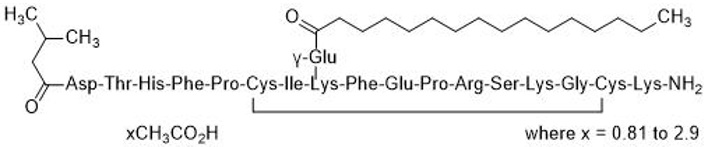 Chemical Structure (Chemical Structure) |
Rusfertide acetate is an amorphous white to off-white powder, light sensitive and hygroscopic with low solubility in ethanol or acetonitrile. The aqueous solubility in pH range of 2.5 to 7.4 is ≥112 mg/mL.
The average molecular weight for the free base is 2442.0 u. The molecular formula for the free base is C114H181N27O28S2.
MIMRYLO for injection is supplied as a sterile, preservative-free, white to off-white lyophilized powder in a single-dose glass vial. The 9.5 mg dose strength delivers 9.5 mg of rusfertide (provided as rusfertide acetate), mannitol (25 mg), sodium acetate trihydrate (1.36 mg), and glacial acetic acid/sodium hydroxide for pH adjustment, for subcutaneous injection after reconstitution with the provided diluent. The 19 mg, 28 mg, 41 mg, and 54 mg dose strengths deliver 19 mg, 28 mg, 41 mg and 54 mg of rusfertide (provided as rusfertide acetate), mannitol (20 mg), sodium acetate trihydrate (1.36 mg), and glacial acetic acid/sodium hydroxide for pH adjustment, for subcutaneous injection after reconstitution with the provided diluent.
The diluent for MIMRYLO is a sterile, preservative-free solution containing sodium acetate trihydrate (1.36 mg/mL), zinc acetate dihydrate (2.2 mg/mL), and glacial acetic acid for adjusting the pH to nominal pH of 5.4 in Water for Injection, USP. It is a clear, colorless solution, free from visible particles, and is provided in a glass prefilled syringe.
After reconstitution, MIMRYLO is a clear and colorless solution free from visible particles.
Rusfertide is a mimetic of the endogenous hormone hepcidin that blocks the iron transporter ferroportin. Inhibition of ferroportin by rusfertide reduces availability of iron for production of red blood cells resulting in lower hematocrit levels.
In healthy participants receiving single subcutaneous doses of 9.5 mg, 19 mg, 28 mg, 41 mg, and 54 mg MIMRYLO, the maximum reduction in serum iron was noted approximately 24 to 48 hours post dose. The higher doses (41 mg and 54 mg) of MIMRYLO resulted in a more sustained reduction in serum iron up to 96 hours.
In the Phase 3 VERIFY study, mean ferritin concentrations increased from 21 mcg/L at baseline to 124 mcg/L at Week 32 and 174 mcg/L at Week 52 for patients who were randomized to receive MIMRYLO. The exposure-response relationships of MIMRYLO have not been fully characterized.
Cardiac Electrophysiology
At 1.3 times the geometric mean rusfertide maximum plasma concentration (Cmax) achieved with the maximum recommended weekly dose of 108 mg MIMRYLO, clinically significant QTc interval prolongation was not observed.
Rusfertide pharmacokinetics were characterized after a single-dose of 9.5 mg to 54 mg in healthy participants. After subcutaneous administration, rusfertide Cmax and AUC increased less than dose proportionally over the dose range of 9.5 mg to 54 mg (0.5 to 2.8 times the recommended starting dosage).
Rusfertide pharmacokinetics were predicted in patients with PV using population PK analysis. At the weekly recommended starting dose of 19 mg MIMRYLO, the predicted mean (±SD) rusfertide steady state Cmax and AUC were 220 (±76.1) ng/mL and 17,800 (±6140) h·ng/mL, respectively. At the weekly dose of 82 mg MIMRYLO, the predicted mean (±SD) rusfertide steady state Cmax and AUC were 751 (±254) ng/mL and 66200 (±23,300) h·ng/mL, respectively. At the maximum recommended weekly dose of 108 mg MIMRYLO, the predicted mean (±SD) rusfertide steady state Cmax and AUC were 867 (±297) ng/mL and 105,000 (±36,900) h·ng/mL, respectively.
In healthy participants, steady state concentrations of rusfertide were achieved after approximately 3 once weekly doses. Mean accumulation ratios of rusfertide following once weekly subcutaneous administration of 54 mg were 1.6 and 1.3 for AUC and Cmax, respectively.
Absorption
Following subcutaneous administration of 19 mg MIMRYLO in healthy participants, the median (min, max) rusfertide time to peak concentration (Tmax) was 24 hours (4, 48 hours). The absolute bioavailability of rusfertide following subcutaneous administration of 19 mg MIMRYLO is approximately 51%.
At steady state, rusfertide exposures were similar following subcutaneous administration of MIMRYLO in the abdomen, thigh, or upper arm.
Distribution
Rusfertide is highly bound to plasma proteins (>99%). The blood-to-plasma ratio is 2.7. Following subcutaneous administration of 19 mg MIMRYLO in healthy participants, the mean (±SD) rusfertide apparent volume of distribution (Vz/F) was 38.4 (±19.1) L.
Elimination
Following subcutaneous administration of 19 mg MIMRYLO in healthy participants, the mean (±SD) rusfertide apparent clearance (CL/F) was 0.930 (±0.233) L/h, and the mean (±SD) rusfertide plasma elimination half-life was 28.6 (±11.3) hours.
Metabolism
Rusfertide is catabolized into smaller peptides via 2 independent pathways. One pathway involves proteolysis by trypsin-like proteases to form metabolite M1, which undergoes further proteolysis to form metabolite M4. Rusfertide also undergoes hydroxylation to form metabolite M9. M1 is a minor metabolite (<1% of total drug-related exposure). M4 and M9 are pharmacologically active but have potencies that are approximately 65% and 14% of the potency of rusfertide, respectively. Following multiple-dose subcutaneous administration of 54 mg MIMRYLO in healthy participants, M4 and M9 account for approximately 15% and 31% of total drug-related exposure, respectively, at steady state.
Excretion
Following subcutaneous administration of MIMRYLO, rusfertide concentrations in the urine were below the detection limit.
Specific Populations
No clinically meaningful differences in the pharmacokinetics of rusfertide were observed based on age (20 to 86 years), race (White, Asian, Other), sex, body weight (44.5 to 151 kg), or mild-to-moderate renal impairment (eGFR 30 to 89 mL/min).
Patients with Renal Impairment
Following subcutaneous administration of 19 mg MIMRYLO, no clinically meaningful difference was observed in rusfertide systemic exposures (AUC) between participants with severe renal impairment (eGFR <30 mL/min) and participants with normal renal function (eGFR ≥90 mL/min).
Patients with Hepatic Impairment
Following subcutaneous administration of 19 mg MIMRYLO, no clinically meaningful difference was observed in rusfertide systemic exposures (AUC) between participants with moderate hepatic impairment (Child-Pugh B) and participants with normal hepatic function. MIMRYLO has not been studied in participants with severe (Child-Pugh C) hepatic impairment.
Drug Interaction Studies
In vitro Studies
Cytochrome P450 (CYP) Enzymes: Rusfertide does not inhibit CYP1A2, CYP2B6, CYP2C8, CYP2C9, CYP2C19, CYP2D6, or CYP3A at clinically relevant concentrations. Rusfertide does not induce CYP1A2, CYP2B6, or CYP3A.
Transporter Systems: Rusfertide is not a substrate of and does not inhibit BCRP, BSEP, MATE1, MATE2K, OATP1B1, OATP1B3, OAT1, OAT3, OCT1, OCT2, or P-gp.
The observed incidence of anti-drug antibodies (ADA) is highly dependent on the sensitivity and specificity of the assay. Differences in assay methods preclude meaningful comparisons of the incidence of anti-drug antibodies in the study described below with the incidence of anti-drug antibodies in other studies, including those of MIMRYLO.
The incidence of anti-rusfertide antibodies to MIMRYLO using a drug-tolerant enzyme-linked immunosorbent assay (ELISA) method for patients in the VERIFY study, with a median duration of exposure of 61 weeks and ADA samples evaluated up to 108 weeks, was 34% (97 out of 282). Of these 97 patients, 35 (36%) developed neutralizing antibodies (NAb) and 12 (12%) developed antibodies that showed cross-reactivity to human hepcidin. The incidence of NAb may be underreported due to the lack of adequate assay sensitivity. However, all ADA responses were of low magnitude (maximum titer value of 1:1000) with titers progressively decreasing or returning to baseline.
Overall, there was no apparent correlation of anti-rusfertide antibody development on the pharmacokinetics, effectiveness, and safety of MIMRYLO in the VERIFY study.
Rusfertide was not carcinogenic in a 6-month transgenic mouse study at subcutaneous doses up to 25 mg/kg/week or in a 2-year rat carcinogenicity study at doses up to 3 mg/kg/ week. In rats, systemic exposure at the highest dose tested was comparable to clinical exposure at the maximum recommended human dose (MRHD), based on AUC.
Rusfertide was not mutagenic in a bacterial reverse mutation assay (Ames), in vitro chromosomal aberration test (cultured human peripheral blood lymphocytes) or in a rat in vivo lymphocyte chromosome aberration study.
In separate fertility and early embryonic development studies in female and male rats, rusfertide was administered subcutaneously once weekly in females at doses of 0.3, 1, or 3 mg/kg/dose beginning 15 days prior to cohabitation and then once every three days during the cohabitation and gestation periods until gestation day 7, and once weekly males at doses of 1, 3, or 10 mg/kg/dose for 4 weeks prior to cohabitation, and during cohabitation and post cohabitation mating periods, for a total of ≥7 weeks. Rusfertide had no effect on mating, estrous cycle, fertility, sperm parameters, or any ovarian and uterine parameters at any dose at exposures approximately 1-fold in females and 2.6-fold in males the clinical exposure at the MRHD based on AUC.
VERIFY
The efficacy of MIMRYLO was evaluated in a multicenter, randomized, double-blind, placebo-controlled Phase 3 study in 293 adult patients with PV [NCT05210790]. Eligible patients required at least 3 phlebotomies in the 28 weeks or 5 phlebotomies in 1 year prior to randomization due to inadequate hematocrit control while receiving ongoing standard of care therapy which included phlebotomy alone or phlebotomy plus one or more cytoreductive agents. The mean age at baseline was 57 years (range 27-86 years); 27% of patients were female and73% were male; 262 patients (89.4%) were White, 9 patients (3.1%) were Asian, 2 patients (0.7%) were Black or African American, 2 patients (0.7%) were American Indian or Alaska Native, and 18 patients (6.1%) were of other, not reported, or unknown race; 14 patients (4.8%) were of Hispanic or Latino ethnicity.
At randomization, patients were receiving phlebotomy only (44.7%), phlebotomy + hydroxyurea (38.9%), phlebotomy + ruxolitinib (2.4%), phlebotomy + interferon (13.3%), and phlebotomy + combination of cytoreductive therapies (0.6%). Of all enrolled patients, 53.2% of patients were considered low risk defined as age less than 60 years and no history of previous thrombotic event(s). 46.8% of patients were considered high risk defined as age greater than or equal to 60 years and/or a history of previous thrombotic event(s). At baseline, the mean ± SD hematocrit was 42.4 ± 1.97 for the placebo arm and 42.2 ± 2.21 for the MIMRYLO arm.
Patients were randomized 1:1 to MIMRYLO or placebo from Week 0 to Week 32. The patients that completed 32 weeks of treatment were eligible to receive open-label treatment with MIMRYLO until Week 52 followed by long-term extension treatment with MIMRYLO until week 156. The starting dosage of MIMRYLO was 19 mg subcutaneously once a week. The dose was then titrated to control and maintain hematocrit <45%. During the 32-week randomized controlled period, the median duration of MIMRYLO treatment exposure was 32 weeks, and 91.2% of patients completed through Week 32.
The efficacy of MIMRYLO was based on the proportion of patients achieving a response (defined as absence of phlebotomy eligibility) between Week 20 to Week 32. Phlebotomy eligibility was defined as a confirmed hematocrit greater than or equal to 45% that is at least 3 percentage (absolute) points higher than the hematocrit obtained at baseline or a hematocrit greater than or equal to 48%. Fatigue was measured by the Patient-Reported Outcomes Measurement Information System (PROMIS) Fatigue Short Form 8a standardized score, where higher scores indicate greater fatigue.
Efficacy results are presented in Table 5.
| Endpoint | Placebo (N=146) | MIMRYLO (N=147) |
|---|---|---|
| ANCOVA=Analysis of Covariance; CI=confidence interval; HCT=hematocrit; LSM=least-squares means; SE=standard error | ||
| Proportion of patients achieving a Response Responders are defined as patients with absence of phlebotomy eligibility. Phlebotomy eligibility was defined as either (1) A confirmed HCT ≥45% that was at least 3% (absolute) higher than the baseline HCT, where confirmation was defined as 2 consecutive HCT assessments that were ≥45% and at least 3% higher than the baseline HCT, or (2) HCT ≥48%. (Week 20 to Week 32)n (%) | 48 (32.9) | 113 (76.9) |
| Common Risk Difference (95% CI) | 43.8% (33.5%, 54.2%) | |
| p-value P-value is obtained from the Cochran-Mantel-Haenszel test stratifying by ongoing standard of care therapy. | <0.0001 | |
| Mean Number of Phlebotomies (Baseline to Week 32), LSM±SE LS Means, 95% CI, and p-value are obtained from ANCOVA model adjusted for pre-treatment number of phlebotomies, treatment, and stratification variable (ongoing standard of care therapy). | 1.82±0.227 | 0.53±0.224 |
| LSM Difference (SE) (95% CI) | -1.29±0.152 (-1.59, -1.00) | |
| p-value | <0.0001 | |
| Proportion of patients Maintaining HCT Values <45% A single HCT ≥45% was permitted. (Week 0 to Week 32), n (%) | 21 (14.4) | 92 (62.6) |
| Common Risk Difference (95% CI) | 48.2% (38.4%, 57.9%) | |
| p-value | <0.0001 | |
| Mean change from Baseline Total Fatigue score based on PROMIS Short Form 8a For the PROMIS T score, week 32 change from baseline is available for 120 patients in the MIMRYLO arm and 115 patients in the placebo arm. at Week 32LSM±SE LS Means, 95% CI, and p-value are obtained from MMRM model adjusted for baseline, treatment, visit, treatment by visit interaction, baseline by visit interaction, and stratification variable (ongoing standard of care therapy). | 0.19±1.05 | -1.79±1.04 |
| LSM Difference ± SE (95% CI) | -1.98±0.88 (-3.71, -0.25) | |
| p-value | 0.0252 | |
The mean change from baseline in hematocrit levels (Week 0 to Week 32) increased in the placebo arm but remained approximately 0 or lower in the MIMRYLO arm. During Week 32 to Week 52, when the patients in the placebo arm were switched to MIMRYLO, the mean change in hematocrit decreased rapidly.
How Supplied
MIMRYLO for injection is supplied in a carton for each individual dosage strength comprising a single-dose vial containing a sterile, preservative-free, white to off-white lyophilized powder and a single-dose prefilled syringe containing a clear, colorless solution (diluent) with a luer lock adapter and soft inner tip cap.
Not made with natural rubber latex.
| Dosage Strength (mg/vial) | Color Cap Indicator | Vial NDC Number | Carton NDC Number |
|---|---|---|---|
| 9.5 | Blue | 63020-710-10 | 63020-715-10 |
| 19 | Lime | 63020-720-20 | 63020-725-20 |
| 28 | Burgundy | 63020-730-30 | 63020-735-30 |
| 41 | Yellow | 63020-740-40 | 63020-745-40 |
| 54 | White | 63020-760-60 | 63020-765-60 |
| Prefilled Diluent Syringe NDC 63020-600-05 | |||
Storage and Handling
Advise the patient to read the FDA-approved patient labeling (Patient Information and Instructions for Use).
Subcutaneous Dosing Technique
Provide guidance to patients and caregivers on proper subcutaneous administration technique, and how to use MIMRYLO [see Instructions for Use].
Missed Dose
Instruct patients to call healthcare provider if they are unsure when to inject a missed dose [see Dosage and Administration (2.3)].
New or Worsening Thrombocytosis
Advise patients that MIMRYLO may increase platelet counts. Instruct patients to contact their healthcare provider if they experience signs or symptoms of bleeding or blood clots, such as unusual bruising or bleeding, chest pain, shortness of breath, leg pain or swelling, or sudden severe headache [see Warnings and Precautions (5.1)].
Injection Site Reactions
Advise patients that injection site reactions may occur with MIMRYLO. Instruct patients to contact their healthcare provider if they experience severe or persistent injection site reactions. Inform patients that ice, topical corticosteroid creams, antihistamines, or analgesics may be used to manage injection site pain and swelling [see Warnings and Precautions (5.2) and Dosage and Administration (2.4)].
Embryo-Fetal Toxicity
MIMRYLO may cause fetal harm. Advise females to inform their healthcare provider of a known or suspected pregnancy [see Warnings and Precautions (5.3) and Use in Specific Populations (8.1)]. Advise female patients of reproductive potential to use effective contraception during treatment with MIMRYLO and for at least 30 days after the final dose [see Use in Specific Populations (8.3)].
Lactation
Advise females not to breastfeed during treatment with MIMRYLO and for 30 days after the final dose [see Use in Specific Populations (8.2)].
Distributed by:
Takeda Pharmaceuticals America, Inc.
Cambridge, MA 02142
MIMRYLO is a trademark of Takeda Pharmaceuticals U.S.A., Inc.
TAKEDA and

Logo (Logo)
©2026 Takeda Pharmaceuticals U.S.A., Inc. All rights reserved.
R1
| This Patient Information has been approved by the U.S. Food and Drug Administration. | Issued: 08/2026 | |
| PATIENT INFORMATION MIMRYLO™ (mim-rahy-loh) (rusfertide) for injection, for subcutaneous use | ||
What is MIMRYLO? MIMRYLO is a prescription medicine that is used to treat erythrocytosis (high red blood cell count) in adults with polycythemia vera. It is not known if MIMRYLO is safe and effective in children. | ||
Before using MIMRYLO, tell your healthcare provider about all of your medical conditions, including if you:
Tell your healthcare provider about all the medicines you take, including prescription and over-the-counter medicines, vitamins, and herbal supplements. | ||
How should I use MIMRYLO?
| ||
What are the possible side effects of MIMRYLO?
| ||
Your healthcare provider may change your dose or stop treatment with MIMRYLO if you have side effects. | ||
The most common side effects of MIMRYLO are:
| ||
| These are not all of the possible side effects of MIMRYLO. Call your doctor for medical advice about side effects. You may report side effects to FDA at 1-800-FDA-1088. | ||
How should I store MIMRYLO?
| ||
| General information about the safe and effective use of MIMRYLO. Medicines are sometimes prescribed for purposes other than those listed in a Patient Information leaflet. Do not use MIMRYLO for a condition for which it was not prescribed. Do not give MIMRYLO to other people, even if they have the same symptoms that you have. It may harm them. You can ask your pharmacist or healthcare provider for information about MIMRYLO that is written for health professionals. | ||
| What are the ingredients in MIMRYLO? Active ingredient: rusfertide acetate Inactive ingredients: mannitol, sodium acetate trihydrate, and glacial acetic acid/sodium hydroxide for pH adjustment. The diluent for MIMRYLO contains sodium acetate trihydrate, zinc acetate dihydrate, and glacial acetic acid. Distributed by: Logo (Logo) ©2026 Takeda Pharmaceuticals U.S.A., Inc. All rights reserved. For more information, go to www.MIMRYLO.com or call 1-877-TAKEDA-7 (1-877-825-3327). | ||
| INSTRUCTIONS FOR USE MIMRYLO™ (mim-rahy-loh) (rusfertide) for injection, for subcutaneous use |
This Instructions for Use contains information on how to prepare and inject MIMRYLO.
Read this Instructions for Use before you begin preparing and injecting MIMRYLO and each time you get a refill. There may be new information.
Your healthcare provider should show you or your caregiver how to prepare and inject MIMRYLO. Do not inject yourself or someone else until you have been shown how to inject MIMRYLO.
Available Strengths

Ifu01 (Mimrylo 08)
Supplies Needed to Inject MIMRYLO (Figure A)
Supplies Included in the MIMRYLO Carton

Ifu02 (Mimrylo 09)
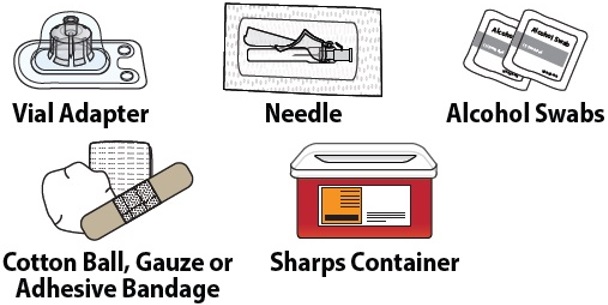
Additional Supplies (not included in the carton)
 Ifu03 (Mimrylo 10) |
| Figure A |
If you do not have these items, ask your pharmacist.
Important Information You Need to Know Before Preparing and Injecting MIMRYLO
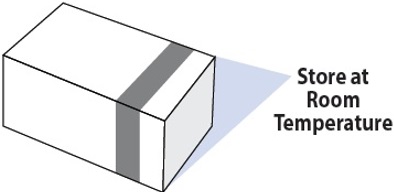
Storing MIMRYLO
Keep MIMRYLO and all medicines out of the reach of children.
 Ifu04 (Mimrylo 11) |
| Figure B |
Getting Started
1 Washing hands and checking the supplies
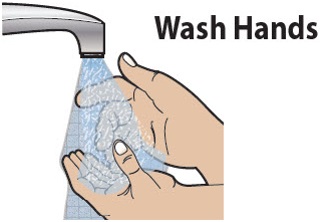
1.1 Wash hands well with soap and water (Figure C).
 Ifu05 (Mimrylo 12) |
| Figure C |
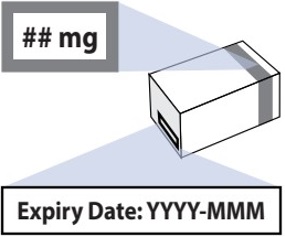
1.2 Check your prescribed dose (Figure D). MIMRYLO is available in more than 1 strength. Your prescribed dose may require more than 1 injection.
1.3 Check the expiration date on the outside of the carton (Figure D).
 Ifu06 (Mimrylo 13) |
| Figure D |
Do not use MIMRYLO if the expiration date has passed and contact your healthcare provider.
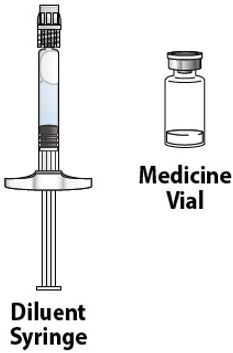
1.4 Take all items out of the carton. Remove the prefilled syringe by the body only.
Do not remove the diluent syringe from the carton by its plunger rod or syringe cap.
1.5 Check if the supplies have been opened, damaged, or are missing (Figure E).
Do not use if any of the supplies are opened, damaged or missing.
 Ifu07 (Mimrylo 14) |
| Figure E |
1.6 Gather additional supplies (Figure F).
 Ifu08 (Mimrylo 15) |
| Figure F |
Preparing MIMRYLO for Injection (Reconstitution)
2 Attaching the vial adapter to the medicine vial
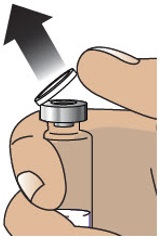
2.1 Take off the cap from the medicine vial (Figure G).
Throw away the medicine vial cap into household trash.
 Ifu09 (Mimrylo 16) |
| Figure G |
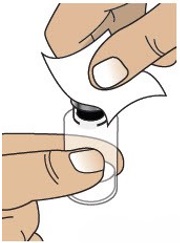
2.2 Clean gray rubber stopper on top of the medicine vial with a new alcohol swab (Figure H).
Throw away used alcohol swab into household trash.
Do not touch the gray rubber stopper on the top of the vial after cleaning.
 Ifu10 (Mimrylo 17) |
| Figure H |
2.3 Open vial adapter packaging (Figure I).
Note: Your vial adapter may look different. Follow the vial adapter manufacturer instructions.
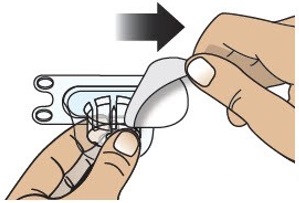 Ifu11 (Mimrylo 18) |
| Figure I |
2.4 Place the medicine vial on a flat surface. Hold (stabilize) the medicine vial with 1 hand. Using the other hand place the vial adapter in its packaging over the medicine vial.
Push the adapter straight down onto the top of the medicine vial until it snaps on and is fully attached (Figure J).
Note: The spike on the vial adapter should punch through (puncture) the gray rubber stopper.
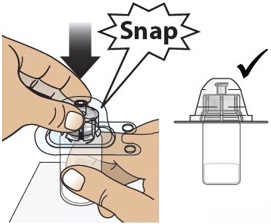 Ifu12 (Mimrylo 19) |
| Figure J |
3 Attaching the diluent syringe to the vial adapter
3.1 Lightly squeeze the plastic packaging to lift and remove it from the vial adapter (Figure K).
Throw away the plastic packaging into household trash.
Do not let the vial adapter tip touch your hands or any surface.
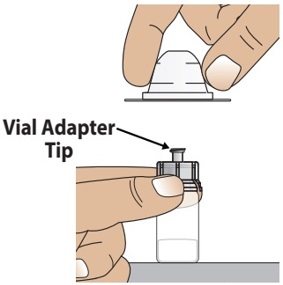 Ifu13 (Mimrylo 20) |
| Figure K |
3.2 Take off the diluent syringe cap (Figure L):
Throw away the syringe cap into household trash.
Do not let the diluent syringe tip touch your hands or any surface.
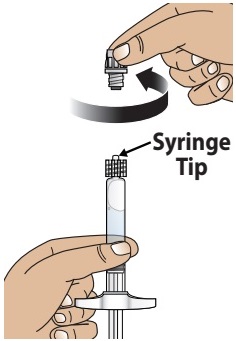 Ifu14 (Mimrylo 21) |
| Figure L |
3.3 Attach the diluent syringe to the vial adapter (Figure M):
Do not tighten too much.
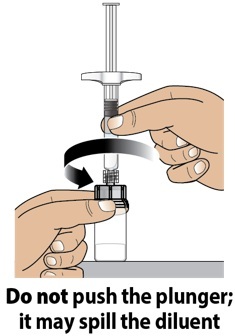 Ifu15 (Mimrylo 22) |
| Figure M |
4 Mixing the diluent with the powdered medicine
4.1 Place the medicine vial on a flat surface with the diluent syringe pointing down.
Inject all the diluent into the medicine vial by slowly pushing down on the diluent syringe plunger rod until it is empty (Figure N).
Do not remove the diluent syringe from the medicine vial.
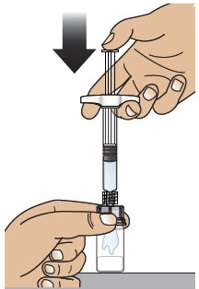 Ifu16 (Mimrylo 23) |
| Figure N |
4.2 Mix the diluent and medicine by slowly and gently swirling the medicine vial in a circular motion until the powder is fully dissolved. This may take about 2 minutes (Figure O).
If there is powder medicine stuck to the inside of the medicine vial wall, continue to gently swirl until it is removed.
The mixed medicine may look foamy.
Do not shake the medicine vial.
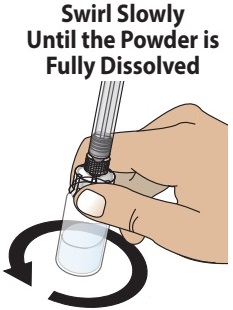 Ifu17 (Mimrylo 24) |
| Figure O |
4.3 Set the medicine vial with the attached diluent syringe on a clean flat surface and let it sit to allow the liquid to settle and any excess foam to go away. This may take about 1 minute (Figure P).
The diluent syringe plunger rod may rise up by itself. This is normal.
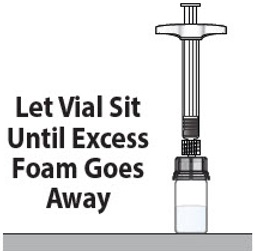 Ifu18 (Mimrylo 25) |
| Figure P |
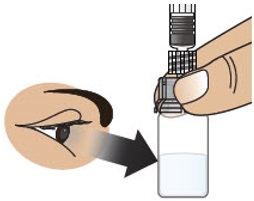
4.4 After the liquid has settled, inspect the liquid (Figure Q).
It should be clear with very little foam, colorless, and free from visible particles.
Important: You must inject the medicine within 4 hours of mixing it.
Do not use the medicine vial if the liquid looks colored or contains particles.
 Ifu19 (Mimrylo 26) |
| Figure Q |
5 Drawing the mixed (reconstituted) medicine into the syringe
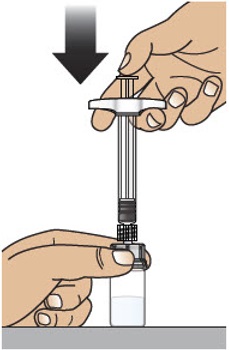
5.1 Make sure the syringe plunger rod is pressed down all the way to remove any air (Figure R).
 Ifu20 (Mimrylo 27) |
| Figure R |
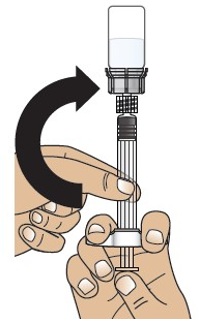
5.2 While holding the plunger down, turn the syringe upside down so the medicine vial is now on top (Figure S).
 Ifu21 (Mimrylo 28) |
| Figure S |
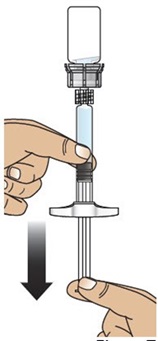
5.3 Hold the syringe with the medicine vial on top. Slowly pull the syringe plunger rod down to fill the syringe with the mixed medicine (Figure T).
Note: It is normal to have an air gap or bubbles in the syringe after drawing liquid.
 Ifu22 (Mimrylo 29) |
| Figure T |
6 Taking the empty medicine vial off the syringe
6.1 Take off the empty medicine vial (Figure U):
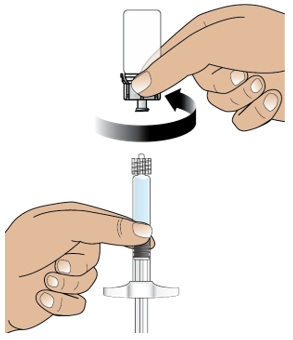 Ifu23 (Mimrylo 30) |
| Figure U |
6.2 Throw away (dispose of) the empty medicine vial into an FDA-cleared sharps disposal container (Figure V).
See the “Additional Disposal Information” section below for more information.
Do not throw away (dispose of) the empty medicine vial in your household trash.
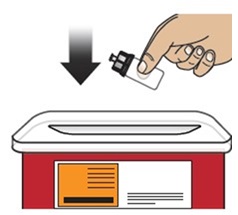 Ifu24 (Mimrylo 31) |
| Figure V |
Injecting MIMRYLO
7 Attaching the needle to the syringe
7.1 Remove the needle from its packaging by using your fingers to pull the package apart (Figure W).
Do not touch the open end of the needle.
Note: Your needle may look different. Follow the needle manufacturer instructions.
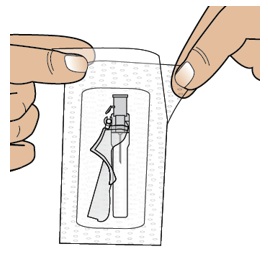 Ifu25 (Mimrylo 32) |
| Figure W |
7.2 Attach the needle to the syringe (Figure X):
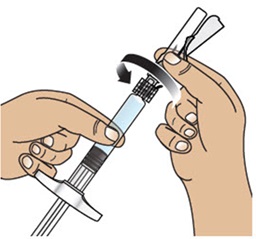 Ifu26 (Mimrylo 33) |
| Figure X |
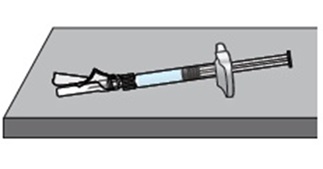
7.3 Set the prepared syringe on a clean flat surface (Figure Y).
Important: You must inject the medicine within 4 hours of mixing it.
Do not touch or push the plunger rod until you are ready to inject.
 Ifu27 (Mimrylo 34) |
| Figure Y |
8 Choosing and cleaning the injection site(s)
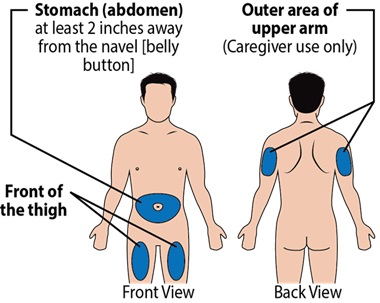
8.1 Choose from the following injection sites (Figure Z):
 Ifu28 (Mimrylo 35) |
| Figure Z |
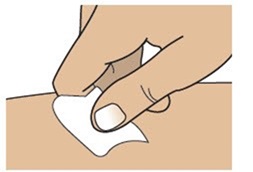
8.2 Clean the chosen injection site(s) with a new alcohol swab. Allow the skin to air dry (Figure AA).
Throw away used alcohol swab into household trash.
 Ifu29 (Mimrylo 36) |
| Figure AA |
9 Taking off the needle cap
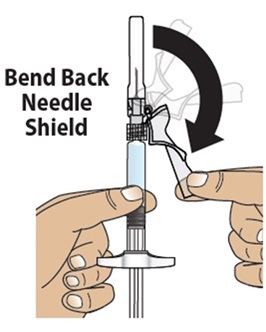
9.1 Hold the syringe by the body with the needle pointing up. Pull the needle shield back (Figure AB).
Do not remove the needle shield from the needle.
 Ifu30 (Mimrylo 37) |
| Figure AB |
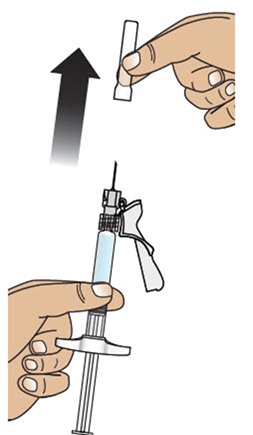
9.2 Carefully take off the needle cap by holding the syringe by the body with 1 hand and firmly pulling the cap straight off with the other hand (Figure AC).
Throw away the needle cap into household trash.
 Ifu31 (Mimrylo 38) |
| Figure AC |
10 Removing air from the syringe
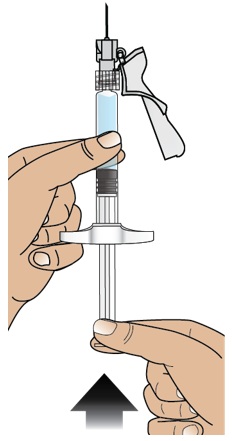
10.1 Hold the syringe with the needle tip pointing straight up (Figure AD).
10.2 Tap the syringe with your finger to move any air or bubbles to the syringe tip (Figure AD).
10.3 Slowly and carefully push the syringe plunger rod to remove the air or bubbles.
It is okay if a small air gap or bubbles are left in the syringe.
 Ifu32 (Mimrylo 39) |
| Figure AD |
11 Giving the Injection
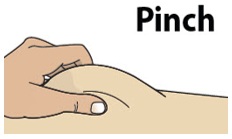
11.1 Use 1 hand to pinch the skin at the injection site (Figure AE).
This allows you to insert the needle into the fatty tissue just under the skin (subcutaneous injection).
 Ifu33 (Mimrylo 40) |
| Figure AE |
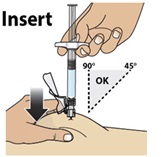
11.2 Insert the needle into the pinched skin at a 45 to 90 degree angle (Figure AF).
The pinched skin can be released after the needle is inserted.
 Ifu34 (Mimrylo 41) |
| Figure AF |
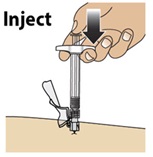
11.3 Slowly push the plunger rod to inject all the medicine (Figure AG).
After all the medicine is injected, pull the needle and syringe out of the skin at the same angle as you inserted it.
 Ifu35 (Mimrylo 42) |
| Figure AG |
After Injecting MIMRYLO
12 Throwing away (disposing of) the syringe and needle into sharps disposal container and treating the injection site
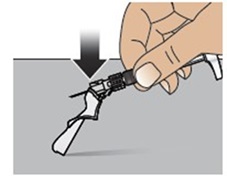
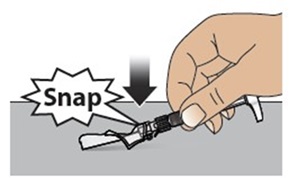
12.1 Right after injection of the medicine, place the needle shield on the hard surface to carefully push the needle shield over the needle until it snaps into place and covers the needle (Figure AH and AI).
 Ifu36 (Mimrylo 43) |
| Figure AH |
 Ifu37 (Mimrylo 44) |
| Figure AI |
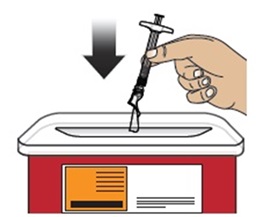
12.2 Throw away (dispose of) the used syringe with the needle attached into an FDA-cleared sharps disposal container (Figure AJ).
Do not throw away (dispose of) the needle or syringe in your household trash.
 Ifu38 (Mimrylo 45) |
| Figure AJ |
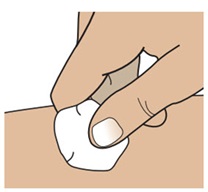
12.3 If there is bleeding at the injection site, gently press a cotton ball or gauze pad over the site (Figure AK) and hold for 10 seconds. Cover with an adhesive bandage if needed.
Do not rub the injection site.
 Ifu39 (Mimrylo 46) |
| Figure AK |
12.4 If your dosage requires two injections, repeat steps 1 through 12.
Additional Disposal Information
FDA-cleared sharps disposal containers are generally available through pharmacies, medical supply companies, healthcare providers, and online.
If you do not have an FDA-cleared sharps disposal container, you may use a household container that is:
When your sharps disposal container is almost full, you will need to follow community guidelines for the right way to throw away (dispose of) your sharps disposal container.
There may be state or local laws about how you should throw away used vials, needles and syringes. For more information about safe sharps disposal, and for specific information about sharps disposal in the state that you live in, go to the FDA’s website at: http://www.fda.gov/safesharpsdisposal.
Do not throw away (dispose of) your used sharps disposal container in your household trash unless your community guidelines permit this.
Do not recycle your used sharps disposal container.
Keep the sharps disposal container out of the reach of children.
Additional Information
For more information about how to prepare and inject with MIMRYLO visit www.MIMRYLO.com or call 1-877-TAKEDA-7 (1-877-825-3327).
Distributed by:
Takeda Pharmaceuticals America, Inc.
Cambridge, MA 02142
MIMRYLO and

Logo (Logo1)
TAKEDA and
Logo (Logo)
©2026 Takeda Pharmaceuticals U.S.A., Inc. All rights reserved.
This Instructions for Use has been approved by the U.S. Food and Drug Administration. Approved: August 2026
NDC 63020-710-10
Rx Only
Mimrylo™
(rusfertide) for injection
9.5 mg
per vial
Reconstitute prior to use.
For subcutaneous use only.
Single-Dose Vial.
Discard Unused Portion.
Takeda
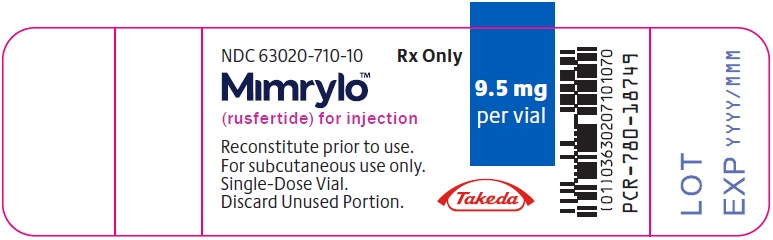
Principal Display Panel (NDC 63020-710-10)
NDC 63020-720-20
Rx Only
Mimrylo™
(rusfertide) for injection
19 mg
per vial
Reconstitute prior to use.
For subcutaneous use only.
Single-Dose Vial.
Discard Unused Portion.
Takeda
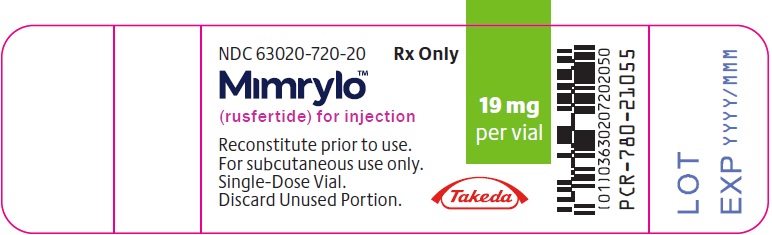
Principal Display Panel (NDC 63020-720-20)
NDC 63020-730-30
Rx Only
Mimrylo™
(rusfertide) for injection
28 mg
per vial
Reconstitute prior to use.
For subcutaneous use only.
Single-Dose Vial.
Discard Unused Portion.
Takeda
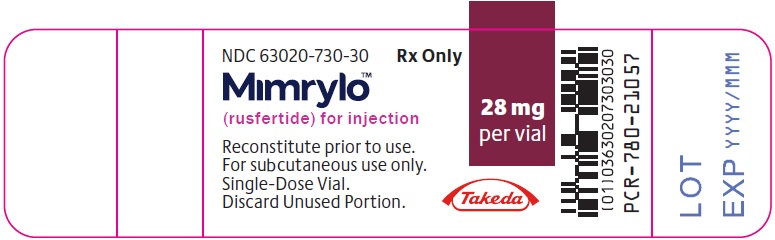
Principal Display Panel (NDC 63020-730-30)
NDC 63020-740-40
Rx Only
Mimrylo™
(rusfertide) for injection
41 mg
per vial
Reconstitute prior to use.
For subcutaneous use only.
Single-Dose Vial.
Discard Unused Portion.
Takeda
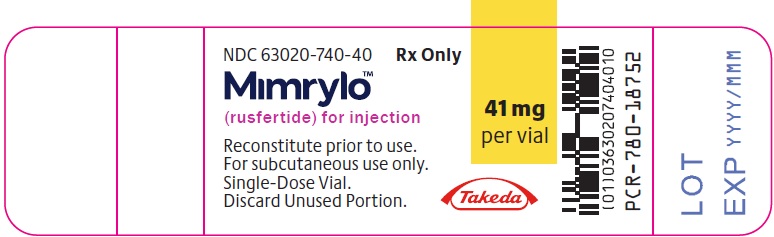
Principal Display Panel (NDC 63020-740-40)
NDC 63020-760-60
Rx Only
Mimrylo™
(rusfertide) for injection
54 mg
per vial
Reconstitute prior to use.
For subcutaneous use only.
Single-Dose Vial.
Discard Unused Portion.
Takeda
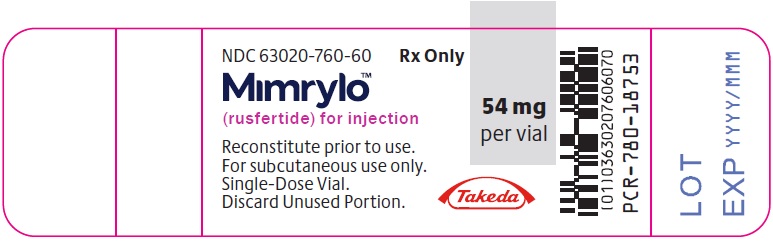
Principal Display Panel (NDC 63020-760-60)
Diluent
For Mimrylo™
for injection
NDC 63020-600-05
Rx Only
For drug diluent use only —
reconstitute as directed.
Takeda Pharmaceuticals America, Inc.
Cambridge, MA 02142
Single-Dose
PCR-780-21185
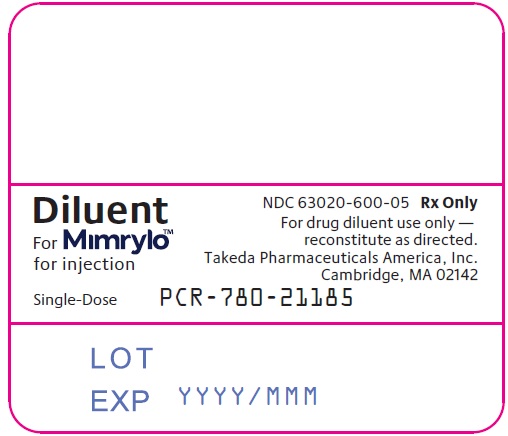
Principal Display Panel (NDC 63020-600-05)
* Please review the disclaimer below.
