Valsartan And Hydrochlorothiazide Tablet, Film Coated
Product Images NDC 63187-571

View Photos of Packaging, Regulatory Labels, and Product Appearance

Product Visual Gallery

This gallery contains 7 technical images submitted to the FDA as part of the official labeling for Valsartan And Hydrochlorothiazide (NDC 63187-571). Unlike standard consumer photos, these assets often include clinical data figures, molecular chemical structures, and official manufacturer packaging layouts.

As provided by Proficient Rx Lp, these visuals offer a comprehensive scientific overview of the product's physical and chemical identity, aiding pharmacists and researchers in product verification and study.

FDA Label Image

Figure 1: Probability Of Achieving Systolic Blood Pressure <140 Mmhg At Week 8 (Valhyctz Fig1)
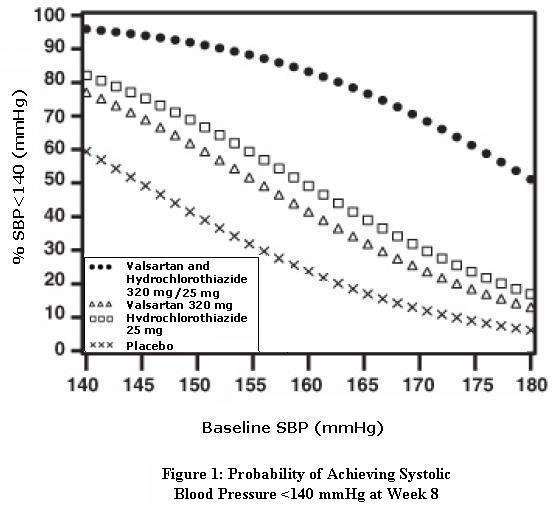
Figure 1: Probability Of Achieving Systolic Blood Pressure <140 Mmhg At Week 8 (Valhyctz Fig1)
This text appears to be a medical document describing the effectiveness of a medication in lowering systolic blood pressure. The medication is a combination of Valsartan and Hydrochlorothiazide, with a dosage of 320 mg/25 mg. The text presents a graph depicting the probability of achieving a systolic blood pressure level of less than 140 mmHg after 8 weeks of treatment. There are no indications of side effects, contraindications or further instructions.*
FDA Label Image

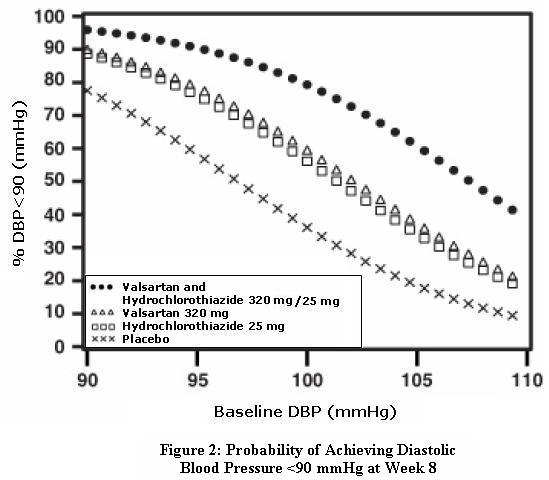
Figure 2: Probability Of Achieving Diastolic Blood Pressure <90 Mmhg At Week 8 (Valhyctz Fig2)

Figure 2: Probability Of Achieving Diastolic Blood Pressure <90 Mmhg At Week 8 (Valhyctz Fig2)
This is a chart representing the probability of achieving a diastolic blood pressure (DBP) below 90 mmHg at week 8. The chart is based on readings of baseline DBP ranging from 95 to 105 mmHg. There is no further information available.*
FDA Label Image

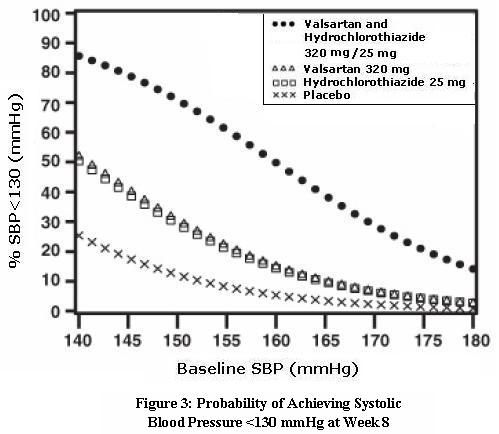
Figure 3: Probability Of Achieving Systolic Blood Pressure <130 Mmhg At Week 8 (Valhyctz Fig3)

Figure 3: Probability Of Achieving Systolic Blood Pressure <130 Mmhg At Week 8 (Valhyctz Fig3)
The text describes a figure depicting the probability of achieving systolic blood pressure below 130 mmHg at week 8 for patients taking Valsartan and Hydrochlorothiazide, as well as a placebo. The figure includes a baseline SBP measurement range and dosages for the medications.*
FDA Label Image

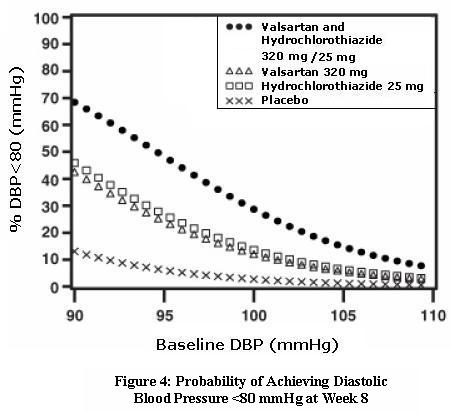
Figure 4: Probability Of Achieving Diastolic Blood Pressure <80 Mmhg At Week 8 (Valhyctz Fig4)

Figure 4: Probability Of Achieving Diastolic Blood Pressure <80 Mmhg At Week 8 (Valhyctz Fig4)
This is a description of a study on the probability of achieving a diastolic blood pressure below 80 mmHg after 8 weeks of treatment with Valsartan and Hydrochlorothiazide at a dosage of 320mg/25mg. The study tested the effectiveness of the medication against a placebo. The graph in Figure 4 shows the probability of achieving the desired blood pressure level.*
FDA Label Image

63187-571-30 (Valhyctz Fig5)

63187-571-30 (Valhyctz Fig5)
The text describes a medication called Valsartan HCTZ 80mg/12.5mg. It comes in a bottle of 30 light orange oval tablets. Each tablet contains 80mg of Valsartan USP and 12.5mg of hydrochlorothiazide USP. The tablets are film-coated and have a beveled edge, and are marked with 'I' on one side and '61' on the other. The medication is to be stored between 20-25°C and kept out of reach of children. The lot number is 00000 and the expiration date is 00/00/00. The medication is manufactured by Aurobindo Pharma Limited in India and packaged by Proficient Rx LP in Thousand Oaks, CA.*
FDA Label Image

Valsartan Chemical Structure (Valhyctz Str1)

FDA Label Image

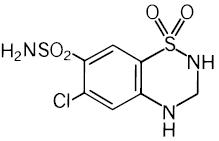
Hydrochlorothiazide Chemical Structure (Valhyctz Str2)

* These product label images have been analyzed using experimental machine learning. Please verify findings with the primary label text.