Inform patients of the following information before initiating therapy with an NSAID and periodically during the course of ongoing therapy.
Cardiovascular Effects
Diclofenac sodium topical gel, like other NSAIDs, may cause serious CV side effects, such as MI or stroke, which may result in hospitalization and even death. Although serious CV events can occur without warning symptoms, patients should be alert for the signs and symptoms of chest pain, shortness of breath, weakness, slurring of speech, and should ask for medical advice when observing any indicative sign or symptoms. Advise patients of the importance of this follow-up [see Warnings and Precautions (5.1)].
Gastrointestinal Effects
Diclofenac sodium topical gel, like other NSAIDs, can cause GI discomfort and, rarely, more serious GI side effects, such as ulcers and bleeding, which may result in hospitalization and even death. Although serious GI tract ulcerations and bleeding can occur without warning symptoms, patients should be alert for the signs and symptoms of ulcerations and bleeding. Instruct patients to ask for medical advice when observing any indicative sign or symptoms including epigastric pain, dyspepsia, melena, and hematemesis. Patients should be apprised of the importance of this follow-up [see Warnings and Precautions (5.2)].
Hepatotoxicity
Inform patients of the warning signs and symptoms of hepatotoxicity (e.g., nausea, fatigue, lethargy, diarrhea, pruritus, jaundice, right upper quadrant tenderness, and “flu-like” symptoms). If these occur, patients should be instructed to stop therapy with diclofenac sodium topical gel and seek immediate medical therapy [see Warnings and Precautions (5.3)].
Adverse Skin Reactions
Diclofenac sodium topical gel, like other NSAIDs, can cause serious skin side effects such as exfoliative dermatitis, SJS, and TEN, which may result in hospitalization and even death. Although serious skin reactions may occur without warning, patients should be alert for the signs and symptoms of skin rash and blisters, fever, or other signs of hypersensitivity such as itching. Instruct patients to ask for medical advice when observing any indicative signs or symptoms [see Warnings and Precautions (5.8)].
Advise patients to stop diclofenac sodium topical gel immediately if they develop any type of rash and contact their physicians as soon as possible.
Instruct patients not to apply diclofenac sodium topical gel to open skin wounds, infections, inflammations, or exfoliative dermatitis, as it may affect absorption and tolerability of the drug.
Instruct patients to avoid concomitant use of diclofenac sodium topical gel with other topical products, including sunscreens, cosmetics, lotions, moisturizers, and insect repellants. Concomitant use may result in skin reactions or change the absorption of diclofenac sodium topical gel.
Instruct patients to minimize or avoid exposure of treated areas to natural or artificial sunlight.
Weight Gain and Edema
Instruct patients to report to their physicians signs or symptoms of unexplained weight gain or edema following treatment with diclofenac sodium topical gel [see Warnings and Precautions (5.5)].
Anaphylactoid Reactions
Inform patients of the signs of an anaphylactoid reaction (e.g., difficulty breathing, swelling of the face or throat). If these occur, patients should be instructed to seek immediate emergency help [see Warnings and Precautions (5.7)].
Effects During Pregnancy
In late pregnancy, as with other NSAIDs, diclofenac sodium topical gel should be avoided because it will cause premature closure of the ductus arteriosus [see Warnings and Precautions (5.9)].
Eye Exposure
Instruct patients to avoid contact of diclofenac sodium topical gel with the eyes and mucosa, although not studied, should be avoided. Patients should be advised that if eye contact occurs, they should immediately wash out the eye with water or saline and consult a physician if irritation persists for more than an hour.
Proper Application
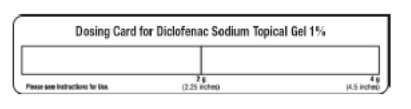
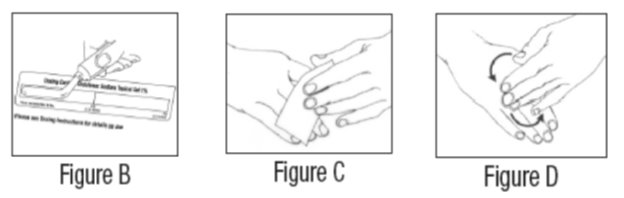
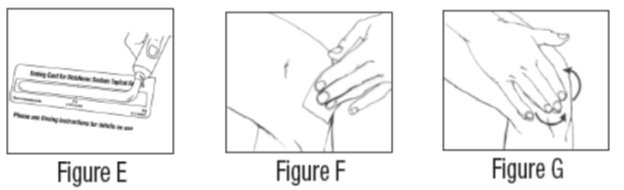
Instruct patients how to use the dosing card to measure the proper dose of diclofenac sodium topical gel to apply.
If the patient loses their dosing card, instruct them that they can call 1-800-398-5876 to request a replacement dosing card or ask their pharmacist for a new dosing card. Instruct patients how to correctly measure the 2.25 inches (2 g) dose or 4.5 inches (4 g) dose while waiting for a replacement dosing card.
Comments or Questions?
Call toll-free 1-800-398-5876
Marketed by:
Par Pharmaceutical
Chestnut Ridge, NY 10977
Manufactured by:
Novartis Pharma Produktions GmbH
Wehr, Germany
Revised: February 2016