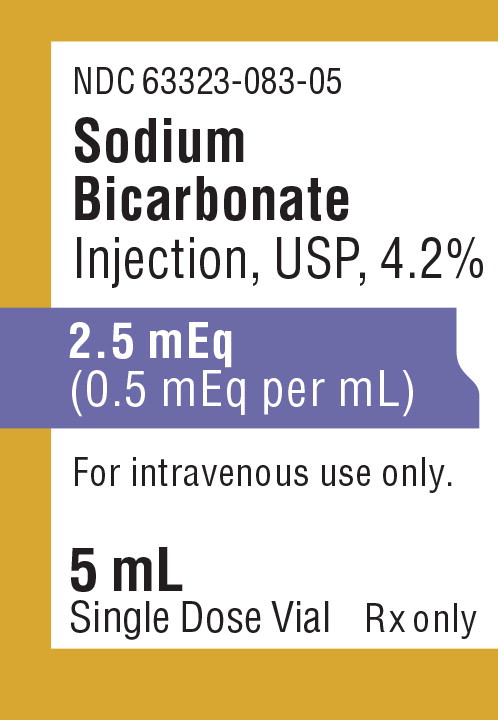
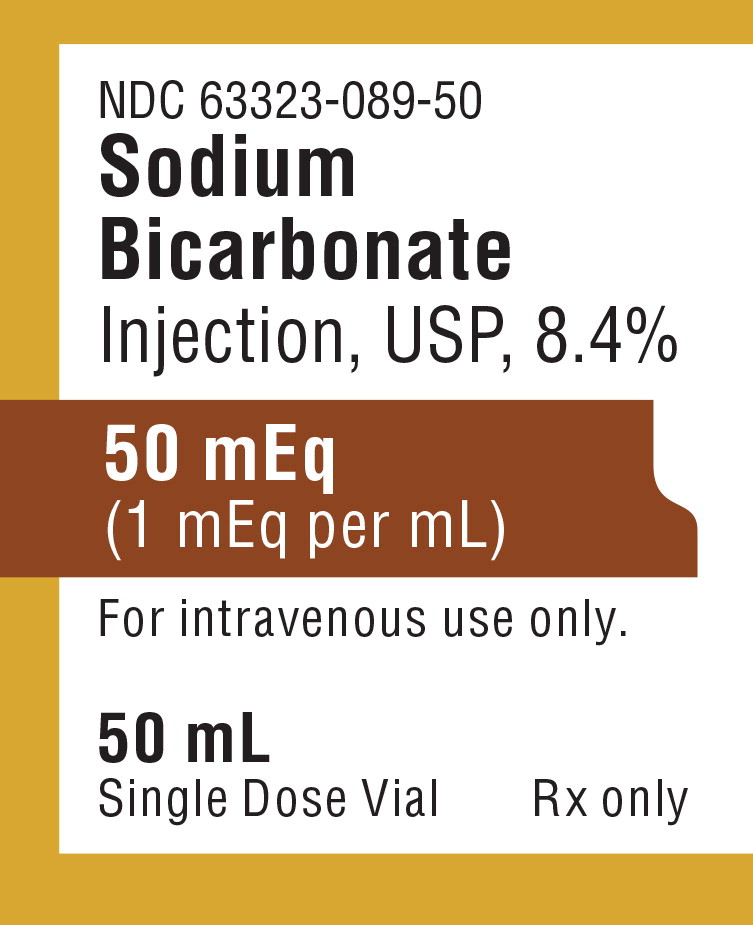
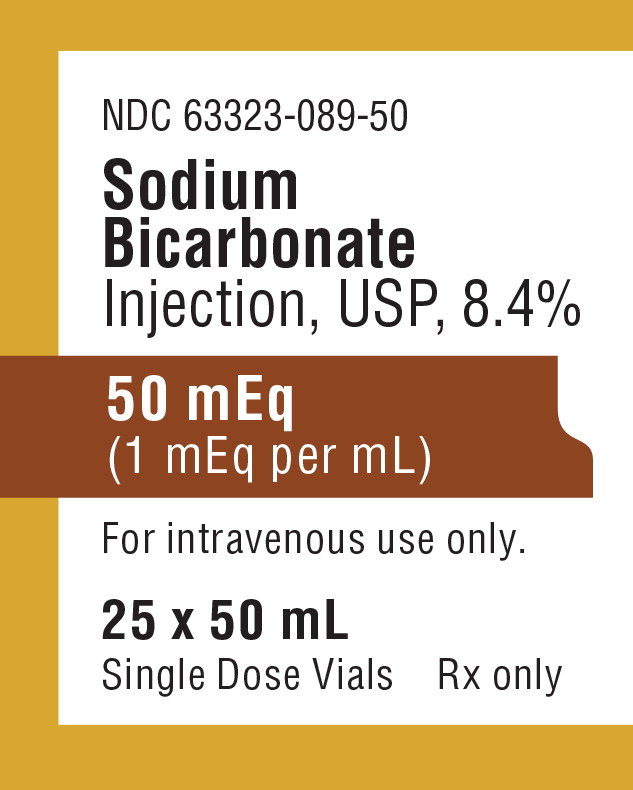
Sodium Bicarbonate Injection, USP is administered by the intravenous route.
In cardiac arrest, a rapid intravenous dose of 200 to 300 mEq of bicarbonate, given as a 4.2% or 8.4% solution is suggested for adults. Cautions should be observed in emergencies where very rapid infusion of large quantities of bicarbonate is indicated. Bicarbonate solutions are hypertonic and may produce an undesirable rise in plasma sodium concentration in the process of correcting the metabolic acidosis. In cardiac arrest, however, the risks from acidosis exceed those of hypernatremia.
In infants (up to two years of age), intravenous administration at a dose not to exceed 8 mEq/kg/day is recommended. Slow administration rates and a solution of 4.2% are recommended in neonates, to guard against the possibility of producing hypernatremia, decreasing cerebrospinal fluid pressure and inducing intracranial hemorrhage.
In less urgent forms of metabolic acidosis, Sodium Bicarbonate Injection, USP may be added to other intravenous fluids. The amount of bicarbonate to be given to older children and adults over a four- to eight- hour period is approximately 2 to 5 mEq/kg of body weight — depending upon the severity of the acidosis as judged by the lowering of total CO
2 content, blood pH and clinical condition of the patient. Bicarbonate therapy should always be planned in a stepwise fashion since the degree of response from a given dose is not precisely predictable. Initially an infusion of 2 to 5 mEq/kg body weight over a period of 4 to 8 hours will produce a measurable improvement in the abnormal acidbase status of the blood. The next step of therapy is dependent upon the clinical response of the patient. If severe symptoms have abated, then the frequency of administration and the size of the dose may be reduced.
In general, it is unwise to attempt full correction of a low total CO
2 content during the first 24 hours of therapy, since this may be accompanied by an unrecognized alkalosis because of a delay in the readjustment of ventilation to normal. Owing to this lag, the achievement of total CO
2 content of about 20 mEq/liter at the end of the first day of therapy will usually be associated with a normal blood pH. Further modification of the acidosis to completely normal values usually occurs in the presence of normal kidney function when and if the cause of the acidosis can be controlled. Values for total CO
2 which are brought to normal or above normal within the first day of therapy are very likely to be associated with grossly alkaline values for blood pH, with ensuing undesired side effects.
Parenteral drug products should be inspected visually for particulate matter and discoloration prior to administration, whenever solution and container permit. See
PRECAUTIONS.
Do not use unless solution is clear and the container or seal is intact. Discard unused portion.