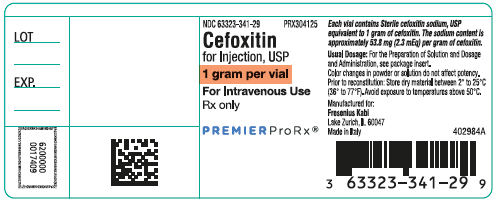
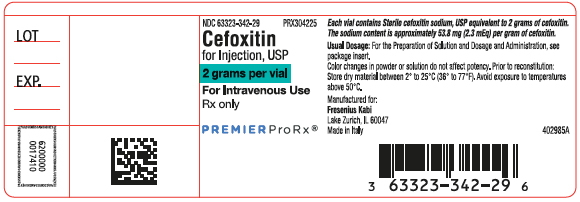
CEFOXITIN FOR INJECTION, USP is indicated for the treatment of serious infections caused by susceptible strains of the designated microorganisms in the diseases listed below.
(1)Lower respiratory tract infections,
including pneumonia and lung abscess, caused by
Streptococcus pneumoniae, other streptococci (excluding enterococci, e.g.,
Enterococcus faecalis [formerly
Streptococcus faecalis]),
Staphylococcus aureus (including penicillinase-producing strains),
Escherichia coli, Klebsiella species,
Haemophilus influenzae, and
Bacteroides species.
(2)Urinary tract infections caused by
Escherichia coli, Klebsiella species,
Proteus mirabilis, Morganella morganii, Proteus vulgaris and
Providencia species (including
P. rettgeri).
(3)Intra-abdominal infections,
including peritonitis and intra-abdominal abscess, caused by
Escherichia coli, Klebsiella species,
Bacteroides species including
Bacteroides fragilis, and
Clostridium species.
(4)Gynecological infections,
including endometritis, pelvic cellulitis, and pelvic inflammatory disease caused by
Escherichia coli,
Neisseria gonorrhoeae (including penicillinase-producing strains),
Bacteroides species including
B. fragilis, Clostridium species,
Peptococcus niger,
Peptostreptococcus species, and
Streptococcus agalactiae. CEFOXITIN FOR INJECTION, USP, like cephalosporins, has no activity against
Chlamydia trachomatis. Therefore, when CEFOXITIN FOR INJECTION, USP is used in the treatment of patients with pelvic inflammatory disease and
C. trachomatis is one of the suspected pathogens, appropriate anti-chlamydial coverage should be added.
(5)Septicemia caused by
Streptococcus pneumoniae,
Staphylococcus aureus (including penicillinase-producing strains),
Escherichia coli, Klebsiella species, and
Bacteroides species including
B. fragilis.
(6)Bone and joint infections caused by
Staphylococcus aureus (including penicillinase-producing strains).
(7)Skin and skin structure infections caused by
Staphylococcus aureus (including penicillinase-producing strains),
Staphylococcus epidermidis, Streptococcus pyogenes and other streptococci (excluding enterococci e.g.,
Enterococcus faecalis [formerly
Streptococcus faecalis]),
Escherichia coli, Proteus mirabilis, Klebsiella species,
Bacteroides species including
B. fragilis,
Clostridium species,
Peptococcus niger, and
Peptostreptococcus species.
Appropriate culture and susceptibility studies should be performed to determine the susceptibility of the causative organisms to CEFOXITIN FOR INJECTION, USP. Therapy may be started while awaiting the results of these studies.
In randomized comparative studies, CEFOXITIN FOR INJECTION, USP and cephalothin were comparably safe and effective in the management of infections caused by gram-positive cocci and gram-negative rods susceptible to the cephalosporins. CEFOXITIN FOR INJECTION, USP has a high degree of stability in the presence of bacterial beta-lactamases, both penicillinases and cephalosporinases.
Many infections caused by aerobic and anaerobic gram-negative bacteria resistant to some cephalosporins respond to CEFOXITIN FOR INJECTION, USP. Similarly, many infections caused by aerobic and anaerobic bacteria resistant to some penicillin antibiotics (ampicillin, carbenicillin, penicillin G) respond to treatment with CEFOXITIN FOR INJECTION, USP. Many infections caused by mixtures of susceptible aerobic and anaerobic bacteria respond to treatment with CEFOXITIN FOR INJECTION, USP.