Availability of Patient Information and Instructions for Use
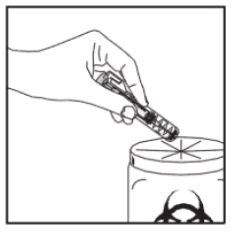
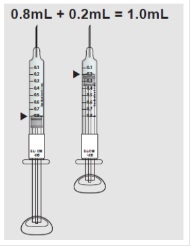
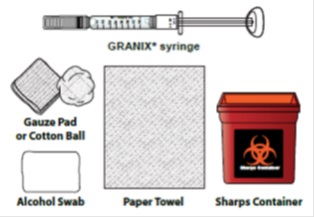
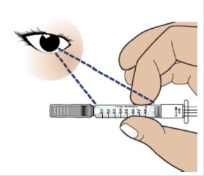
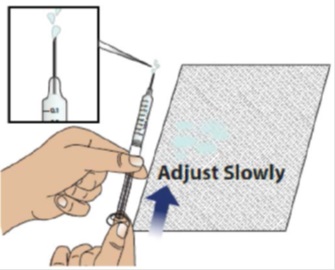
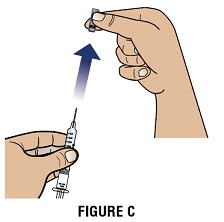
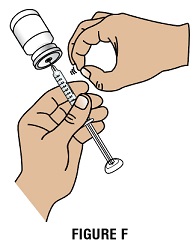
Advise all patients and/or caregivers to read the FDA-approved Patient Information. For patients that are candidates for self-administration, assist patients and caregivers in understanding the contents of the Patient Information as well as the GRANIX Instructions for Use that are included with the product, and give them the opportunity to ask questions prior to initiating therapy.
Patient Training
Once it is determined that a patient is an appropriate candidate for self-administration or administration by a caregiver, instruct the patient or caregivers on the proper storage, preparation, and administration technique for GRANIX. Patients should be advised not to skip or change their dose or stop taking GRANIX without talking to their healthcare provider first. Advise the patients to read the FDA-approved Patient Information and Instructions for Use for further information.
Bone Pain
Bone pain is common. Analgesics such as acetaminophen or NSAIDS may be necessary [see Adverse Reactions (6.1)].
Rupture or Enlargement of Spleen
Rupture or enlargement of the spleen may occur, which may be signaled by abdominal pain, left upper quadrant pain, or left shoulder pain. Advise patients to report onset of pain in these areas to their doctor immediately [see Warnings and Precautions (5.1)].
Dyspnea
Dyspnea with or without fever, progressing to Acute Respiratory Distress Syndrome, may occur. Advise patients to report dyspnea immediately to their doctor [see Warnings and Precautions (5.2)].
Allergic Reactions
Serious allergic reactions, including anaphylaxis, rash, and urticaria: Patients should report such reactions immediately to their doctor [see Warnings and Precautions (5.3)].
Sickle Cell Disorders
In patients with sickle cell disorders, sickle cell crisis and death has occurred. Discuss the potential risks and benefits for patients with sickle cell disorders prior to the administration of GRANIX [see Warnings and Precautions (5.4)].
Glomerulonephritis
Symptoms may include swelling of the face or ankles, dark colored urine or blood in the urine, or a decrease in urine production. Advise patients to report signs or symptoms of glomerulonephritis to their physician immediately [see Warnings and Precautions (5.5)].
Myelodysplastic Syndrome and Acute Myeloid Leukemia
There may be an increased risk of Myelodysplastic Syndrome and/or Acute Myeloid Leukemia in patients with congenital neutropenia who receive GRANIX and in patients with breast and lung cancer who receive GRANIX in conjunction with chemotherapy and/or radiation therapy. Symptoms of MDS and AML may include tiredness, fever, and easy bruising or bleeding. Advise patients to report to their physician signs and symptoms of MDS/AML [see Warnings and Precautions (5.8)].
Pregnancy
Inform patients not to become pregnant while receiving GRANIX. If pregnancy occurs, advise patients of the possibility of fetal harm [see Use in Specific Populations (8.1)].
Lactation
Advise women to avoid breastfeeding during treatment with GRANIX and for 2 weeks after the final dose. [see Use in Specific Populations (8.2)].
See FDA-approved Patient Labeling (Patient Information) and Instructions for Use.
TBO-010
©2023 Cephalon, Inc., a wholly owned subsidiary of Teva Pharmaceutical Industries Ltd. All rights reserved.
Manufactured by:
UAB Teva Baltics
Vilnius, Lithuania
U.S. License No. 1803
Distributed by:
Teva Pharmaceuticals USA, Inc.
North Wales, PA 19454
Product of Israel