Finasteride Tablet, Film Coated
Product Images NDC 63629-1585

View Photos of Packaging, Regulatory Labels, and Product Appearance

Product Visual Gallery

This gallery contains 6 technical images submitted to the FDA as part of the official labeling for Finasteride (NDC 63629-1585). Unlike standard consumer photos, these assets often include clinical data figures, molecular chemical structures, and official manufacturer packaging layouts.

As provided by Bryant Ranch Prepack, these visuals offer a comprehensive scientific overview of the product's physical and chemical identity, aiding pharmacists and researchers in product verification and study.

FDA Label Image

Figure 1 Symptom Score In A Long-term Efficacy And Safety Study (Finasteride Fig1)
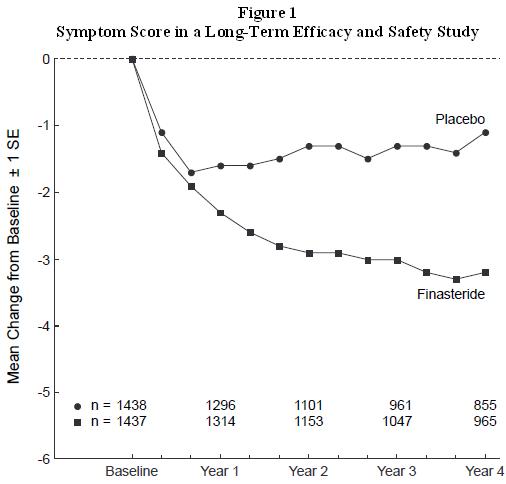
Figure 1 Symptom Score In A Long-term Efficacy And Safety Study (Finasteride Fig1)
This text provides data on the mean change from baseline with 1 SE (standard error) in a long-term efficacy and safety study comparing placebo to finasteride over four years. It shows symptom scores for each group at baseline, year 1, year 2, year 3, and year 4. The figures and numbers presented indicate how the symptoms changed over time in the study.*
FDA Label Image

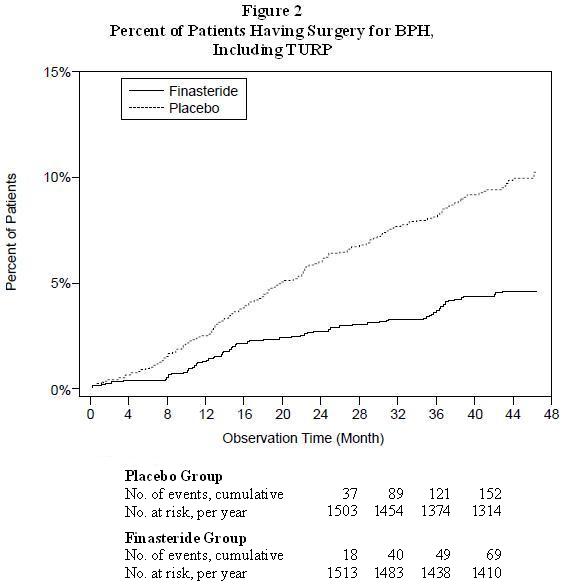
Figure 2 Percent Of Patients Having Surgery For Bph, Including Turp (Finasteride Fig2)

Figure 2 Percent Of Patients Having Surgery For Bph, Including Turp (Finasteride Fig2)
This information provides a comparison of the percentage of patients undergoing surgery for Benign Prostatic Hyperplasia (BPH) between the Finasteride and Placebo groups over different observation time points. The graphic (Figure 2) shows a decline in the percentage of patients needing surgery in the Finasteride group compared to the Placebo group. The data also includes the total number of events and the number at risk per year for each group. This data can be used to evaluate the effectiveness of Finasteride in reducing the need for surgery in patients with BPH.*
FDA Label Image

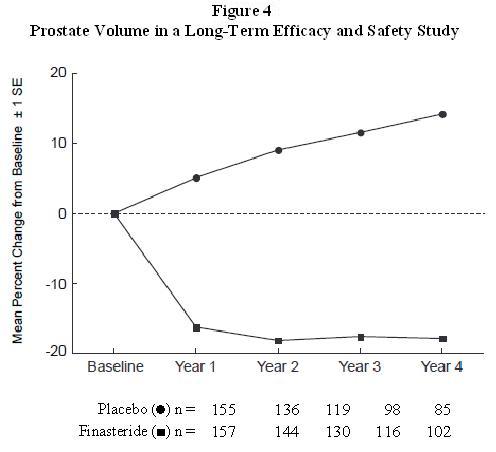
Figure 4 Prostate Volume In A Long-term Efficacy And Safety Study (Finasteride Fig3)

Figure 4 Prostate Volume In A Long-term Efficacy And Safety Study (Finasteride Fig3)
This text provides data on the mean percent change in prostate volume over a long-term efficacy and safety study. It shows the baseline volume and volumes at subsequent years for both the placebo group and the finasteride group. The values suggest a gradual decrease in prostate volume over the years for both groups, with finasteride showing a greater reduction compared to placebo. This information can be useful for evaluating the effectiveness of finasteride in treating prostate-related conditions.*
FDA Label Image

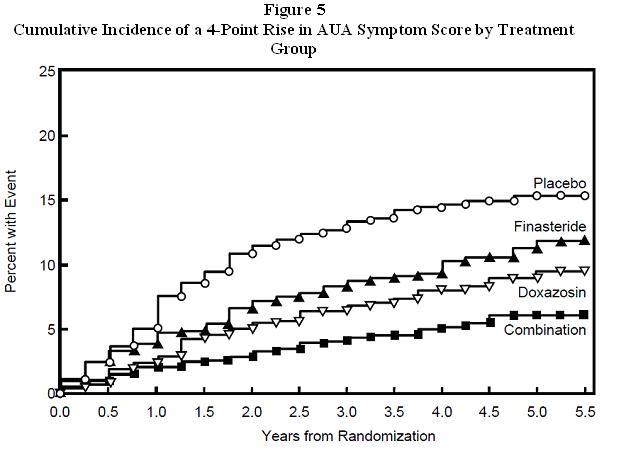
Figure 5 Cumulative Incidence Of A 4-point Rise In Aua Symptom Score By Treatment Group (Finasteride Fig4)

Figure 5 Cumulative Incidence Of A 4-point Rise In Aua Symptom Score By Treatment Group (Finasteride Fig4)
This is a graph presenting the Cumulative Incidence of a 4-Point Rise in AUA Symptom Score by Treatment Group over a period of years from Randomization. The y-axis represents the percentage of individuals experiencing the event (4-point rise in AUA Symptom Score) while the x-axis shows the years from randomization.*
FDA Label Image

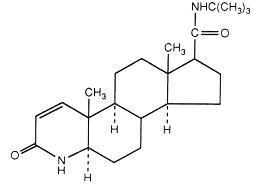
Chemical Structure (Finasteride Str)

FDA Label Image

Label Image (Lbl636291585)

Label Image (Lbl636291585)
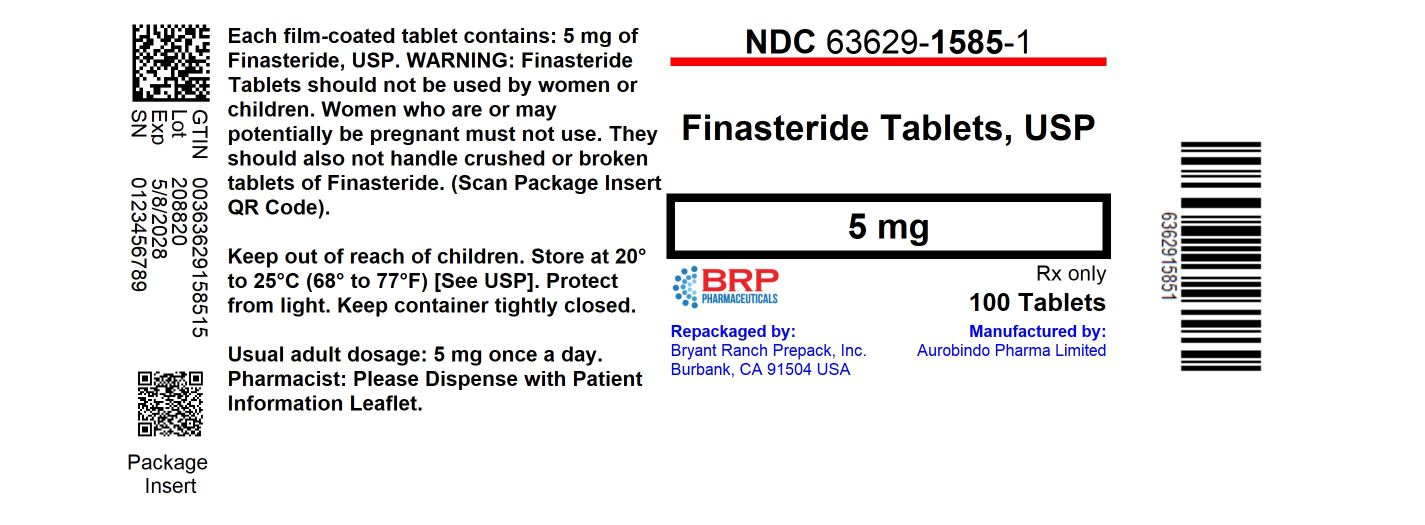
Each film-coated tablet contains 5 mg of Finasteride, USP (NDC 63629-1585-1). This medication is exclusively for men and should not be used by women or children, particularly women who are pregnant or may become pregnant. It is essential to keep these tablets out of reach of children and to store them at a temperature range between 20°C to 25°C (68°F to 77°F) away from light. The usual adult dosage is 5 mg once a day. Pharmacies should dispense this medication with a patient information leaflet.*

* These product label images have been analyzed using experimental machine learning. Please verify findings with the primary label text.