Altavera Kit
Product Images NDC 63629-2343
View Photos of Packaging, Regulatory Labels, and Product Appearance
Product Visual Gallery
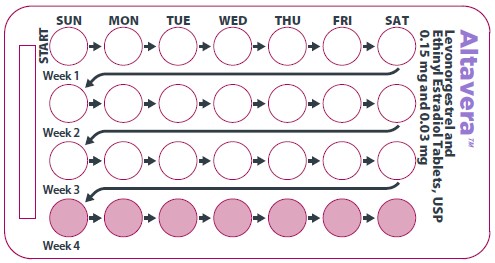
This gallery contains 6 technical images submitted to the FDA as part of the official labeling for Altavera (NDC 63629-2343). Unlike standard consumer photos, these assets often include clinical data figures, molecular chemical structures, and official manufacturer packaging layouts.
As provided by Bryant Ranch Prepack, these visuals offer a comprehensive scientific overview of the product's physical and chemical identity, aiding pharmacists and researchers in product verification and study.
Ethinyl-e-altavera (Ethinyl E Altavera)
Figure1-alta (Figure1 Alta)
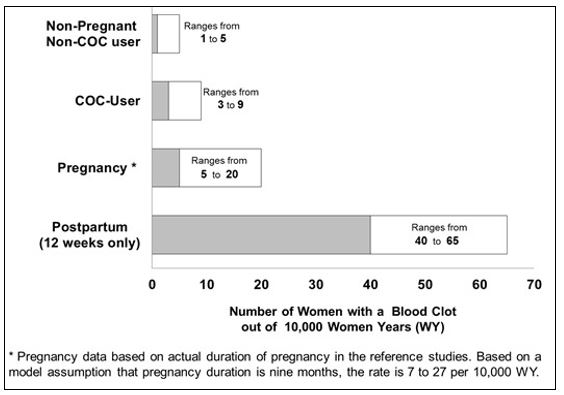
This text provides information on ranges for non-pregnant, non-COC users, COC users, pregnancy, and postpartum. It also includes the number of women with a blood clot out of 10,000 women years. The pregnancy data is based on the actual duration of pregnancy in the reference studies and rates are estimated to be between 7 to 27 per 10,000 WY based on a model assumption that pregnancy duration is nine months.*
Label (Lbl636292343)
Levonorgestrel and Ethinyl Estradiol Tablets is a pharmaceutical product that comes in a pack of 3 strips containing 28 tablets. Each strip contains 21 peach-colored levonorgestrel and ethinyl estradiol tablets that are active and 7 white inert tablets. The product is to be kept out of the reach of children and should be stored within the 20°C to 25°C range. The product is only available with a prescription. The identity code for this product is NDC 63629-2343-1.*
Levo-altavera (Levo Altavera)
Patient-guide-chart (Patient Guide Chart)
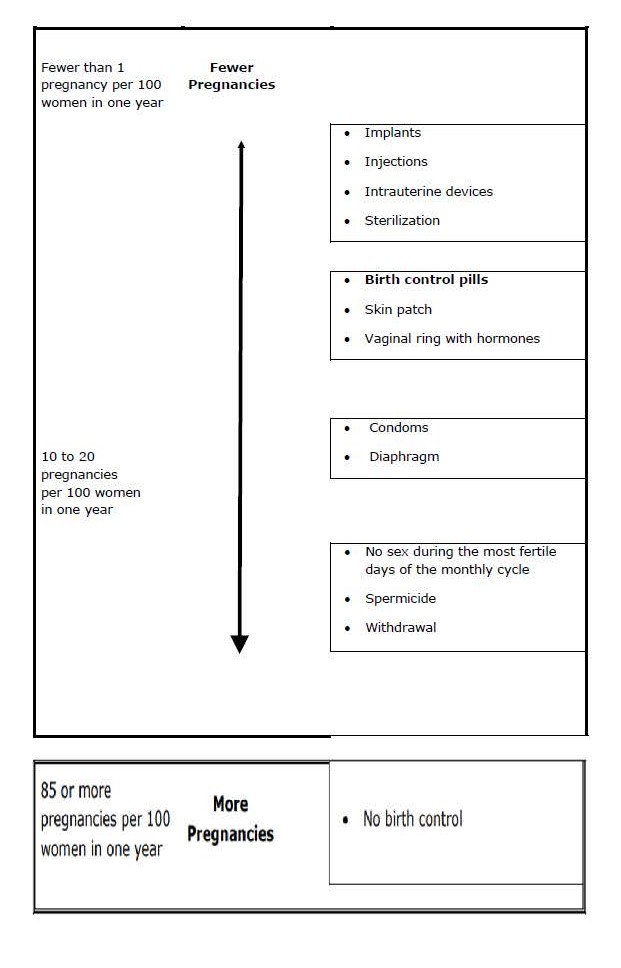
This is a chart showing the effectiveness of various contraceptive methods in preventing pregnancy. The methods include implants, injections, intrauterine devices, sterilization, birth control pills, skin patches, vaginal rings with hormones, condoms, diaphragms, spermicide, withdrawal, and the absence of birth control. The chart displays the number of pregnancies per 100 women in one year for each method, with the most effective methods showing fewer than one pregnancy per 100 women in one year.*
* These product label images have been analyzed using experimental machine learning. Please verify findings with the primary label text.