Gabapentin Capsule
Product Images NDC 63739-902

View Photos of Packaging, Regulatory Labels, and Product Appearance

Product Visual Gallery

This gallery contains 8 technical images submitted to the FDA as part of the official labeling for Gabapentin (NDC 63739-902). Unlike standard consumer photos, these assets often include clinical data figures, molecular chemical structures, and official manufacturer packaging layouts.

As provided by Mckesson Corporation Dba Sky Packaging, these visuals offer a comprehensive scientific overview of the product's physical and chemical identity, aiding pharmacists and researchers in product verification and study.

FDA Label Image

Gabapentin-100mg-cap1.jpg (Gabapentin 100mg Cap1)
Gabapentin-100mg-cap1.jpg (Gabapentin 100mg Cap1)
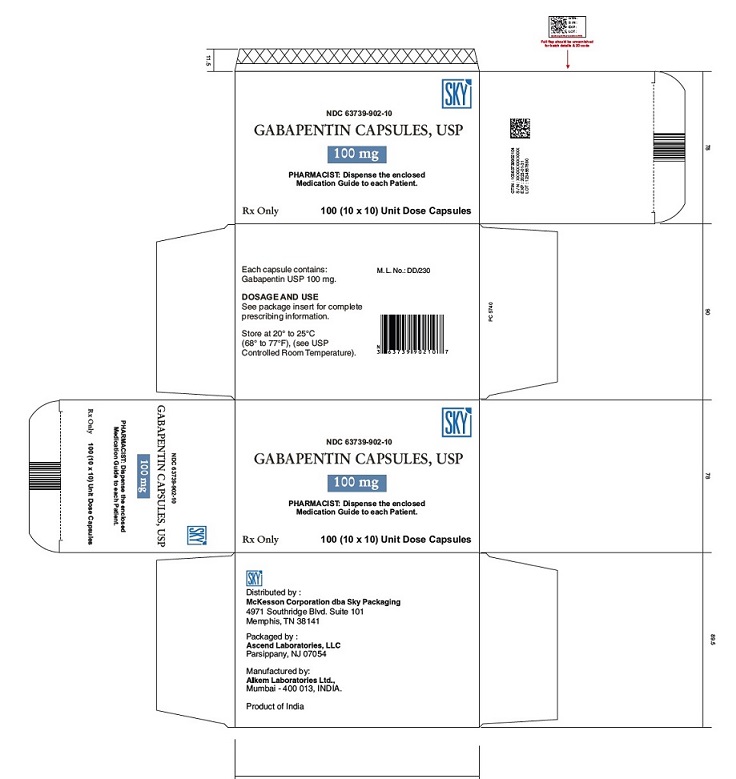
This description is for Gabapentin Capsules, USP, which are available in a pack of 100 capsules with a strength of 400 mg. Each capsule is a unit dose capsule and the pack has a total of 10x10 capsules. The manufacturer is not mentioned, but there is a reference to a company called McKesson Corporation db Sy Packaging. The capsule bottle must be stored at Controlled Room Temperature 20°C to 25°C. The other text appears to be random characters and is not relevant.*
FDA Label Image

Gabapentin-300mg-cap1.jpg (Gabapentin 300mg Cap1)

Gabapentin-300mg-cap1.jpg (Gabapentin 300mg Cap1)
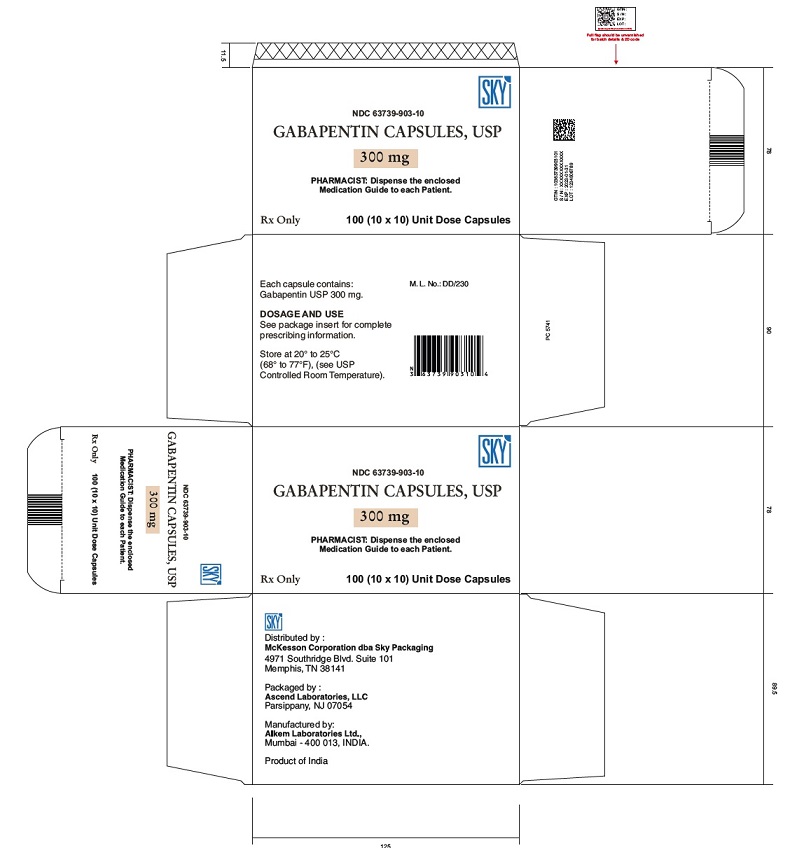
Gabapentin Capsules, USP is a medication that comes in a package of 100 unit dose capsules, each containing 300mg of Gabapentin USP. It is intended to be prescribed by a healthcare professional and stored at room temperature. The medication guide is provided to each patient who takes it. The manufacturing company is Hexion Corporation, doing business as Sy Packaging located in Tennessee.*
FDA Label Image

Gabapentin-400mg-cap1.jpg (Gabapentin 400mg Cap1)

Gabapentin-400mg-cap1.jpg (Gabapentin 400mg Cap1)
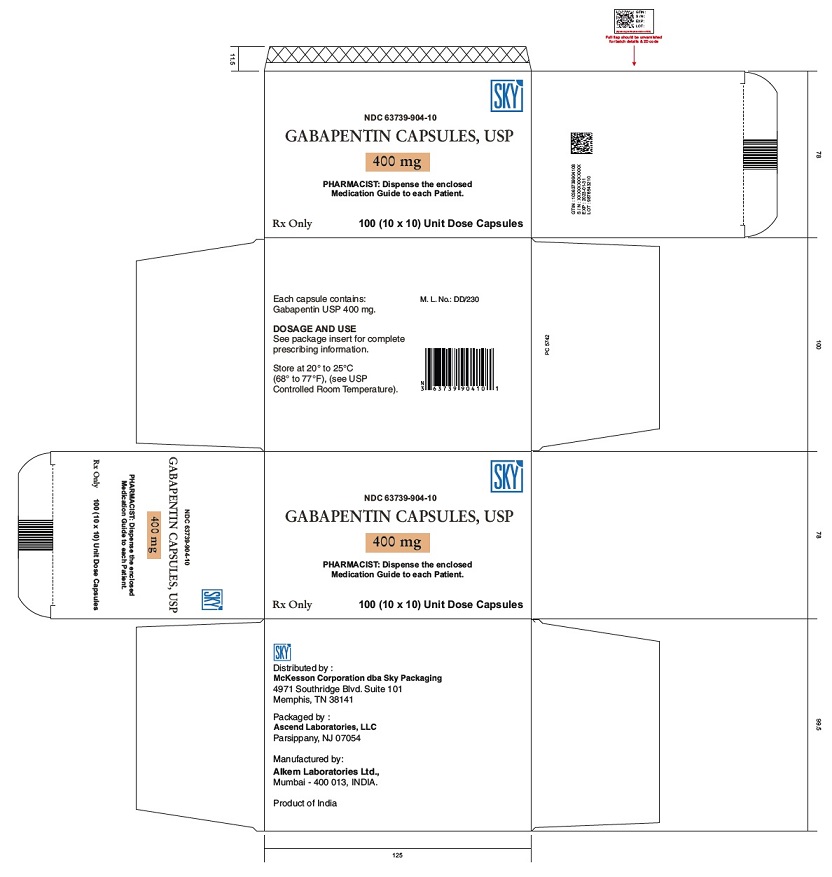
Gabapentin Capsules, USP, 400 mg, is a prescription medication used to treat nerve-related pain caused by shingles and epilepsy. Each package contains 100 (10 x10) unit dose capsules, and must be dispensed according to the enclosed education guide. The medication must be stored at controlled room temperature. The drug is manufactured by Akom Laboratories L. in India and distributed in the US by the pharmaceutical company Recodo Laboratories, L.*
FDA Label Image

Gabapentin-equation (Gabapentin Equation)

FDA Label Image

Gabapentin-fig1 (Gabapentin Fig1)

Gabapentin-fig1 (Gabapentin Fig1)
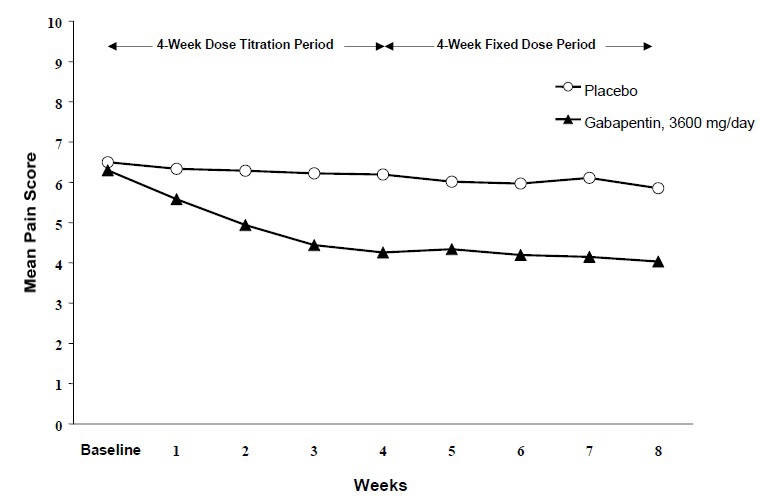
This appears to be a chart related to a study or experiment involving pain relief. The chart shows two periods of time, a four-week dose titration period and a four-week fixed dose period, with the mean pain score rated at 10. The chart also includes a comparison between a placebo and Gabapentin at 3600mg/day. Baseline 1 is also mentioned. It is likely that this chart represents data analysis of pain management medication.*
FDA Label Image

Gabapentin-fig2 (Gabapentin Fig2)

Gabapentin-fig2 (Gabapentin Fig2)
This is a table that shows the mean pain score of participants in a clinical trial. It has four different treatment groups: placebo, gabapentin 1800 mg/day, gabapentin 2400 mg/day, and a fixed dose period. The table displays two different periods: a dose titration period and a fixed dose period. The baseline measurement of pain score is also included.*
FDA Label Image

Gabapentin-fig3 (Gabapentin Fig3)

Gabapentin-fig3 (Gabapentin Fig3)
The text provides a figure showing the proportion of responders in controlled PHN studies based on pain score reduction. The figure indicates different percentage values between 10% and 100%. The study shows that up to 29% of patients in the study respond positively to interventions aimed at reducing pain scores. The text also mentions different GBP values associated with different interventions, including GBP 3600, GBP 1800, and GBP 2400. The text does not provide sufficient information to determine the exact nature of the study or the interventions used.*
FDA Label Image

Gabapentin-fig4.jpg (Gabapentin Fig4)

* These product label images have been analyzed using experimental machine learning. Please verify findings with the primary label text.