Renal Cell Carcinoma (RCC)
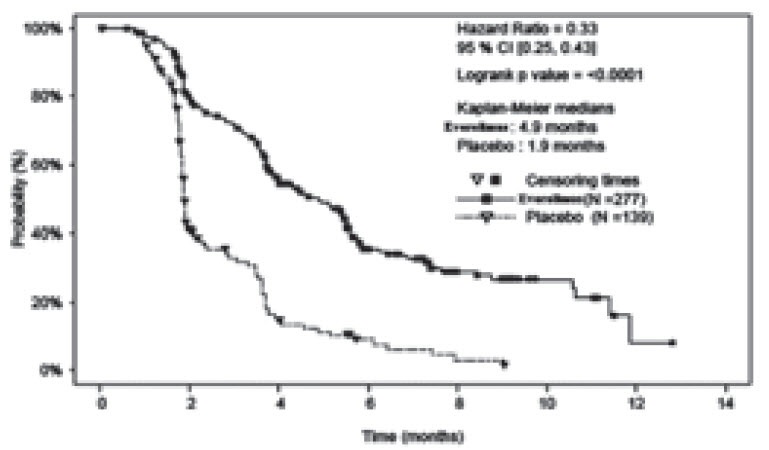
The data described below reflect exposure to everolimus tablets (n = 274) and placebo (n = 137) in a randomized, controlled trial (RECORD-1) in patients with metastatic RCC who received prior treatment with sunitinib and/or sorafenib. The median age of patients was 61 years (range 27 to 85 years), 88% were White, and 78% were male. The median duration of blinded study treatment was 141 days (19 to 451 days) for patients receiving everolimus tablets.
The most common adverse reactions (incidence ≥ 30%) were stomatitis, infections, asthenia, fatigue, cough, and diarrhea. The most common Grade 3-4 adverse reactions (incidence ≥ 3%) were infections, dyspnea, fatigue, stomatitis, dehydration, pneumonitis, abdominal pain, and asthenia. The most common laboratory abnormalities (incidence ≥ 50%) were anemia, hypercholesterolemia, hypertriglyceridemia, hyperglycemia, lymphopenia, and increased creatinine. The most common Grade 3-4 laboratory abnormalities (incidence ≥ 3%) were lymphopenia, hyperglycemia, anemia, hypophosphatemia, and hypercholesterolemia.
Deaths due to acute respiratory failure (0.7%), infection (0.7%), and acute renal failure (0.4%) were observed on the everolimus tablets arm. The rate of adverse reactions resulting in permanent discontinuation was 14% for the everolimus tablets group. The most common adverse reactions leading to treatment discontinuation were pneumonitis and dyspnea. Infections, stomatitis, and pneumonitis were the most common reasons for treatment delay or dose reduction. The most common medical interventions required during everolimus tablets treatment were for infections, anemia, and stomatitis.
Adverse reactions reported with an incidence of ≥ 10% for patients receiving everolimus tablets vs. placebo are presented in Table 12. Laboratory abnormalities are presented in Table 13.
Table 12: Adverse Reactions Reported in ≥ 10% of Patients with RCC and at a Higher Rate in the Everolimus Tablets Arm than in the Placebo Arm in RECORD-1
Grading according to NCI CTCAE Version 3.0
aStomatitis (including aphthous stomatitis), and mouth and tongue ulceration.
bIncludes all reported infections including, but not limited to, respiratory tract (upper and lower) infections, urinary tract infections, and skin infections.
cIncludes pneumonitis, interstitial lung disease, lung infiltration, pulmonary alveolar hemorrhage, pulmonary toxicity, and alveolitis.
dNo Grade 4 adverse reactions were reported. |
| Everolimus Tablets
N= 274
| Placebo
N= 137
|
| ALL Grades
%
| Grade 3-4
%
| ALL Grades
%
| Grade 3-4
%
|
Gastrointestinal
| |
| |
|
Stomatitisa
| 44
| 4
| 8
| 0
|
Diarrhea
| 30
| 2d
| 7
| 0
|
Nausea
| 26
| 2d
| 19
| 0
|
Vomiting
| 20
| 2d
| 12
| 0
|
Infectionsb
| 37
| 10
| 18
| 2
|
General
|
Asthenia
| 33
| 4
| 23
| 4
|
Fatigue
| 31
| 6d
| 27
| 4
|
Edema peripheral
| 25
| <1d
| 8
| <1d
|
Pyrexia
| 20
| <1d
| 9
| 0
|
Muscosal inflammation
| 19
| 2d
| 1
| 0
|
Respiratory, thoracic and mediastinal
|
Cough
| 30
| <1d
| 16
| 0
|
Dyspnea
| 24
| 8
| 15
| 3d
|
Epistaxis
| 18
| 0
| 0
| 0
|
Pneumonitisc
| 14
| 4d
| 0
| 0
|
Skin and subcutaneous tissue
|
Rash
| 29
| 1d
| 7
| 0
|
Pruritus
| 14
| <1d
| 7
| 0
|
Dry skin
| 13
| <1d
| 5
| 0
|
Metabolism and nutrition
|
Anorexia
| 25
| 2d
| 14
| <1d
|
Nervous system
| |
| |
|
Headache
| 19
| 1
| 9
| <1d
|
Dysgeusia
| 10
| 0
| 2
| 0
|
Musculoskeletal and connective tissue
|
Pain in extremity
| 10
| 1d
| 7
| 0
|
Other notable adverse reactions occurring more frequently with everolimus tablets than with placebo, but with an incidence of < 10% include:
Gastrointestinal: Abdominal pain (9%), dry mouth (8%), hemorrhoids (5%), dysphagia (4%)
General: Weight loss (9%), chest pain (5%), chills (4%), impaired wound healing (< 1%)
Respiratory, thoracic and mediastinal: Pleural effusion (7%), pharyngolaryngeal pain (4%), rhinorrhea (3%)
Skin and subcutaneous tissue: Hand-foot syndrome (reported as palmar-plantar erythrodysesthesia syndrome) (5%), nail disorder (5%), erythema (4%), onychoclasis (4%), skin lesion (4%), acneiform dermatitis (3%), angioedema (< 1%)
Metabolism and nutrition: Exacerbation of pre-existing diabetes mellitus (2%), new onset of diabetes mellitus (< 1%)
Psychiatric: Insomnia (9%)
Nervous system: Dizziness (7%), paresthesia (5%)
Ocular: Eyelid edema (4%), conjunctivitis (2%)
Vascular: Hypertension (4%), deep vein thrombosis (< 1%)
Renal and urinary: Renal failure (3%)
Cardiac: Tachycardia (3%), congestive cardiac failure (1%)
Musculoskeletal and connective tissue: Jaw pain (3%)
Hematologic: Hemorrhage (3%)
Table 13: Selected Laboratory Abnormalities Reported in Patients with RCC at a Higher Rate in the Everolimus Tablets Arm than the Placebo Arm in RECORD-1
Grading according to NCI CTCAE Version 3.0
aReflects corresponding adverse drug reaction reports of anemia, leukopenia, lymphopenia, neutropenia, and thrombocytopenia (collectively pancytopenia), which occurred at lower frequency.
bNo Grade 4 laboratory abnormalities were reported. |
Laboratory
Parameter
| Everolimus Tablets
N= 274
| Placebo
N= 137
|
ALL Grades
%
| Grade 3-4
%
| ALL Grades
%
| Grade 3-4
%
|
Hemetologya
| |
| |
|
Anemia
| 92
| 13
| 79
| 6
|
Lymphopenia
| 51
| 18
| 28
| 5
|
Thrombocytopenia
| 23
| 1b
| 2
| <1
|
Neutropenia
| 14
| <1
| 4
| 0
|
Chemistry
|
|
|
|
|
Hypercholesterolemia
| 77
| 4b
| 35
| 0
|
Hypertriglyceridemia
| 73
| <1b
| 34
| 0
|
Hyperglycemia
| 57
| 16
| 25
| 2b
|
Increased creatinine increased
| 50
| 2b
| 34
| 0
|
Hypophosphatemia
| 37
| 6b
| 8
| 0
|
Increased AST
| 25
| 1
| 7
| 0
|
Increased ALT
| 21
| 1b
| 4
| 0
|
Hyperbilirubinemia
| 3
| 1
| 2
| 0
|
Tuberous Sclerosis Complex (TSC)-Associated Renal Angiomyolipoma
The data described below are based on a randomized (2:1), double-blind, placebo-controlled trial (EXIST-2) of everolimus tablets in 118 patients with renal angiomyolipoma as a feature of TSC (n = 113) or sporadic lymphangioleiomyomatosis (n = 5). The median age of patients was 31 years (18 to 61 years), 89% were White, and 34% were male. The median duration of blinded study treatment was 48 weeks (2 to 115 weeks) for patients receiving everolimus tablets.
The most common adverse reaction reported for everolimus tablets (incidence ≥ 30%) was stomatitis. The most common Grade 3-4 adverse reactions (incidence ≥ 2%) were stomatitis and amenorrhea. The most common laboratory abnormalities (incidence ≥ 50%) were hypercholesterolemia, hypertriglyceridemia, and anemia. The most common Grade 3-4 laboratory abnormality (incidence ≥ 3%) was hypophosphatemia.
The rate of adverse reactions resulting in permanent discontinuation was 3.8% in the everolimus tablets-treated patients. Adverse reactions leading to permanent discontinuation in the everolimus tablets arm were hypersensitivity/angioedema/bronchospasm, convulsion, and hypophosphatemia. Dose adjustments (interruptions or reductions) due to adverse reactions occurred in 52% of everolimus tablets-treated patients. The most common adverse reaction leading to everolimus tablets dose adjustment was stomatitis.
Adverse reactions reported with an incidence of ≥ 10% for patients receiving everolimus tablets and occurring more frequently with everolimus tablets than with placebo are presented in Table 14. Laboratory abnormalities are presented in Table 15.
Table 14: Adverse Reactions Reported In ≥ 10% Of Everolimus Tablets-Treated Patients With TSC-Associated Renal Angiomyolipoma In EXIST-2
Grading according to NCI CTCAE version 3.0
aIncludes stomatitis, aphthous stomatitis, mouth ulceration, ginginal pain, glossitis, and glossodynia.
bNo grade 4 adverse reactions were reported.
|
| Everolimus Tablets
N= 79
| Placebo
N= 39
|
ALL Grades
%
| Grade
3-4
%
| ALL Grades
%
| Grade 3-4
%
|
Gastrointestinal
| |
| |
|
Stomatitisa
| 78
| 6b
| 23
| 0
|
Vomiting
| 15
| 0
| 5
| 0
|
Diarrhea
| 14
| 0
| 5
| 0
|
General
|
|
|
|
|
Peripheral edema
| 13
| 0
| 8
| 0
|
Infections
|
|
|
|
|
Upper respiratory tract infection
| 11
| 0
| 5
| 0
|
Musculoskeletal and connective tissue
|
|
|
|
|
Arthralgia
| 13
| 0
| 5
| 0
|
Respiratory, thoratic and mediastinal
|
|
|
|
|
Cough
| 20
| 0
| 13
| 0
|
Skin and subcutaneous tissue
|
|
|
|
|
Acne
| 22
| 0
| 5
| 0
|
Amenorrhea occurred in 15% of everolimus tablets-treated females (8 of 52). Other adverse reactions involving the female reproductive system were menorrhagia (10%), menstrual irregularities (10%), and vaginal hemorrhage (8%).
The following additional adverse reactions occurred in less than 10% of everolimus tablets-treated patients: epistaxis (9%), decreased appetite (6%), otitis media (6%), depression (5%), abnormal taste (5%), increased blood luteinizing hormone (LH) levels (4%), increased blood follicle stimulating hormone (FSH) levels (3%), hypersensitivity (3%), ovarian cyst (3%), pneumonitis (1%), and angioedema (1%).
Updated safety information from 112 patients treated with everolimus tablets for a median duration of 3.9 years identified the following additional adverse reactions and selected laboratory abnormalities: increased partial thromboplastin time (63%), increased prothrombin time (40%), decreased fibrinogen (38%), urinary tract infection (31%), proteinuria (18%), abdominal pain (16%), pruritus (12%), gastroenteritis (12%), myalgia (11%), and pneumonia (10%).
Table 15: Selected Laboratory Abnormalities Reported in Everolimus Tablets-Treated Patients with TSC-Associated Renal Angiomyolipoma in EXIST-2
Grading according to NCI CTCAE Version 3.0
aNo Grade 4 laboratory abnormalities were reported.
|
| Everolimus Tablets
N= 79
| Placebo
N= 39
|
| ALL
Grades
%
| Grade
3-4
%
| ALL
Grades
%
| Grade
3-4
%
|
Hematology
| |
| |
|
Anemia
| 61
| 0
| 49
| 0
|
Leukopenia
| 37
| 0
| 21
| 0
|
Neutropenia
| 25
| 1
| 26
| 0
|
Lymphopenia
| 20
| 1a
| 8
| 0
|
Thrombocytopeina
| 19
| 0
| 3
| 0
|
Chemistry
|
|
|
|
|
Hypercholesterolemia
| 85
| 1a
| 46
| 0
|
Hypertriglyceridemia
| 52
| 0
| 10
| 0
|
Hypophosphatemia
| 49
| 5a
| 15
| 0
|
Increased alkaline phosphatase
| 32
| 1a
| 10
|
|
Increased AST
| 23
| 1a
| 8
| 0
|
Increased ALT
| 20
| 1a
| 15
| 0
|
Hyperglycemia (fasting)
| 14
| 0
| 8
| 0
|
Updated safety information from 112 patients treated with everolimus tablets for a median duration of 3.9 years identified the following additional adverse reactions and selected laboratory abnormalities: increased partial thromboplastin time (63%), increased prothrombin time (40%), decreased fibrinogen (38%), urinary tract infection (31%), proteinuria (18%), abdominal pain (16%), pruritus (12%), gastroenteritis (12%), myalgia (11%), and pneumonia (10%).
TSC-Associated Subependymal Giant Cell Astrocytoma (SEGA)
The data described below are based on a randomized (2:1), double-blind, placebo-controlled trial (EXIST-1) of everolimus tablets in 117 patients with SEGA and TSC. The median age of patients was 9.5 years (0.8 to 26 years), 93% were White, and 57% were male. The median duration of blinded study treatment was 52 weeks (24 to 89 weeks) for patients receiving everolimus tablets.
The most common adverse reactions reported for everolimus tablets (incidence ≥ 30%) were stomatitis and respiratory tract infection. The most common Grade 3-4 adverse reactions (incidence ≥ 2%) were stomatitis, pyrexia, pneumonia, gastroenteritis, aggression, agitation, and amenorrhea. The most common laboratory abnormalities (incidence ≥ 50%) were hypercholesterolemia and elevated partial thromboplastin time. The most common Grade 3-4 laboratory abnormality (incidence ≥ 3%) was neutropenia.
There were no adverse reactions resulting in permanent discontinuation. Dose adjustments (interruptions or reductions) due to adverse reactions occurred in 55% of everolimus tablets-treated patients. The most common adverse reaction leading to everolimus tablets dose adjustment was stomatitis.
Adverse reactions reported with an incidence of ≥ 10% for patients receiving everolimus tablets and occurring more frequently with everolimus tablets than with placebo are reported in Table 16. Laboratory abnormalities are presented in Table 17.
Table 16: Adverse Reactions Reported in ≥ 10% of Everolimus Tablets -Treated Patients with TSC-Associated SEGA in EXIST-1
Grading according to NCI CTCAE Version 3.0
a Includes mouth ulceration, stomatitis, and lip ulceration
b Includes respiratory tract infection, upper respiratory tract infection, and respiratory tract infection viral
c Includes gastroenteritis, viral, and gastrointestinal infection
d Includes agitation, anxiety, painc attack, aggression, abnormal behavior, and obsessive compulsive disorder
e Includes rash, rash generalized, rash macular, rash maculo-papular, rash popular, dermatitis allergic, and urticaria
f No Grade 4 adverse reactions were reported. |
| Everolimus Tablets
N= 79
| Placebo
N= 39
|
| ALL
Grades
%
| Grade
3-4
%
| ALL
Grades
%
| Grade
3-4
%
|
Gastrointestinal
|
Stomatitisa
| 62
| 9f
| 26
| 3f
|
Vomiting
| 22
| 1f
| 13
| 0
|
Diarrhea
| 17
| 0
| 5
| 0
|
Constipation
| 10
| 0
| 3
| 0
|
Infections
|
Respiratory tract
|
|
|
|
|
infectionb
| 31
| 3
| 23
| 0
|
Gastroenteritisc
| 10
| 5
| 3
| 0
|
Pharyngitis streptococcal
| 10
| 0
| 3
| 0
|
General
|
Pyrexia
| 23
| 6f
| 18
| 3f
|
Fatigue
| 14
| 0
| 3
| 0
|
Psychiatric
|
Anxiety aggression or other behavioral disturbanced
| 21
| 5f
| 3
| 0
|
Skin and subcutaneous tissue
|
Rashe
| 21
| 0
| 8
| 0
|
Acne
| 10
| 0
| 5
| 0
|
Amenorrhea occurred in 17% of everolimus tablets-treated females aged 10 to 55 years (3 of 18). For this same group of everolimus tablets-treated females, the following menstrual abnormalities were reported: dysmenorrhea (6%), menorrhagia (6%), metrorrhagia (6%), and unspecified menstrual irregularity (6%).
The following additional adverse reactions occurred in less than 10% of everolimus tablets-treated patients: nausea (8%), pain in extremity (8%), insomnia (6%), pneumonia (6%), epistaxis (5%), hypersensitivity (3%), inreased blood luteinizing hormone (LH) levels (1%), and pneumonitis (1%).
Amenorrhea occurred in 17% of everolimus tablets-treated females aged 10 to 55 years (3 of 18). For this same group of everolimus tablets-treated females, the following menstrual abnormalities were reported: dysmenorrhea (6%), menorrhagia (6%), metrorrhagia (6%), and unspecified menstrual irregularity (6%).
The following additional adverse reactions occurred in less than 10% of everolimus tablets-treated patients: nausea (8%), pain in extremity (8%), insomnia (6%), pneumonia (6%), epistaxis (5%), hypersensitivity (3%), inreased blood luteinizing hormone (LH) levels (1%), and pneumonitis (1%).
Table 17: Selected Laboratory Abnormalities reported in everolimus Tablets-Treated patients with TSC-Associated SEGA in EXIST-1
Grading according to NCI CTCAE Version 3.0
a No Grade 4 laboratory abnormalities were reported. |
|
Everolimus Tablets
N= 78 |
Placebo
N= 39 |
|
ALL
Grades
%
|
Grade
3-4
%
|
ALL
Grades
%
|
Grade
3-4
%
|
Hematology |
|
|
|
|
Elevated partial thromboplastin time |
72
|
3a
|
44
|
5
|
Neutropenia
|
46
|
9a
|
41
|
3
|
Anemia
|
41
|
0
|
21
|
0
|
Chemistry
|
|
|
|
|
Hypercholesterolemia
|
81
|
0
|
39
|
0
|
Elevated AST
|
33
|
0
|
0
|
0
|
Hypertriglyceridemia
|
27
|
0
|
15
|
0
|
Elevated ALT
|
18
|
0
|
3
|
0
|
Hypophosphatemia |
9
|
1a
|
3
|
0
|
Updated safety information from 111 patients treated with everolimus tablets for a median duration of 47 months identified the following additional notable adverse reactions and selected laboratory abnormalities: decreased appetite (14%), hyperglycemia (13%), hypertension (11%), urinary tract infection (9%), decreased fibrinogen (8%), cellulitis (6%), abdominal pain (5%), decreased weight (5%), elevated creatinine (5%), and azoospermia (1%).
Specific Populations
No relationship was apparent between oral clearance and age or sex in patients with cancer.
Patients with Renal Impairment: No significant influence of creatinine clearance (25 to 178 mL/min) was detected on oral clearance (CL/F) of everolimus.
Patients with Hepatic Impairment: Compared to normal subjects, there was a 1.8-fold, 3.2-fold, and 3.6-fold increase in AUC for subjects with mild (Child-Pugh class A), moderate (Child-Pugh class B), and severe (Child-Pugh class C) hepatic impairment, respectively. In another study, the average AUC of everolimus in subjects with moderate hepatic impairment (Child-Pugh class B) was twice that found in subjects with normal hepatic function [see Dosage and Administration (2.10), Use in Specific Populations (8.6)].
Pediatric Patients: In patients with TSC-associated SEGA, the mean Cmin values normalized to mg/m2 dose in pediatric patients (< 18 years of age) were lower than those observed in adults, suggesting that everolimus clearance adjusted to BSA was higher in pediatric patients as compared to adults.
Race or Ethnicity: Based on a cross-study comparison, Japanese patients had on average exposures that were higher than non-Japanese patients receiving the same dose. Oral clearance (CL/F) is on average 20% higher in Black patients than in White patients.
Drug Interaction Studies
Effect of CYP3A4 and P-glycoprotein (P-gp) Inhibitors on Everolimus: Everolimus exposure increased when everolimus tablets were coadministered with:
- ketoconazole (a P-gp and strong CYP3A4 inhibitor) - Cmax and AUC increased by 3.9- and 15-fold, respectively.
- erythromycin (a P-gp and moderate CYP3A4 inhibitor) - Cmax and AUC increased by 2- and 4.4-fold, respectively.
- verapamil (a P-gp and moderate CYP3A4 inhibitor) - Cmax and AUC increased by 2.3- and 3.5-fold, respectively.
Effect of CYP3A4 and P-gp Inducers on Everolimus: The coadministration of everolimus tablets with rifampin, a P-gp and strong inducer of CYP3A4, decreased everolimus AUC by 63% and Cmax by 58% compared to everolimus tablets alone [see Dosage and Administration (2.12)].
Effect of Everolimus on CYP3A4 Substrates: No clinically significant pharmacokinetic interactions were observed between everolimus tablets and the HMG-CoA reductase inhibitors atorvastatin (a CYP3A4 substrate), pravastatin (a non-CYP3A4 substrate), and simvastatin (a CYP3A4 substrate).
The coadministration of an oral dose of midazolam (sensitive CYP3A4 substrate) with everolimus tablets resulted in a 25% increase in midazolam Cmax and a 30% increase in midazolam AUC0-inf.
The coadministration of everolimus tablets with exemestane increased exemestane Cmin by 45% and C2h by 64%; however, the corresponding estradiol levels at steady state (4 weeks) were not different between the 2 treatment arms. No increase in adverse reactions related to exemestane was observed in patients with hormone receptor-positive, HER2-negative advanced breast cancer receiving the combination.
The coadministration of everolimus tablets with long acting octreotide increased octreotide Cmin by approximately 50%.
Effect of Everolimus on Antiepileptic drugs (AEDs): Everolimus increased pre-dose concentrations of the carbamazepine, clobazam, oxcarbazepine, and clobazam’s metabolite N-desmethylclobazam by about 10%. Everolimus had no impact on pre-dose concentrations of AEDs that are substrates of CYP3A4 (e.g., clonazepam and zonisamide) or other AEDs, including valproic acid, topiramate, phenobarbital, and phenytoin.
Skin lesion response rates were assessed by local investigators for 77 patients in the everolimus tablets arm and 37 patients in the placebo arm who presented with skin lesions at study entry. The skin lesion response rate was statistically significantly higher in the everolimus tablets arm (26% vs. 0, p = 0.0011); all skin lesion responses were partial responses, defined as visual improvement in 50% to 99% of all skin lesions durable for at least 8 weeks (Physician's Global Assessment of Clinical Condition).
Patients randomized to placebo were permitted to receive everolimus tablets at the time of angiomyolipoma progression or after the time of the primary analysis. After the primary analysis, patients treated with everolimus tablets underwent additional follow-up CT or MRI scans to assess tumor status until discontinuation of treatment or completion of 4 years of follow-up after the last patient was randomized. A total of 112 patients (79 randomized to everolimus tablets and 33 randomized to placebo) received at least one dose of everolimus tablets. The median duration of everolimus tablets treatment was 3.9 years (0.5 months to 5.3 years) and the median duration of follow-up was 3.9 years (0.9 months to 5.4 years). During the follow-up period after the primary analysis, 32 patients (in addition to the 33 patients identified at the time of the primary analysis) had an angiomyolipoma response based upon independent central radiology review. Among the 65 responders out of 112 patients, the median time to angiomyolipoma response was 2.9 months (2.6 to 33.8 months). Fourteen percent of the 112 patients treated with everolimus tablets had angiomyolipoma progression by the end of the follow-up period. No patient underwent a nephrectomy for angiomyolipoma progression and one patient underwent renal embolization while treated with everolimus tablets.
Table 25: Subependymal Giant Cell Astrocytoma Response Rate in TSC-Associated SEGA in EXIST-1
| a Per independent central radiology review |
| Everolimus Tablets
N=78
| Placebo N=39
| p-value
|
Final analysis
| | | |
SEGA response ratea - (%)
| 35
| 0
| <0.0001
|
95% CI
| 24, 46
| 0, 9
|
|
Patients randomized to placebo were permitted to receive everolimus tablets at the time of SEGA progression or after the primary analysis, whichever occurred first. After the primary analysis, patients treated with everolimus tablets underwent additional follow-up MRI scans to assess tumor status until discontinuation of treatment or completion of 4 years of follow-up after the last patient was randomized. A total of 111 patients (78 patients randomized to everolimus tablets and 33 patients randomized to placebo) received at least one dose of everolimus tablets. Median duration of everolimus tablets treatment and follow-up was 3.9 years (0.2 to 4.9 years).
By four years after the last patient was enrolled, 58% of the 111 patients treated with everolimus tablets had a ≥ 50% reduction in SEGA volume relative to baseline, including 27 patients identified at the time of the primary analysis and 37 patients with a SEGA response after the primary analysis. The median time to SEGA response was 5.3 months (2.5 to 33.1 months). Twelve percent of the 111 patients treated with everolimus tablets had documented disease progression by the end of the follow-up period and no patient required surgical intervention for SEGA during the study.
Study 2485
Study 2485 (NCT00411619) was an open-label, single-arm trial conducted to evaluate the antitumor activity of everolimus tablets 3 mg/m2/orally once daily in patients with SEGA and TSC. Serial radiological evidence of SEGA growth was required for entry. Tumor assessments were performed every 6 months for 60 months after the last patient was enrolled or disease progression, whichever occurred earlier. The major efficacy outcome measure was the reduction in volume of the largest SEGA lesion with 6 months of treatment, as assessed via independent central radiology review. Progression was defined as an increase in volume of the largest SEGA lesion over baseline that was ≥ 25% over the nadir observed on study.
A total of 28 patients received everolimus tablets for a median duration of 5.7 years (5 months to 6.9 years); 82% of the 28 patients remained on everolimus tablets for at least 5 years. The median age was 11 years (3 to 34 years), 61% male, 86% White.
At the primary analysis, 32% of the 28 patients (95% CI: 16%, 52%) had an objective response at 6 months, defined as at least a 50% decrease in volume of the largest SEGA lesion. At the completion of the study, the median duration of durable response was 12 months (3 months to 6.3 years).
By 60 months after the last patient was enrolled, 11% of the 28 patients had documented disease progression. No patient developed a new SEGA lesion while on everolimus tablets. Nine additional patients were identified as having a ≥50% volumetric reduction in their largest SEGA lesion between 1 to 4 years after initiating everolimus tablets including 3 patients who had surgical resection with subsequent regrowth prior to receiving everolimus tablets.
PHARMACIST - DETACH HERE AND GIVE INSTRUCTIONS TO PATIENT |
PATIENT INFORMATION
EVEROLIMUS (E-ver-OH-li-mus) TABLETS |
| Read this Patient Information leaflet that comes with everolimus tablets before you start taking it and each time you get a refill. There may be new information. This information does not take the place of talking to your healthcare provider about your medical condition or treatment. |
What is the most important information I should know about everolimus tablets?
Everolimus tablets can cause serious side effects. These serious side effects include:
1. You may develop lung or breathing problems. In some people lung or breathing problems may be severe, and can even lead to death. Tell your healthcare provider right away if you have any of these symptoms: - New or worsening cough
- Shortness of breath
- Chest pain
- Difficulty breathing or wheezing
2. You may be more likely to develop an infection, such as pneumonia, or a bacterial, fungal or viral infection. Viral infections may include active hepatitis B in people who have had hepatitis B in the past (reactivation). In some people (including adults and children) these infections may be severe, and can even lead to death. You may need to be treated as soon as possible.
Tell your healthcare provider right away if you have a temperature of 100.5˚F or above, chills, or do not feel well.
Symptoms of hepatitis B or infection may include the following:
|
- Fever
- Chills
- Skin rash
- Joint pain and inflammation
- Tiredness
| - Loss of appetite
- Nausea
- Pale stools or dark urine
- Yellowing of the skin
- Pain in the upper right side of the stomach
|
3. Severe allergic reactions. Severe allergic reactions can happen in people who take everolimus tablets. Call your healthcare provider or get medical help right away if you get signs and symptoms of a severe allergic reaction including: rash, itching, hives, flushing, trouble breathing or swallowing, chest pain or dizziness.
4. Possible increased risk for a type of allergic reaction called angioedema, in people who take an Angiotensin-Converting Enzyme (ACE) inhibitor medicine during treatment with everolimus tablets. Talk with your healthcare provider before taking everolimus tablets if you are not sure if you take an ACE inhibitor medicine. Get medical help right away if you have trouble breathing or develop swelling of your tongue, mouth, or throat during treatment with everolimus tablets.
5. You may develop kidney failure. In some people this may be severe and can even lead to death. Your healthcare provider should do tests to check your kidney function before and during your treatment with everolimus tablets.
If you have any of the serious side effects listed above, you may need to stop taking everolimus tablets for a while or use a lower dose. Follow your healthcare provider’s instructions. |
What are everolimus tablets?
Everolimus tablets are a prescription medicine used to treat: - adults with advanced kidney cancer (renal cell carcinoma or RCC) when certain other medicines have not worked.
- people with the following types of tumors that are seen with a genetic condition called tuberous sclerosis complex (TSC):
- adults with a kidney tumor called angiomyolipoma, when their kidney tumor does not require surgery right away.
- adults and children 1 year of age and older with a brain tumor called subependymal giant cell astrocytoma (SEGA) when the tumor cannot be removed completely by surgery.
|
Who should not take everolimus tablets?
Do not take everolimus tablets if you have had a severe allergic reaction to everolimus.
Talk to your healthcare provider before taking this medicine if you are allergic to: - sirolimus (Rapamune®)
- temsirolimus (Torisel®)
Ask your healthcare provider if you do not know.
|
What should I tell my healthcare provider before taking everolimus tablets?
Before taking everolimus tablets, tell your healthcare provider about all of your medical conditions, including if you:
- Have or have had kidney problems
- Have or have had liver problems
- Have diabetes or high blood sugar
- Have high blood cholesterol levels
- Have any infections
- Previously had hepatitis B
- Are scheduled to receive any vaccinations. You should not receive a “live vaccine” or be around people who have recently received a “live vaccine” during your treatment with everolimus tablets. If you are not sure about the type of immunization or vaccine, ask your healthcare provider. For children with TSC and SEGA, work with your healthcare provider to complete the recommended childhood series of vaccines before your child starts treatment with everolimus tablets.
- Are pregnant, can become pregnant, or have a partner who can become pregnant. Everolimus tablets can cause harm to your unborn baby. If you are a female who is able to become pregnant you should use effective birth control during treatment and for 8 weeks after your last dose of everolimus tablets. If you are a male with a female partner, you should use effective birth control during treatment and for 4 weeks after your last dose of everolimus tablets. Talk to your healthcare provider about birth control methods that may be right for you during this time. If you become pregnant or think you are pregnant, tell your healthcare provider right away.
- Are breastfeeding or plan to breastfeed. It is not known if everolimus passes into your breast milk. Do not breastfeed during treatment and for 2 weeks after your last dose of everolimus tablets.
- Are planning to have surgery or if you have had a recent surgery. You should stop taking everolimus at least 1 week before planned surgery. See "What are the possible side effects of everolimus tablets?"
Tell your healthcare provider about all of the medicines you take, including prescription and over-the-counter medicines, vitamins, and herbal supplements.
Everolimus tablets may affect the way other medicines work, and other medicines can affect how everolimus tablets work. Taking everolimus tablets with other medicines can cause serious side effects.
Know the medicines you take. Keep a list of them and show it to your healthcare provider and pharmacist when you get a new medicine. Especially tell your healthcare provider if you take:
- St. John’s Wort (Hypericum perforatum)
- Medicine for:
- Fungal infections
- Bacterial infections
- Tuberculosis
- Seizures
- HIV-AIDS
- Heart conditions or high blood pressure
- Medicines that weaken your immune system (your body’s ability to fight infections and other problems)
Ask your healthcare provider or pharmacist if you are not sure if your medicine is one of those taken for the conditions listed above. If you are taking any medicines for the conditions listed above, your healthcare provider might need to prescribe a different medicine or your dose of everolimus tablets may need to be changed. You should also tell your healthcare provider before you start taking any new medicine.
|
How should I take everolimus tablets?
- Your healthcare provider will prescribe the dose of everolimus tablets that is right for you.
- Take everolimus tablets exactly as your healthcare provider tells you to.
- When you start treatment with everolimus tablets, your healthcare provider may also prescribe a mouthwash to reduce the likelihood of getting mouth ulcers or sores and to reduce their severity. Follow your healthcare provider’s instructions on how to use this prescription mouthwash.
- Your healthcare provider may change your dose of everolimus tablets or tell you to temporarily interrupt dosing, if needed.
- Take only everolimus tablets or everolimus tablets for oral suspension. Do not mix everolimus tablets and everolimus tablets for oral suspension together.
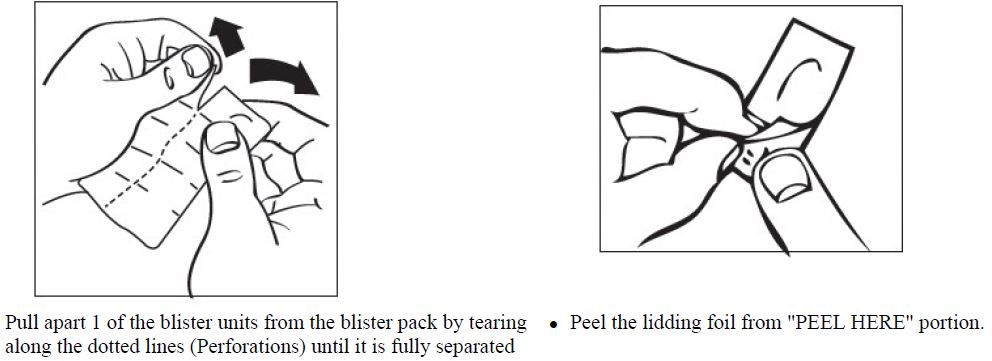
- See instructions at the end of this patient information sheet to open blister pack.
Everolimus Tablets:
- Swallow everolimus tablets whole with a glass of water. Do not take any tablet that is broken or crushed.
- Take everolimus tablets 1 time each day at about the same time.
- Take everolimus tablets the same way each time, either with food or without food.
- If you take too much everolimus tablets contact your healthcare provider or go to the nearest hospital emergency room right away. Take the pack of everolimus tablets with you.
- If you miss a dose of everolimus tablets, you may take it if it is less than 6 hours after the time you normally take it. If it is more than 6 hours after you normally take your everolimus tablets, skip the dose for that day. The next day, take everolimus tablets at your usual time. Do not take 2 doses to make up for a missed dose. If you are not sure about what to do, call your healthcare provider.
- You should have blood tests before you start everolimus tablets and as needed during your treatment. These will include tests to check your blood cell count, kidney and liver function, cholesterol, and blood sugar levels.
- If you take everolimus tablets to treat SEGA, you will also need to have blood tests regularly to measure how much medicine is in your blood. This will help your healthcare provider decide how much everolimus tablets you need to take.
|
What should I avoid while taking everolimus tablets?
You should not drink grapefruit juice or eat grapefruit during your treatment with everolimus tablets. It may make the amount of everolimus tablets in your blood increase to a harmful level. |
What are the possible side effects of everolimus tablets?
Everolimus tablets can cause serious side effects.
- See “What is the most important information I should know about everolimus tablets?” for more information.
- Risk of wound healing problems. Wounds may not heal properly during everolimus tablets treatment.Tell your healthcare provider if you plan to have any surgery before starting or during treatment with everolimus tablets.
- You should stop taking everolimus tablets at least 1 week before planned surgery.
- Your healthcare provider should tell you when you may start taking everolimus tablets again after surgery.
- Increased blood sugar and fat (cholesterol and triglyceride) levels in the blood. Your healthcare provider should do blood tests to check your fasting blood sugar, cholesterol, and triglyceride levels in the blood before you start and during treatment with everolimus tablets.
- Decreased blood cell counts. Everolimus tablets can cause you to have decreased red blood cells, white blood cells, and platelets. Your healthcare provider should do blood tests to check your blood cell counts before you start and during treatment with everolimus tablets.
The most common side effects of everolimus tablets in people with advanced kidney cancer include:
- Mouth ulcers. Everolimus tablets can cause mouth ulcers and sores. When you start treatment with everolimus tablets, your healthcare provider may tell you to also start a prescription mouthwash to reduce the likelihood of getting mouth ulcers or sores and to reduce their severity. Follow your healthcare provider’s instructions on how to use this prescription mouthwash. If you develop pain, discomfort, or open sores in your mouth, tell your healthcare provider. Your healthcare provider may tell you to re-start this mouthwash or to use a special mouthwash or mouth gel that does not contain alcohol, peroxide, iodine, or thyme.
|
- Infections
- Rash
- Feeling weak or tired
- Diarrhea
- Swelling of arms, hands, feet, ankles, face or other parts of the body
| - Stomach-area (abdominal) pain
- Nausea
- Fever
- Cough
- Headache
- Decreased appetite
|
The most common side effects of everolimus tablets in people who have SEGA, renal angiomyolipoma include:
- Mouth ulcers. Everolimus tablets can cause mouth ulcers and sores. When you start treatment with everolimus tablets, your healthcare provider may tell you to also start a prescription mouthwash to reduce the likelihood of getting mouth ulcers or sores and to reduce their severity. Follow your healthcare provider’s instructions on how to use this prescription mouthwash. If you develop pain, discomfort, or open sores in your mouth, tell your healthcare provider. Your healthcare provider may tell you to re-start this mouthwash or to use a special mouthwash or mouth gel that does not contain alcohol, peroxide, iodine, or thyme.
- Respiratory tract infections.
Other side effects that may occur with everolimus tablets:
- Absence of menstrual periods (menstruation). You may miss 1 or more menstrual periods. Tell your healthcare provider if this happens.
- Everolimus tablets may affect fertility in females and may affect your ability to become pregnant. Talk to your healthcare provider if this is a concern for you.
- Everolimus tablets may affect fertility in males and may affect your ability to father a child. Talk to your healthcare provider if this is a concern for you.
Tell your healthcare provider if you have any side effect that bothers you or does not go away.
These are not all the possible side effects of everolimus tablets. For more information, ask your healthcare provider or pharmacist.
Call your doctor for medical advice about side effects. You may report side effects to FDA at 1-800-FDA-1088.
|
How should I store everolimus tablets?
- Store everolimus tablets at room temperature, between 68°F to 77°F (20°C to 25°C).
- Keep everolimus tablets in the pack it comes in.
- Open the blister pack just before taking everolimus tablets.
- Keep everolimus tablets dry and away from light.
- Do not use everolimus tablets that are out of date or no longer needed.
Keep everolimus tablets and all medicines out of the reach of children.
|
General information about everolimus tablets
Medicines are sometimes prescribed for purposes other than those listed in a Patient Information leaflet. Do not use everolimus tablets for a condition for which it was not prescribed. Do not give everolimus tablets to other people, even if they have the same problem you have. It may harm them.
This leaflet summarizes the most important information about everolimus tablets. If you would like more information, talk with your healthcare provider. You can ask your healthcare provider or pharmacist for information written for healthcare professionals.
For more information call 1-800-367-3395 or go to www.bpirx.com. |
What are the ingredients in everolimus tablets?
Active ingredient: everolimus.
Inactive ingredients: anhydrous lactose, butylated hydroxytoluene, crospovidone, hypromellose, and magnesium stearate. |
How should I open everolimus tablets from child-resistant blister?
- Separate each unit of the blister individually through perforation and peel the lidding foil from “PEEL HERE” portion.
- Do not push everolimus tablets through the foil, may cause the tablet to break.
 Blister Opening Instruction (Everolimus Instru)
NATCO PHARMA LIMITED
Kothur- 509 228, India.
Distributed by:
Breckenridge Pharmaceutical, Inc.
Boca Raton, FL 33487
The brands listed are the trademarks or register marks of their respective owners and are not trademarks or register marks of Breckenridge Pharmaceutical, Inc.
|
This Patient Information has been approved by the U.S. Food and Drug Administration.