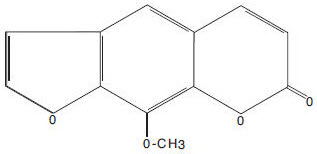
Three single-arm studies were performed to evaluate the effectiveness of photopheresis in the treatment of the skin manifestations of Cutaneous T-Cell Lymphoma (CTCL). In the first study (CTCL 1), 39 patients were treated with the oral formulation of methoxsalen in conjunction with the UVAR Photopheresis System. The second study (CTCL 2) was a 5-year post approval follow-up of 57 CTCL patients that was conducted to evaluate long-term safety. This study also used the oral dosage formulation of methoxsalen. In the third study (CTCL 3), 51 patients were treated with the UVADEX® formulation of methoxsalen in conjunction with the UVAR Photopheresis System. In study CTCL 3, 86% of the patients were Caucasian, the median age was 62 years, and the average number of prior therapies was 4.3
In study CTCL 1, prednisone up to 10 mg/day was permitted in addition to topical steroids. In CTCL 2, there was no concomitant medication restriction. In CTCL 3, topical steroids were permitted only for the treatment of fissures on the soles of the feet and the palms of hands. All other steroids, topical or systemic, were prohibited.
In all three studies, patients were initially treated on two consecutive days every four to five weeks. If the patient did not respond after four cycles, treatment was accelerated to two consecutive days every other week. If the patient did not respond after four cycles at the accelerated schedule, the patient was treated on two consecutive days every week. If the patient still did not respond after four cycles of weekly treatments, the schedule was increased to three consecutive days every week for three cycles. In study CTCL 3, 15 of the 17 responses were seen within six months of treatment. Only two patients responded to treatment after six months. Clinical experience does not extend beyond this treatment frequency and there is no evidence to show that treatment with UVADEX® beyond six months or using a different schedule provided additional benefit.
Overall skin scores were used in the clinical studies of photopheresis to assess the patient's response to treatment. The patient's baseline skin score was used for comparison with subsequent scores. A 25% reduction in skin score maintained for four consecutive weeks was considered a successful response to photopheresis therapy. Table 1 indicates the percent of successful responses within six months of beginning therapy for all patients who received at least one course of photopheresis. Only patients with patch plaque, extensive plaque and erythrodermic disease were enrolled in these studies. No patients with disease in the tumor phase were treated. There are no data available regarding the efficacy of UVADEX® in patients with disease in the tumor phase.
Table 1: Percentage of Successful Responses Within Six Months of Beginning TherapyStudy
Response % Within Six Months |
|---|
| CTCL 3 (UVADEX®) |
| 17/51 (33) |
| CTCL 2 (oral methoxsalen) |
| 16/57 (28) |
| CTCL 1 (oral methoxsalen) |
| 21/39 (54) |
Although the response rate with UVADEX® in CTCL 3 was similar to with oral methoxsalen in CTCL 2, the possibility that UVADEX® is inferior in efficacy to oral methoxsalen cannot be excluded due to the design and size of the clinical trials. The higher response rate with oral methoxsalen in CTCL 1 may be partly due to patients receiving more treatments (mean of 64 in CTCL 1, 31 in CTCL 2, and 20 in CTCL 3), and to the administration of systemic steroids in CTCL 1.
Retrospective analyses of three clinical benefit parameters from the Body Area Severity Scores in CTCL 3 suggested a correlation between skin score response and improvement in edema, scaling and resolution of fissures.