Other
Polyethylene Glycol 3350 and electrolytes for oral solution is indicated for bowel cleansing prior to colonoscopy and barium enema X-ray examination in adults
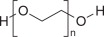
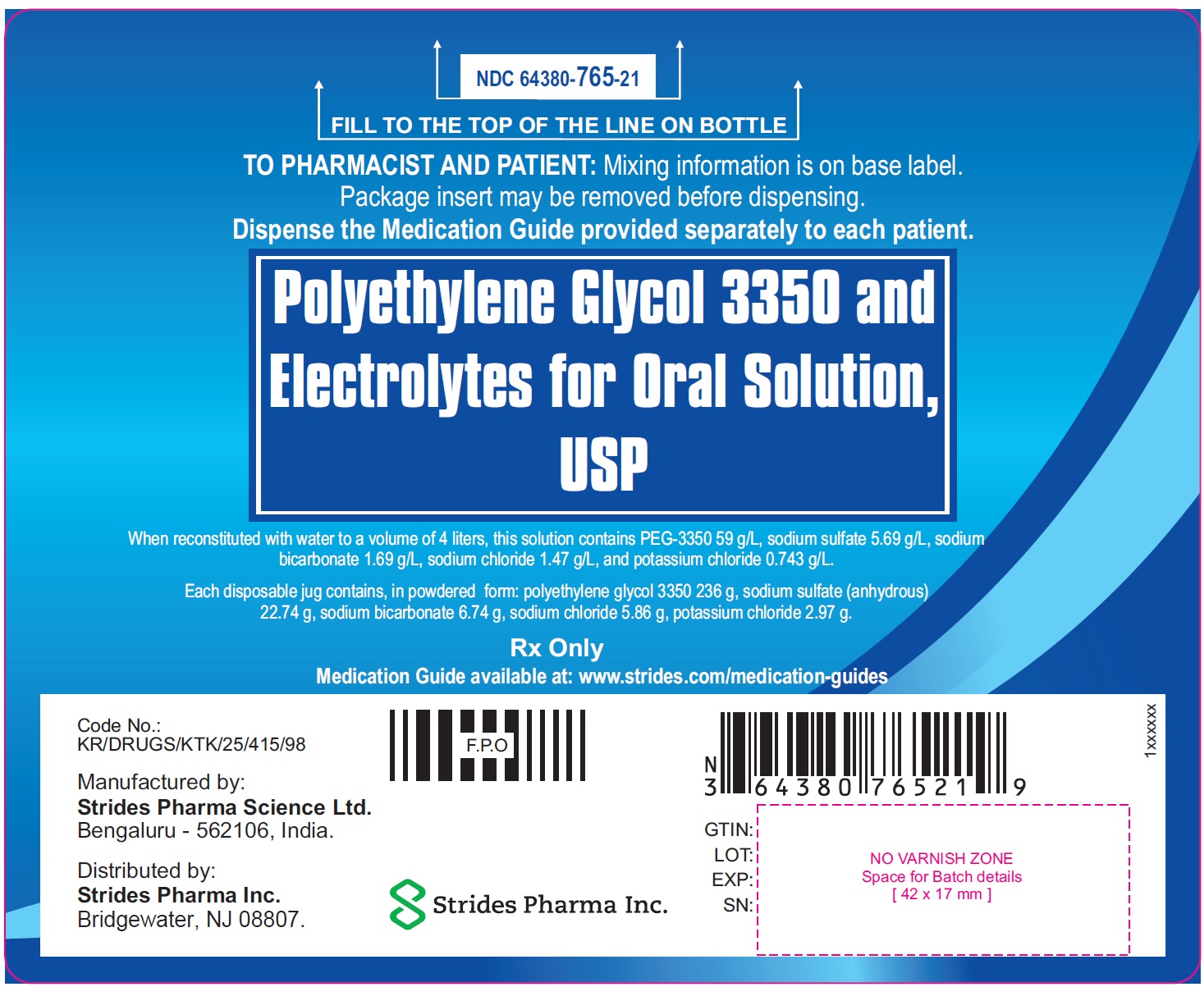
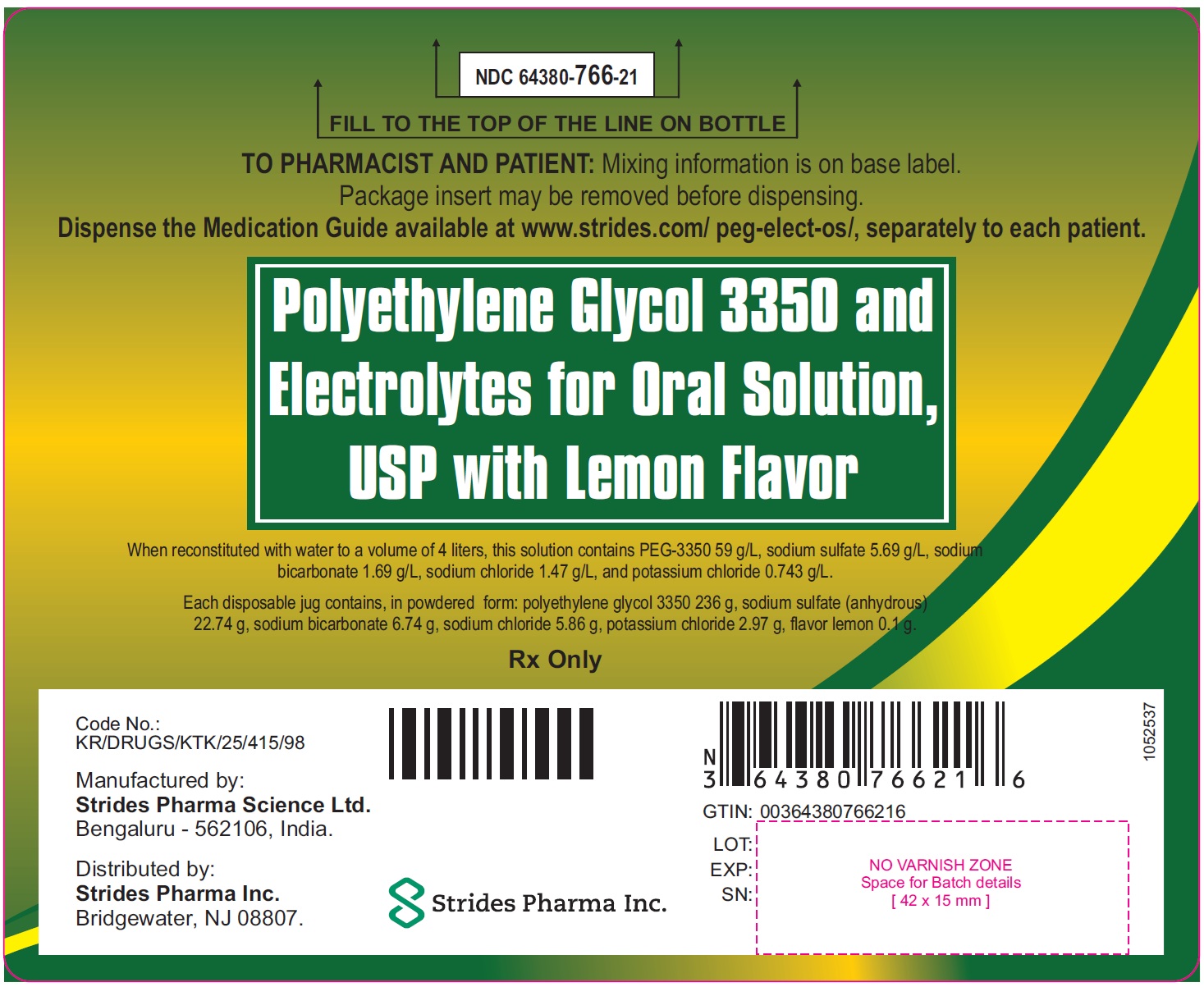
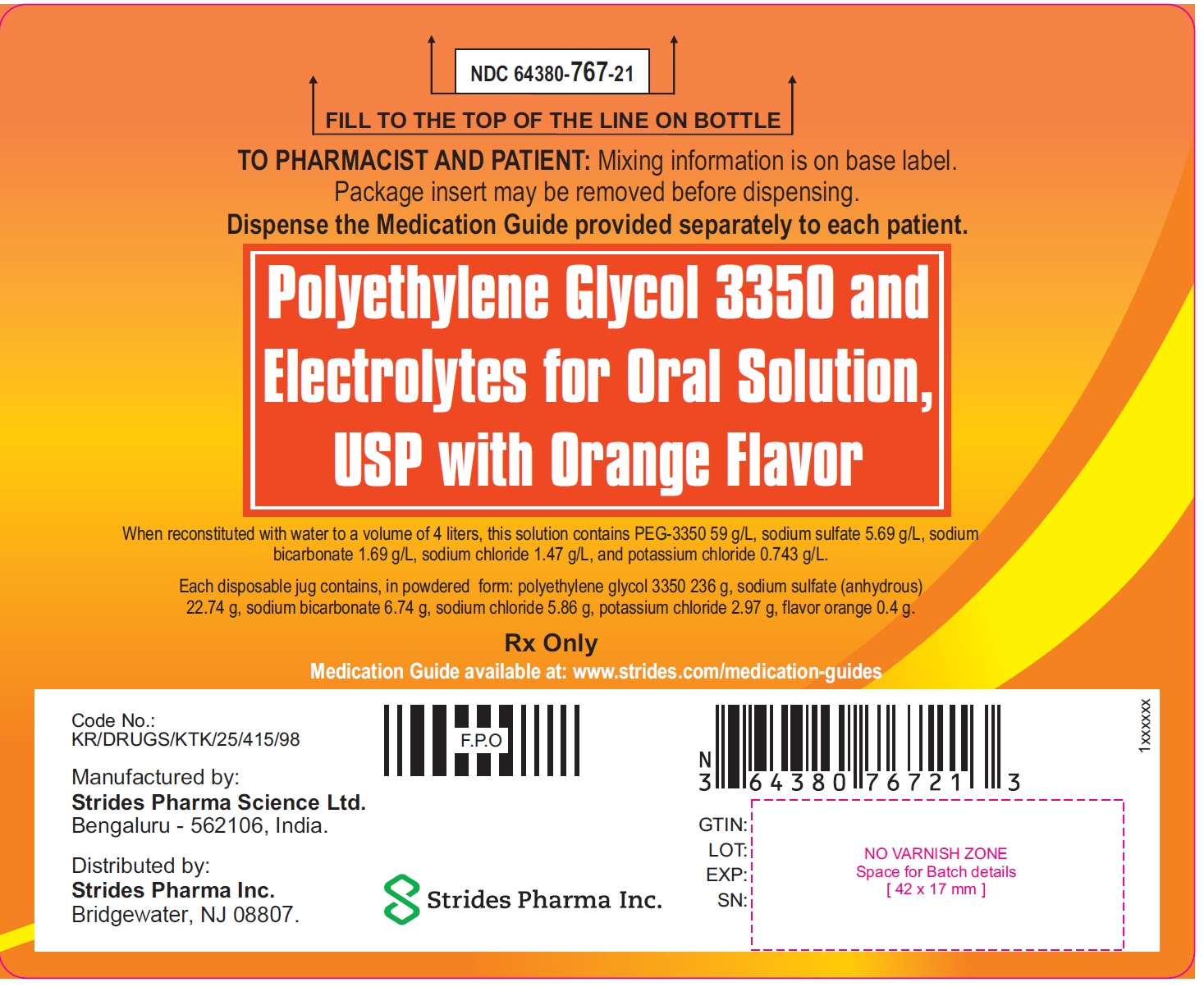
For Oral Solution: 236 g polyethylene glycol 3350, 22.74 g sodium sulfate (anhydrous), 6.74 g sodium bicarbonate, 5.86 g sodium chloride and 2.97 g potassium chloride as a white powder. When reconstituted with water to a volume of 4 liters, the solution contains 59 g/L PEG-3350, 5.69 g/L sodium sulfate, 1.69 g/L sodium bicarbonate, 1.47 g/L sodium chloride and 0.743 g/L potassium chloride (acesulfame potassium 0.2 g and flavor lemon 0.1 g for lemon flavor , acesulfame potassium 0.2 g and flavor orange 0.4 g for orange flavor).
Polyethylene Glycol 3350 and electrolytes for oral solution, is contraindicated in the following conditions:
- Gastrointestinal (GI) obstruction [see Warnings and Precautions (5.6)]
- Bowel perforation [see Warnings and Precautions (5.6)]
- Toxic colitis or toxic megacolon
- Gastric retention
- Ileus
- Hypersensitivity to any component of Polyethylene Glycol 3350 and electrolytes for oral solution [see Warnings and Precautions (5.8)]
- Renal impairment [see Warnings and Precautions (5.4)]
- Colonic mucosal ulcerations and ischemic colitis[see Warnings and Precautions (5.5)]
- Patients with significant gastrointestinal disease [see Warnings and Precautions (5.6)]
- Aspiration [see Warnings and Precautions (5.7)]
- Cardiovascular: arrhythmia, atrial fibrillation, peripheral edema, asystole, and acute pulmonary edema after aspiration[see Warnings and Precautions (5.2)].
- Nervous system: tremor, seizure[see Warnings and Precautions (5.3)]
- Hypersensitivity: Urticaria/rash, pruritus, dermatitis, rhinorrhea, dyspnea, chest and throat tightness, fever, angioedema, anaphylaxis and anaphylactic shock [see Contraindications (4), Warnings and Precautions (5.8)]
- Gastrointestinal: Nausea, abdominal fullness and bloating are the most common adverse reactions (occurred in up to 50% of patients). Other less common adverse reactions include: abdominal cramps, vomiting, "butterfly-like" infiltrates on chest X-ray after vomiting and aspirating PEG, anal irritation, and upper GI bleeding from Mallory-Weiss Tear, esophageal perforation [usually with gastroesophageal reflux disease (GERD).
The following clinically significant adverse reactions are described elsewhere in the labeling:
The following adverse reactions associated with the use of Polyethylene Glycol 3350 and electrolytes for oral solution were identified in clinical trials or postmarketing reports. Because these reactions are reported voluntarily from a population of uncertain size, it is not always possible to estimate their frequency, reliably, or establish a causal relationship to drug exposure.