Absorption
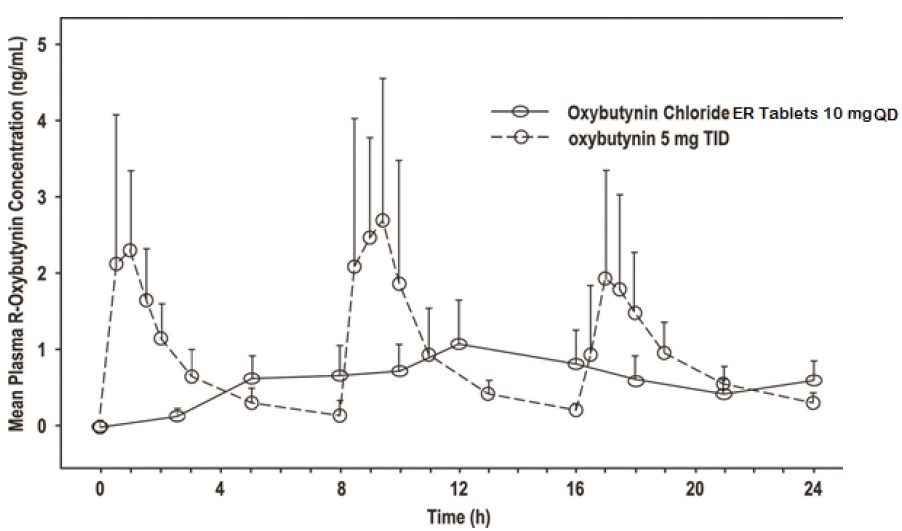
Following the first dose of oxybutynin chloride, oxybutynin plasma concentrations rise for 4 to 6 hours; thereafter steady concentrations are maintained for up to 24 hours, minimizing fluctuations between peak and trough concentrations associated with oxybutynin.
The relative bioavailabilities of R- and S-oxybutynin from oxybutynin chloride are 156% and 187%, respectively, compared with oxybutynin. The mean pharmacokinetic parameters for R- and S-oxybutynin are summarized in Table 2. The plasma concentration-time profiles for R- and S-oxybutynin are similar in shape; Figure 1 shows the profile for R-oxybutynin.
Table 2: Mean (SD) R- and S-Oxybutynin Pharmacokinetic Parameters Following a Single Dose of Oxybutynin Chloride 10 mg (n=43) |
Parameters (units) | R-Oxybutynin | S-Oxybutynin |
Cmax (ng/mL) | 1.0 | (0.6) | 1.8 | (1.0) |
Tmax (h) | 12.7 | (5.4) | 11.8 | (5.3) |
t1/2 (h) | 13.2 | (6.2) | 12.4 | (6.1) |
AUC(0-48) (ng•h/mL) | 18.4 | (10.3) | 34.2 | (16.9) |
AUCinf (ng•h/mL) | 21.3 | (12.2) | 39.5 | (21.2) |
Figure 1: Mean R-oxybutynin plasma concentrations following a single dose of oxybutynin chloride 10 mg and oxybutynin 5 mg administered every 8 hours (n=23 for each treatment).
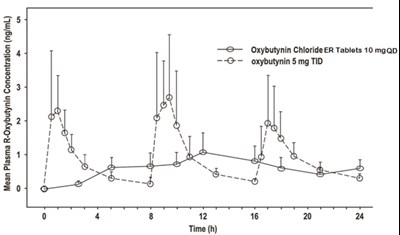
Figure 1 (Oxybutynin Chloride Extended Release Tablets Usp 2)
Steady-state oxybutynin plasma concentrations are achieved by Day 3 of repeated oxybutynin chloride dosing, with no observed drug accumulation or change in oxybutynin and desethyloxybutynin pharmacokinetic parameters.
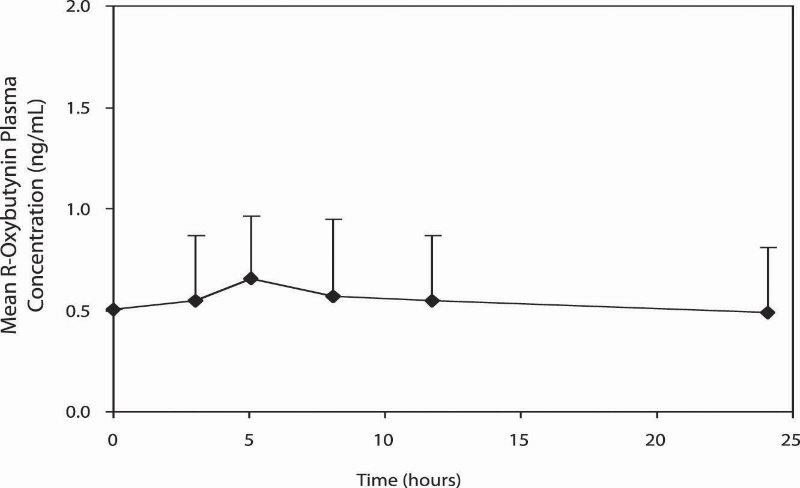
Oxybutynin chloride steady-state pharmacokinetics were studied in 19 children aged 5 to 15 years with detrusor overactivity associated with a neurological condition (e.g., spina bifida). The children were on oxybutynin chloride total daily dose ranging from 5 to 20 mg (0.10 to 0.77 mg/kg). Sparse sampling technique was used to obtain serum samples. When all available data are normalized to an equivalent of 5 mg per day of oxybutynin chloride, the mean pharmacokinetic parameters derived for R- and S-oxybutynin and R- and S-desethyloxybutynin are summarized in Table 3. The plasma-time concentration profiles for R- and S-oxybutynin are similar in shape; Figure 2 shows the profile for R-oxybutynin when all available data are normalized to an equivalent of 5 mg per day.
Table 3: Mean ± SD R- and S-Oxybutynin and R- and S-Desethyloxybutynin Pharmacokinetic Parameters in Children Aged 5-15 Following Administration of 5 to 20 mg Oxybutynin Chloride Once Daily (n=19), All Available Data Normalized to an Equivalent of Oxybutynin Chloride 5 mg Once Daily |
| R-Oxybutynin | S-Oxybutynin | R-Desethyloxybutynin | S-Desethyloxybutynin |
Cmax (ng/mL) | 0.7 ± 0.4 | 1.3 ± 0.8 | 7.8 ± 3.7 | 4.2 ± 2.3 |
Tmax (h) | 5.0 | 5.0 | 5.0 | 5.0 |
AUC (ng•h/mL) | 12.8 ± 7.0 | 23.7 ± 14.4 | 125.1 ± 66.7 | 73.6 ± 47.7 |
Figure 2: Mean steady-state (± SD) R-oxybutynin plasma concentrations following administration of 5 to 20 mg Oxybutynin Chloride once daily in children aged 5 to 15. Plot represents all available data normalized to an equivalent of Oxybutynin Chloride 5 mg once daily.
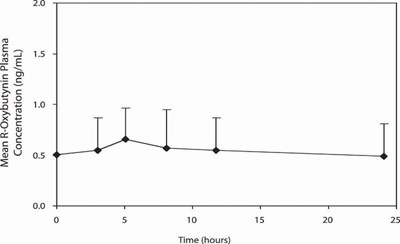
Figure 2 (Oxybutynin Chloride Extended Release Tablets Usp 3)
Food Effects
The rate and extent of absorption and metabolism of oxybutynin are similar under fed and fasted conditions.
Distribution
Oxybutynin is widely distributed in body tissues following systemic absorption. The volume of distribution is 193 L after intravenous administration of 5 mg oxybutynin chloride. Both enantiomers of oxybutynin are highly bound (>99%) to plasma proteins. Both enantiomers of N-desethyloxybutynin are also highly bound (>97%) to plasma proteins. The major binding protein is alpha-1 acid glycoprotein.
Metabolism
Oxybutynin is metabolized primarily by the cytochrome P450 enzyme systems, particularly CYP3A4 found mostly in the liver and gut wall. Its metabolic products include phenylcyclohexylglycolic acid, which is pharmacologically inactive, and desethyloxybutynin, which is pharmacologically active. Following oxybutynin chloride administration, plasma concentrations of R- and S-desethyloxybutynin are 73% and 92%, respectively, of concentrations observed with oxybutynin.
Excretion
Oxybutynin is extensively metabolized by the liver, with less than 0.1% of the administered dose excreted unchanged in the urine. Also, less than 0.1% of the administered dose is excreted as the metabolite desethyloxybutynin.
Dose Proportionality
Pharmacokinetic parameters of oxybutynin and desethyloxybutynin (Cmax and AUC) following administration of 5 to 20 mg of oxybutynin chloride are dose proportional.
Use in Specific Populations
Pediatric
The pharmacokinetics of oxybutynin chloride were evaluated in 19 children aged 5 to 15 years with detrusor overactivity associated with a neurological condition (e.g., spina bifida). The pharmacokinetics of oxybutynin chloride in these pediatric patients were consistent with those reported for adults (see Tables 2 and 3, and Figures 1 and 2 above).
Gender
There are no significant differences in the pharmacokinetics of oxybutynin in healthy male and female volunteers following administration of oxybutynin chloride.
Race
Available data suggest that there are no significant differences in the pharmacokinetics of oxybutynin based on race in healthy volunteers following administration of oxybutynin chloride.