Relistor Tablet
Product Images NDC 65649-150

View Photos of Packaging, Regulatory Labels, and Product Appearance

Product Visual Gallery

This gallery contains 62 technical images submitted to the FDA as part of the official labeling for Relistor (NDC 65649-150). Unlike standard consumer photos, these assets often include clinical data figures, molecular chemical structures, and official manufacturer packaging layouts.

As provided by Salix Pharmaceuticals, Inc., these visuals offer a comprehensive scientific overview of the product's physical and chemical identity, aiding pharmacists and researchers in product verification and study.

Product Images & Figures Index

FDA Label Image

Figure1 (Figure1)

Figure1 (Figure1)
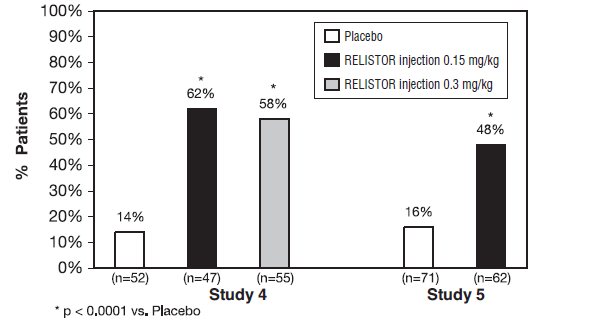
Bar chart showing patient response percentages in two clinical studies for Relistor injection at doses of 0.15 mg/kg and 0.3 mg/kg compared to placebo. Study 4 shows approximately 62% response for 0.15 mg/kg, 58% for 0.3 mg/kg, and 14% for placebo. Study 5 shows 48% response for 0.15 mg/kg dose and 16% for placebo. The chart highlights statistically significant differences versus placebo.*
FDA Label Image

Figurea2.jpg (Figurea2)

Figurea2.jpg (Figurea2)
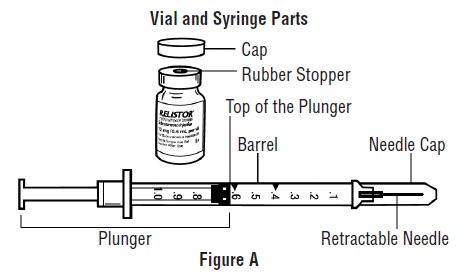
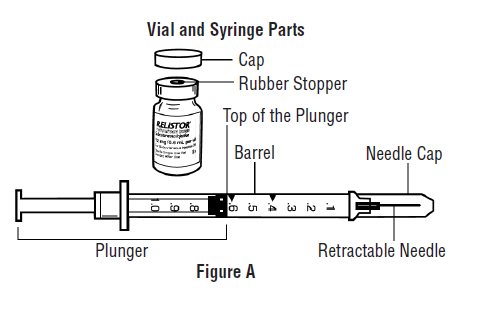
An instructional diagram labeled 'Figure A' illustrating the parts of a vial and syringe for Relistor injection. It details components including the vial's cap and rubber stopper, the top of the syringe plunger, barrel with measurement markings, plunger, retractable needle, and needle cap.*
FDA Label Image

Figurea3.jpg (Figurea3)

Figurea3.jpg (Figurea3)
An instructional illustration depicting the parts of a Relistor injection vial and syringe. The vial components labeled are the cap and rubber stopper. The syringe parts labeled include the plunger with top, the barrel with measurement markings, a retractable needle, and a needle cap, demonstrating the assembly for subcutaneous administration of Methylnaltrexone bromide injection solution.*
FDA Label Image

Figurebandc1.jpg (Figurebandc1)

Figurebandc1.jpg (Figurebandc1)
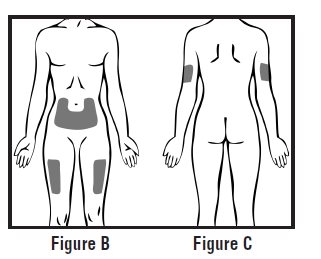
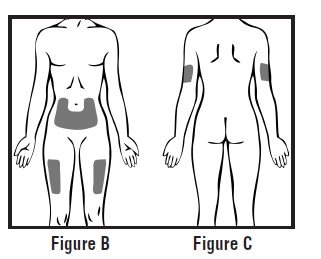
Illustration showing recommended injection sites for Relistor (Methylnaltrexone bromide) subcutaneous injection. Figure B depicts anterior injection sites on the abdomen and the front of the thighs. Figure C shows posterior injection sites on the upper arms. Shaded areas indicate appropriate locations for subcutaneous administration.*
FDA Label Image

Figurebandc2.jpg (Figurebandc2)

Figurebandc2.jpg (Figurebandc2)
An instructional illustration showing recommended subcutaneous injection sites for Relistor (methylnaltrexone bromide) injection solution. Figure B shows anterior sites including the abdomen and upper thighs. Figure C shows posterior sites including the upper outer arms.*
FDA Label Image

Figurebandc3.jpg (Figurebandc3)

Figurebandc3.jpg (Figurebandc3)
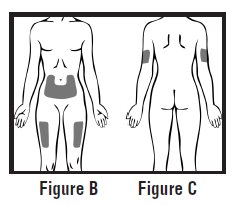
An illustration showing two diagrams of a human figure from the front and back. Figure B (front view) highlights recommended subcutaneous injection sites including the abdomen below the waistline and outer thigh areas. Figure C (back view) highlights the upper arm area as an injection site for subcutaneous administration.*
FDA Label Image

Figured1.jpg (Figured1)

Figured1.jpg (Figured1)
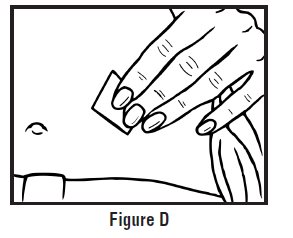
An instructional illustration labeled 'Figure D' showing a hand applying a small cloth or pad to a section of skin near the abdominal area, likely demonstrating part of the process for administering a subcutaneous injection.*
FDA Label Image

Figured2.jpg (Figured2)

Figured2.jpg (Figured2)
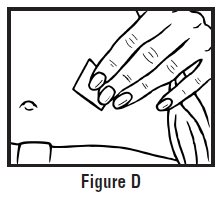
An illustration labeled 'Figure D' showing a hand applying a small adhesive patch or pad to the skin on the abdomen, suggesting preparation for a subcutaneous injection.*
FDA Label Image

Figured3.jpg (Figured3)

Figured3.jpg (Figured3)
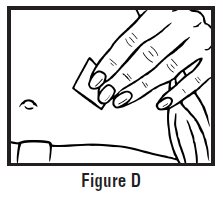
An instructional illustration labeled Figure D shows a hand applying a small adhesive patch or bandage to the lower abdomen area, suggesting a step in a subcutaneous injection process.*
FDA Label Image

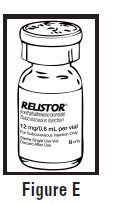
Figuree1.jpg (Figuree1)

Figuree1.jpg (Figuree1)
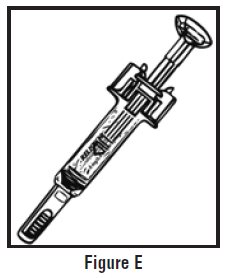
An instructional illustration labeled 'Figure E' depicting a syringe with a plunger and needle cover, likely related to the administration of the injection solution preparation process.*
FDA Label Image

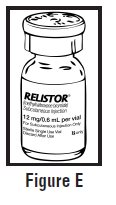
Figuree2.jpg (Figuree2)

Figuree2.jpg (Figuree2)
Relistor 12 mg/0.6 mL subcutaneous injection vial label. The image shows a single glass vial with a white cap and the label reading 'Relistor Methylnaltrexone bromide injection 12 mg/0.6 mL per vial.' The vial is for subcutaneous use and labeled for single use only, manufactured by Salix Pharmaceuticals, Inc.*
FDA Label Image

Figuree3.jpg (Figuree3)

Figuree3.jpg (Figuree3)
Relistor 12 mg/0.6 mL single-dose vial injection label. The label shows the brand name Relistor with the active ingredient Methylnaltrexone bromide. It specifies the dosage strength of 12 mg per 0.6 mL, identifies the vial as a single-dose injection, and lists Salix Pharmaceuticals, Inc. as the labeler.*
FDA Label Image

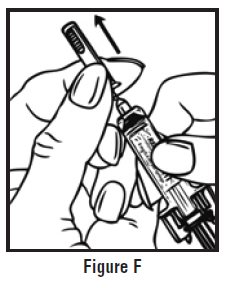
Figuref1.jpg (Figuref1)

Figuref1.jpg (Figuref1)
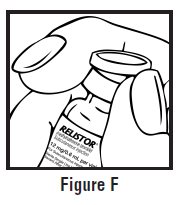
An instructional black-and-white line drawing showing a hand removing a protective cap from the needle of a syringe, likely related to the preparation or administration of a subcutaneous injection.*
FDA Label Image

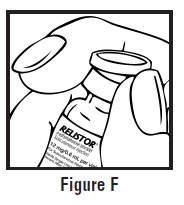
Figuref2.jpg (Figuref2)

Figuref2.jpg (Figuref2)
An instructional illustration showing a hand holding a vial labeled Relistor, demonstrating how to remove the cap from the vial. The image is intended to guide proper vial preparation for injection.*
FDA Label Image

Figuref3.jpg (Figuref3)

Figuref3.jpg (Figuref3)
An instructional illustration showing a hand removing the cap from a Relistor injection vial. The vial label includes the product name Relistor and some dosage information. The image demonstrates vial preparation for subcutaneous injection.*
FDA Label Image

Figureg1.jpg (Figureg1)

Figureg1.jpg (Figureg1)
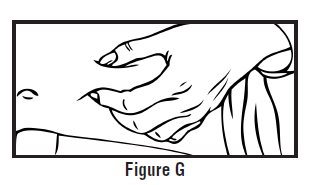
An instructional illustration labeled 'Figure G' showing a hand pinching the skin of an arm, likely demonstrating a subcutaneous injection technique.*
FDA Label Image

Figureg2.jpg (Figureg2)

Figureg2.jpg (Figureg2)
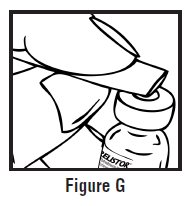
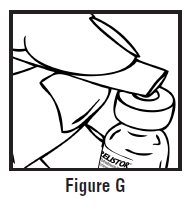
An instructional illustration showing a hand peeling back the protective cap from a vial labeled 'Relistor,' indicating preparation for use of the injection solution.*
FDA Label Image

Figureg3.jpg (Figureg3)

Figureg3.jpg (Figureg3)
An instructional diagram labeled 'Figure G' depicts a hand using a capped needle device to access a vial labeled 'Relistor.' This illustration is likely part of a step-by-step guide demonstrating proper vial opening or drug preparation technique for Relistor injection.*
FDA Label Image

Figureh1.jpg (Figureh1)

Figureh1.jpg (Figureh1)
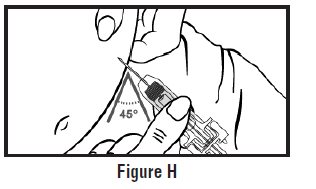
An instructional diagram labeled 'Figure H' showing the proper technique for subcutaneous injection. The illustration depicts a hand holding a syringe inserted at a 45-degree angle into a skin fold, demonstrating correct injection angle and positioning.*
FDA Label Image

Figureh2.jpg (Figureh2)

Figureh2.jpg (Figureh2)
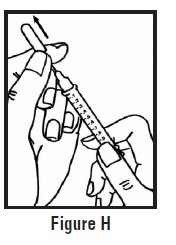
An instructional illustration showing a person using both hands to prepare a subcutaneous injection, holding a syringe and vial or pen device, likely demonstrating the correct method of drawing up or administering Relistor (Methylnaltrexone bromide) injection solution.*
FDA Label Image

Figureh3.jpg (Figureh3)

Figureh3.jpg (Figureh3)
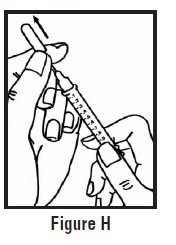
An instructional illustration depicting the preparation of a subcutaneous injection. It shows a person holding a syringe and vial, drawing medication from the vial into the syringe, consistent with the preparation steps for an injection such as Relistor (methylnaltrexone bromide).*
FDA Label Image

Figurei1.jpg (Figurei1)

Figurei1.jpg (Figurei1)
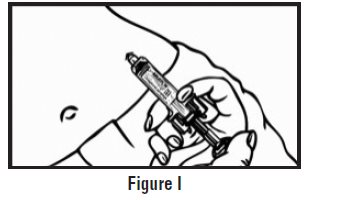
An instructional illustration showing the administration of a subcutaneous injection using a syringe. The image depicts a hand holding the syringe angled towards the abdominal area of a patient's torso, demonstrating proper injection technique for a subcutaneous medication such as Relistor (methylnaltrexone bromide).*
FDA Label Image

Figurei2.jpg (Figurei2)

Figurei2.jpg (Figurei2)
An instructional illustration labeled 'Figure I' showing a hand holding a syringe and another hand removing the cap from the syringe needle, demonstrating preparation steps for injection.*
FDA Label Image

Figurei3.jpg (Figurei3)

Figurei3.jpg (Figurei3)
Illustration of hands preparing a syringe for injection. One hand holds a syringe with measurement markings while the other hand adjusts the plunger, demonstrating the setup of an injection dose, consistent with subcutaneous injection technique.*
FDA Label Image

Figurej2.jpg (Figurej2)

Figurej2.jpg (Figurej2)
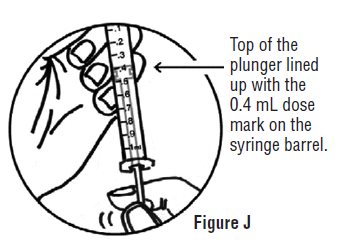
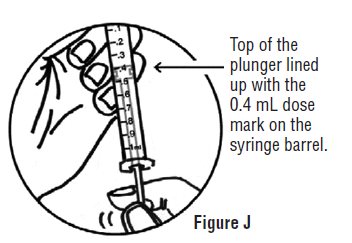
An instructional illustration showing how to fill a syringe with a specific dose. The top of the syringe plunger is aligned with the 0.4 mL dose mark on the syringe barrel, with arrows and labels indicating proper positioning for accurate dosing.*
FDA Label Image

Figurej3.jpg (Figurej3)

Figurej3.jpg (Figurej3)
An instructional illustration showing a hand holding a syringe. The top of the plunger is aligned with the 0.4 mL dose mark on the syringe barrel, demonstrating how to measure the correct injection volume for administration.*
FDA Label Image

Figurek1.jpg (Figurek1)

Figurek1.jpg (Figurek1)
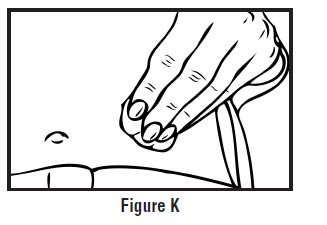
An instructional illustration labeled "Figure K" depicting a hand pressing on a patient’s lower abdomen, showing the area for subcutaneous injection administration.*
FDA Label Image

Figurek2.jpg (Figurek2)

Figurek2.jpg (Figurek2)
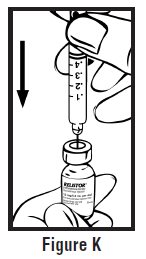
An instructional illustration labeled Figure K demonstrating the withdrawal of medication from a vial using a syringe. The vial is labeled with the proprietary name Relistor, and the syringe is marked with measurement gradations. The image shows hands holding the vial and syringe, with an arrow indicating the direction for drawing the solution.*
FDA Label Image

Figurek3.jpg (Figurek3)

Figurek3.jpg (Figurek3)
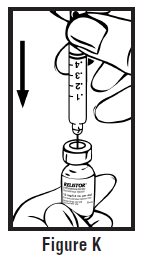
An instructional illustration labeled "Figure K" shows a hand drawing solution from a vial labeled Relistor into a syringe. The vial is held by one hand while the other hand pulls back on the syringe plunger to fill it.*
FDA Label Image

Figurel2.jpg (Figurel2)

Figurel2.jpg (Figurel2)
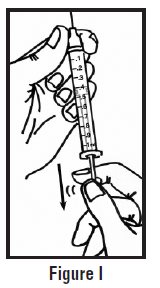
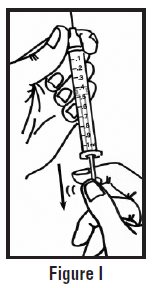
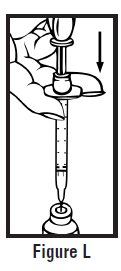
An instructional illustration labeled Figure 1 showing a hand holding a syringe with the plunger being pushed downward. The image depicts a step in preparing or administering an injection.*
FDA Label Image

Figurel3.jpg (Figurel3)

Figurel3.jpg (Figurel3)
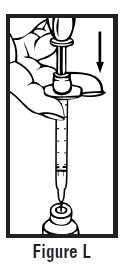
An instructional illustration showing a close-up of a hand holding a syringe with a plunger being pushed down. The image is labeled as Figure 1, depicting the action of depressing the plunger to administer a solution, likely related to the administration of an injection.*
FDA Label Image

Figurem2.jpg (Figurem2)

Figurem2.jpg (Figurem2)
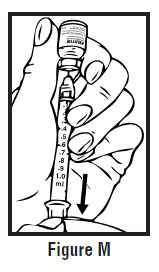
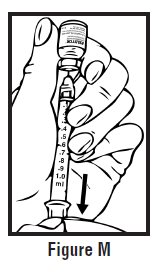
An instructional line drawing demonstrating the method of drawing a solution into a syringe from a vial. The image shows a hand holding the vial upside down and drawing liquid into the syringe, which has measurement markings from 0.1 to 1.0 mL. A downward arrow indicates the direction of the vial and syringe movement. This figure is labeled as 'Figure M'.*
FDA Label Image

Figurem3.jpg (Figurem3)

Figurem3.jpg (Figurem3)
An instructional illustration showing a hand holding a vial and drawing liquid into a syringe. The syringe barrel features volume markings from 0.1 to 1.0 mL, with an arrow pointing downward at the bottom, indicating the direction for drawing liquid from the vial.*
FDA Label Image

Figuren2.jpg (Figuren2)

Figuren2.jpg (Figuren2)
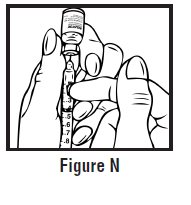
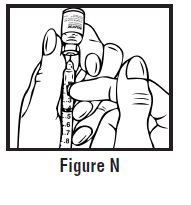
An instructional illustration labeled Figure N showing hands holding a syringe vial and preparing an injection, likely depicting the process of drawing solution from the vial into the syringe for subcutaneous administration.*
FDA Label Image

Figuren3.jpg (Figuren3)

Figuren3.jpg (Figuren3)
An instructional diagram labeled Figure N showing a hand holding and preparing a syringe for injection, indicating the proper handling technique for a subcutaneous injection.*
FDA Label Image

Figureo2.jpg (Figureo2)

Figureo2.jpg (Figureo2)
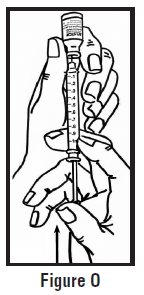
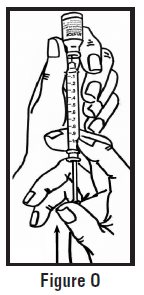
An instructional illustration showing a hand holding a vial and drawing liquid into a syringe, demonstrating the preparation of a subcutaneous injection for Relistor (methylnaltrexone bromide). The image depicts the standard technique involved in medication administration using a syringe and vial.*
FDA Label Image

Figureo3.jpg (Figureo3)

Figureo3.jpg (Figureo3)
An instructional line drawing showing hands preparing a syringe for injection, specifically drawing fluid from a vial labeled for subcutaneous administration. The image demonstrates the proper technique for using a syringe with a vial, relevant to injectable drugs such as Methylnaltrexone bromide.*
FDA Label Image

Figurep2.jpg (Figurep2)

Figurep2.jpg (Figurep2)
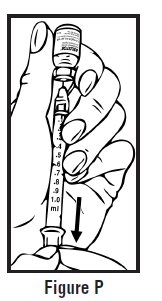
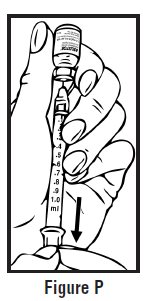
An instructional illustration showing a hand holding a syringe. The syringe is being filled by drawing liquid from a vial, with the plunger being pulled back to draw fluid. Volume markings on the syringe range from 0.1 ml to 1.0 ml. A downward arrow beneath the syringe indicates drawing motion.*
FDA Label Image

Figurep3.jpg (Figurep3)

Figurep3.jpg (Figurep3)
An instructional illustration showing a hand holding a syringe with measurement markings from 0.1 mL to 1.0 mL, positioned above a vial. An arrow points downward from the syringe into the vial, indicating the step of drawing or pushing fluid.*
FDA Label Image

Figureq2.jpg (Figureq2)

Figureq2.jpg (Figureq2)
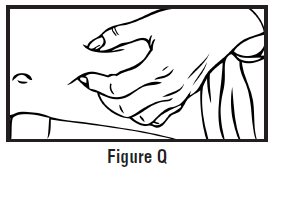
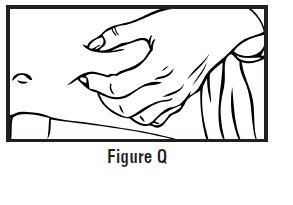
An illustration labeled 'Figure Q' showing a hand pinching the skin of a patient's abdomen, likely demonstrating a step in the subcutaneous injection process.*
FDA Label Image

Figureq3.jpg (Figureq3)

Figureq3.jpg (Figureq3)
An instructional illustration labeled Figure Q showing a hand pinching the skin of an abdomen, demonstrating a subcutaneous injection technique.*
FDA Label Image

Figurer2.jpg (Figurer2)

Figurer2.jpg (Figurer2)
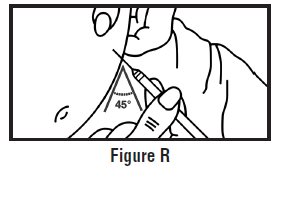
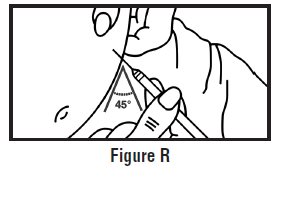
An instructional illustration labeled Figure R showing the proper technique for subcutaneous injection. It depicts a hand holding a syringe at a 45-degree angle to the skin surface, demonstrating the injection angle and method.*
FDA Label Image

Figurer3.jpg (Figurer3)

Figurer3.jpg (Figurer3)
An instructional diagram showing a hand administering a subcutaneous injection at a 45-degree angle into the abdomen. The image provides a visual guide for correct needle insertion technique for injection.*
FDA Label Image

Figures2.jpg (Figures2)

Figures2.jpg (Figures2)
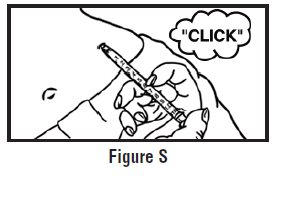
An instructional illustration showing a hand holding a syringe for subcutaneous injection, with the other hand pinching the skin. A speech bubble with the word "CLICK" indicates an audible or tactile feedback during syringe operation.*
FDA Label Image

Figures3.jpg (Figures3)

Figures3.jpg (Figures3)
An instructional illustration showing a person administering a subcutaneous injection into the abdomen area using a syringe. The image focuses on proper injection technique for a medication delivered via subcutaneous route.*
FDA Label Image

Figuret3.jpg (Figuret3)

Figuret3.jpg (Figuret3)
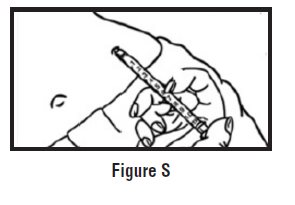
An instructional illustration showing a hand pinching the skin of a person's abdomen, presumably demonstrating the technique for a subcutaneous injection relevant to Relistor (methylnaltrexone bromide) injection, solution.*
FDA Label Image

Figuretandu2.jpg (Figuretandu2)

Figuretandu2.jpg (Figuretandu2)
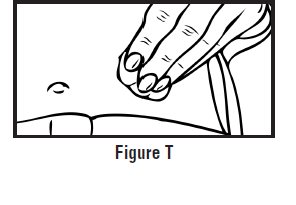
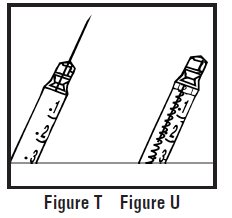
Illustration showing two dosing syringes labeled Figure T and Figure U. Both syringes display measurement markings, likely used to administer injection doses of Relistor (Methylnaltrexone bromide). The image depicts syringe design details relevant to subcutaneous injection dosing.*
FDA Label Image

Figurev2.jpg (Figurev2)

Figurev2.jpg (Figurev2)
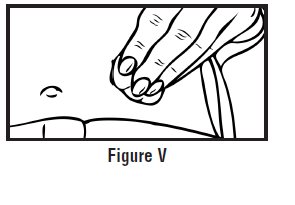
An instructional diagram labeled Figure V showing a hand pinching the skin of a person's abdominal area, illustrating a step likely related to administering a subcutaneous injection.*
FDA Label Image

Relistorcarton1 (Image 01)

FDA Label Image

Chemstructure (Image 02)

Chemstructure (Image 02)
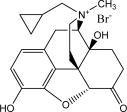
Chemical structure of Methylnaltrexone bromide, the active ingredient of Relistor. The diagram depicts the molecular arrangement including rings and functional groups characteristic of this compound.*
FDA Label Image

Figurej2 (Image 03)

Figurej2 (Image 03)
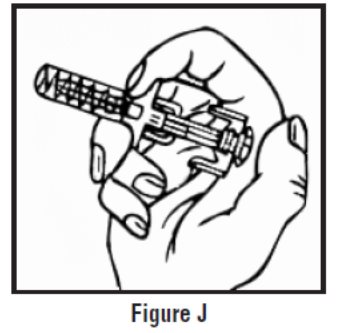
An instructional illustration showing a hand holding a prefilled syringe with a needle safety guard, demonstrating the proper technique for administering a subcutaneous injection of Relistor (methylnaltrexone bromide). The image highlights correct finger positioning on the syringe and activation of the needle safety mechanism.*
FDA Label Image

Image 04

FDA Label Image

Image 05

FDA Label Image

Image 06

FDA Label Image

Image 07

Image 07
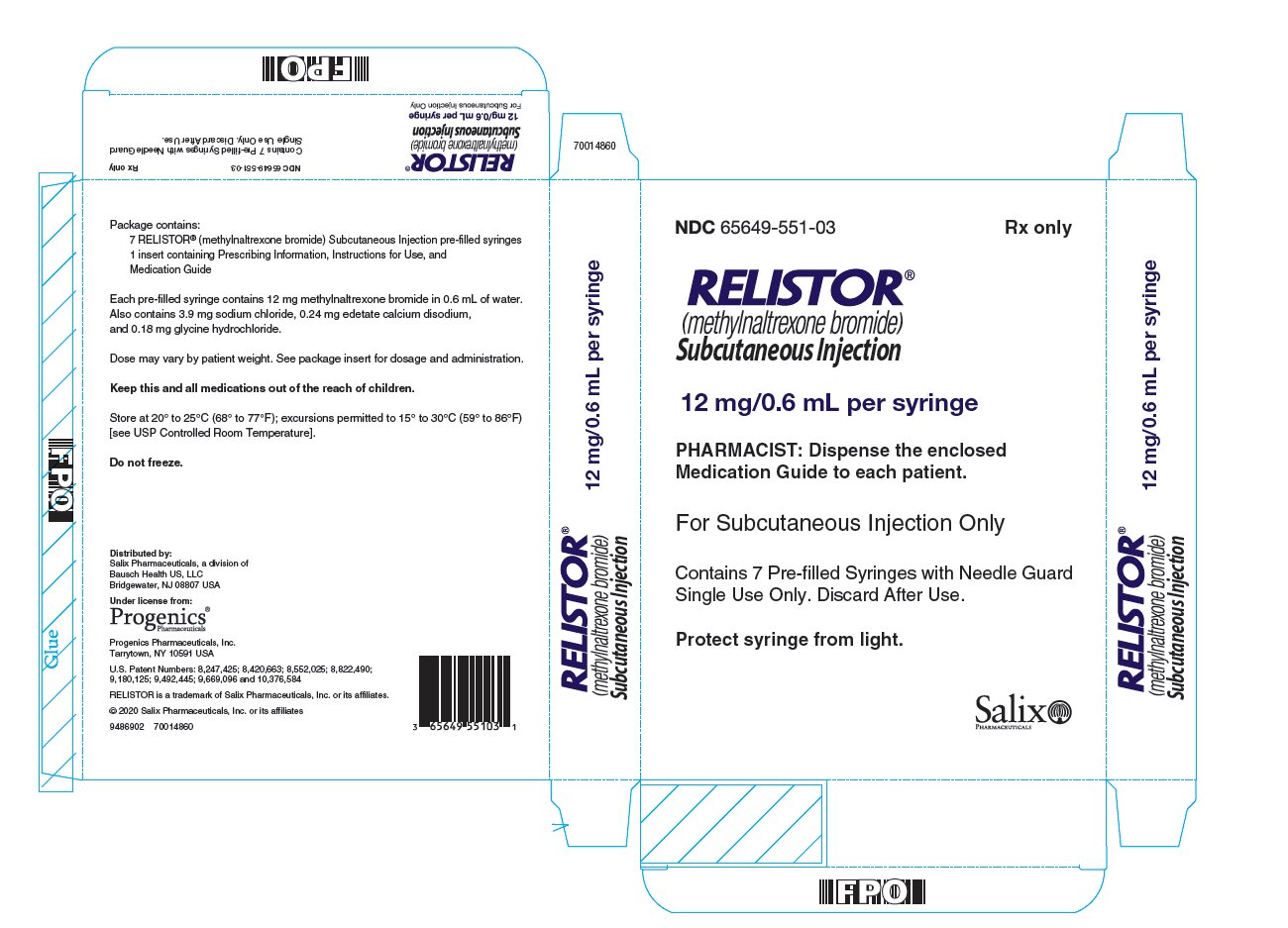
Relistor 12 mg/0.6 mL subcutaneous injection solution carton label showing that the package contains seven pre-filled syringes with needle guard. Distributed by Salix Pharmaceuticals, Inc., the label includes usage instructions to protect the syringes from light and a note to dispense the enclosed medication guide to each patient. The active ingredient is methylnaltrexone bromide.*
FDA Label Image

Image 08

Image 08
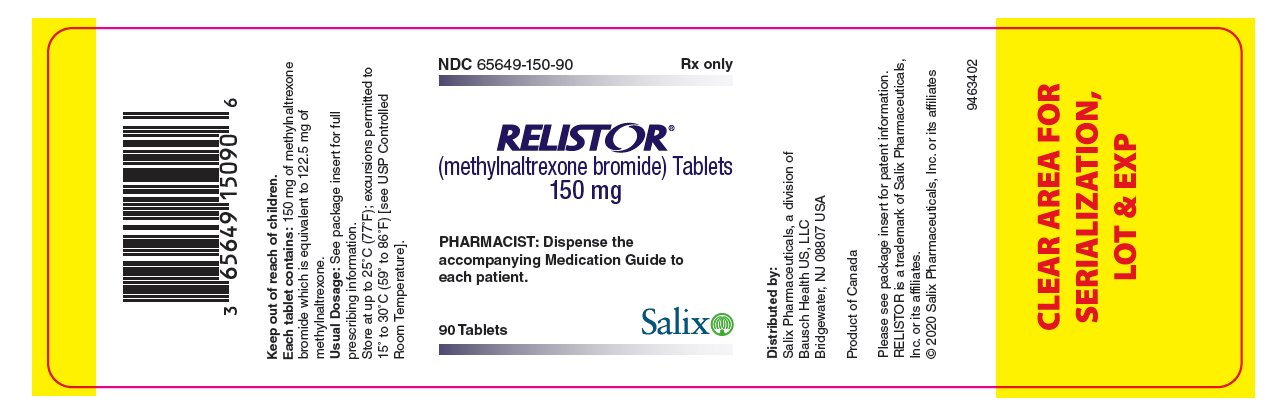
Relistor (methylnaltrexone bromide) Tablets 150 mg label for a 90-tablet package. The label includes dosing and storage information, the NDC 65649-150-90, and states prescription use only. Distributed by Salix Pharmaceuticals, Inc., the label features a yellow background with red text specifying the area for serialization, lot, and expiration information.*
FDA Label Image

Image 09

FDA Label Image

Image 10

FDA Label Image

Image 11

FDA Label Image

Image 12

FDA Label Image

Image 13

Image 13
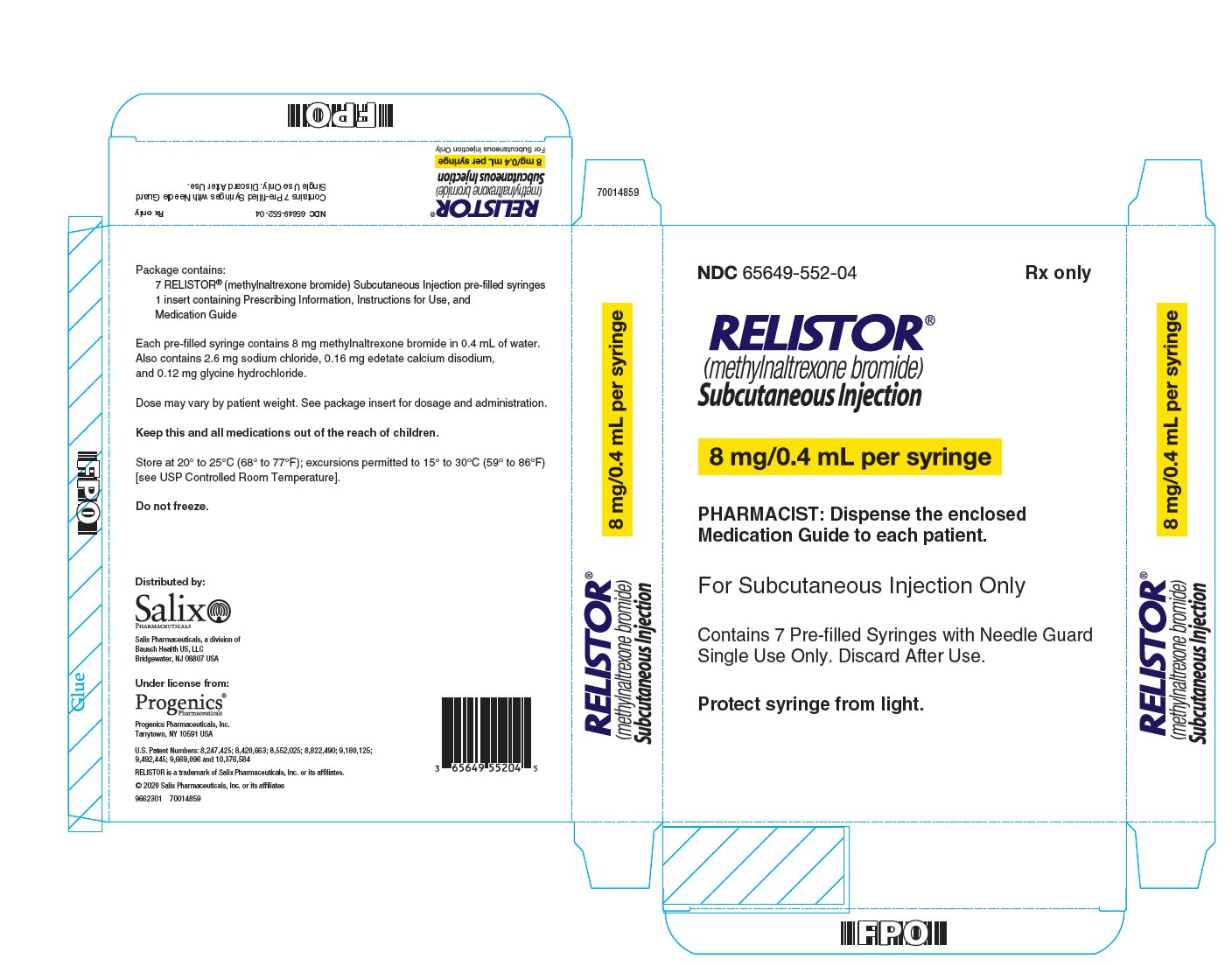
Relistor 8 mg/0.4 mL subcutaneous injection label for pre-filled syringes containing methylnaltrexone bromide. Package includes 7 pre-filled syringes with needle guard, distributed by Salix Pharmaceuticals, Inc. The label highlights dosage strength, subcutaneous use, and storage instructions, emphasizing protection from light and single-use disposal.*
FDA Label Image

Syringe1.jpg (Syringe1)

Syringe1.jpg (Syringe1)
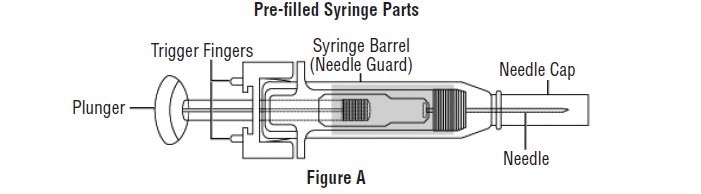
Diagram of a pre-filled syringe showing labeled parts including plunger, trigger fingers, syringe barrel with needle guard, needle cap, and needle. The illustration highlights components of a subcutaneous injection device for accurate administration.*

* About these descriptions: Image descriptions on this page are generated by automated AI analysis of the product label images from the manufacturer's FDA label submission (SPL). They are provided for reference only and may contain errors or omissions. Always rely on the printed label itself and the official FDA labeling, and consult a pharmacist or healthcare professional with any questions about this product.