Childrens Giltuss Ex Expectorant Solution
Product Images NDC 65852-016
View Photos of Packaging, Regulatory Labels, and Product Appearance
Product Visual Gallery
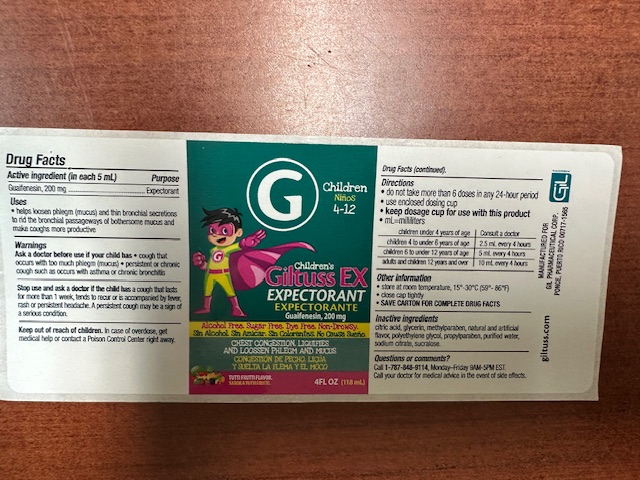
This gallery contains 4 technical images submitted to the FDA as part of the official labeling for Childrens Giltuss Ex Expectorant (NDC 65852-016). Unlike standard consumer photos, these assets often include clinical data figures, molecular chemical structures, and official manufacturer packaging layouts.
As provided by Dextrum Laboratories Inc., these visuals offer a comprehensive scientific overview of the product's physical and chemical identity, aiding pharmacists and researchers in product verification and study.
Active Ingredients (Drug Facts)
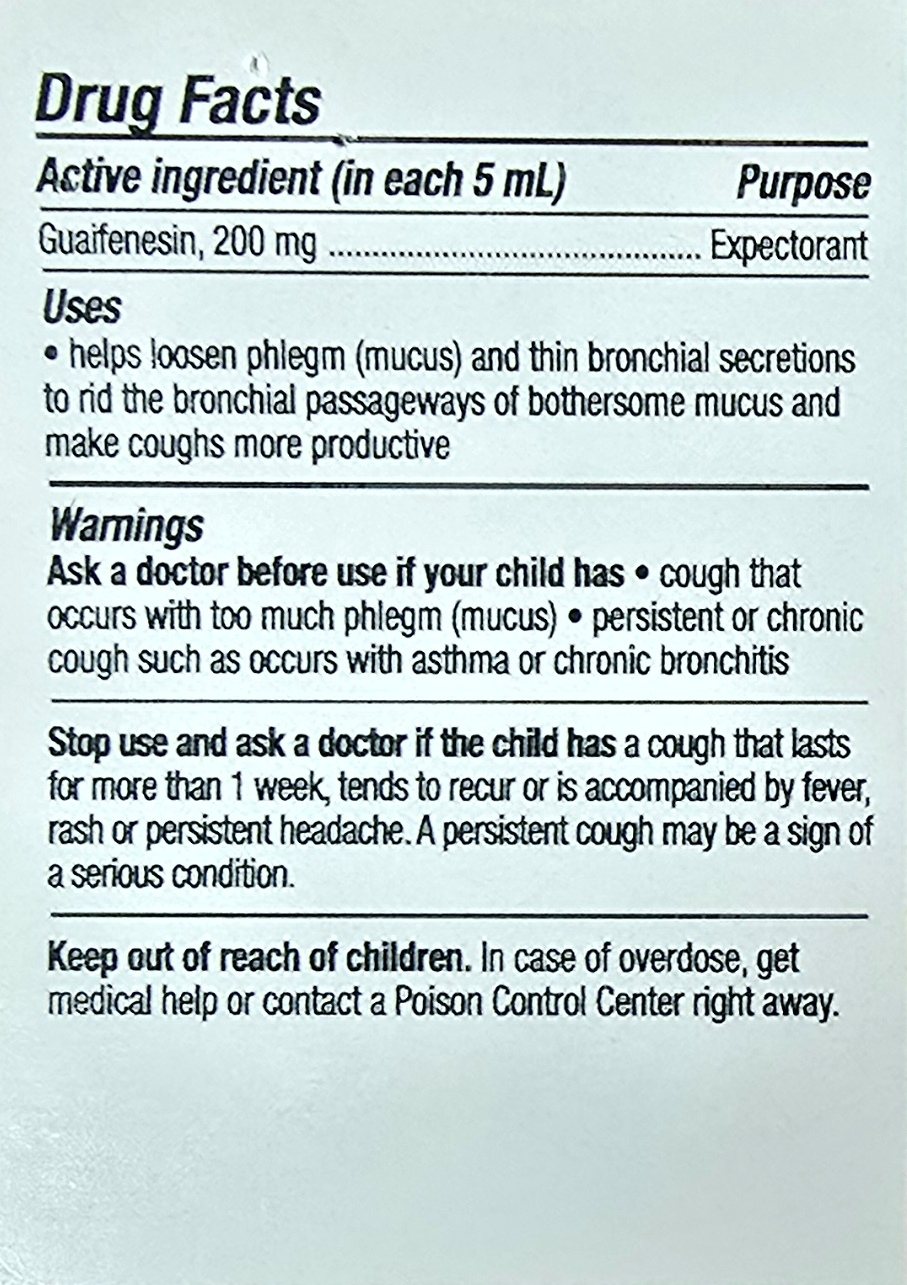
This is a drug label containing information about a medicine with Guaifenesin as the active ingredient, which acts as an expectorant to loosen phlegm and thin bronchial secretions. The medicine is used to help clear bronchial passageways of mucus and improve the productivity of coughs. It provides warnings to consult a doctor before use in certain conditions like cough with excessive phlegm, persistent cough, asthma, or chronic bronchitis. It also advises to stop use and seek medical advice if the child's cough persists for more than a week, recurs, or is accompanied by fever, rash, or persistent headache. The label emphasizes keeping the medicine out of children's reach and instructs to seek medical help in case of overdose.*
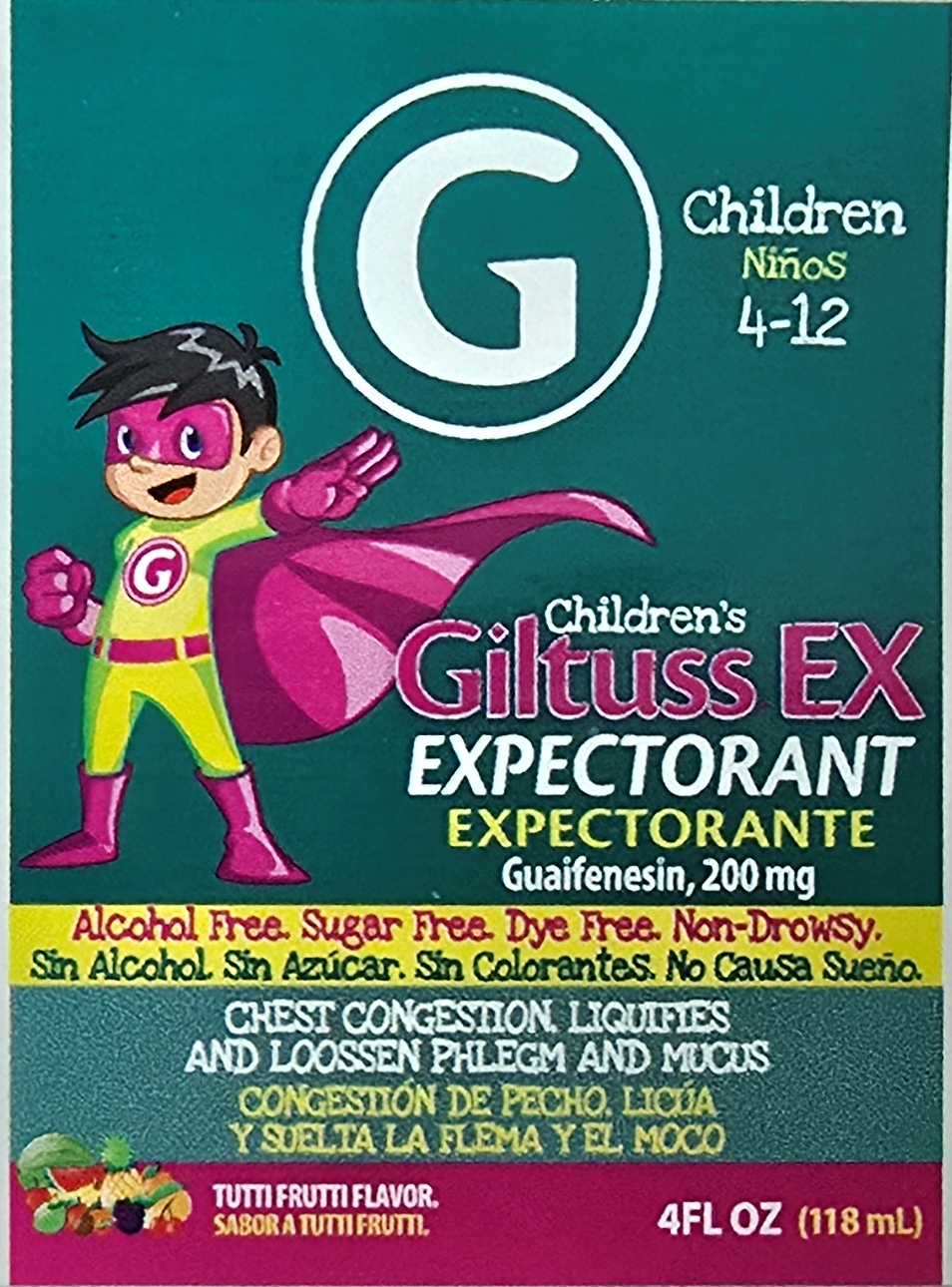
Principal Panel (Principal Panel)
Directions (Right Panel)
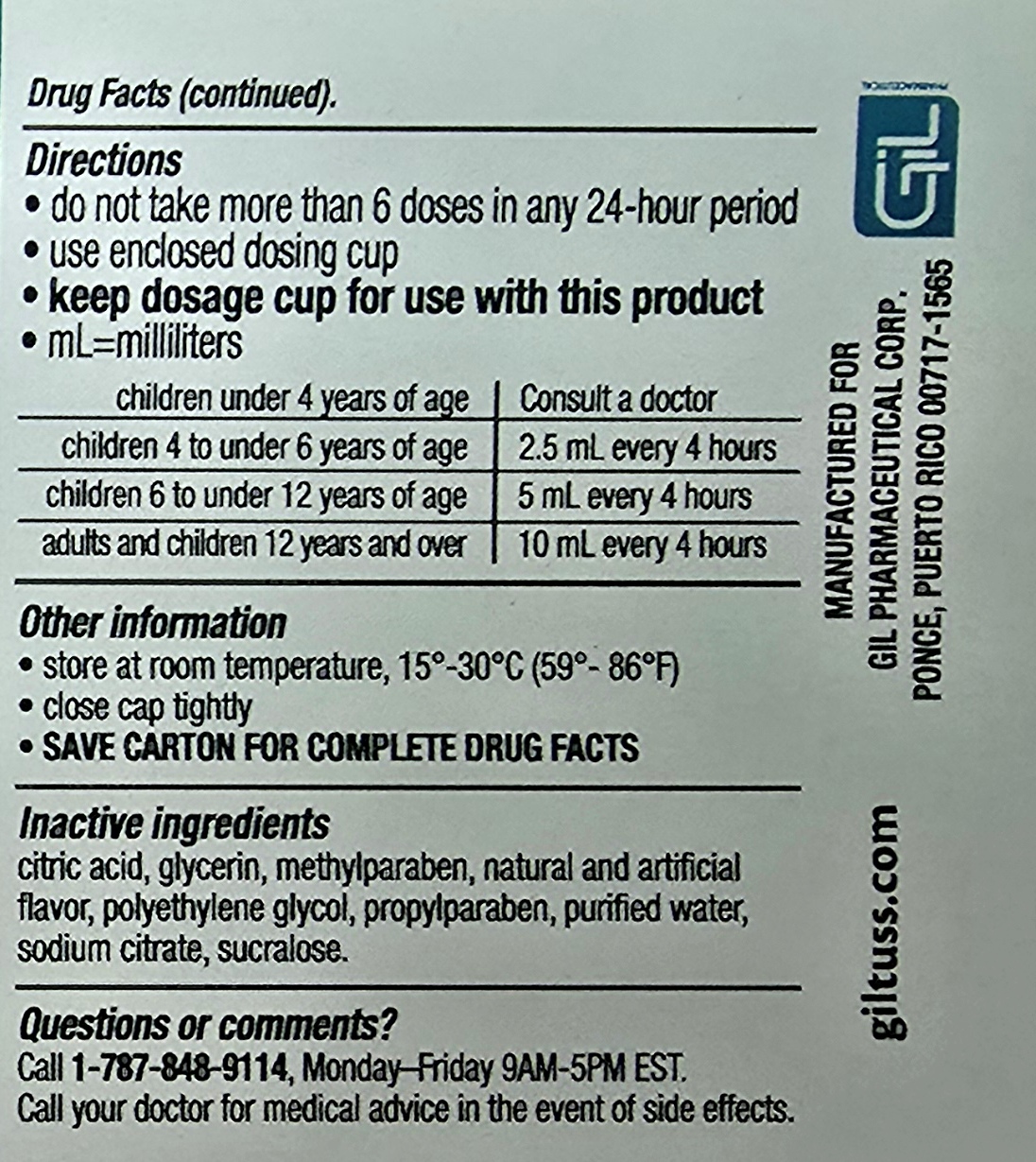
This text contains information about the dosage directions, storage instructions, inactive ingredients, and contact details for a medication called Giltuss. It provides details on dosages for different age groups and emphasizes the importance of following the enclosed dosing cup and storing the product correctly. Additionally, it lists the inactive ingredients and includes a contact number for questions or comments. For medical advice, it recommends calling a doctor in case of side effects.*
* These product label images have been analyzed using experimental machine learning. Please verify findings with the primary label text.