Memantine Hydrochloride Tablet, Film Coated
Product Images NDC 65862-652

View Photos of Packaging, Regulatory Labels, and Product Appearance

Product Visual Gallery

This gallery contains 13 technical images submitted to the FDA as part of the official labeling for Memantine Hydrochloride (NDC 65862-652). Unlike standard consumer photos, these assets often include clinical data figures, molecular chemical structures, and official manufacturer packaging layouts.

As provided by Aurobindo Pharma Limited, these visuals offer a comprehensive scientific overview of the product's physical and chemical identity, aiding pharmacists and researchers in product verification and study.

FDA Label Image

Figure 1: Time Course Of The Change From Baseline In Adcs-adl Score For Patients Completing 28 Weeks Of Treatment. (Memantine Fig 1)
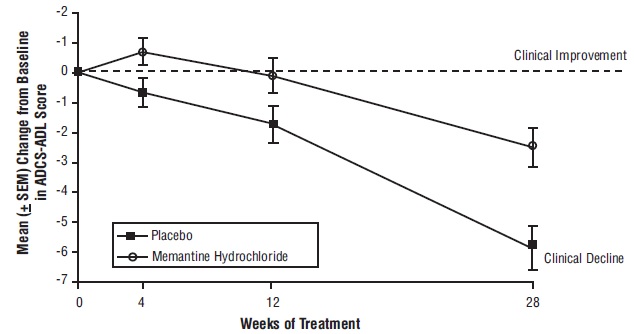
Figure 1: Time Course Of The Change From Baseline In Adcs-adl Score For Patients Completing 28 Weeks Of Treatment. (Memantine Fig 1)
A line graph showing mean (± SEM) change from baseline in ADCS-ADL score over 28 weeks of treatment comparing memantine hydrochloride and placebo. The x-axis represents weeks of treatment (0, 4, 12, 28), and the y-axis shows change in score with markers for clinical improvement and decline. Memantine hydrochloride group shows less decline in score compared to placebo over time.*
FDA Label Image

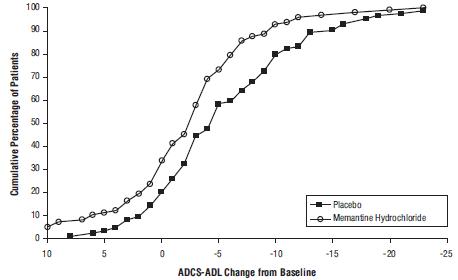
Figure 2: Cumulative Percentage Of Patients Completing 28 Weeks Of Double-blind Treatment With Specified Changes From Baseline In Adcs-adl Scores. (Memantine Fig 2)

Figure 2: Cumulative Percentage Of Patients Completing 28 Weeks Of Double-blind Treatment With Specified Changes From Baseline In Adcs-adl Scores. (Memantine Fig 2)
A cumulative percentage of patients chart displaying the ADCS-ADL change from baseline. The graph compares the effects of Memantine Hydrochloride and Placebo, with Memantine Hydrochloride showing a higher cumulative percentage of patients at various ADCS-ADL change values.*
FDA Label Image

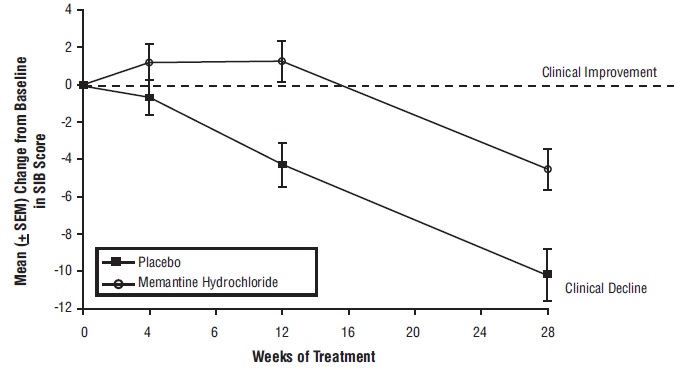
Figure 3: Time Course Of The Change From Baseline In Sib Score For Patients Completing 28 Weeks Of Treatment. (Memantine Fig 3)

Figure 3: Time Course Of The Change From Baseline In Sib Score For Patients Completing 28 Weeks Of Treatment. (Memantine Fig 3)
A line graph showing mean change from baseline in SIB score over 28 weeks of treatment comparing Memantine Hydrochloride and placebo. The graph includes error bars and labels for clinical improvement and clinical decline, depicting the relative effects of both treatments across the study period.*
FDA Label Image

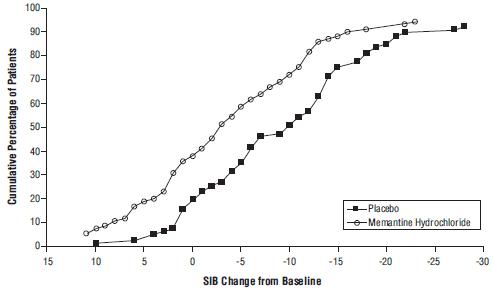
Figure 4: Cumulative Percentage Of Patients Completing 28 Weeks Of Double-blind Treatment With Specified Changes From Baseline In Sib Scores. (Memantine Fig 4)

Figure 4: Cumulative Percentage Of Patients Completing 28 Weeks Of Double-blind Treatment With Specified Changes From Baseline In Sib Scores. (Memantine Fig 4)
A cumulative percentage plot comparing patients treated with Memantine Hydrochloride versus placebo. The X-axis shows SIB (Severe Impairment Battery) change from baseline, while the Y-axis represents the cumulative percentage of patients. The graph depicts the differential response between the two groups.*
FDA Label Image

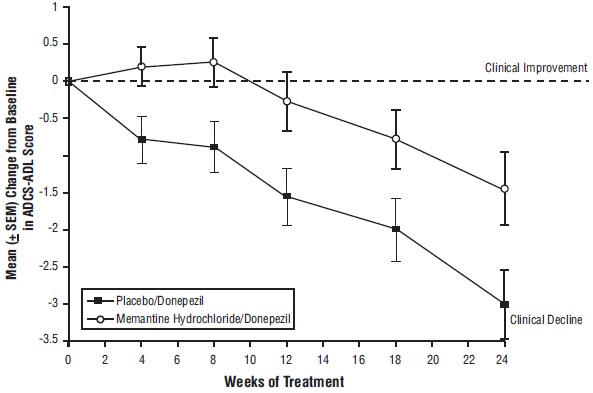
Figure 5: Time Course Of The Change From Baseline In Adcs-adl Score For Patients Completing 24 Weeks Of Treatment. (Memantine Fig 5)

Figure 5: Time Course Of The Change From Baseline In Adcs-adl Score For Patients Completing 24 Weeks Of Treatment. (Memantine Fig 5)
Line chart depicting mean change from baseline in ADCS-ADL score over 24 weeks of treatment. The horizontal axis indicates weeks of treatment from 0 to 24, and the vertical axis shows mean change ± SEM ranging from -3.5 to 1. Two treatment groups are plotted: Placebo/Donepezil, which shows a steady decline, and Memantine Hydrochloride/Donepezil, which remains closer to baseline with less decline. The graph includes annotations for clinical improvement and clinical decline on the vertical axis.*
FDA Label Image

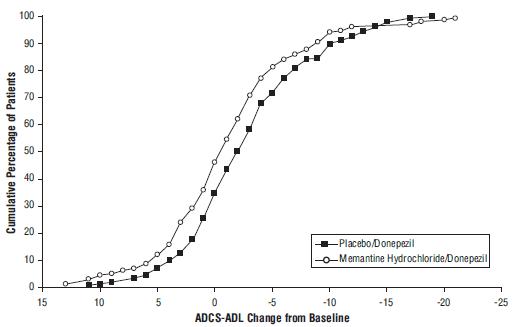
Figure 6: Cumulative Percentage Of Patients Completing 24 Weeks Of Double-blind Treatment With Specified Changes From Baseline In Adcs-adl Scores. (Memantine Fig 6)

Figure 6: Cumulative Percentage Of Patients Completing 24 Weeks Of Double-blind Treatment With Specified Changes From Baseline In Adcs-adl Scores. (Memantine Fig 6)
A cumulative percentage of patients chart comparing ADCS-ADL change from baseline between two groups: Placebo/Donepezil and Memantine Hydrochloride/Donepezil. The x-axis represents ADCS-ADL change from baseline, and the y-axis represents the cumulative percentage of patients, with data points showing higher cumulative percentages for the Memantine Hydrochloride/Donepezil group across most change values.*
FDA Label Image

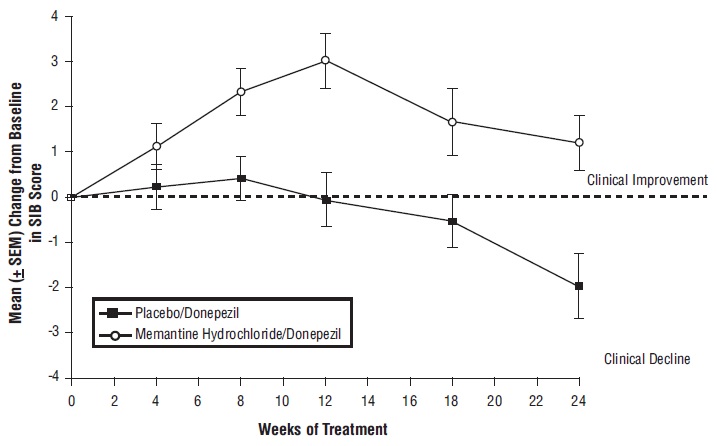
Figure 7: Time Course Of The Change From Baseline In Sib Score For Patients Completing 24 Weeks Of Treatment. (Memantine Fig 7)

Figure 7: Time Course Of The Change From Baseline In Sib Score For Patients Completing 24 Weeks Of Treatment. (Memantine Fig 7)
Line graph depicting mean change from baseline in SIB score over 24 weeks of treatment comparing Memantine Hydrochloride/Donepezil versus Placebo/Donepezil. The x-axis represents weeks of treatment from 0 to 24, and the y-axis represents mean change in SIB score with clinical improvement above zero and clinical decline below zero. Data points with error bars are shown for both treatment groups.*
FDA Label Image

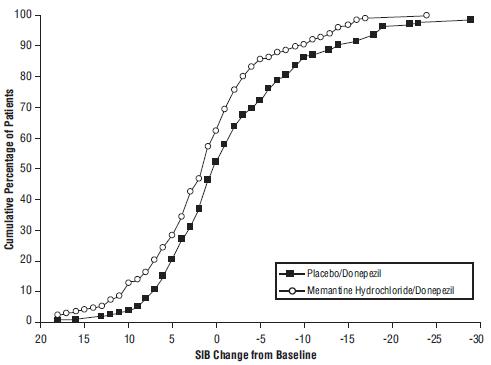
Figure 8: Cumulative Percentage Of Patients Completing 24 Weeks Of Double-blind Treatment With Specified Changes From Baseline In Sib Scores. (Memantine Fig 8)

Figure 8: Cumulative Percentage Of Patients Completing 24 Weeks Of Double-blind Treatment With Specified Changes From Baseline In Sib Scores. (Memantine Fig 8)
A cumulative percentage of patients chart showing SIB (Severe Impairment Battery) change from baseline. The graph compares Memantine Hydrochloride/Donepezil against Placebo/Donepezil with cumulative patient percentages on the y-axis and SIB change on the x-axis.*
FDA Label Image

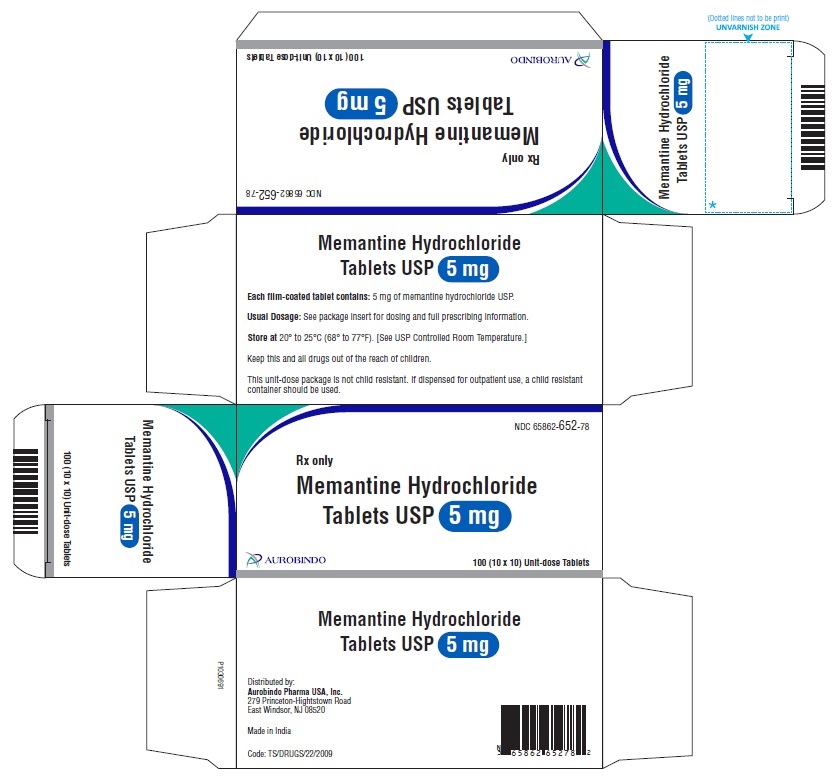
Package Label-principal Display Panel (5 mg Blister Carton (10 x 10 Unit-dose))

Package Label-principal Display Panel (5 mg Blister Carton (10 x 10 Unit-dose))
Memantine Hydrochloride Tablets USP 5 mg packaging label from Aurobindo Pharma Limited. The label indicates film-coated tablets with 5 mg strength, unit-dose packaging of 100 tablets (10 x 10). It includes dosage and storage instructions, distributor details, and barcodes, with the label designed for folding into a carton.*
FDA Label Image

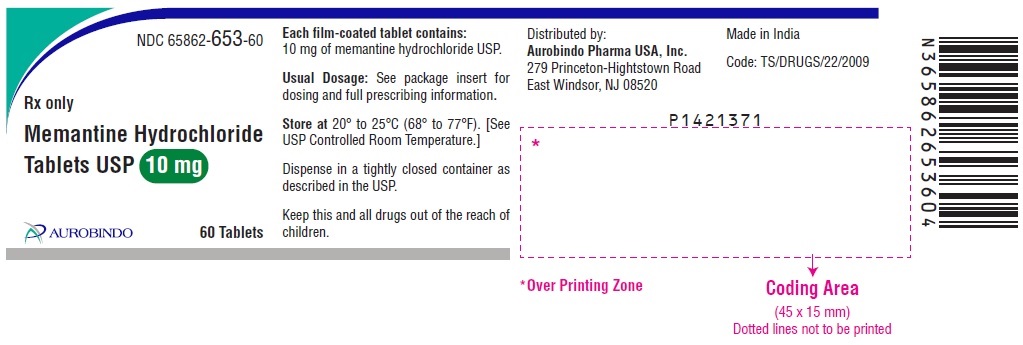
Package Label-principal Display Panel (10 mg (60 Tablets Bottle))

Package Label-principal Display Panel (10 mg (60 Tablets Bottle))
Label for Memantine Hydrochloride Tablets USP 10 mg, film-coated tablets. The label indicates 60 tablets per container, distributed by Aurobindo Pharma USA, Inc., with storage instructions and usage cautions. Manufactured in India by Aurobindo Pharma Limited. The NDC number 65862-653-60 is visible along with a barcode.*
FDA Label Image

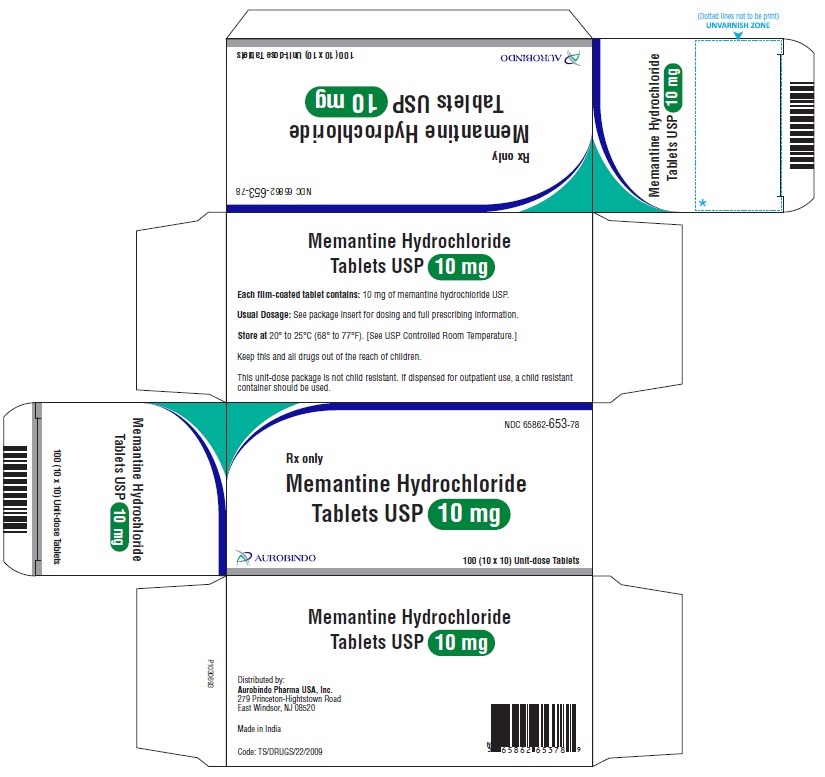
Package Label-principal Display Panel (10 mg Blister Carton (10 x 10 Unit-dose))

Package Label-principal Display Panel (10 mg Blister Carton (10 x 10 Unit-dose))
Packaging label for Memantine Hydrochloride Tablets USP 10 mg by Aurobindo Pharma Limited. The label indicates a film-coated tablet dosage form with 100 tablets per package (10 units of 10 tablets). It includes dosage strength, labeler name, storage instructions, and barcode. The product is marked Rx only and states distribution by Aurobindo Pharma USA, Inc.*
FDA Label Image

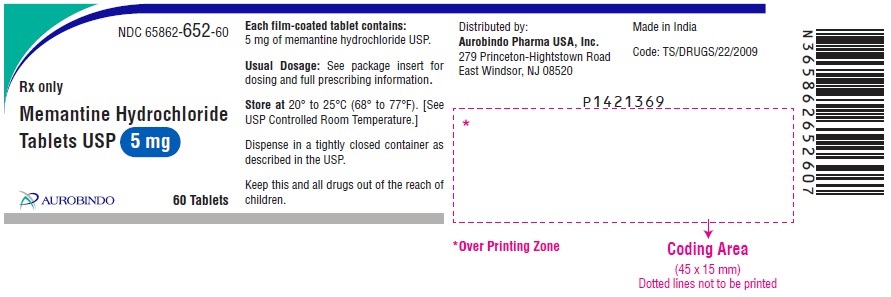
Package Label-principal Display Panel (5 mg (60 Tablets Bottle))

Package Label-principal Display Panel (5 mg (60 Tablets Bottle))
Label for Memantine Hydrochloride Tablets USP, 5 mg film-coated tablets, containing 60 tablets. Distributed by Aurobindo Pharma USA, Inc., located in East Windsor, NJ. The label includes storage instructions between 20° to 25°C (68° to 77°F), dosage reference to package insert, and a barcode on the right side. The label also states the product is made in India and is Rx only.*
FDA Label Image

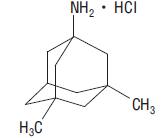
Memantine Structure (Memantine Str)

Memantine Structure (Memantine Str)
Chemical structure of Memantine Hydrochloride showing the molecular arrangement including amine group, methyl groups, and hydrochloride component.*

* About these descriptions: Image descriptions on this page are generated by automated AI analysis of the product label images from the manufacturer's FDA label submission (SPL). They are provided for reference only and may contain errors or omissions. Always rely on the printed label itself and the official FDA labeling, and consult a pharmacist or healthcare professional with any questions about this product.