Ayuna Kit
Product Images NDC 65862-848

View Photos of Packaging, Regulatory Labels, and Product Appearance

Product Visual Gallery

This gallery contains 8 technical images submitted to the FDA as part of the official labeling for Ayuna (NDC 65862-848). Unlike standard consumer photos, these assets often include clinical data figures, molecular chemical structures, and official manufacturer packaging layouts.

As provided by Aurobindo Pharma Limited, these visuals offer a comprehensive scientific overview of the product's physical and chemical identity, aiding pharmacists and researchers in product verification and study.

FDA Label Image

Circulatory Disease Mortality Rates Per 100,000 Woman Years By Age, Smoking Status And Oral Contraceptive Use (Levo Ethi Fig1)
Circulatory Disease Mortality Rates Per 100,000 Woman Years By Age, Smoking Status And Oral Contraceptive Use (Levo Ethi Fig1)
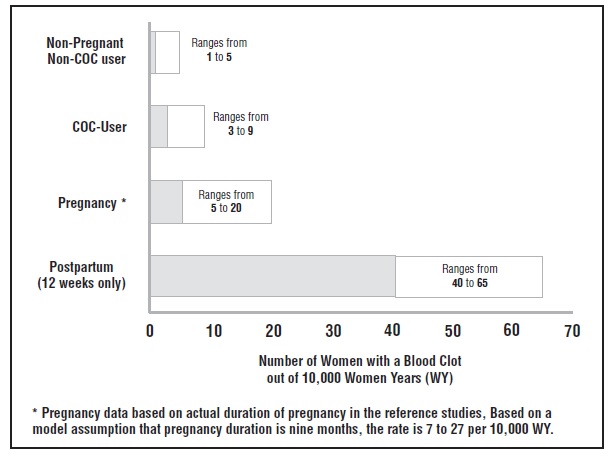
This is a table showing the number of women with a blood clot per 10,000 women years for different ranges of Non-Pregnant, Non-COC user, COC-User, and Postpartum women. There is also a note about the pregnancy range being based on actual pregnancy duration and that the rate of blood clots is between 7 to 27 per 10,000 WY.*
FDA Label Image

Figure (Levo Ethi Fig2)

Figure (Levo Ethi Fig2)
This text provides information regarding the use of COC (combined oral contraceptive) and its effects on women's health. The text presents a range of studies and their results in the form of odds ratios (OR), relative risks (RR), and hazard ratios (HR). The studies compare the use of COC vs. never using COC or current use vs. never use. The data suggests that there is a small association between ever using COC and a slight decrease in risk for certain health outcomes. However, the relationship between current use of COC and its impact on women's health is less clear. The text might be useful for medical professionals or researchers studying the effects of COC.*
FDA Label Image

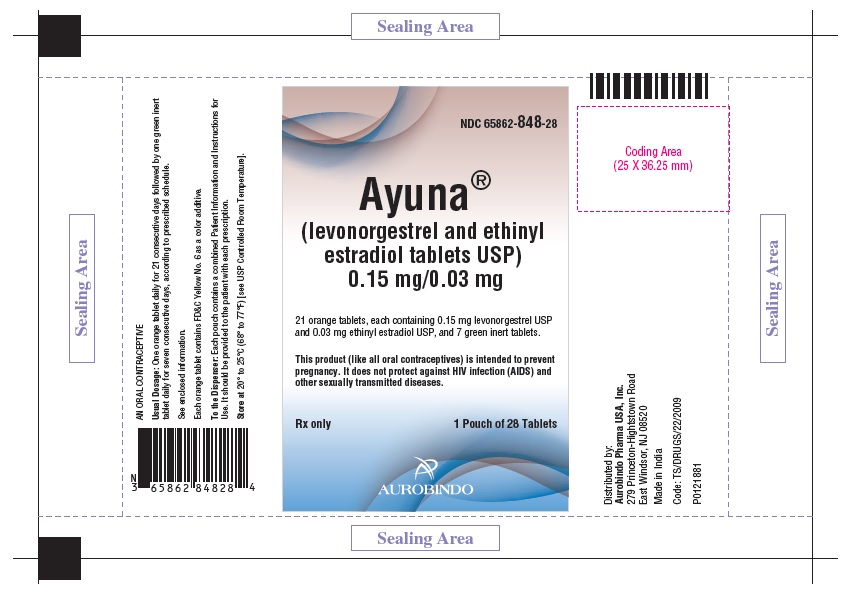
Package Label-principal Display Panel (0.15 mg/0.03 mg (28 Tablets Pouch))

Package Label-principal Display Panel (0.15 mg/0.03 mg (28 Tablets Pouch))
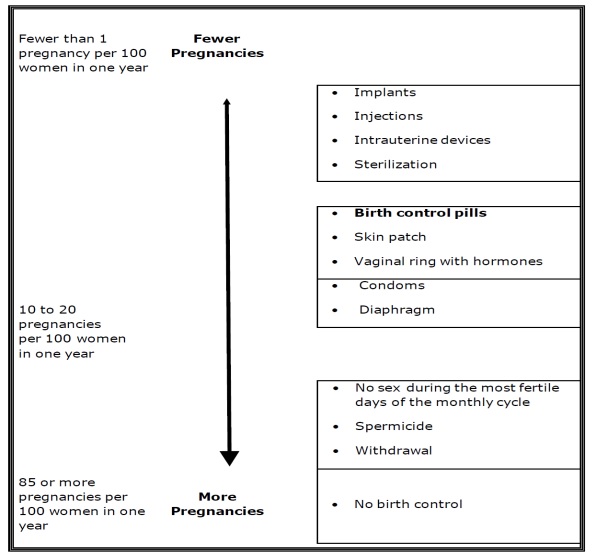
This document appears to be a chart that lists various forms of birth control and their effectiveness rates based on the number of pregnancies per 100 women in one year. It shows that some methods such as sterilization, intrauterine devices, and implants have a low rate of pregnancy, while others such as condoms and withdrawal have a higher rate. It also lists methods like birth control pills, skin patches, and vaginal rings as options. Lastly, it suggests the possibility of abstaining from sex during fertile times in the monthly cycle as a form of birth control.*
FDA Label Image

Package Label-principal Display Panel (0.15 mg/0.03 mg (168 Tablets Carton))

FDA Label Image

Levo Ethi Fig5

FDA Label Image

Levo Ethi Fig6

Levo Ethi Fig6
This is a description of an oral contraceptive product marketed under the brand name "ORANGEB." This contraceptive consists of tablets containing levonorgestrel and ethinyl estradiol, two hormones that prevent pregnancy by inhibiting ovulation. The recommended dosage is one tablet daily for 21 days, followed by a period of seven days without the medication. The tablets are available in two different strengths, 0.15 mg/0.03 mg and 0.5 mg, and are packaged in pouches containing 21 tablets each. The product should be stored at a temperature of 20-25°C.*
FDA Label Image

Levo Ethi Str1

Levo Ethi Str1
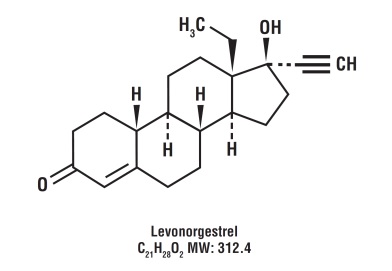
This is a chemical formula and abbreviation for Levonorgestrel. It does not provide any further useful description.*
FDA Label Image

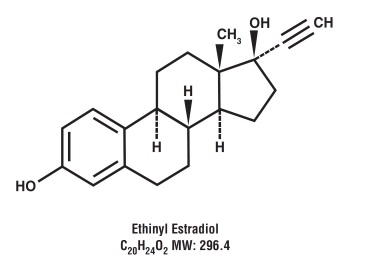
Levo Ethi Str2

Levo Ethi Str2
Ethinyl estradiol is a type of estrogen used in different forms of hormonal birth control. Its molecular weight is 296.4 g/mol.*

* These product label images have been analyzed using experimental machine learning. Please verify findings with the primary label text.