Initial Dosage:
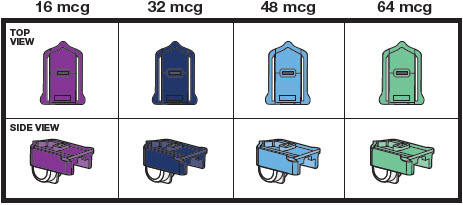
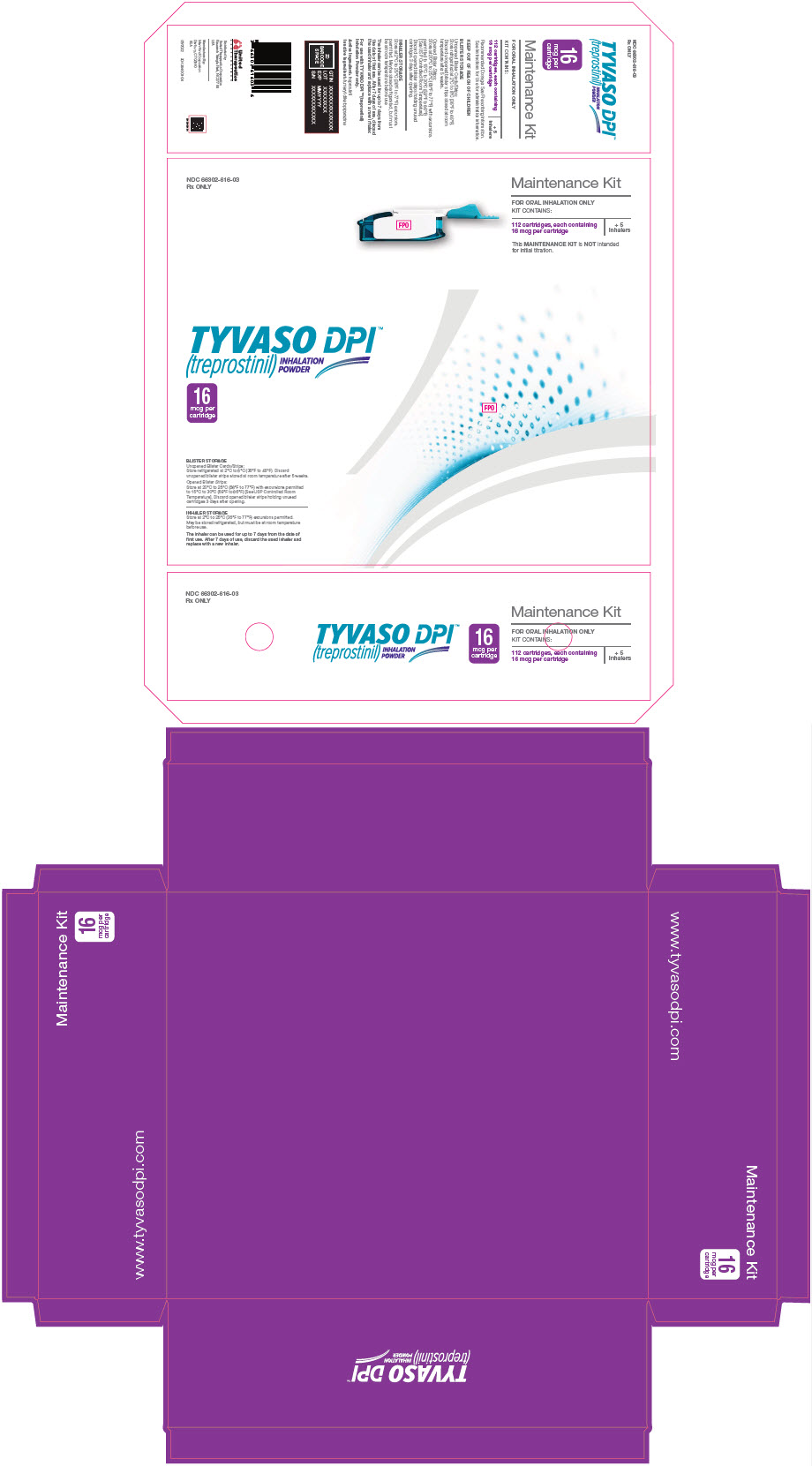
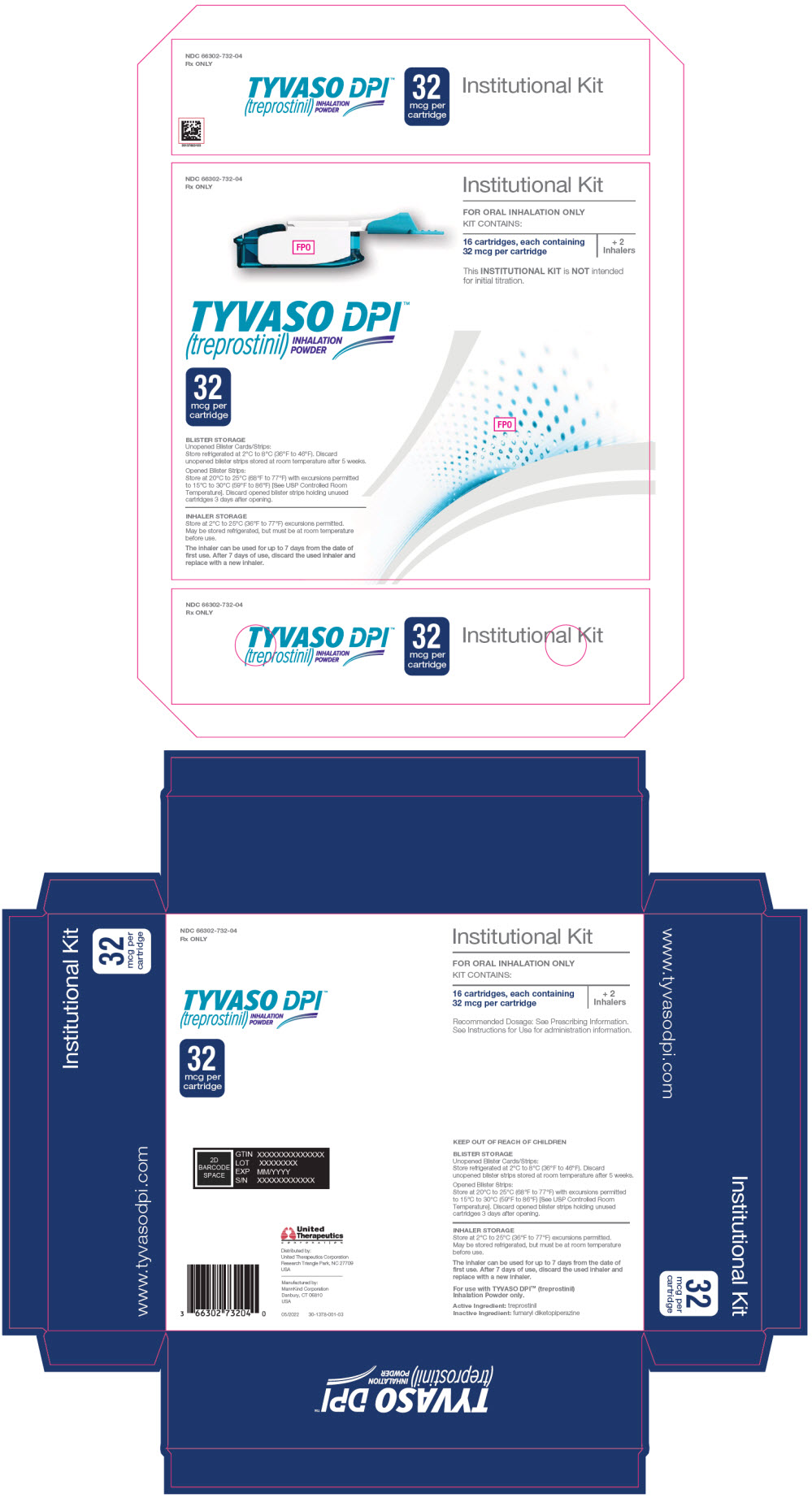
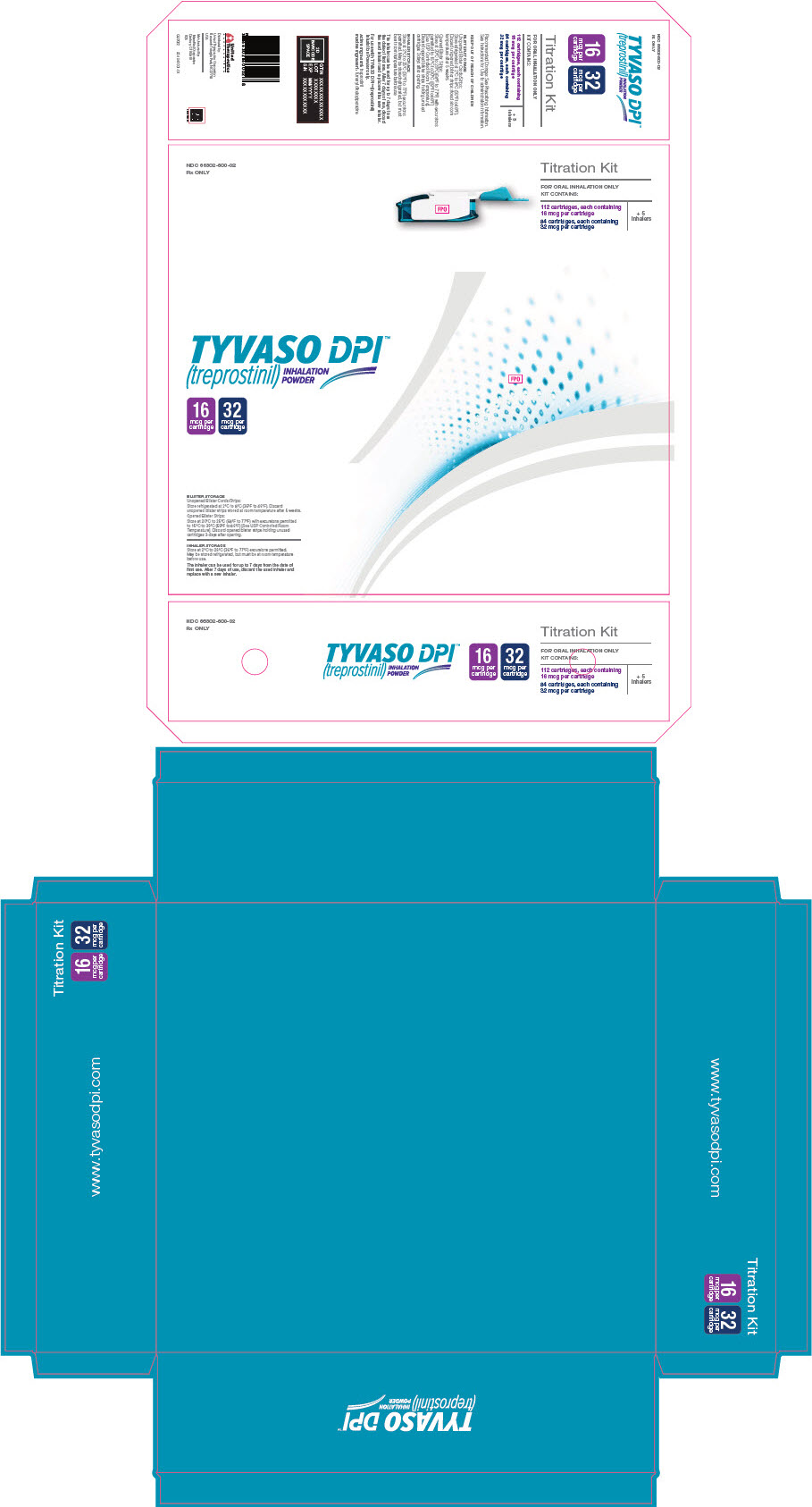
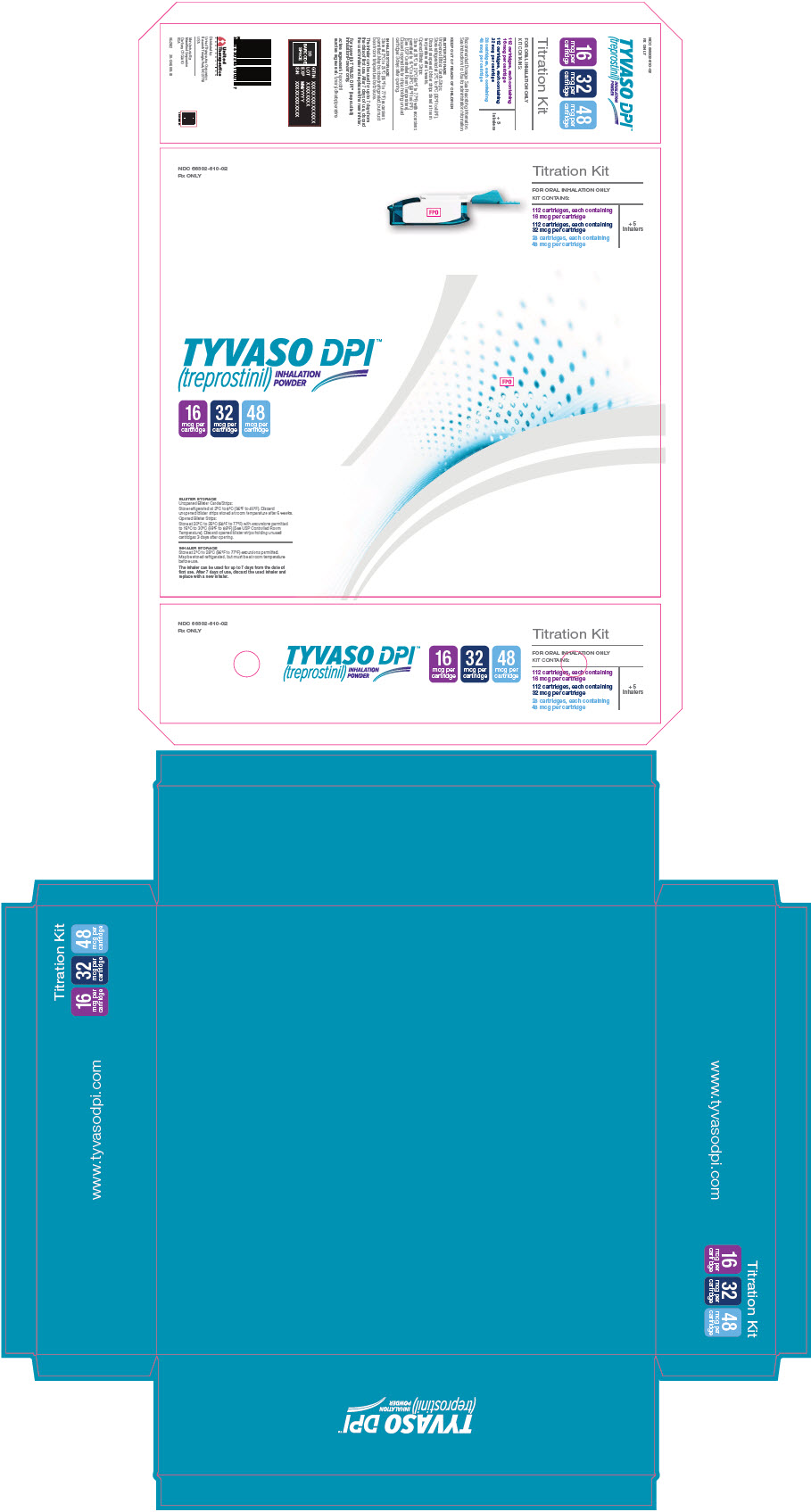
Tyvaso DPI therapy should begin with one 16 mcg cartridge per treatment session, 4 times daily.
Maintenance Dosage:
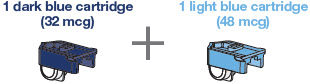
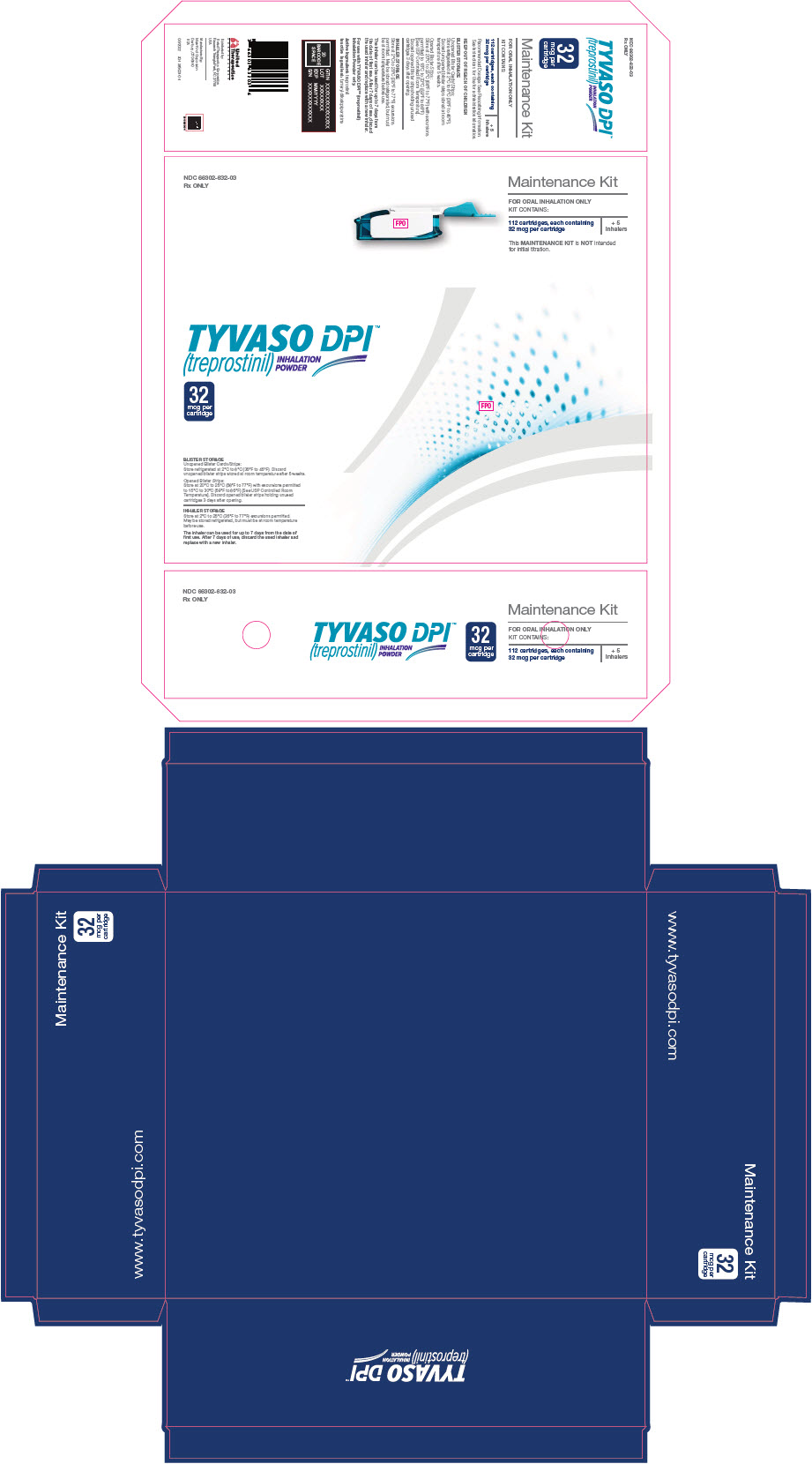
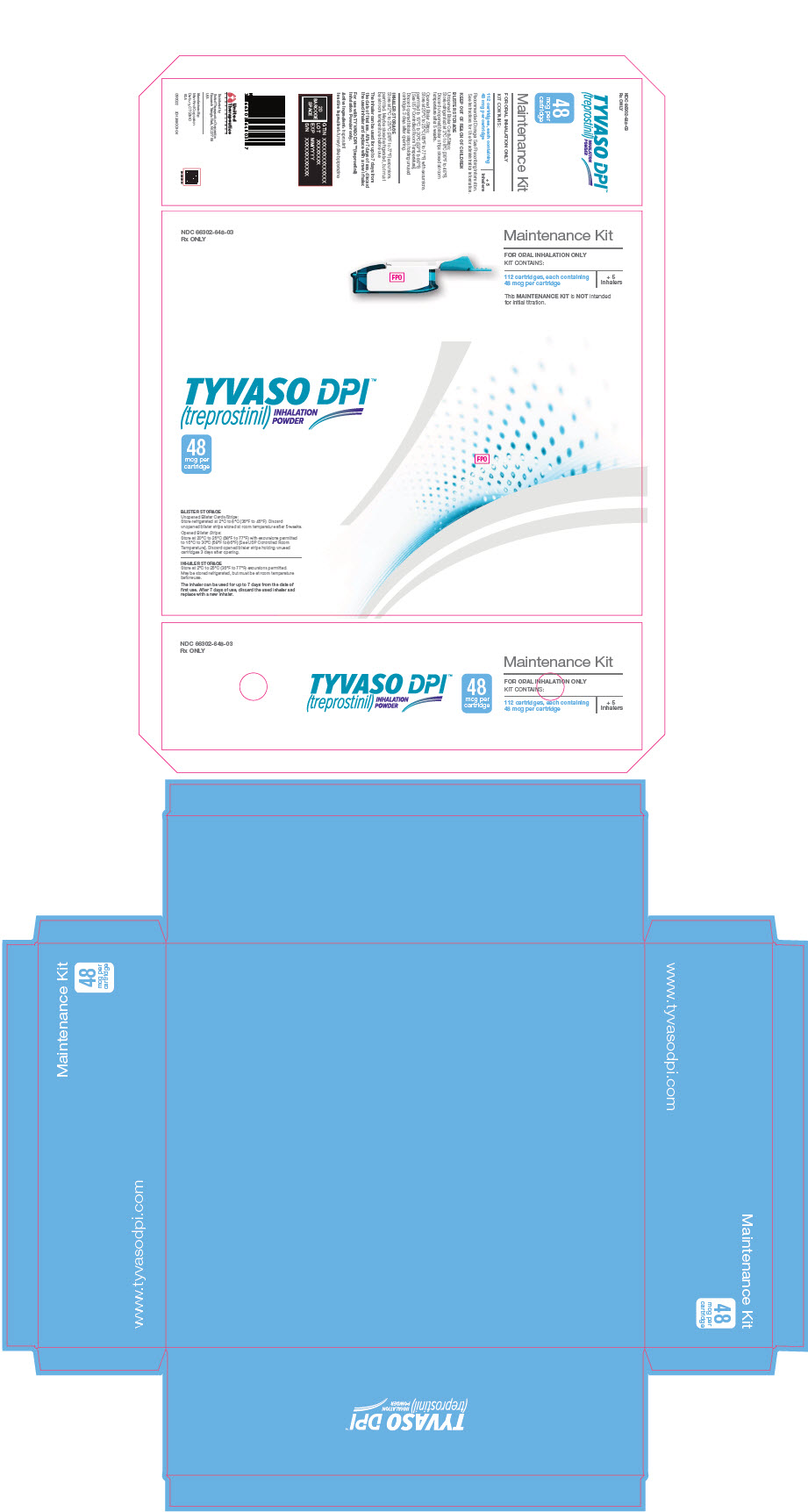
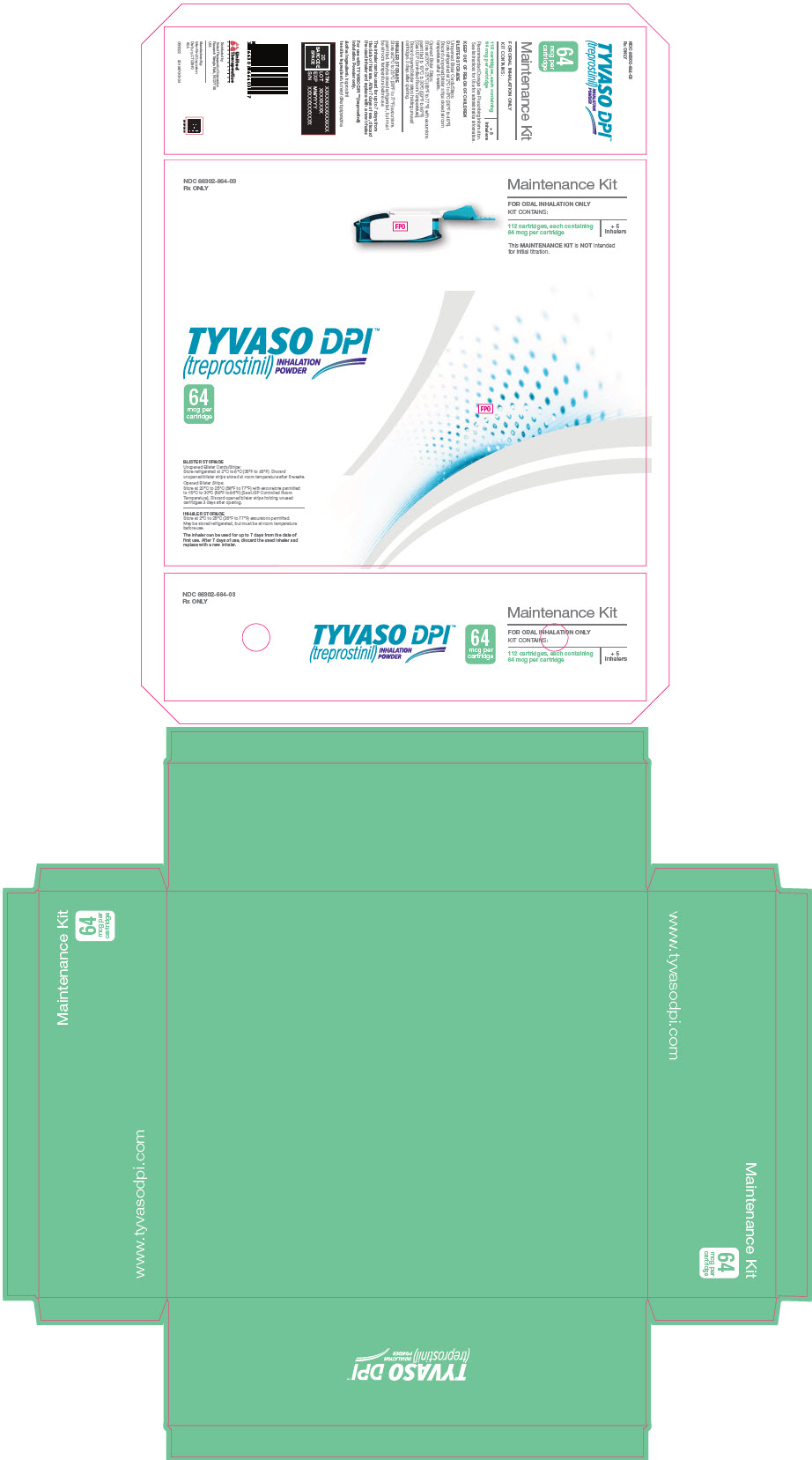
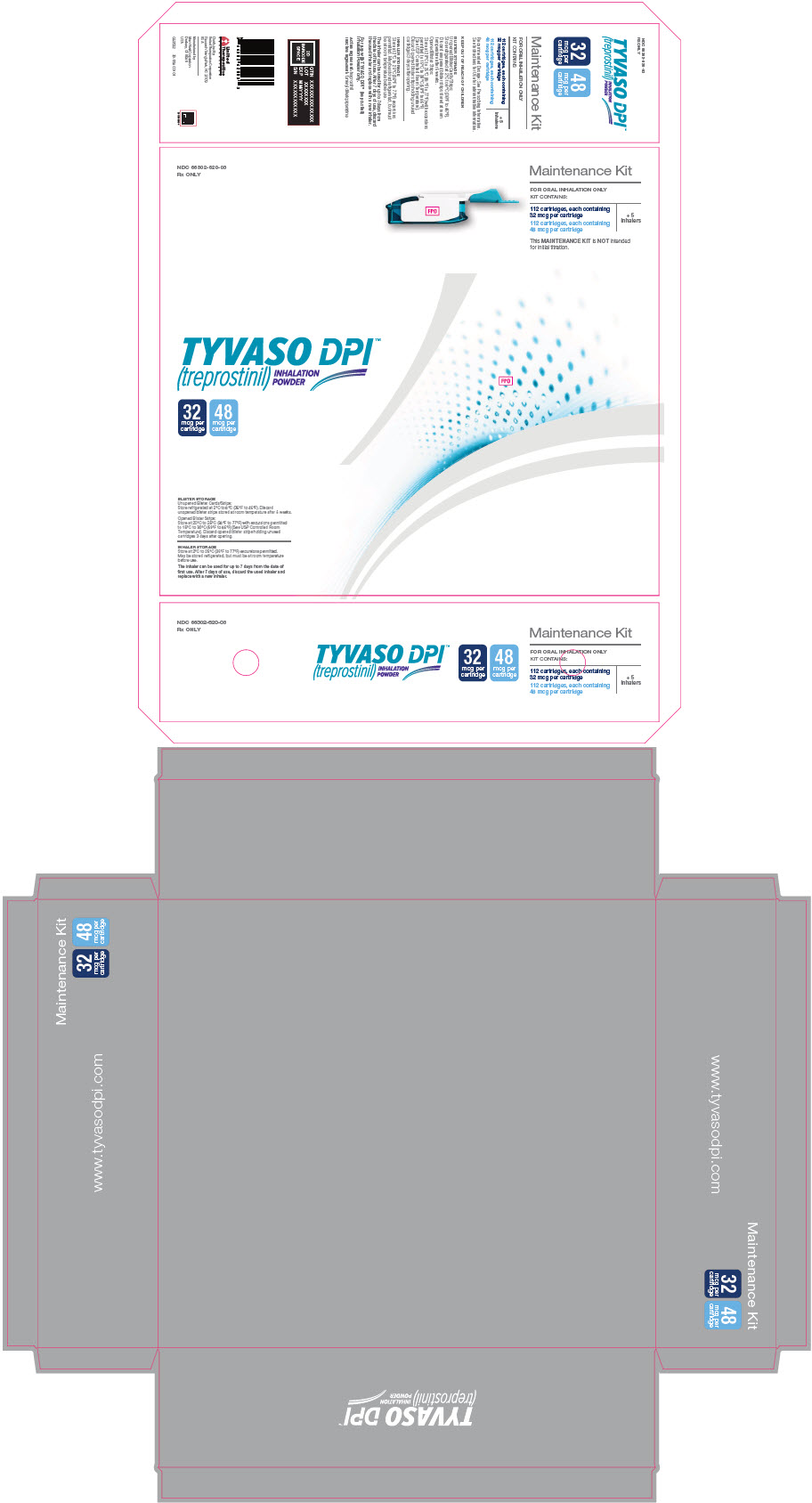
Increase dosage by an additional 16 mcg per treatment session at approximately 1- to 2-week intervals. The target maintenance dosage is usually 48 mcg to 64 mcg per session.
If adverse effects preclude titration, continue Tyvaso DPI at the highest tolerated dose.
If a scheduled treatment session is missed, resume therapy as soon as possible at the usual dose.
Dosage for Transition from Tyvaso® (treprostinil) Inhalation Solution:
The following regimens of Tyvaso DPI and Tyvaso give similar exposure:
Tyvaso DPI
Cartridge Strength | Tyvaso
Number of Breaths |
|---|
| 16 mcg | ≤5 (≤30 mcg) |
| 32 mcg | 6 to 7 (36 to 42 mcg) |
| 48 mcg | 8 to 10 (48 to 60 mcg) |
| 64 mcg | 11 to 12 (66 to 72 mcg) |
Pulmonary Arterial Hypertension
Tyvaso DPI
In a 3-week, open-label, single-sequence, safety and tolerability study (BREEZE) conducted in 51 patients on stable doses of Tyvaso Inhalation Solution who switched to a corresponding dose of Tyvaso DPI, the most commonly reported adverse events on Tyvaso DPI during the 3-week treatment phase included cough, headache, dyspnea, and nausea. Patient tolerability, as assessed by incidence of new adverse events following transition to Tyvaso DPI, was consistent with the expected known safety profile of Tyvaso Inhalation Solution. Table 1 lists the adverse events that occurred at a rate of at least 4%.
Table 1: Adverse Events in ≥4% of PAH Patients Receiving Tyvaso DPI in BREEZE (Treatment Phase)| Adverse Event | Tyvaso DPI (n=51)
n (%) |
|---|
| Cough | 18 (35.3) |
| Headache | 8 (15.7) |
| Dyspnea | 4 (7.8) |
| Nausea | 3 (5.9) |
The safety of Tyvaso DPI was also studied in an extension phase of the study in which 49 patients were dosed for a duration of 43 patient-years. Fifty-nine percent (59%) of patients achieved a dose of 64 mcg, 4 times daily or higher. The adverse events during this long-term, extension phase were similar to those observed in the 3-week treatment phase.
Tyvaso Inhalation Solution
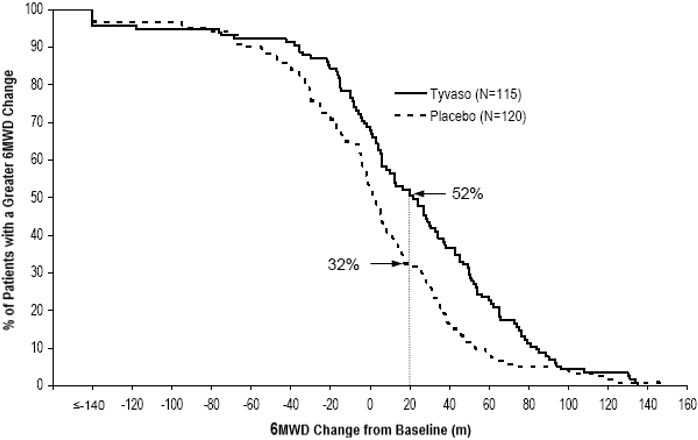
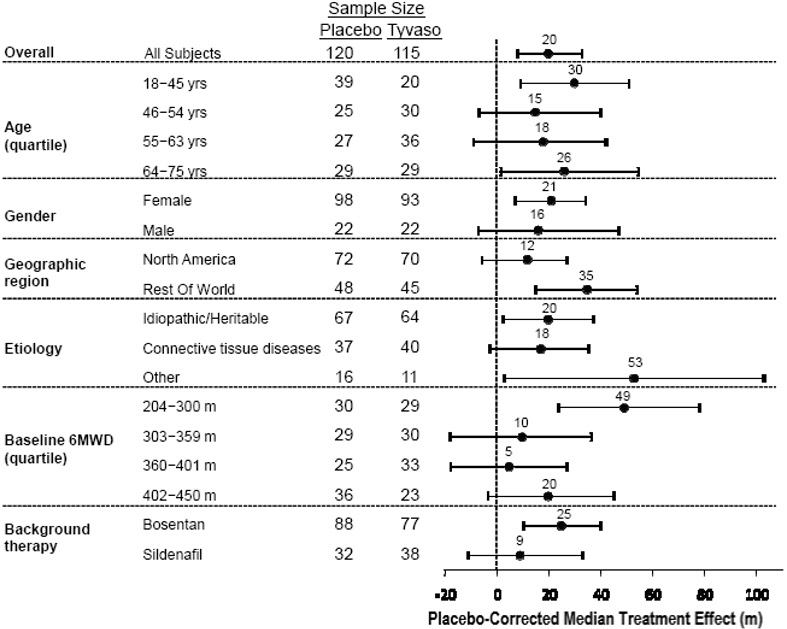
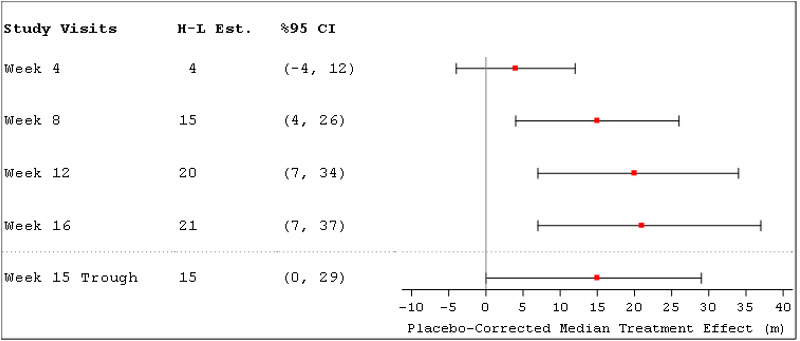
In a 12-week, placebo-controlled study (TRIUMPH I) of 235 patients with PAH (WHO Group 1 and nearly all NYHA Functional Class III), the most commonly reported adverse reactions on Tyvaso Inhalation Solution included cough and throat irritation, headache, gastrointestinal effects, muscle, jaw or bone pain, dizziness, flushing, and syncope. Table 2 lists the adverse reactions that occurred at a rate of at least 4% and were more frequent in patients treated with Tyvaso Inhalation Solution than with placebo.
Table 2: Adverse Events in ≥4% of PAH Patients Receiving Tyvaso Inhalation Solution and More FrequentMore than 3% greater than placebo
than Placebo in TRIUMPH I| Adverse Event | Treatment
n (%) |
|---|
Tyvaso Inhalation Solution
n=115 | Placebo
n=120 |
|---|
| Cough | 62 (54) | 35 (29) |
| Headache | 47 (41) | 27 (23) |
| Throat Irritation / Pharyngolaryngeal Pain | 29 (25) | 17 (14) |
| Nausea | 22 (19) | 13 (11) |
| Flushing | 17 (15) | 1 (<1) |
| Syncope | 7 (6) | 1 (<1) |
Pulmonary Hypertension Associated with ILD
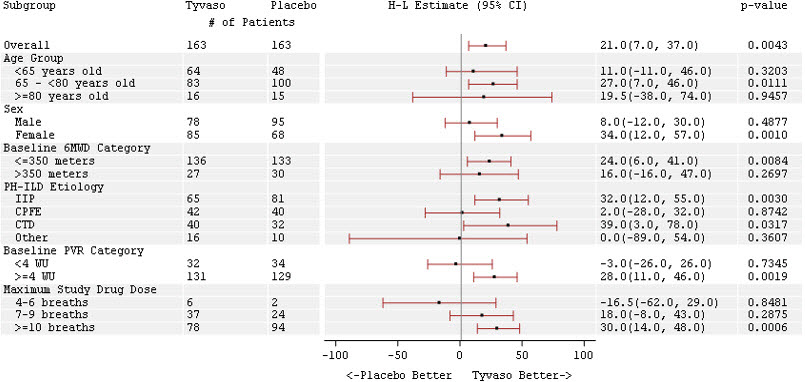
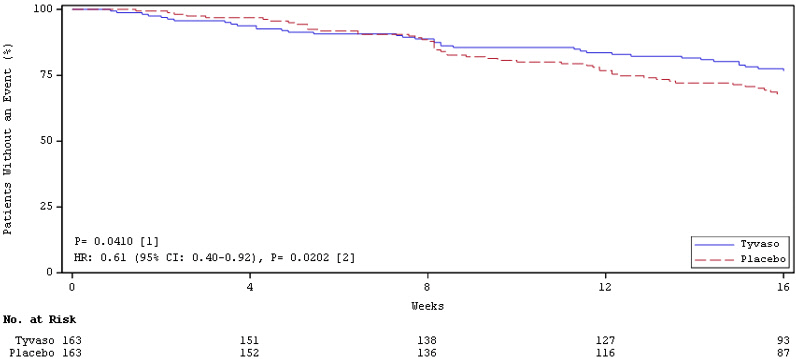
In a 16-week, placebo-controlled study (INCREASE) of 326 patients with PH-ILD (WHO Group 3), adverse reactions on Tyvaso Inhalation Solution were similar to the experience in studies of PAH.
Risk Summary
Limited case reports of treprostinil use in pregnant women are insufficient to inform a drug-associated risk of adverse developmental outcomes. However, there are risks to the mother and the fetus associated with pulmonary arterial hypertension (see Clinical Considerations). In animal studies, no adverse reproductive and developmental effects were seen for treprostinil at ≥8 and ≥134 times the human exposure when based on Cmax and AUC, respectively, following a single, inhaled 64 mcg dose of treprostinil inhalation powder.
The estimated background risk of major birth defects and miscarriage for the indicated populations is unknown. All pregnancies have a background risk of birth defect, loss, or other adverse outcomes. In the U.S. general population, the estimated background risk of major birth defects and miscarriage in clinically recognized pregnancies is 2 to 4% and 15 to 20%, respectively.
Clinical Considerations
Disease-associated maternal and embryo-fetal risk
Pulmonary arterial hypertension is associated with an increased risk of maternal and fetal mortality.
Data
Animal reproduction studies have been conducted with treprostinil via continuous subcutaneous administration and with treprostinil diolamine administered orally. In studies with orally administered treprostinil diolamine, no adverse effect doses for fetal viability/growth, fetal development (teratogenicity), and postnatal development were determined in rats. In pregnant rats, no evidence of harm to the fetus was observed following oral administration of treprostinil diolamine at the highest dose tested (20 mg/kg/day), which represents about 129 and 1366 times the human exposure, when based on Cmax and AUC, respectively, following a single, inhaled 64 mcg dose of treprostinil inhalation powder. In pregnant rabbits, external fetal and soft tissue malformations and fetal skeletal malformation occurred. The dose at which no adverse effects were seen (0.5 mg/kg/day) represents about 8 and 134 times the human exposure, when based on Cmax and AUC, respectively, following a single, inhaled 64 mcg dose of treprostinil inhalation powder. No treprostinil treatment-related effects on labor and delivery were seen in animal studies. Animal reproduction studies are not always predictive of human response.
Risk Summary
There are no data on the presence of treprostinil in human milk, the effects on the breastfed infant, or the effects on milk production.
Absorption
Treprostinil plasma exposure data were obtained from a 6-treatment, 6-period, 6-sequence, crossover study of Tyvaso DPI and Tyvaso Inhalation Solution in healthy volunteers. The mean Cmax for the 16, 48, and 64 mcg doses of Tyvaso DPI were 0.39, 1.11, and 1.33 ng/mL, respectively, with corresponding median Tmax of 0.17 hr. The mean AUC0-5hr for the 16, 48, and 64 mcg doses of Tyvaso DPI were 0.275, 0.774, and 0.964 hr∙ng/mL, respectively.
Treprostinil systemic exposure (AUC0-5hr and Cmax) of Tyvaso DPI post-inhalation was approximately proportional to the doses administered (16 to 64 mcg).
Distribution
Following parenteral infusion, the steady state volume of distribution (Vss) of treprostinil is approximately 14 L/70 kg ideal body weight.
In vitro treprostinil is 91% bound to human plasma proteins over the 330 to 10,000 mcg/L concentration range.
Elimination
With a single dose of Tyvaso DPI, the mean terminal half-life of treprostinil ranged from 27 to 50 minutes.
Metabolism: Treprostinil is substantially metabolized by the liver, primarily by CYP2C8. Metabolites are excreted in urine (79%) and feces (13%) over 10 days. Five apparently inactive metabolites were detected in the urine, each accounting for 10 to 15% of the dose administered. Four of the metabolites are products of oxidation of the 3-hydroxyloctyl side chain and one is a glucuroconjugated derivative (treprostinil glucuronide).
Excretion: Of subcutaneously administered treprostinil, only 4% is excreted unchanged in urine.
Specific Populations
Hepatic Insufficiency
Plasma clearance of treprostinil, delivered subcutaneously, was reduced up to 80% in subjects presenting with mild-to-moderate hepatic insufficiency. Treprostinil has not been studied in patients with severe hepatic insufficiency [see Use in Specific Populations (8.6)].
Renal Impairment
In patients with severe renal impairment requiring dialysis (n=8), administration of a single 1 mg dose of orally administered treprostinil pre- and post-dialysis resulted in AUC0-inf that was not significantly altered compared to healthy subjects [see Use in Specific Populations (8.7)].
©Copyright 2022 United Therapeutics Corp. All rights reserved.
Tyvaso DPI™ and Tyvaso® are trademarks of United Therapeutics Corporation.
Tyvaso DPI manufactured by:
MannKind Corporation
Danbury, CT 06810
Tyvaso DPI manufactured for and distributed by:
United Therapeutics Corp.
Research Triangle Park, NC 27709