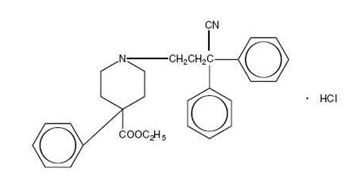
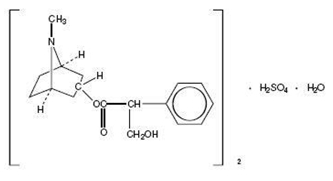
THIS IS NOT AN INNOCUOUS DRUG AND
DOSAGE RECOMMENDATIONS SHOULD BE STRICTLY ADHERED TO, ESPECIALLY IN
CHILDREN. DIPHENOXYLATE HYDROCHLORIDE AND ATROPINE SULFATE IS NOT
RECOMMENDED FOR CHILDREN UNDER 2 YEARS OF AGE. OVERDOSAGE MAY RESULT IN
SEVERE RESPIRATORY DEPRESSION AND COMA, POSSIBLY LEADING TO PERMANENT
BRAIN DAMAGE OR DEATH (See OVERDOSAGE). THEREFORE, KEEP THIS MEDICATION OUT OF THE REACH OF CHILDREN.
THE USE OF DIPHENOXYLATE HYDROCHLORIDE AND ATROPINE SULFATE SHOULD BE
ACCOMPANIED BY APPROPRIATE FLUID AND ELECTROLYTE THERAPY, WHEN
INDICATED. IF SEVERE DEHYDRATION OR ELECTROLYTE IMBALANCE IS PRESENT,
THIS PRODUCT SHOULD BE WITHHELD UNTIL APPROPRIATE CORRECTIVE THERAPY
HAS BEEN INITIATED. DRUG-INDUCED INHIBITION OF PERISTALSIS MAY RESULT
IN FLUID RETENTION IN THE INTESTINE, WHICH MAY FURTHER AGGRAVATE
DEHYDRATION AND ELECTROLYTE IMBALANCE.
DIPHENOXYLATE HYDROCHLORIDE AND ATROPINE SULFATE SHOULD BE USED WITH
SPECIAL CAUTION IN YOUNG CHILDREN BECAUSE THIS AGE GROUP MAY BE
PREDISPOSED TO DELAYED DIPHENOXYLATE TOXICITY AND BECAUSE OF THE
GREATER VARIABILITY OF RESPONSE IN THIS AGE GROUP.
Antiperistaltic
agents may prolong and/or worsen diarrhea associated with organisms
that penetrate the intestinal mucosa (toxigenic E. coli, Salmonella, Shigella),
and pseudomembranous enterocolitis associated with broad-spectrum
antibiotics. Antiperistaltic agents should not be used in these
conditions.
In some patients with acute ulcerative colitis,
agents that inhibit intestinal motility or prolong intestinal transit
time have been reported to induce toxic megacolon. Consequently,
patients with acute ulcerative colitis should be carefully observed and
therapy should be discontinued promptly if abdominal distention occurs
or if other untoward symptoms develop.
Since the chemical
structure of diphenoxylate hydrochloride is similar to that of
meperidine hydrochloride, the concurrent use of this product with
monoamine oxidase (MAO) inhibitors may, in theory, precipitate
hypertensive crisis.
This product should be used with extreme
caution in patients with advanced hepatorenal disease and in all
patients with abnormal liver function since hepatic coma may be
precipitated.
Diphenoxylate hydrochloride may potentiate the
action of barbiturates, tranquilizers, and alcohol. Therefore, the
patient should be closely observed when any of these are used
concomitantly.