- Initial and subsequent doses: 500 mg/m2 administered as a 120-minute intravenous infusion every 2 weeks
Complete ERBITUX administration 1 hour prior to irinotecan or FOLFIRI. Continue treatment until disease progression or unacceptable toxicity.
Squamous Cell Carcinoma of the Head and Neck (SCCHN)
In Combination with Radiation Therapy
The safety of ERBITUX in combination with radiation therapy compared to radiation therapy alone was evaluated in BONNER. The data described below reflect exposure to ERBITUX in 420 patients with locally or regionally advanced SCCHN. ERBITUX was administered at the recommended dosage (400 mg/m2 initial dose, followed by 250 mg/m2 weekly). Patients received a median of 8 infusions (range 1 to 11) [see Clinical Studies (14.1)].
Table 2 provides the frequency and severity of adverse reactions in BONNER.
Table 2: Selected Adverse Reactions in ≥10% of Patients with Locoregionally Advanced SCCHN (BONNER)a| Adverse Reaction | ERBITUX with Radiation
(n=208) | Radiation Therapy Alone
(n=212) |
|---|
Grades
1–4b | Grades
3 and 4 | Grades
1–4 | Grades
3 and 4 |
|---|
|
|
|
|
|
|
| General |
| Asthenia
| 56
| 4
| 49
| 5
|
| Feverc | 29
| 1
| 13
| 1
|
| Headache
| 19
| <1
| 8
| <1
|
| Chillsc | 16
| 0
| 5
| 0
|
| Infusion Reactiond | 15
| 3
| 2
| 0
|
| Infection
| 13
| 1
| 9
| 1
|
| Gastrointestinal |
| Nausea
| 49
| 2
| 37
| 2
|
| Emesis
| 29
| 2
| 23
| 4
|
| Diarrhea
| 19
| 2
| 13
| 1
|
| Dyspepsia
| 14
| 0
| 9
| 1
|
| Metabolism and Nutrition |
| Weight Loss
| 84
| 11
| 72
| 7
|
| Dehydration
| 25
| 6
| 19
| 8
|
| Increased Alanine Transaminasee | 43
| 2
| 21
| 1
|
| Increased Aspartate Transaminasee | 38
| 1
| 24
| 1
|
| Increased Alkaline Phosphatasee | 33
| <1
| 24
| 0
|
| Respiratory |
| Pharyngitis
| 26
| 3
| 19
| 4
|
| Dermatologic |
| Acneiform Rashf | 87
| 17
| 10
| 1
|
| Radiation Dermatitis
| 86
| 23
| 90
| 18
|
| Application Site Reaction
| 18
| 0
| 12
| 1
|
| Pruritus
| 16
| 0
| 4
| 0
|
The overall incidence of late radiation toxicities (any grade) was higher for patients receiving ERBITUX in combination with radiation therapy compared with radiation therapy alone. The following sites were affected: salivary glands (65% versus 56%), larynx (52% versus 36%), subcutaneous tissue (49% versus 45%), mucous membrane (48% versus 39%), esophagus (44% versus 35%), skin (42% versus 33%). The incidence of Grade 3 or 4 late radiation toxicities was similar between the radiation therapy alone and the ERBITUX with radiation treatment groups.
In Combination with Platinum-based Therapy and Fluorouracil
The safety of a cetuximab product in combination with platinum-based therapy and fluorouracil or platinum-based therapy and fluorouracil alone was evaluated in EXTREME. The data described below reflect exposure to a cetuximab product in 434 patients with recurrent locoregional disease or metastatic SCCHN. Because ERBITUX provides approximately 22% higher exposure relative to the cetuximab product, the data provided below may underestimate the incidence and severity of adverse reactions anticipated with ERBITUX for this indication; however, the tolerability of the recommended dose is supported by safety data from additional studies of ERBITUX [see Clinical Pharmacology (12.3)]. Cetuximab was administered intravenously at a dosage of 400 mg/m2 for the initial dose, followed by 250 mg/m2 weekly. Patients received a median of 17 infusions (range 1 to 89) [see Clinical Studies (14.1)].
Table 3 provides the frequency and severity of adverse reactions in EXTREME.
Table 3: Selected Adverse Reactions in ≥10% of Patients with Recurrent Locoregional Disease or Metastatic SCCHN (EXTREME)a| Adverse Reaction | Cetuximab
with Platinum-based Therapy and fluorouracil
(n=219) | Platinum-based Therapy
and fluorouracil Alone
(n=215) |
|---|
Grades
1–4b | Grades
3 and 4 | Grades
1–4 | Grades
3 and 4 |
|---|
|
|
|
|
|
|
| Eye |
| Conjunctivitis
| 10
| 0
| 0
| 0
|
| Gastrointestinal |
| Nausea
| 54
| 4
| 47
| 4
|
| Diarrhea
| 26
| 5
| 16
| 1
|
| General and Administration Site |
| Pyrexia
| 22
| 0
| 13
| 1
|
| Infusion Reactionc | 10
| 2
| <1
| 0
|
| Infections |
| Infectiond | 44
| 11
| 27
| 8
|
| Metabolism and Nutrition |
| Anorexia
| 25
| 5
| 14
| 1
|
| Hypocalcemia
| 12
| 4
| 5
| 1
|
| Hypokalemia
| 12
| 7
| 7
| 5
|
| Hypomagnesemia
| 11
| 5
| 5
| 1
|
| Dermatologic |
| Acneiform Rashe | 70
| 9
| 2
| 0
|
| Rash
| 28
| 5
| 2
| 0
|
| Acne
| 22
| 2
| 0
| 0
|
| Dermatitis Acneiform
| 15
| 2
| 0
| 0
|
| Dry Skin
| 14
| 0
| <1
| 0
|
| Alopecia
| 12
| 0
| 7
| 0
|
For cardiac disorders, approximately 9% of patients in both treatment arms in EXTREME experienced a cardiac event. The majority of these events occurred in patients who received cisplatin and fluorouracil with or without cetuximab. Cardiac disorders were observed in 11% and 12% of patients who received cisplatin and fluorouracil with or without cetuximab, respectively, and 6% and 4% in patients who received carboplatin and fluorouracil with or without cetuximab, respectively. In both arms, the incidence of cardiovascular events was higher in the cisplatin and fluorouracil containing subgroup. Death attributed to cardiovascular events or sudden death was reported in 3% of the patients in the cetuximab with platinum-based therapy and fluorouracil arm and in 2% of the patients in the platinum-based therapy and fluorouracil alone arm.
K-Ras Wild-type, EGFR-expressing, Metastatic Colorectal Cancer (mCRC)
In Combination with FOLFIRI
The safety of a cetuximab product in combination with FOLFIRI or FOLFIRI alone was evaluated in CRYSTAL. The data described below reflect exposure to a cetuximab product in 667 patients with K-Ras wild-type, EGFR-expressing, mCRC. ERBITUX provides approximately 22% higher exposure compared to this product; however, the safety data from CRYSTAL is consistent in incidence and severity of adverse reactions with those seen for ERBITUX in this indication. Cetuximab was administered intravenously at a dosage of 400 mg/m2 initial dose, followed by 250 mg/m2 weekly. Patients received a median of 24 infusions (range 1 to 224) [see Clinical Studies (14.2)].
Serious adverse reactions included pulmonary embolism, which was reported in 4.4% of patients treated with cetuximab with FOLFIRI as compared to 3.4% of patients treated with FOLFIRI alone.
Table 4 provides the frequency and severity of adverse reactions in CRYSTAL.
Table 4: Selected Adverse Reactions in ≥10% of Patients with K-Ras Wild-type and EGFR-expressing, Metastatic Colorectal Cancer (CRYSTAL)a| Adverse Reaction | Cetuximab
with FOLFIRI
(n=317) | FOLFIRI Alone
(n=350) |
|---|
Grades
1–4b | Grades
3 and 4 | Grades
1–4 | Grades
3 and 4 |
|---|
|
|
|
|
| Hematologic |
| Neutropenia
| 49
| 31
| 42
| 24
|
| Eye |
| Conjunctivitis
| 18
| <1
| 3
| 0
|
| Gastrointestinal |
| Diarrhea
| 66
| 16
| 60
| 10
|
| Stomatitis
| 31
| 3
| 19
| 1
|
| Dyspepsia
| 16
| 0
| 9
| 0
|
| General and Administration Site |
| Pyrexia
| 26
| 1
| 14
| 1
|
| Weight Decreased
| 15
| 1
| 9
| 1
|
| Infusion Reactionc | 14
| 2
| <1
| 0
|
| Infections |
| Paronychia
| 20
| 4
| <1
| 0
|
| Metabolism and Nutrition |
| Anorexia
| 30
| 3
| 23
| 2
|
| Dermatologic |
| Acne-like Rashd | 86
| 18
| 13
| <1
|
| Rash
| 44
| 9
| 4
| 0
|
| Dermatitis Acneiform
| 26
| 5
| <1
| 0
|
| Dry Skin
| 22
| 0
| 4
| 0
|
| Acne
| 14
| 2
| 0
| 0
|
| Pruritus
| 14
| 0
| 3
| 0
|
| Palmar-plantar Erythrodysesthesia Syndrome
| 19
| 4
| 4
| <1
|
| Skin Fissures
| 19
| 2
| 1
| 0
|
As Single-Agent
The safety of ERBITUX with best supportive care (BSC) or BSC alone was evaluated in Study CA225-025. The data described below reflect exposure to ERBITUX in 242 patients with K-Ras wild-type, EGFR-expressing, metastatic colorectal cancer (mCRC) [see Warnings and Precautions (5.8)]. ERBITUX was administered intravenously at the recommended dosage (400 mg/m2 initial dose, followed by 250 mg/m2 weekly). Patients received a median of 17 infusions (range 1 to 51) [see Clinical Studies (14.2)].
Table 5 provides the frequency and severity of adverse reactions in Study CA225-025.
Table 5: Selected Adverse Reactions in ≥10% of Patients with K-Ras Wild-type, EGFR-expressing, Metastatic Colorectal Cancer Treated with Single-Agent ERBITUX (Study CA225-025)a| Adverse Reaction | ERBITUX with BSC
(n=118) | BSC alone
(n=124) |
|---|
Grades
1–4b | Grades
3 and 4 | Grades
1–4 | Grades
3 and 4 |
|---|
|
|
|
| Dermatologic |
| Rash/Desquamation
| 95
| 16
| 21
| 1
|
| Dry Skin
| 57
| 0
| 15
| 0
|
| Pruritus
| 47
| 2
| 11
| 0
|
| Other-Dermatology
| 35
| 0
| 7
| 2
|
| Nail Changes
| 31
| 0
| 4
| 0
|
| General |
| Fatigue
| 91
| 31
| 79
| 29
|
| Fever
| 25
| 3
| 16
| 0
|
| Infusion Reactionsc | 18
| 3
| 0
| 0
|
| Rigors, Chills
| 16
| 1
| 3
| 0
|
| Pain |
| Pain-Other
| 59
| 18
| 37
| 10
|
| Headache
| 38
| 2
| 11
| 0
|
| Bone Pain
| 15
| 4
| 8
| 2
|
| Pulmonary |
| Dyspnea
| 49
| 16
| 44
| 13
|
| Cough
| 30
| 2
| 19
| 2
|
| Gastrointestinal |
| Nausea
| 64
| 6
| 50
| 6
|
| Constipation
| 53
| 3
| 38
| 3
|
| Diarrhea
| 42
| 2
| 23
| 2
|
| Vomiting
| 40
| 5
| 26
| 5
|
| Stomatitis
| 32
| 1
| 10
| 0
|
| Other
| 22
| 12
| 16
| 5
|
| Dehydration
| 13
| 5
| 3
| 0
|
| Mouth Dryness
| 12
| 0
| 6
| 0
|
| Taste Disturbance
| 10
| 0
| 5
| 0
|
| Infection |
| Infection without neutropenia
| 38
| 11
| 19
| 5
|
| Musculoskeletal |
| Arthralgia
| 14
| 3
| 6
| 0
|
| Neurological |
| Neuropathy-sensory
| 45
| 1
| 38
| 2
|
| Insomnia
| 27
| 0
| 13
| 0
|
| Confusion
| 18
| 6
| 10
| 2
|
| Anxiety
| 14
| 1
| 5
| 1
|
| Depression
| 14
| 0
| 5
| 0
|
In Combination with Irinotecan
ERBITUX at the recommended dosage was administered in combination with irinotecan in 354 patients with EGFR-expressing recurrent mCRC in Study CP02-9923 and BOND.
The most common adverse reactions were acneiform rash (88%), asthenia/malaise (73%), diarrhea (72%), and nausea (55%). The most common Grades 3–4 adverse reactions included diarrhea (22%), leukopenia (17%), asthenia/malaise (16%), and acneiform rash (14%).
Risk Summary
Based on findings from animal studies and its mechanism of action [see Clinical Pharmacology (12.1)], ERBITUX can cause fetal harm when administered to a pregnant woman. There are no available data for ERBITUX exposure in pregnant women. In an animal reproduction study, intravenous administration of cetuximab once weekly to pregnant cynomolgus monkeys during the period of organogenesis resulted in an increased incidence of embryolethality and abortion. Disruption or depletion of EGFR in animal models results in impairment of embryo-fetal development including effects on placental, lung, cardiac, skin, and neural development (see Data). Human IgG is known to cross the placental barrier; therefore, cetuximab may be transmitted from the mother to the developing fetus. Advise pregnant women of the potential risk to a fetus.
In the U.S. general population, the estimated background risk of major birth defects and miscarriage in clinically recognized pregnancies is 2 to 4% and 15 to 20% respectively.
Data
Animal Data
Pregnant cynomolgus monkeys were administered cetuximab intravenously once weekly during the period of organogenesis (gestation day [GD] 20-48) at dose levels 0.4 to 4 times the recommended dose of ERBITUX based on body surface area (BSA). Cetuximab was detected in the amniotic fluid and in the serum of embryos from treated dams on GD 49. While no fetal malformations occurred in offspring, there was an increased incidence of embryolethality and abortions at doses approximately 1 to 4 times the recommended dose of ERBITUX based on BSA.
In mice, EGFR is critically important in reproductive and developmental processes including blastocyst implantation, placental development, and embryo-fetal/postnatal survival and development. Reduction or elimination of embryo-fetal or maternal EGFR signaling can prevent implantation, can cause embryo-fetal loss during various stages of gestation (through effects on placental development), and can cause developmental anomalies and early death in surviving fetuses. Adverse developmental outcomes were observed in multiple organs in embryos/neonates of mice with disrupted EGFR signaling.
Risk Summary
There is no information regarding the presence of ERBITUX in human milk, the effects on the breastfed infant, or the effects on milk production. Human IgG antibodies can be excreted in human milk. Due to the potential for serious adverse reactions in breastfed infants from ERBITUX, advise women not to breastfeed during treatment with ERBITUX and for 2 months after the last dose of ERBITUX.
Pregnancy Testing
Verify pregnancy status in females of reproductive potential prior to initiating ERBITUX [see Use in Specific Population (8.1)].
Contraception
Based on its mechanism of action, ERBITUX can cause harm to the fetus when administered to a pregnant woman [see Use in Specific Populations (8.1)].
Females
Advise females of reproductive potential to use effective contraception during treatment with ERBITUX and for 2 months after the last dose of ERBITUX.
Infertility
Females
Based on animal studies, ERBITUX may impair fertility in females of reproductive potential [see Nonclinical Toxicology (13.1)].
Distribution
The volume of the distribution for cetuximab appeared to be independent of dose and approximated the vascular space of 2–3 L/m2.
Elimination
Following the recommended dosage (400 mg/m2 initial dose; 250 mg/m2 weekly dose), concentrations of cetuximab reached steady-state levels by the third weekly infusion with mean peak and trough concentrations across studies ranging from 168 μg/mL to 235 μg/mL and 41 μg/mL to 85 μg/mL, respectively. The mean half-life of cetuximab was approximately 112 hours (63 to 230 hours).
Specific Population
Age, sex, race, hepatic and renal function had no clinically significant effect on the pharmacokinetics of cetuximab. Clearance of cetuximab increased 1.8-fold as body surface area increased from 1.3 m2 to 2.3 m2, which is consistent with the recommended dosing of cetuximab on mg/m2 basis.
Drug Interaction Studies
No pharmacokinetic interaction was observed between cetuximab and irinotecan, cetuximab and cisplatin, and cetuximab and carboplatin.
In Combination with Radiation Therapy
BONNER (NCT00004227) was a randomized, multicenter, controlled trial of 424 patients with locally or regionally advanced SCCHN. Patients with Stage III/IV SCCHN of the oropharynx, hypopharynx, or larynx with no prior therapy were randomized (1:1) to receive either ERBITUX in combination with radiation therapy or radiation therapy alone. Stratification factors were Karnofsky performance status (60–80 versus 90–100), nodal stage (N0 versus N+), tumor stage (T1–3 versus T4 using American Joint Committee on Cancer 1998 staging criteria), and radiation therapy fractionation (concomitant boost versus once-daily versus twice-daily). Radiation therapy was administered for 6–7 weeks as once-daily, twice-daily, or concomitant boost. ERBITUX was administered intravenously as a 400 mg/m2 initial dose beginning one week prior to initiation of radiation therapy, followed by 250 mg/m2 weekly administered 1 hour prior to radiation therapy for the duration of radiation therapy (6–7 weeks). The main efficacy outcome measure was duration of locoregional control. Another outcome measure was overall survival (OS).
Of the 424 randomized patients, the median age was 57 years, 80% were male, 83% were White, and 90% had baseline Karnofsky performance status ≥80. There were 258 patients enrolled in U.S. sites (61%). Sixty percent of patients had oropharyngeal, 25% laryngeal, and 15% hypopharyngeal primary tumors; 28% had AJCC T4 tumor stage. Fifty-six percent of the patients received radiation therapy with concomitant boost, 26% received once-daily regimen, and 18% twice-daily regimen.
Efficacy results are presented in Table 6.
Table 6: Efficacy Results in Locoregionally Advanced SCCHN in BONNER
| ERBITUX plus Radiation
(n=211) | Radiation Alone
(n=213) | Hazard Ratio
(95% CIa) | Stratified Log-rank
p-value |
|---|
|
| Locoregional Control |
| Median duration (months)
| 24.4
| 14.9
| 0.68 (0.52–0.89)
| 0.005
|
| Overall Survival |
| Median duration (months)
| 49.0
| 29.3
| 0.74 (0.57–0.97)
| 0.03
|
In Combination with Platinum-based Therapy with Fluorouracil
EXTREME (NCT00122460) was an open-label, randomized, multicenter, controlled trial of 442 patients with recurrent locoregional disease or metastatic SCCHN. Patients with no prior therapy for recurrent locoregional disease or metastatic SCCHN were randomized (1:1) to receive a cetuximab product in combination with platinum-based therapy and fluorouracil or platinum-based therapy and fluorouracil alone. Choice of cisplatin or carboplatin was at the discretion of the investigator. Stratification factors were Karnofsky performance status (<80 versus ≥80) and previous chemotherapy. Cisplatin (100 mg/m2 intravenously on Day 1) or carboplatin (AUC 5 mg/mL*min intravenously on Day 1) and fluorouracil (1000 mg/m2/day intravenously on Days 1–4) were administered every 3 weeks (1 cycle) for a maximum of 6 cycles in the absence of disease progression or unacceptable toxicity. Cetuximab was administered intravenously at a 400 mg/m2 initial dose, followed by a 250 mg/m2 weekly dose. In the absence of disease progression or unacceptable toxicity after completion of 6 planned courses of platinum-based therapy, weekly cetuximab as a single-agent could be continued until disease progression or unacceptable toxicity. If chemotherapy was delayed because of adverse reactions, weekly cetuximab was continued. If chemotherapy was discontinued for adverse reactions, weekly cetuximab as a single-agent could be continued until disease progression or unacceptable toxicity. The main efficacy outcome measure was OS. Other outcome measures were PFS and objective response rate (ORR).
Of the 442 randomized patients, the median age was 57 years, 90% were male, 98% were White, and 88% had baseline Karnofsky performance status ≥80. Thirty-four percent of patients had oropharyngeal, 25% laryngeal, 20% oral cavity, and 14% hypopharyngeal primary tumors. Fifty-three percent of patients had recurrent locoregional disease only and 47% had metastatic disease. Fifty-eight percent had AJCC Stage IV disease and 21% had Stage III disease. Sixty-four percent of patients received cisplatin therapy and 34% received carboplatin as initial therapy. Approximately fifteen percent of the patients in the cisplatin alone arm switched to carboplatin during the treatment period.
Efficacy results are presented in Table 7 and Figure 1.
Table 7: Efficacy Results in Recurrent Locoregional Disease or Metastatic SCCHN in EXTREME
| Cetuximab with Platinum-based Therapy and Fluorouracil
(n=222) | Platinum-based Therapy and Fluorouracil
(n=220) |
|---|
|
|
| Overall Survival |
| Median Duration (months)
| 10.1
| 7.4
|
| Hazard Ratio (95% CIa)
| 0.80 (0.64, 0.98)
|
| Stratified Log-rank p-value
| 0.034
|
| Progression-free Survival |
| Median Duration (months)
| 5.5
| 3.3
|
| Hazard Ratio (95% CIa)
| 0.57 (0.46, 0.72)
|
| Stratified Log-rank p-value
| <0.0001
|
| Objective Response Rate | 35.6%
| 19.5%
|
| Odds Ratio (95% CIa)
| 2.33 (1.50, 3.60)
|
| CMHb Test p-value
| 0.0001
|
Figure 1: Kaplan-Meier Curves for Overall Survival in Patients with Recurrent Locoregional Disease or Metastatic SCCHN in EXTREME
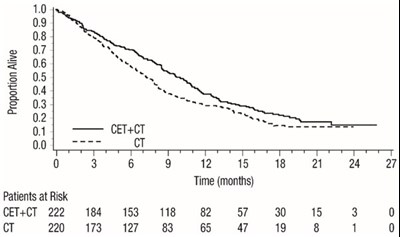
Figure 1 (Erbitux Uspi F1v1)
CT = Platinum-based therapy with fluorouracil
CET = another cetuximab product
In exploratory subgroup analyses by initial platinum therapy (cisplatin or carboplatin), for patients (N=284) receiving cetuximab in combination with cisplatin and fluorouracil compared to cisplatin and fluorouracil alone, the difference in median OS was 3.3 months (10.6 versus 7.3 months; HR 0.71; 95% CI 0.54, 0.93). The difference in median PFS was 2.1 months (5.6 versus 3.5 months; HR 0.55; 95% CI 0.41, 0.73). The ORR was 39% and 23%, respectively (OR 2.18; 95% CI 1.29, 3.69).
For patients (N=149) receiving cetuximab in combination with carboplatin and fluorouracil compared to carboplatin and fluorouracil alone, the difference in median OS was 1.4 months (9.7 versus 8.3 months; HR 0.99; 95% CI 0.69, 1.43). The difference in median PFS was 1.7 months (4.8 versus 3.1 months, respectively; HR 0.61; 95% CI 0.42, 0.89). The ORR was 30% and 15%, respectively (OR 2.45; 95% CI 1.10, 5.46).
As Single-Agent
EMR 62202-016 was a single-arm, multicenter clinical trial in 103 patients with recurrent or metastatic SCCHN. All patients had documented disease progression within 30 days of a platinum-based chemotherapy regimen. Patients were administered intravenously a 20-mg test dose of ERBITUX on Day 1, followed by a 400 mg/m2 initial dose, and 250 mg/m2 weekly until disease progression or unacceptable toxicity.
The median age was 57 years, 82% were male, 100% White, and 62% had a Karnofsky performance status of ≥80.
The ORR was 13% (95% CI 7%, 21%). Median duration of response (DoR) was 5.8 months (range 1.2 to 5.8 months).
In Combination with FOLFIRI
CRYSTAL (NCT00154102) was a randomized, open-label, multicenter, study of 1217 patients with EGFR-expressing, mCRC. Patients were randomized (1:1) to receive either a cetuximab product in combination with FOLFIRI or FOLFIRI alone as first-line treatment. Stratification factors were Eastern Cooperative Oncology Group (ECOG) performance status (0 and 1 versus 2) and region (Western Europe versus Eastern Europe versus other).
FOLFIRI regimen included 14-day cycles of irinotecan (180 mg/m2 intravenously on Day 1), folinic acid (400 mg/m2 [racemic] or 200 mg/m2 [L-form] intravenously on Day 1), and fluorouracil (400 mg/m2 bolus on Day 1 followed by 2400 mg/m2 as a 46-hour continuous infusion). Cetuximab was administered intravenously as a 400 mg/m2 initial dose , followed by 250 mg/m2 weekly administered 1 hour prior to chemotherapy. Study treatment continued until disease progression or unacceptable toxicity. The main efficacy outcome measure was PFS assessed by an independent review committee (IRC). Other outcome measures were OS and ORR.
Of the 1217 randomized patients, the median age was 61 years, 60% were male, 86% were White, and 96% had a baseline ECOG performance status 0–1, 60% had primary tumor localized in colon, 84% had 1–2 metastatic sites and 20% had received prior adjuvant and/or neoadjuvant chemotherapy. Demographics and baseline characteristics were similar between study arms.
K-Ras mutation status was available for 89% of the patients: 63% had K-Ras wild-type tumors and 37% had K-Ras mutant tumors where testing assessed for the following somatic mutations in codons 12 and 13 (exon 2): G12A, G12D, G12R, G12C, G12S, G12V, G13D. Baseline characteristics and demographics in the K-Ras wild-type subset were similar to that seen in the overall population.
A statistically significant improvement in PFS was observed for the cetuximab with FOLFIRI arm compared with the FOLFIRI arm (median PFS 8.9 vs. 8.1 months, HR 0.85 [95% CI 0.74, 0.99], p-value=0.036). OS was not significantly different at the planned, final analysis based on 838 events (HR=0.93, 95% CI [0.8, 1.1], p-value 0.327).
Results of the planned PFS and ORR analysis in all randomized patients and post-hoc PFS and ORR analysis in subgroups of patients defined by K-Ras mutation status, and post-hoc analysis of updated OS based on additional follow-up (1000 events) in all randomized patients and in subgroups of patients defined by K-Ras mutation status are presented in Table 8 and Figure 2. The treatment effect in the all-randomized population for PFS was driven by treatment effects limited to patients who have K-Ras wild-type tumors. There is no evidence of effectiveness in the subgroup of patients with K-Ras mutant tumors.
Table 8: Efficacy Results in First-line EGFR-expressing, Metastatic Colorectal Cancer in CRYSTAL (All Randomized and K-Ras Status)
| All Randomized | K-Ras Wild-type | K-Ras Mutant |
|---|
Cetuximab with FOLFIRI
(n=608) | FOLFIRI
(n=609) | Cetuximab with FOLFIRI
(n=320) | FOLFIRI
(n=356) | Cetuximab with FOLFIRI (n=216) | FOLFIRI
(n=187) |
|---|
|
|
| Progression-Free Survival |
| Number of Events (%)
| 343 (56)
| 371 (61)
| 165 (52)
| 214 (60)
| 138 (64)
| 112 (60)
|
| Median (months) (95% CI)
| 8.9
(8.0, 9.4)
| 8.1
(7.6, 8.8)
| 9.5
(8.9, 11.1)
| 8.1
(7.4, 9.2)
| 7.5
(6.7, 8.7)
| 8.2
(7.4, 9.2)
|
| HR (95% CI)
| 0.85 (0.74, 0.99)
| 0.70 (0.57, 0.86)
| 1.13 (0.88, 1.46)
|
| p-valuea | 0.0358
| | |
| Overall Survivalb |
| Number of Events (%)
| 491 (81)
| 509 (84)
| 244 (76)
| 292 (82)
| 189 (88)
| 159 (85)
|
Median (months)
(95% CI)
| 19.6
(18, 21)
| 18.5
(17, 20)
| 23.5
(21, 26)
| 19.5
(17, 21)
| 16.0
(15, 18)
| 16.7
(15, 19)
|
| HR (95% CI)
| 0.88 (0.78, 1.0)
| 0.80 (0.67, 0.94)
| 1.04 (0.84, 1.29)
|
| Objective Response Rate |
| ORR (95% CI)
| 46%
(42, 50)
| 38%
(34, 42)
| 57%
(51, 62)
| 39%
(34, 44)
| 31%
(25, 38)
| 35%
(28, 43)
|
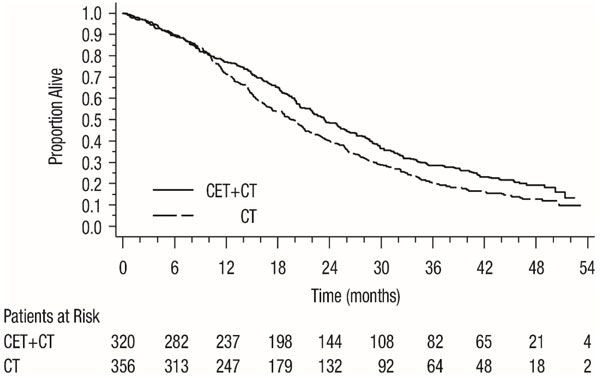
Figure 2: Kaplan-Meier Curves for Overall Survival in the K-Ras Wild-type Population in CRYSTAL
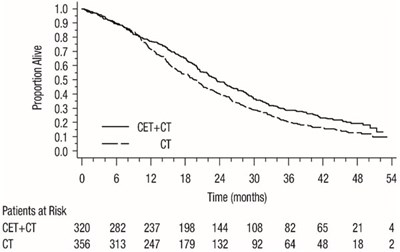
Figure 2 (Erbitux Uspi F2v1)
As Single-Agent
Study CA225-025 (NCT00079066) was a multicenter, open-label, randomized, clinical trial conducted in 572 patients with EGFR-expressing, previously treated, recurrent mCRC. Patients were randomized (1:1) to receive either ERBITUX with best supportive care (BSC) or BSC alone. ERBITUX was administered intravenously as a 400 mg/m2 initial dose, followed by 250 mg/m2 weekly until disease progression or unacceptable toxicity. The main efficacy outcome measure was OS.
Of the 572 randomized patients, the median age was 63 years, 64% were male, 89% were White, and 77% had baseline ECOG performance status of 0–1. Demographics and baseline characteristics were similar between study arms. All patients were to have received and progressed on prior therapy including an irinotecan-containing regimen and an oxaliplatin-containing regimen.
K-Ras status was available for 79% of the patients: 54% had K-Ras wild-type tumors and 46% had K-Ras mutant tumors where testing assessed for the following somatic mutations in codons 12 and 13 (exon 2): G12A, G12D, G12R, G12C, G12S, G12V, G13D.
Efficacy results are presented in Table 9 and Figure 3.
Table 9: Overall Survival in Previously Treated EGFR-expressing, Metastatic Colorectal Cancer in Study CA225-025 (All Randomized and K-Ras Status)
|
| All Randomized | K-Ras Wild-type | K-Ras Mutant |
ERBITUX with BSC
(N=287) | BSC
(N=285) | ERBITUX with BSC
(N=117) | BSC
(N=128) | ERBITUX with BSC
(N=108) | BSC
(N=100) |
Median (months)
(95% CI)
| 6.1
(5.4, 6.7)
| 4.6
(4.2, 4.9)
| 8.6
(7.0, 10.3)
| 5.0
(4.3, 5.7)
| 4.8
(3.9, 5.6)
| 4.6
(3.6, 4.9)
|
HR
(95% CI)
| 0.77
(0.64, 0.92)
| 0.63
(0.47, 0.84)
| 0.91
(0.67, 1.24)
|
| p-valuea | 0.0046
| | |
Figure 3: Kaplan-Meier Curves for Overall Survival in Patients with K-Ras Wild-type Metastatic Colorectal Cancer in Study CA225-025
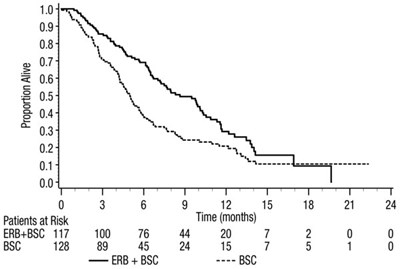
Figure 3 (Erbitux Uspi F3v1)
In Combination with Irinotecan
BOND was a multicenter, clinical trial conducted in 329 patients with EGFR-expressing recurrent mCRC. Tumor specimens were not available for testing for K-Ras mutation status. Patients were randomized (2:1) to receive either ERBITUX in combination with irinotecan (218 patients) or ERBITUX single-agent (111 patients). ERBITUX was administered intravenously as a 400 mg/m2 initial dose, followed by 250 mg/m2 weekly until disease progression or unacceptable toxicity. In the ERBITUX with irinotecan arm, irinotecan was added to ERBITUX using the same dosage for irinotecan as the patient had previously failed. Acceptable irinotecan schedules were 350 mg/m2 every 3 weeks, 180 mg/m2 every 2 weeks, or 125 mg/m2 weekly times four doses every 6 weeks. The efficacy of ERBITUX with irinotecan or ERBITUX single-agent, based on durable objective responses, was evaluated in all randomized patients and in two pre-specified subpopulations: irinotecan refractory and irinotecan and oxaliplatin failures.
Of the 329 patients, the median age was 59 years, 63% were male, 98% were White, and 88% had baseline Karnofsky performance status ≥80. Approximately two-thirds had previously failed oxaliplatin treatment.
In patients receiving ERBITUX with irinotecan, the ORR was 23% (95% CI 18%, 29%), median DoR was 5.7 months, and median time to progression was 4.1 months. In patients receiving ERBITUX as a single-agent, the ORR was 11% (95% CI 6%, 18%), median DoR was 4.2 months, and median time to progression was 1.5 months. Similar response rates were observed in the pre-defined subsets in both the combination arm and single-agent arm.
Infusion Reactions
Advise patients that the risk of serious infusion reactions may be increased in patients who have had a tick bite or red meat allergy. Advise patients to contact their healthcare provider and to report signs and symptoms of infusion reactions, including late onset infusion reactions, such as fever, chills, or breathing problems [see Warnings and Precautions (5.1)].
Cardiopulmonary Arrest
Advise patients of the risk of cardiopulmonary arrest or sudden death and to report any history of coronary artery disease, congestive heart failure, or arrhythmias [see Warnings and Precautions (5.2)].
Pulmonary Toxicity
Advise patients to contact their healthcare provider immediately for new or worsening cough, chest pain, or shortness of breath [see Warnings and Precautions (5.3)].
Dermatologic Toxicities
Advise patients to limit sun exposure during ERBITUX treatment and for 2 months after the last dose of ERBITUX. Advise patients to notify their healthcare provider of any sign of acne-like rash, (which can include itchy, dry, scaly, or cracking skin and inflammation, infection or swelling at the base of the nails or loss of the nails), conjunctivitis, blepharitis, or decreased vision [see Warnings and Precautions (5.4)].
Embryo-Fetal Toxicity
Advise female patients of reproductive potential of the potential risk to a fetus and to use effective contraception during ERBITUX treatment and for 2 months after the last dose of ERBITUX. Advise patients to inform their healthcare provider of a known or suspected pregnancy [see Warnings and Precautions (5.8), Use in Specific Populations (8.3)].
Lactation
Advise patients not to breastfeed during ERBITUX treatment and for 2 months after the last dose of ERBITUX [see Use in Specific Populations (8.2)].
ERBITUX® is a registered trademark of ImClone LLC a wholly-owned subsidiary of Eli Lilly and Company.
Manufactured by ImClone LLC a wholly-owned subsidiary of Eli Lilly and Company, Branchburg, NJ 08876 USA
Eli Lilly and Company, Indianapolis, IN 46285, USA
US License No. 1827
Copyright © 2004, 2021, ImClone LLC a wholly-owned subsidiary of Eli Lilly and Company. All rights reserved.
ERB-0007-USPI-20210406