Rocuronium Injection, Solution
Product Images NDC 66794-228
View Photos of Packaging, Regulatory Labels, and Product Appearance
Product Visual Gallery
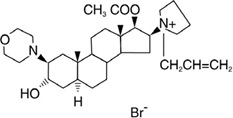
This gallery contains 8 technical images submitted to the FDA as part of the official labeling for Rocuronium (NDC 66794-228). Unlike standard consumer photos, these assets often include clinical data figures, molecular chemical structures, and official manufacturer packaging layouts.
As provided by Piramal Critical Care Inc, these visuals offer a comprehensive scientific overview of the product's physical and chemical identity, aiding pharmacists and researchers in product verification and study.
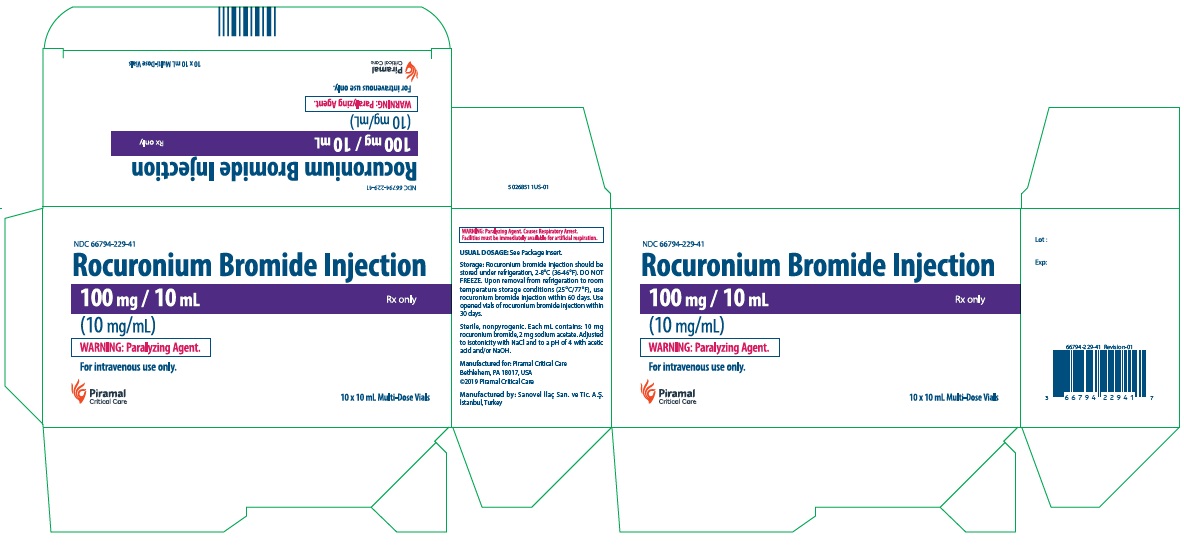
Ctn-100 (Ctn 100mg)
This is a label for a medicine called Rocuronium Bromide Injection. It is a paralyzing agent to be used for intravenous administration only. The injection is available in a 10mL vial with a concentration of 100mg/10mL (10mg/mL). There are some warnings and precautions regarding its use. No further information is provided.*
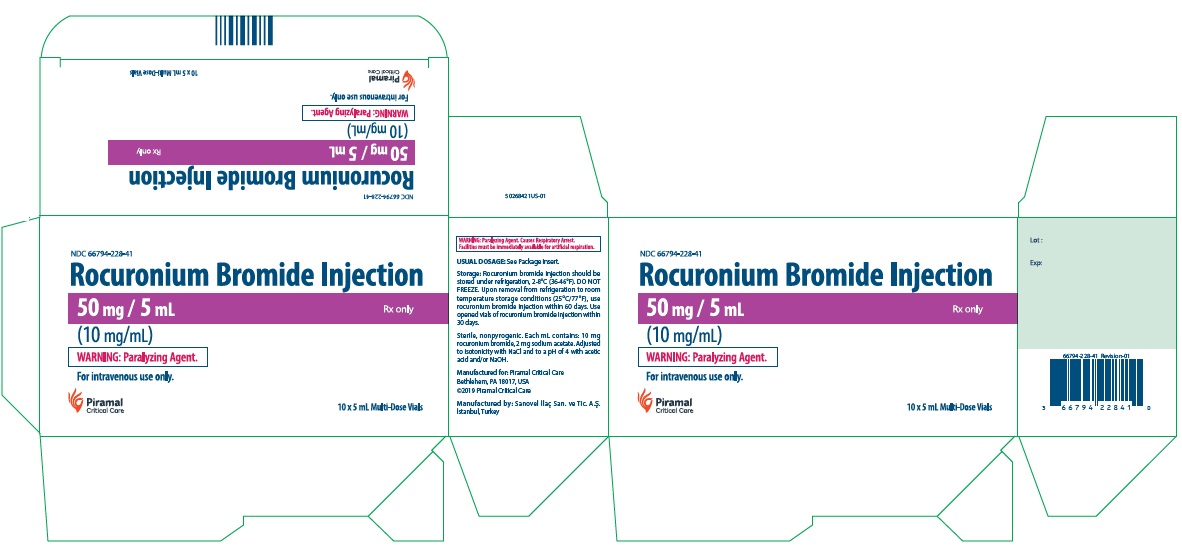
Ctn-50 (Ctn 50mg)
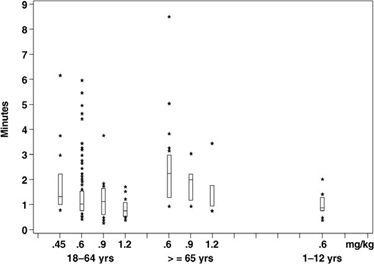
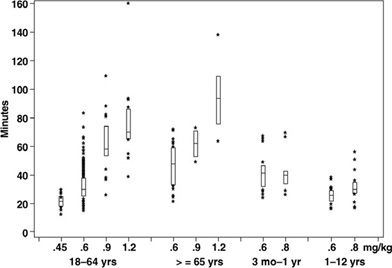
Figure1 (Figure1)
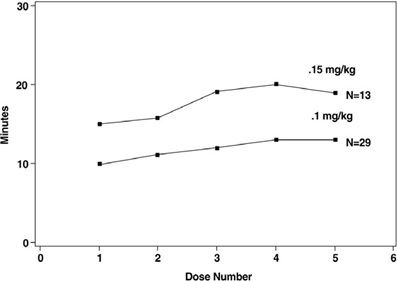
Figure2 (Figure2)
Figure3 (Figure3)
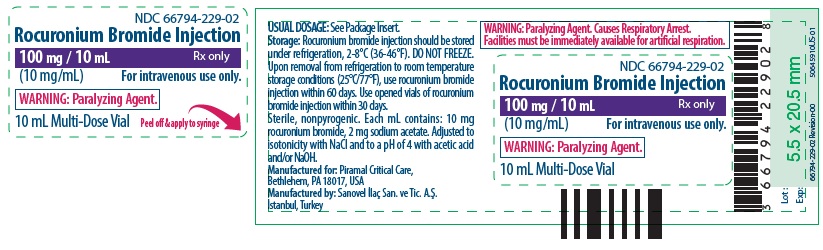
Lbl-100 (Lbl 100mg)
This is a description of a drug called Rocuronium Bromide Injection. It comes in a multi-dose vial and is used for intravenous injection. The dosage varies for different patients, and it can cause respiratory arrest. The drug is a paralyzing agent and should be used with caution. The manufacturer is Sanovel lag San. ve Tic. AS.*
Lbl-50 (Lbl 50mg)
This is a description of Rocuronium Bromide Injection, which is used for intravenous purposes only. The usual dosage instruction is not available. It is a Paralyzing Agent which must be handled with care. It is not recommended to freeze the injection. It must be refrigerated at the storage temperature conditions of 25/77F. The injection has a shelf life of 20 days. Each mL contains 10mg of Rocuronium Bromide. It is sterile, non-pyrogenic and comes with a pH of 4.0 adjusted using acetic acid. The injection is available in a 5mg/mL dosage in a multi-dose vial.*
* These product label images have been analyzed using experimental machine learning. Please verify findings with the primary label text.