Umeclidinium Ellipta Aerosol, Powder
Product Images NDC 66993-189

View Photos of Packaging, Regulatory Labels, and Product Appearance

Product Visual Gallery

This gallery contains 19 technical images submitted to the FDA as part of the official labeling for Umeclidinium Ellipta (NDC 66993-189). Unlike standard consumer photos, these assets often include clinical data figures, molecular chemical structures, and official manufacturer packaging layouts.

As provided by Prasco Laboratories, these visuals offer a comprehensive scientific overview of the product's physical and chemical identity, aiding pharmacists and researchers in product verification and study.

FDA Label Image

Umeclidinium Bromide Chemical Structure (Umeclidinium Ellipta Spl Graphic 01)
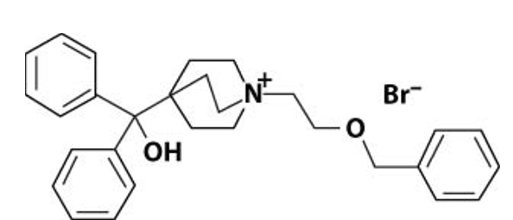
Umeclidinium Bromide Chemical Structure (Umeclidinium Ellipta Spl Graphic 01)
Chemical structure diagram of the active ingredient umeclidinium, showing molecular bonds and atom groupings including aromatic rings, hydroxyl group, and bromide ion.*
FDA Label Image

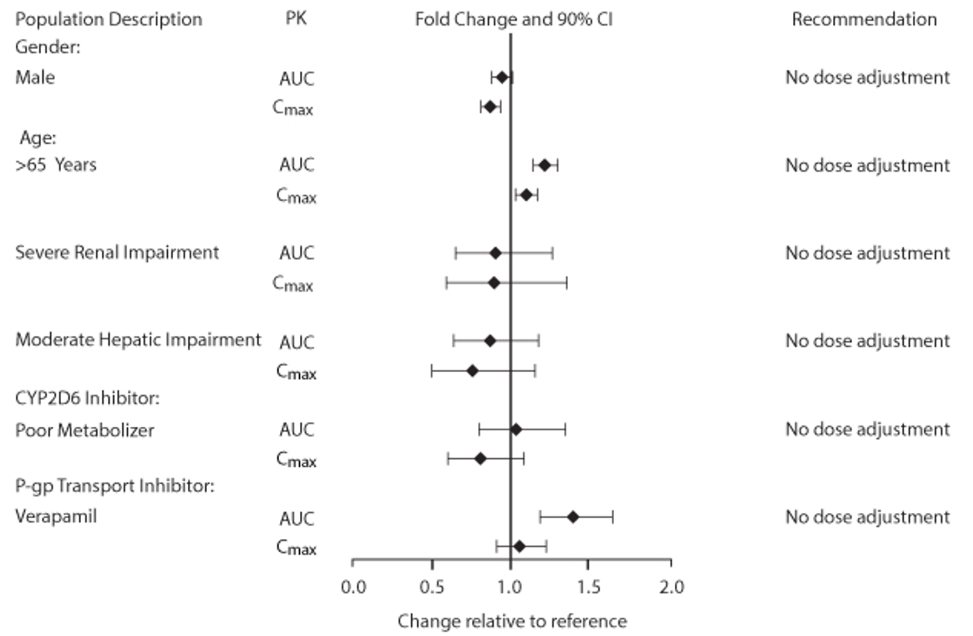
Figure 1 (Umeclidinium Ellipta Spl Graphic 02)

Figure 1 (Umeclidinium Ellipta Spl Graphic 02)
A chart depicting pharmacokinetic (PK) fold changes and 90% confidence intervals (CI) for various population subgroups and conditions relative to a reference. It includes groups by gender, age (>65 years), renal and hepatic impairment, CYP2D6 poor metabolizers, and P-gp inhibitor (verapamil). The x-axis shows change relative to reference, and recommendations indicate no dose adjustment is required for all groups.*
FDA Label Image

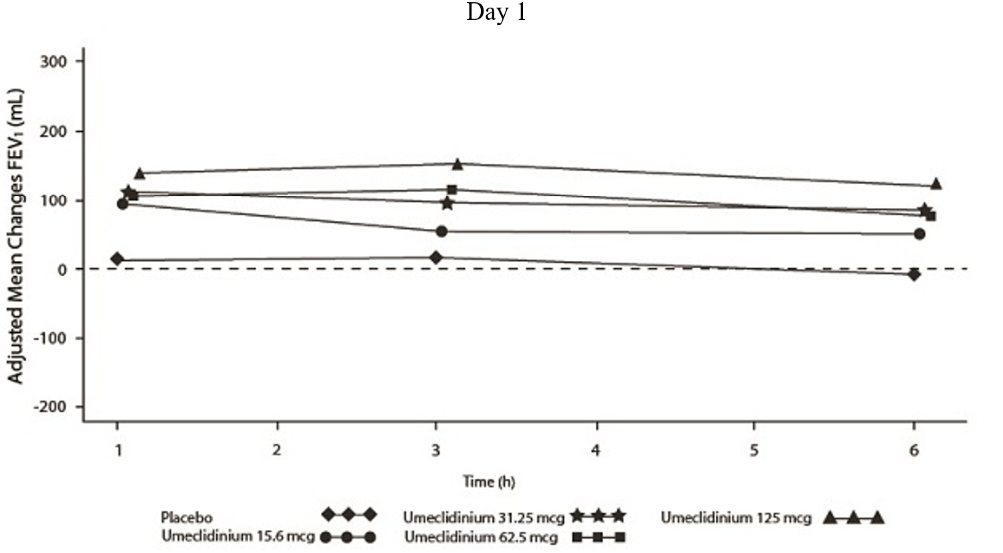
Figure 2 Day 1 (Umeclidinium Ellipta Spl Graphic 03)

Figure 2 Day 1 (Umeclidinium Ellipta Spl Graphic 03)
A line graph depicting adjusted mean changes in FEV1 (mL) over 6 hours on Day 1 for different doses of umeclidinium and placebo. The x-axis represents time in hours, and the y-axis shows the adjusted mean change in FEV1. Five groups are shown: placebo, and umeclidinium at 15.6 mcg, 31.25 mcg, 62.5 mcg, and 125 mcg, each with distinct markers.*
FDA Label Image

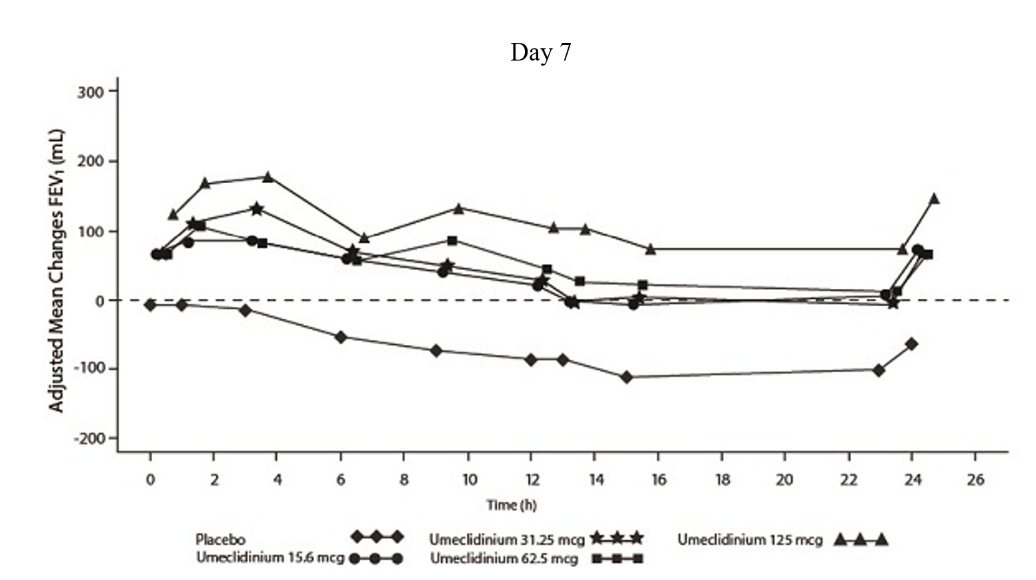
Figure 2 Day 7 (Umeclidinium Ellipta Spl Graphic 04)

Figure 2 Day 7 (Umeclidinium Ellipta Spl Graphic 04)
A line graph titled 'Day 7' showing adjusted mean changes in FEV1 (mL) over time (hours) for different dosages of umeclidinium (15.6 mcg, 31.25 mcg, 62.5 mcg, 125 mcg) compared to placebo. The y-axis measures changes in FEV1, and the x-axis represents time up to 26 hours. Each dosage is represented by distinct symbols, illustrating changes in lung function over time.*
FDA Label Image

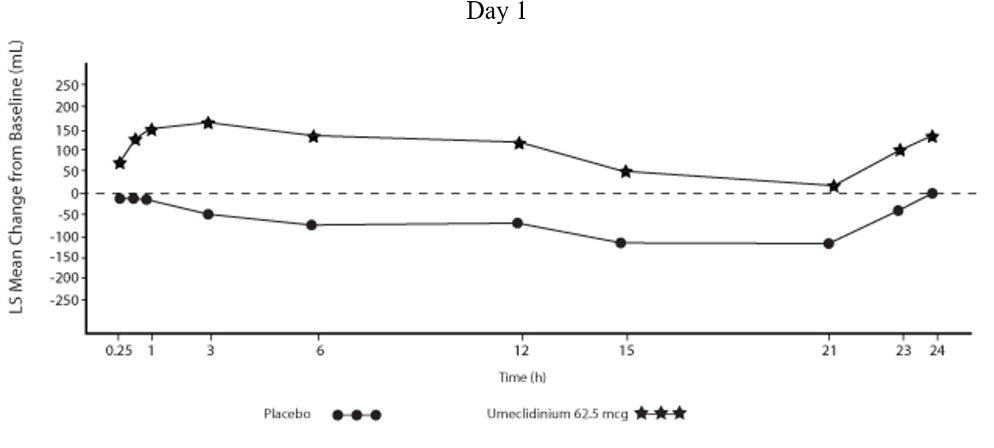
Figure 3 Day 1 (Umeclidinium Ellipta Spl Graphic 05)

Figure 3 Day 1 (Umeclidinium Ellipta Spl Graphic 05)
A line graph depicting the least squares mean change from baseline in milliliters over 24 hours on day 1 for umeclidinium 62.5 mcg and placebo. The x-axis represents time in hours, and the y-axis shows change from baseline in mL. Two data series are plotted: umeclidinium with stars showing a positive trend, and placebo with circles showing a negative trend.*
FDA Label Image

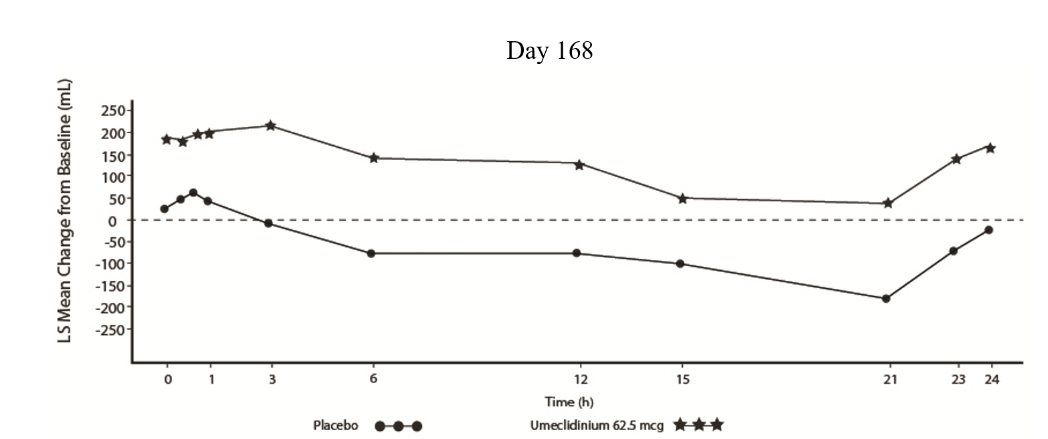
Figure 3 Day 168 (Umeclidinium Ellipta Spl Graphic 06)

Figure 3 Day 168 (Umeclidinium Ellipta Spl Graphic 06)
A line graph titled 'Day 168' showing the least squares mean change from baseline (mL) on the y-axis over 24 hours on the x-axis. It compares two groups: Placebo (solid circles) and Umeclidinium 62.5 mcg (stars). The graph illustrates changes in lung function with time, where Umeclidinium maintains higher positive changes compared to placebo, which declines over time.*
FDA Label Image

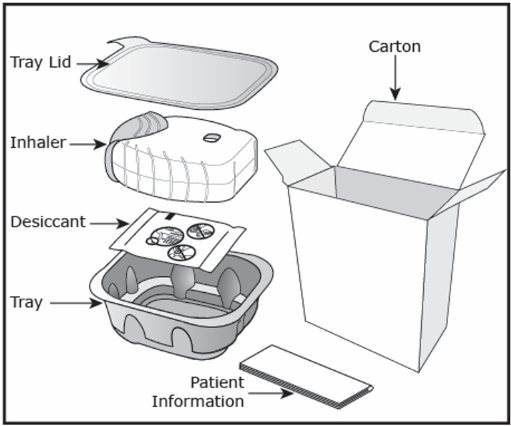
Umeclidinium Ellipta Inhaler (Umeclidinium Ellipta Spl Graphic 07)

Umeclidinium Ellipta Inhaler (Umeclidinium Ellipta Spl Graphic 07)
An exploded diagram showing components of the Umeclidinium Ellipta inhaler packaging. It includes the inhaler device, tray lid, tray holding a desiccant packet, carton, and a patient information leaflet, illustrating each part separately for clarity.*
FDA Label Image

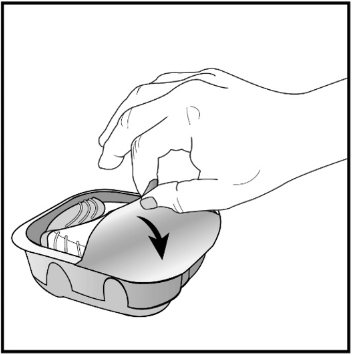
Figure A (Umeclidinium Ellipta Spl Graphic 08)

Figure A (Umeclidinium Ellipta Spl Graphic 08)
An instructional diagram showing a hand lifting the foil seal on a blister pack containing circular aerosol powder capsules, likely associated with the Umeclidinium Ellipta inhaler powder capsules.*
FDA Label Image

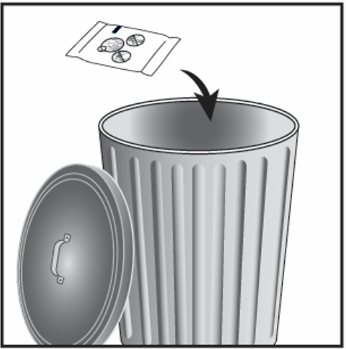
Figure B (Umeclidinium Ellipta Spl Graphic 09)

Figure B (Umeclidinium Ellipta Spl Graphic 09)
An instructional illustration showing a packet being discarded into a trash can, indicated by an arrow. The image likely depicts proper disposal instructions for a product, relevant to Umeclidinium Ellipta aerosol powder packaging or usage.*
FDA Label Image

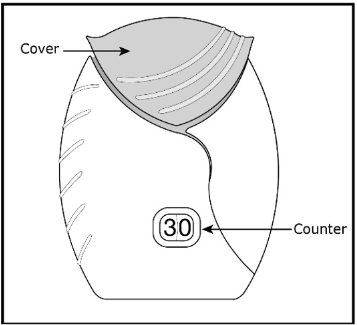
Figure C (Umeclidinium Ellipta Spl Graphic 10)

Figure C (Umeclidinium Ellipta Spl Graphic 10)
An instructional diagram showing a Umeclidinium Ellipta inhaler with labeled parts: the 'Cover' at the top, which is shown partially open, and the 'Counter' displaying the number 30 near the bottom of the device.*
FDA Label Image

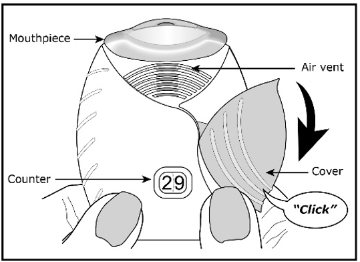
Figure D (Umeclidinium Ellipta Spl Graphic 11)

Figure D (Umeclidinium Ellipta Spl Graphic 11)
An instructional illustration showing use of an aerosol powder inhaler. It labels the mouthpiece, air vent, counter displaying the number 29, and the cover being opened with an arrow indicating the movement, accompanied by the text 'Click'.*
FDA Label Image

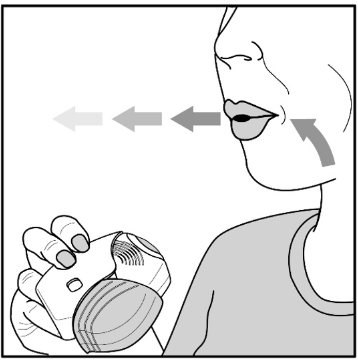
Figure E (Umeclidinium Ellipta Spl Graphic 12)

Figure E (Umeclidinium Ellipta Spl Graphic 12)
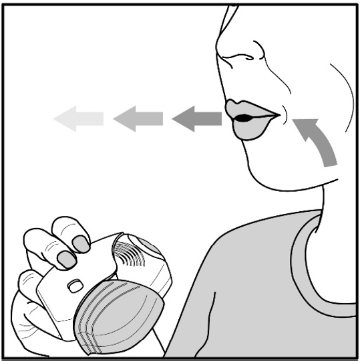
An instructional illustration showing a person using an oral aerosol powder inhaler. The person is exhaling outward away from the inhaler, indicated by arrows pointing away from the mouth, demonstrating proper use technique for Umeclidinium Ellipta inhalation.*
FDA Label Image

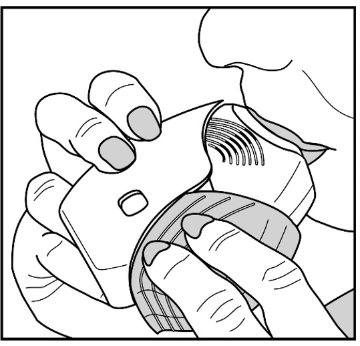
Figure F (Umeclidinium Ellipta Spl Graphic 13)

Figure F (Umeclidinium Ellipta Spl Graphic 13)
An instructional illustration showing a person using an oral aerosol powder inhaler. The person holds the inhaler near their mouth, with fingers positioned on the device as if preparing to inhale the medication.*
FDA Label Image

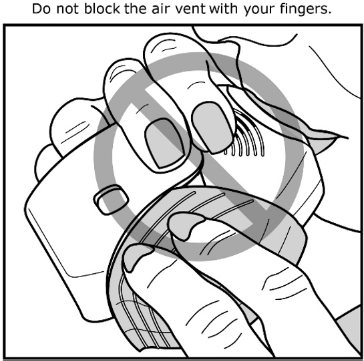
Figure G (Umeclidinium Ellipta Spl Graphic 14)

Figure G (Umeclidinium Ellipta Spl Graphic 14)
Instructional illustration showing a person holding the Umeclidinium Ellipta inhaler and cautioning not to block the air vent with fingers during use.*
FDA Label Image

Figure H (Umeclidinium Ellipta Spl Graphic 15)

Figure H (Umeclidinium Ellipta Spl Graphic 15)
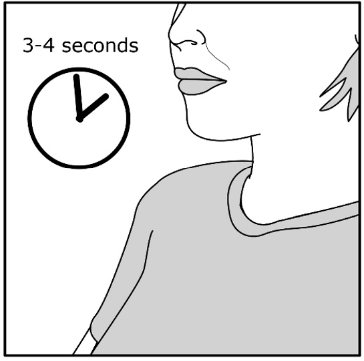
An instructional illustration showing a side profile of a person’s face and upper torso, along with a clock displaying 3-4 seconds. The image likely represents timing guidance related to inhalation technique for an aerosol powder medication.*
FDA Label Image

Figure I (Umeclidinium Ellipta Spl Graphic 16)

Figure I (Umeclidinium Ellipta Spl Graphic 16)
An instructional illustration showing a person holding an inhaler near their mouth, demonstrating the proper technique to inhale the aerosol powder medication with airflow indicated by arrows directed into the mouth.*
FDA Label Image

Figure J (Umeclidinium Ellipta Spl Graphic 17)

Figure J (Umeclidinium Ellipta Spl Graphic 17)
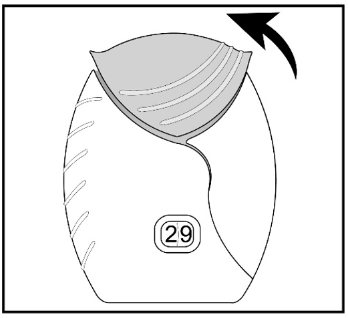
Illustration showing a close-up of the Umeclidinium Ellipta inhaler mouthpiece being opened, indicated by an arrow pointing upwards. The device includes a dose counter displaying the number 29. The inhaler is used for delivering aerosol powder.*
FDA Label Image

Figure K (Umeclidinium Ellipta Spl Graphic 18)

Figure K (Umeclidinium Ellipta Spl Graphic 18)
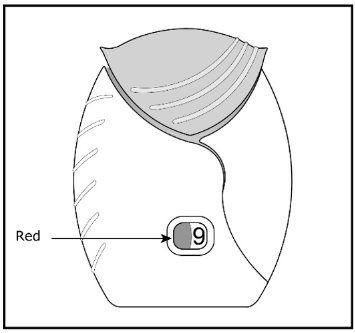
An instructional illustration of the Umeclidinium Ellipta inhaler device showing a close-up of the dose counter window. The diagram highlights the number 9 in red, indicating remaining doses in the inhaler powder device for oral aerosol administration.*
FDA Label Image

Umeclidinium Ellipta 30 Dose Carton (Umeclidinium Ellipta Spl Graphic 19)

Umeclidinium Ellipta 30 Dose Carton (Umeclidinium Ellipta Spl Graphic 19)
Label of Umeclidinium ELLIPTA Inhalation Powder 62.5 mcg by Prasco Laboratories. The label indicates the inhaler is for oral inhalation only, with each blister containing 62.5 mcg of umeclidinium and other inactive ingredients. The package contains 1 ELLIPTA inhaler with 1 foil strip of 30 blisters.*

* About these descriptions: Image descriptions on this page are generated by automated AI analysis of the product label images from the manufacturer's FDA label submission (SPL). They are provided for reference only and may contain errors or omissions. Always rely on the printed label itself and the official FDA labeling, and consult a pharmacist or healthcare professional with any questions about this product.