Postmarketing reports of congestive heart failure have been reported in patients treated with pioglitazone, both with and without previously known heart disease and both with and without concomitant insulin administration.
In postmarketing experience, there have been reports of unusually rapid increases in weight and increases in excess of that generally observed in clinical trials. Patients who experience such increases should be assessed for fluid accumulation and volume-related events such as excessive edema and congestive heart failure [see Boxed Warning and Warnings and Precautions (5.1)].
- Serious hypersensitivity reactions, including anaphylaxis, angioedema, and Stevens-Johnson Syndrome [see Warnings and Precautions (5.3)]
- Hemolytic anemia in patients with and without G6PD deficiency [see Warnings and Precautions (5.9)]
- Impairment of liver function (e.g. with cholestasis and jaundice), as well as hepatitis, which may progress to liver failure
- Porphyria cutanea tarda, photosensitivity reactions and allergic vasculitis
- Leukopenia, agranulocytosis, aplastic anemia, and pancytopenia
- Thrombocytopenia (including severe cases with platelet count less than 10,000/mcL) and thrombocytopenic purpura
- Hepatic porphyria reactions and disulfiram-like reactions
- Hyponatremia and syndrome of inappropriate antidiuretic hormone secretion (SIADH), most often in patients who are on other medications or who have medical conditions known to cause hyponatremia or increase release of antidiuretic hormone
Pioglitazone
An inhibitor of CYP2C8 (e.g., gemfibrozil) significantly increases the exposure (area under the serum concentration-time curve or AUC) and half-life (t½) of pioglitazone. Therefore, the maximum recommended dose of pioglitazone is 15 mg daily if used in combination with gemfibrozil or other strong CYP2C8 inhibitors. Since the minimum dose of pioglitazone in pioglitazone and glimepiride tablets exceeds 15 mg, patients taking concomitant strong CYP2C8 inhibitors should switch to individual components of pioglitazone and glimepiride tablets, unless the prescribing health care provider determines that the benefit of pioglitazone and glimepiride tablets clearly outweighs the risk of increased pioglitazone exposure [see Dosage and Administration (2.3) and Clinical Pharmacology (12.3)].
Pioglitazone
An inducer of CYP2C8 (e.g., rifampin) may significantly decrease the exposure (AUC) of pioglitazone. Therefore, if an inducer of CYP2C8 is started or stopped during treatment with pioglitazone, changes in diabetes treatment may be needed based on clinical response without exceeding the maximum recommended daily dose of 45 mg for pioglitazone [see Clinical Pharmacology (12.3)].
Pioglitazone
A decrease in the exposure of pioglitazone and its active metabolites were noted with concomitant administration of pioglitazone and topiramate [see Clinical Pharmacology (12.3)]. The clinical relevance of this decrease is unknown; however, when pioglitazone and topiramate are used concomitantly, monitor patients for adequate glycemic control.
Glimepiride
A number of medications affect glucose metabolism and may require pioglitazone and glimepiride tablet dose adjustment and particularly close monitoring for hypoglycemia or worsening glycemic control.
The following are examples of medications that may increase the glucose-lowering effect of sulfonylureas including glimepiride, a component of pioglitazone and glimepiride tablets, increasing the susceptibility to and/or intensity of hypoglycemia: oral anti-diabetic medications, pramlintide acetate, insulin, angiotensin converting enzyme (ACE) inhibitors, H2 receptor antagonists, fibrates, propoxyphene, pentoxifylline, somatostatin analogs, anabolic steroids and androgens, cyclophosphamide, phenyramidol, guanethidine, fluconazole, sulfinpyrazone, tetracyclines, clarithromycin, disopyramide, quinolones, and those drugs that are highly protein-bound, such as fluoxetine, nonsteroidal anti-inflammatory drugs, salicylates, sulfonamides, chloramphenicol, coumarins, probenecid and monoamine oxidase inhibitors. When these medications are administered to a patient receiving pioglitazone and glimepiride tablets, monitor the patient closely for hypoglycemia. When these medications are withdrawn from a patient receiving pioglitazone and glimepiride tablets, monitor the patient closely for worsening glycemic control.
The following are examples of medications that may reduce the glucose-lowering effect of sulfonylureas including glimepiride, leading to worsening glycemic control: danazol, glucagon, somatropin, protease inhibitors, atypical antipsychotic medications (e.g., olanzapine and clozapine), barbiturates, diazoxide, laxatives, rifampin, thiazides and other diuretics, corticosteroids, phenothiazines, thyroid hormones, estrogens, oral contraceptives, phenytoin, nicotinic acid, sympathomimetics (e.g., epinephrine, albuterol, terbutaline), and isoniazid. When these medications are administered to a patient receiving pioglitazone and glimepiride tablets, monitor the patient closely for worsening glycemic control. When these medications are withdrawn from a patient receiving pioglitazone and glimepiride tablets, monitor the patient closely for hypoglycemia.
Beta-blockers, clonidine, and reserpine may lead to either potentiation or weakening of pioglitazone and glimepiride tablets glucose-lowering effect.
Both acute and chronic alcohol intake may potentiate or weaken the glucose-lowering action of pioglitazone and glimepiride tablets in an unpredictable fashion.
The signs of hypoglycemia may be reduced or absent in patients taking sympatholytic drugs such as beta-blockers, clonidine, guanethidine, and reserpine.
Glimepiride
A potential interaction between oral miconazole and sulfonylureas leading to severe hypoglycemia has been reported. Whether this interaction also occurs with other dosage forms of miconazole is not known.
Glimepiride
There may be an interaction between glimepiride and inhibitors (e.g., fluconazole) and inducers (e.g., rifampin) of CYP2C9. Fluconazole may inhibit the metabolism of glimepiride, causing increased plasma concentrations of glimepiride which may lead to hypoglycemia. Rifampin may induce the metabolism of glimepiride, causing decreased plasma concentrations of glimepiride which may lead to worsening glycemic control.
Glimepiride
Colesevelam can reduce the maximum plasma concentrations and total exposure of glimepiride when the two are coadministered. However, absorption is not reduced when glimepiride is administered four hours prior to colesevelam. Therefore, pioglitazone and glimepiride tablets should be administered at least four hours prior to colesevelam [see Clinical Pharmacology (12.3)].
Risk Summary
Limited data with pioglitazone and glimepiride tablets or pioglitazone in pregnant women are not sufficient to determine a drug-associated risk for major birth defects or miscarriage. There are clinical considerations related to fetal and neonatal adverse reactions and drug discontinuation if glimepiride is used during pregnancy. There are risks to the mother and fetus associated with poorly controlled diabetes in pregnancy [see Clinical Considerations].
No adverse developmental effects were observed when pioglitazone was administered to pregnant rats and rabbits during organogenesis at exposures up to 5 and 35 times the 45 mg clinical dose, respectively, based on the body surface area. Administration of glimepiride to pregnant rats and rabbits during organogenesis induced maternal hypoglycemia and also increased fetal mortality at doses 50 (rats) and 0.1 times (rabbits) the 8 mg clinical dose, respectively, based on body surface area [see Data].
The estimated background risk of major birth defects is 6-10% in women with pre-gestational diabetes with a HbA1c >7 and has been reported to be as high as 20-25% in women with a HbA1c >10. The estimated background risk of miscarriage for the indicated population is unknown. In the U.S. general population, the estimated background risk of major birth defects and miscarriage in clinically recognized pregnancies is 2-4% and 15-20% respectively.
Clinical Considerations
Disease-associated maternal and/or embryo/fetal risk
Poorly controlled diabetes in pregnancy increases the maternal risk for diabetic ketoacidosis, pre-eclampsia, spontaneous abortions, preterm delivery, still birth and delivery complications. Poorly controlled diabetes increases the fetal risk for major birth defects, still birth, and macrosomia related morbidity.
Fetal/Neonatal Adverse Reaction
Neonates of women with gestational diabetes, who are treated with sulfonylureas during pregnancy, may be at increased risk for neonatal intensive care unit admission, and may develop respiratory distress, hypoglycemia, birth injury, and be large for gestational age. Prolonged severe hypoglycemia, lasting 4-10 days, has been reported in neonates born to mothers receiving a sulfonylurea at the time of delivery and has been reported with the use of agents with a prolonged half-life. Observe newborns for symptoms of hypoglycemia and respiratory distress and manage accordingly.
Dose adjustments during pregnancy and the postpartum period
Due to reports of prolonged severe hypoglycemia in neonates born to mothers receiving a sulfonylurea at the time of delivery, pioglitazone and glimepiride should be discontinued at least two weeks before expected delivery [see Fetal/Neonatal Adverse Reaction].
Data
Animal Data
Pioglitazone and Glimepiride
Animal reproduction studies were not conducted with the combined products in pioglitazone and glimepiride tablets. The following data are based on studies conducted with the individual components of pioglitazone and glimepiride tablets.
Pioglitazone
Pioglitazone administered to pregnant rats during organogenesis did not cause adverse developmental effects at a dose of 20 mg/kg (~5 times the 45 mg clinical dose), but delayed parturition and reduced embryofetal viability at 40 and 80 mg/kg, or ≥9 times the 45 mg clinical dose, by body surface area. In pregnant rabbits administered pioglitazone during organogenesis, no adverse developmental effects were observed at 80 mg/kg (~35 times the 45 mg clinical dose), but reduced embryofetal viability at 160 mg/kg, or ~69 times the 45 mg clinical dose, by body surface area. When pregnant rats received pioglitazone during late gestation and lactation, delayed postnatal development, attributed to decreased body weight occurred in offspring at maternal doses of 10 mg/kg and above or ≥2 times the 45 mg clinical dose, by body surface area.
Glimepiride
Fetal deaths occurred in rats and rabbits administered glimepiride during the period of organogenesis at doses 50 times (rats) and 0.1 times (rabbits) the 8 mg clinical dose, based on body surface area. This fetotoxicity, observed only at doses inducing maternal hypoglycemia, is believed to be directly related to the pharmacologic (hypoglycemic) action of glimepiride and has been similarly noted with other sulfonylureas.
Risk Summary
There is no information regarding the presence of pioglitazone or glimepiride in human milk, the effects on the breastfed infant, or the effects on milk production. Pioglitazone and glimepiride are present in rat milk; however, due to species-specific differences in lactation physiology, animal data may not reliably predict drug levels in human milk [see Data].
The developmental and health benefits of breastfeeding should be considered along with the mother's clinical need for pioglitazone and glimepiride tablets and any potential adverse effects on the breastfed infant from pioglitazone and glimepiride or from the underlying maternal condition.
Data
During pre- and postnatal studies in rats, glimepiride was present in lactational milk and in serum of nursing rat pups. Offspring exposed to high levels of glimepiride during lactation developed skeletal abnormalities (shortening, thickening and bending of the humerus) during the postnatal period.
Glimepiride
The pharmacokinetics, efficacy and safety of glimepiride have been evaluated in pediatric patients with type 2 diabetes as described below. Glimepiride is not recommended in pediatric patients because of its adverse effects on body weight and hypoglycemia.
The pharmacokinetics of a 1 mg single dose of glimepiride was evaluated in 30 patients with type 2 diabetes (male = 7; female = 23) between ages 10 and 17 years. The mean (±SD) AUC (0-last) (339±203 ng∙hr/mL), Cmax (102±48 ng/mL) and t1/2 (3.1±1.7 hours) for glimepiride were comparable to historical data from adults (AUC (0-last) 315±96 ng∙hr/mL, Cmax 103±34 ng/mL and t1/2 5.3±4.1 hours).
The safety and efficacy of glimepiride in pediatric patients was evaluated in a single-blind, 24 week trial that randomized 272 patients (8 to 17 years of age) with type 2 diabetes to glimepiride (n=135) or metformin (n=137). Both treatment-naïve patients (those treated with only diet and exercise for at least two weeks prior to randomization) and previously treated patients (those previously treated or currently treated with other oral antidiabetic medications for at least three months) were eligible to participate. Patients who were receiving oral antidiabetic agents at the time of study entry discontinued these medications before randomization without a washout period. Glimepiride was initiated at 1 mg, and then titrated up to 2, 4 or 8 mg (mean last dose 4 mg) through Week 12, targeting a self monitored fasting fingerstick blood glucose <126 mg/dL. Metformin was initiated at 500 mg twice daily and titrated at Week 12 up to 1000 mg twice daily (mean last dose 1365 mg).
After 24 weeks, the overall mean treatment difference in HbA1c between glimepiride and metformin was 0.2%, favoring metformin (95% confidence interval -0.3% to +0.6%).
Based on these results, the trial did not meet its primary objective of showing a similar reduction in HbA1c with glimepiride compared to metformin.
The profile of adverse reactions in pediatric patients treated with glimepiride was similar to that observed in adults.
Hypoglycemic events documented by blood glucose values <36 mg/dL were observed in 4% of pediatric patients treated with glimepiride and in 1% of pediatric patients treated with metformin. One patient in each treatment group experienced a severe hypoglycemic episode (severity was determined by the investigator based on observed signs and symptoms).
Pioglitazone
A total of 92 patients (15.2%) treated with pioglitazone in the three pooled 16 to 26 week double-blind, placebo-controlled, monotherapy trials were ≥65 years old and two patients (0.3%) were ≥75 years old. In the two pooled 16 to 24 week add-on to sulfonylurea trials, 201 patients (18.7%) treated with pioglitazone were ≥65 years old and 19 (1.8%) were ≥75 years old. In the two pooled 16 to 24 week add-on to metformin trials, 155 patients (15.5%) treated with pioglitazone were ≥65 years old and 19 (1.9%) were ≥75 years old. In the two pooled 16 to 24 week add-on to insulin trials, 272 patients (25.4%) treated with pioglitazone were ≥65 years old and 22 (2.1%) were ≥75 years old.
In PROactive, 1068 patients (41.0%) treated with pioglitazone were ≥65 years old and 42 (1.6%) were ≥75 years old.
In pharmacokinetic studies with pioglitazone, no significant differences were observed in pharmacokinetic parameters between elderly and younger patients [see Clinical Pharmacology (12.3)].
Although clinical experiences have not identified differences in effectiveness and safety between the elderly (≥65 years) and younger patients, these conclusions are limited by small sample sizes for patients ≥75 years old.
Glimepiride
In clinical trials of glimepiride, 1053 of 3491 patients (30%) were ≥65 years of age. No overall differences in safety or effectiveness were observed between these patients and younger patients, but greater sensitivity of some older individuals cannot be ruled out.
There were no significant differences in glimepiride pharmacokinetics between patients with type 2 diabetes ≤65 years (n=49) and those >65 years (n=42) [see Clinical Pharmacology (12.3)].
Glimepiride is substantially excreted by the kidney. Elderly patients are more likely to have renal impairment. In addition, hypoglycemia may be difficult to recognize in the elderly [see Dosage and Administration (2.1) and Warnings and Precautions (5.2)]. Use caution when initiating pioglitazone and glimepiride tablets and increasing the dose of pioglitazone and glimepiride tablets in this patient population.
Pioglitazone
During controlled clinical trials, one case of overdose with pioglitazone was reported. A male patient took 120 mg per day for four days, then 180 mg per day for seven days. The patient denied any clinical symptoms during this period.
In the event of overdosage, appropriate supportive treatment should be initiated according to the patient's clinical signs and symptoms.
Glimepiride
An overdosage of glimepiride, as with other sulfonylureas, can produce severe hypoglycemia. Mild episodes of hypoglycemia can be treated with oral glucose. Severe hypoglycemic reactions constitute medical emergencies requiring immediate treatment. Severe hypoglycemia with coma, seizure, or neurological impairment can be treated with glucagon or intravenous glucose. Continued observation and additional carbohydrate intake may be necessary because hypoglycemia may recur after apparent clinical recovery [see Warnings and Precautions (5.2)].
Pioglitazone
Pioglitazone is a thiazolidinedione that depends on the presence of insulin for its mechanism of action. Pioglitazone decreases insulin resistance in the periphery and in the liver resulting in increased insulin-dependent glucose disposal and decreased hepatic glucose output. Pioglitazone is not an insulin secretagogue. Pioglitazone is an agonist for peroxisome proliferator-activated receptor-gamma (PPARγ). PPAR receptors are found in tissues important for insulin action such as adipose tissue, skeletal muscle, and liver. Activation of PPARγ nuclear receptors modulates the transcription of a number of insulin responsive genes involved in the control of glucose and lipid metabolism.
In animal models of diabetes, pioglitazone reduces the hyperglycemia, hyperinsulinemia, and hypertriglyceridemia characteristic of insulin-resistant states such as type 2 diabetes. The metabolic changes produced by pioglitazone result in increased responsiveness of insulin-dependent tissues and are observed in numerous animal models of insulin resistance.
Because pioglitazone enhances the effects of circulating insulin (by decreasing insulin resistance), it does not lower blood glucose in animal models that lack endogenous insulin.
Glimepiride
Glimepiride primarily lowers blood glucose by stimulating the release of insulin from pancreatic beta cells. Sulfonylureas bind to the sulfonylurea receptor in the pancreatic beta cell plasma membrane, leading to closure of the ATP-sensitive potassium channel, thereby stimulating the release of insulin.
Pioglitazone
Clinical studies demonstrate that pioglitazone improves insulin sensitivity in insulin-resistant patients. Pioglitazone enhances cellular responsiveness to insulin, increases insulin-dependent glucose disposal and improves hepatic sensitivity to insulin. In patients with type 2 diabetes, the decreased insulin resistance produced by pioglitazone results in lower plasma glucose concentrations, lower plasma insulin concentrations, and lower HbA1c values. In controlled clinical trials, pioglitazone had an additive effect on glycemic control when used in combination with a sulfonylurea, metformin, or insulin [see Clinical Studies (14)].
Patients with lipid abnormalities were included in clinical trials with pioglitazone. Overall, patients treated with pioglitazone had mean decreases in serum triglycerides, mean increases in HDL cholesterol, and no consistent mean changes in LDL and total cholesterol. There is no conclusive evidence of macrovascular benefit with pioglitazone [see Warnings and Precautions (5.11) and Adverse Reactions (6.1)].
In a 26 week, placebo-controlled, dose-ranging monotherapy study, mean serum triglycerides decreased in the 15 mg, 30 mg, and 45 mg pioglitazone dose groups compared to a mean increase in the placebo group. Mean HDL cholesterol increased to a greater extent in patients treated with pioglitazone than in the placebo-treated patients. There were no consistent differences for LDL and total cholesterol in patients treated with pioglitazone compared to placebo (Table 12).
Table 12. Lipids in a 26 Week Placebo-Controlled Monotherapy Dose-Ranging Study | Placebo | Pioglitazone
15 mg
Once Daily | Pioglitazone
30 mg
Once Daily | Pioglitazone
45 mg
Once Daily |
|---|
Triglycerides (mg/dL) | N=79 | N=79 | N=84 | N=77 |
Baseline (mean) | 263 | 284 | 261 | 260 |
Percent change from baseline (adjusted mean ) | 4.8% | -9.0% | -9.6% | -9.3% |
HDL Cholesterol (mg/dL) | N=79 | N=79 | N=83 | N=77 |
Baseline (mean) | 42 | 40 | 41 | 41 |
Percent change from baseline (adjusted mean) | 8.1% | 14.1% | 12.2% | 19.1% |
LDL Cholesterol (mg/dL) | N=65 | N=63 | N=74 | N=62 |
Baseline (mean) | 139 | 132 | 136 | 127 |
Percent change from baseline (adjusted mean) | 4.8% | 7.2% | 5.2% | 6.0% |
Total Cholesterol (mg/dL) | N=79 | N=79 | N=84 | N=77 |
Baseline (mean) | 225 | 220 | 223 | 214 |
Percent change from baseline (adjusted mean) | 4.4% | 4.6% | 3.3% | 6.4% |
In the two other monotherapy studies (16 weeks and 24 weeks) and in combination therapy studies with sulfonylurea (16 weeks and 24 weeks), metformin (16 weeks and 24 weeks) or insulin (16 weeks and 24 weeks), the results were generally consistent with the data above.
Glimepiride
In healthy subjects, the time to reach maximal effect (minimum blood glucose concentrations) was approximately by two to three hours after single oral doses of glimepiride. The effects of HbA1C, fasting plasma glucose, and post-prandial glucose have been assessed in clinical trials.
Absorption and Bioavailability:
Pioglitazone and glimepiride tablets
Bioequivalence studies were conducted following a single dose of the pioglitazone and glimepiride 30 mg/2 mg and 30 mg/4 mg tablets and concomitant administration of pioglitazone (30 mg) and glimepiride (2 mg or 4 mg) under fasting conditions in healthy subjects.
Based on the area under the curve (AUC) and maximum concentration (Cmax) of both pioglitazone and glimepiride, pioglitazone and glimepiride tablets 30 mg/2 mg and 30 mg/4 mg were bioequivalent to pioglitazone 30 mg concomitantly administered with glimepiride (2 mg or 4 mg, respectively).
Food did not change the systemic exposures of glimepiride or pioglitazone following administration of pioglitazone and glimepiride tablets. The presence of food did not significantly alter the time to peak serum concentration (Tmax) of glimepiride or pioglitazone and Cmax of pioglitazone. However, for glimepiride, there was a 22% increase in Cmax when pioglitazone and glimepiride tablets were administered with food.
Pioglitazone
Following once-daily administration of pioglitazone, steady-state serum concentrations of both pioglitazone and its major active metabolites, M-III (keto derivative of pioglitazone) and M-IV (hydroxyl derivative of pioglitazone), are achieved within seven days. At steady-state, M-III and M-IV reach serum concentrations equal to or greater than that of pioglitazone. At steady-state, in both healthy volunteers and patients with type 2 diabetes, pioglitazone comprises approximately 30% to 50% of the peak total pioglitazone serum concentrations (pioglitazone plus active metabolites) and 20% to 25% of the total AUC.
Cmax, AUC, and trough serum concentrations (Cmin) for pioglitazone and M-III and M-IV, increased proportionally with administered doses of 15 mg and 30 mg per day.
Following oral administration of pioglitazone, Tmax of pioglitazone was within two hours. Food delays Tmax to three to four hours but does not alter the extent of absorption (AUC).
Glimepiride
Studies with single oral doses of glimepiride in healthy subjects and with multiple oral doses in patients with type 2 diabetes showed peak drug concentrations (Cmax) two to three hours post-dose. When glimepiride was given with meals, the mean Cmax and AUC were decreased by 8% and 9%, respectively.
Glimepiride does not accumulate in serum following multiple dosing. The pharmacokinetics of glimepiride does not differ between healthy subjects and patients with type 2 diabetes. Clearance (CL/F) of glimepiride after oral administration does not change over the 1 mg to 8 mg dose range, indicating linear pharmacokinetics.
In healthy subjects, the intra- and inter-individual variabilities of glimepiride pharmacokinetic parameters were 15% to 23% and 24% to 29%, respectively.
Distribution
Pioglitazone
The mean apparent volume of distribution (Vd/F) of pioglitazone following single-dose administration is 0.63 ± 0.41 (mean ± SD) L/kg of body weight. Pioglitazone is extensively protein bound (>99%) in human serum, principally to serum albumin. Pioglitazone also binds to other serum proteins, but with lower affinity. M-III and M-IV are also extensively bound (>98%) to serum albumin.
Glimepiride
After intravenous (IV) dosing in healthy subjects, Vd/F was 8.8 L (113 mL/kg), and the total body clearance (CL) was 47.8 mL/min. Protein binding was greater than 99.5%.
Metabolism
Pioglitazone
Pioglitazone is extensively metabolized by hydroxylation and oxidation; the metabolites also partly convert to glucuronide or sulfate conjugates. Metabolites M-III and M-IV are the major circulating active metabolites in humans.
In vitro data demonstrate that multiple CYP isoforms are involved in the metabolism of pioglitazone which include CYP2C8 and, to a lesser degree, CYP3A4 with additional contributions from a variety of other isoforms including the mainly extrahepatic CYP1A1. In vivo study of pioglitazone in combination with gemfibrozil, a strong CYP2C8 inhibitor, showed that pioglitazone is a CYP2C8 substrate [see Dosage and Administration (2.3) and Drug Interactions (7.1)]. Urinary 6β-hydroxycortisol/cortisol ratios measured in patients treated with pioglitazone showed that pioglitazone is not a strong CYP3A4 enzyme inducer.
Glimepiride
Glimepiride is completely metabolized by oxidative biotransformation after either an IV or oral dose. The major metabolites are the cyclohexyl hydroxy methyl derivative (M1) and the carboxyl derivative (M2). CYP2C9 is involved in the biotransformation of glimepiride to M1. M1 is further metabolized to M2 by one or several cytosolic enzymes. In animals, M1 possesses about one-third of the pharmacological activity of glimepiride, but it is unclear whether M1 results in clinically meaningful effects on blood glucose in humans. M2 is inactive.
Excretion and Elimination
Pioglitazone
Following oral administration, approximately 15% to 30% of the pioglitazone dose is recovered in the urine. Renal elimination of pioglitazone is negligible and the drug is excreted primarily as metabolites and their conjugates. It is presumed that most of the oral dose is excreted into the bile either unchanged or as metabolites and eliminated in the feces.
The mean serum half-life (t1/2) of pioglitazone and its metabolites (M-III and M-IV) range from three to seven hours and 16 to 24 hours, respectively. Pioglitazone has an apparent clearance, CL/F, calculated to be five to seven L/hr.
Glimepiride
When 14C-glimepiride was given orally to three healthy male subjects, approximately 60% of the total radioactivity was recovered in the urine in seven days. M1 and M2 accounted for 80% to 90% of the radioactivity recovered in the urine. The ratio of M1 to M2 in the urine was approximately 3:2 in two subjects and 4:1 in one subject. Approximately 40% of the total radioactivity was recovered in feces. M1 and M2 accounted for approximately 70% (ratio of M1 to M2 was 1:3) of the radioactivity recovered in feces. No parent drug was recovered from urine or feces. After IV dosing in patients, no significant biliary excretion of glimepiride or its M1 metabolite was observed.
Renal Impairment
Pioglitazone
The serum elimination half-life of pioglitazone, M-III, and M-IV remains unchanged in patients with moderate [creatinine clearance (CLcr) 30 to 50 mL/min] and severe (CLcr <30 mL/min) renal impairment when compared to subjects with normal renal function. Therefore, no dose adjustment in patients with renal impairment is required.
Glimepiride
In a single-dose, open-label study glimepiride 3 mg was administered to patients with mild, moderate and severe renal impairment as estimated by CLcr: Group I consisted of five patients with mild renal impairment (CLcr >50 mL/min), Group II consisted of 3 patients with moderate renal impairment (CLcr = 20 to 50 mL/min) and Group III consisted of seven patients with severe renal impairment (CLcr <20 mL/min). Although, glimepiride serum concentrations decreased with decreasing renal function, Group III had a 2.3 fold higher mean AUC for M1 and an 8.6 fold higher mean AUC for M2 compared to corresponding mean AUCs in Group I. The t½ for glimepiride did not change, while the t½ for M1 and M2 increased as renal function decreased. Mean urinary excretion of M1 plus M2 as a percentage of dose decreased from 44.4% for Group I to 21.9% for Group II and 9.3% for Group III.
Hepatic Impairment
Pioglitazone
Compared with healthy controls, subjects with impaired hepatic function (Child-Turcotte-Pugh Grade B/C) have an approximate 45% reduction in pioglitazone and total pioglitazone (pioglitazone, M-III, and M-IV) mean Cmax but no change in the mean AUC values. Therefore, no dose adjustment in patients with hepatic impairment is required.
There are postmarketing reports of liver failure with pioglitazone and clinical trials have generally excluded patients with serum ALT >2.5 times the upper limit of the reference range. Use pioglitazone and glimepiride tablets with caution in patients with liver disease [see Warnings and Precautions (5.5)].
Glimepiride
It is unknown whether there is an effect of hepatic impairment on glimepiride pharmacokinetics because the pharmacokinetics of glimepiride has not been adequately evaluated in patients with hepatic impairment.
Geriatric Patients
Pioglitazone
In healthy elderly subjects, Cmax of pioglitazone was not significantly different, but AUC values were approximately 21% higher than those achieved in younger subjects. The mean t½ of pioglitazone was also prolonged in elderly subjects (about 10 hours) as compared to younger subjects (about seven hours). These changes were not of a magnitude that would be considered clinically relevant.
Glimepiride
A comparison of glimepiride pharmacokinetics in patients with type 2 diabetes ≤65 years and those >65 years was evaluated in a multiple-dose study using 6 mg daily dose. There were no significant differences in glimepiride pharmacokinetics between the two age groups. The mean AUC at steady state for the older patients was approximately 13% lower than that for the younger patients; the mean weight-adjusted clearance for the older patients was approximately 11% higher than that for the younger patients.
Pediatric Patients
No pharmacokinetic studies of pioglitazone and glimepiride tablets were performed in pediatric patients.
Pioglitazone
Safety and efficacy of pioglitazone in pediatric patients have not been established. Pioglitazone and glimepiride tablets are not recommended for use in pediatric patients [see Use in Specific Populations (8.4)].
Gender
Pioglitazone
The mean Cmax and AUC values of pioglitazone were increased 20% to 60% in women compared to men. In controlled clinical trials, HbA1c decreases from baseline were generally greater for females than for males (average mean difference in HbA1c 0.5%). Because therapy should be individualized for each patient to achieve glycemic control, no dose adjustment is recommended based on gender alone.
Glimepiride
There were no differences between males and females in the pharmacokinetics of glimepiride when adjustment was made for differences in body weight.
Ethnicity
Pioglitazone
Pharmacokinetic data among various ethnic groups are not available.
Glimepiride
No studies have been conducted to assess the effects of race on glimepiride pharmacokinetics but in placebo-controlled trials of glimepiride in patients with type 2 diabetes, the reduction in HbA1c was comparable in Caucasians (n=536), blacks (n=63), and Hispanics (n=63).
Obese Patients
The pharmacokinetics of glimepiride and its metabolites were measured in a single-dose study involving 28 patients with type 2 diabetes who either had normal body weight or were morbidly obese. While the Tmax, CL/F, and Vd/F of glimepiride in the morbidly obese patients were similar to those in the normal weight group, the morbidly obese had lower Cmax and AUC than those of normal body weight. The mean Cmax, AUC0-24, AUC0-∞ values of glimepiride in normal vs. morbidly obese patients were 547 ± 218 ng/mL vs. 410 ± 124 ng/mL, 3210 ± 1030 hours∙ng/mL vs. 2820 ± 1110 hours∙ng/mL and 4000 ± 1320 hours∙ng/mL versus 3280 ± 1360 hours∙ng/mL, respectively.
Drug-Drug Interactions
Coadministration of pioglitazone (45 mg) and a sulfonylurea (5 mg glipizide) administered orally once daily for seven days did not alter the steady-state pharmacokinetics of glipizide. Glimepiride and glipizide have similar metabolic pathways and are mediated by CYP2C9; therefore, drug-drug interaction between pioglitazone and glimepiride is considered unlikely. Specific pharmacokinetic drug interaction studies with pioglitazone and glimepiride tablets have not been performed, although such studies have been conducted with the individual pioglitazone and glimepiride components.
Pioglitazone
Table 13. Effect of Pioglitazone Coadministration on Systemic Exposure of Other Drugs | Coadministered Drug |
|---|
| Pioglitazone Dosage Regimen (mg) Daily for 7 days unless otherwise noted | Name and Dose Regimens | Change in AUC | Change in Cmax |
|---|
45 mg
(N=12) | Warfarin |
| Daily loading then maintenance doses based PT and INR values Quick's Value = 35 ± 5% | R-Warfarin | ↓3% | R-Warfarin | ↓2% |
| S-Warfarin | ↓1% | S-Warfarin | ↑1% |
45 mg
(N=12) | Digoxin |
| 0.250 mg twice daily (loading dose) then 0.250 mg daily (maintenance dose, 7 days) | ↑15% | ↑17% |
45 mg daily for 21 days
(N=35) | Oral Contraceptive |
| [Ethinyl Estradiol (EE) 0.035 mg plus Norethindrone (NE) 1 mg] for 21 days | EE | ↓11% | EE | ↓13% |
| NE | ↑3% | NE | ↓7% |
45 mg
(N=23) | Fexofenadine |
| 60 mg twice daily for 7 days | ↑30% | ↑37% |
45 mg
(N=14) | Glipizide |
| 5 mg daily for 7 days | ↓3% | ↓8% |
45 mg daily for 8 days
(N=16) | Metformin |
| 1000 mg single dose on Day 8 | ↓3% | ↓5% |
45 mg
(N=21) | Midazolam |
| 7.5 mg single dose on Day 15 | ↓26% | ↓26% |
45 mg
(N=24) | Ranitidine |
| 150 mg twice daily for 7 days | ↑1% | ↓1% |
45 mg daily for 4 days
(N=24) | Nifedipine ER |
| 30 mg daily for 4 days | ↓13% | ↓17% |
45 mg
(N=25) | Atorvastatin Ca |
| 80 mg daily for 7 days | ↓14% | ↓23% |
45 mg
(N=22) | Theophylline |
| 400 mg twice daily for 7 days | ↑2% | ↑5% |
Table 14. Effect of Coadministered Drugs on Pioglitazone Systemic Exposure| Coadministered Drug and Dosage Regimen | Pioglitazone |
|---|
Dose Regimen
(mg)Daily for 7 days unless otherwise noted | Change in AUC | Change in Cmax |
|---|
Gemfibrozil 600 mg twice daily for 2 days
(N=12) | 15 mg single dose | ↑3.2 fold The half-life of pioglitazone increased from 8.3 hours to 22.7 hours in the presence of gemfibrozil [see Dosage and Administration (2.3) and Drug Interactions (7)] | ↑6% |
Ketoconazole 200 mg twice daily for 7 days
(N=28) | 45 mg | ↑34% | ↑14% |
Rifampin 600 mg daily for 5 days
(N=10) | 30 mg single dose | ↓54% | ↓5% |
Fexofenadine 60 mg twice daily for 7 days
(N=23) | 45 mg | ↑1% | 0% |
Ranitidine 150 mg twice daily for 4 days
(N=23) | 45 mg | ↓13% | ↓16% |
Nifedipine ER 30 mg daily for 7 days
(N=23) | 45 mg | ↑5% | ↑4% |
Atorvastatin Ca 80 mg daily for 7 days
(N = 24) | 45 mg | ↓24% | ↓31% |
Theophylline 400 mg twice daily for 7 days
(N=22) | 45 mg | ↓4% | ↓2% |
| Topiramate 96 mg twice daily for 7 days Indicates duration of concomitant administration with highest twice-daily dose of topiramate from Day 14 onwards over the 22 days of study
(N=26) | 30 mg | ↓15 Additional decrease in active metabolites; 60% for M-III and 16% for M-IV | 0% |
Glimepiride
Aspirin
In a randomized, double-blind, two-period, crossover study, healthy subjects were given either placebo or aspirin 1 gram three times daily for a total treatment period of 5 days. On Day 4 of each study period, a single 1 mg dose of glimepiride was administered. The glimepiride doses were separated by a 14 day washout period. Coadministration of aspirin and glimepiride resulted in a 34% decrease in the mean glimepiride AUC and a 4% decrease in the mean glimepiride Cmax.
Cimetidine and Ranitidine
In a randomized, open-label, 3-way crossover study, healthy subjects received either a single 4 mg dose of glimepiride alone, glimepiride with ranitidine (150 mg twice daily for 4 days; glimepiride was administered on Day 3), or glimepiride with cimetidine (800 mg daily for 4 days; glimepiride was administered on Day 3). Coadministration of cimetidine or ranitidine with a single 4 mg oral dose of glimepiride did not significantly alter the absorption and disposition of glimepiride.
Propranolol
In a randomized, double-blind, two-period, crossover study, healthy subjects were given either placebo or propranolol 40 mg three times daily for a total treatment period of five days. On Day 4 or each study period, a single 2 mg dose of glimepiride was administered. The glimepiride doses were separated by a 14 day washout period. Concomitant administration of propranolol and glimepiride significantly increased glimepiride Cmax, AUC, and t1/2 by 23%, 22%, and 15%, respectively, and decreased glimepiride CL/F by 18%. The recovery of M1 and M2 from urine was not changed.
Warfarin
In an open-label, two-way, crossover study, healthy subjects received 4 mg of glimepiride daily for 10 days. Single 25 mg doses of warfarin were administered six days before starting glimepiride and on Day 4 of glimepiride administration. The concomitant administration of glimepiride did not alter the pharmacokinetics of R- and S-warfarin enantiomers. No changes were observed in warfarin plasma protein binding. Glimepiride resulted in a statistically significant decrease in the pharmacodynamic response to warfarin. The reductions in mean area under the prothrombin time (PT) curve and maximum PT values during glimepiride treatment were 3.3% and 9.9%, respectively, and are unlikely to be clinically relevant.
Colesevelam
Concomitant administration of colesevelam and glimepiride resulted in reductions in glimepiride AUC0-∞ and Cmax of 18% and 8%, respectively. When glimepiride was administered 4 hours prior to colesevelam, there was not significant change in glimepiride AUC0-∞ and Cmax, -6% and 3%, respectively [see Dosage and Administration (2.4) and Drug Interactions (7.7)].
Pioglitazone
A two year carcinogenicity study was conducted in male and female rats at oral doses up to 63 mg/kg (approximately 14 times the maximum recommended human oral dose of 45 mg based on mg/m2). Drug-induced tumors were not observed in any organ except for the urinary bladder of male rats. Benign and/or malignant transitional cell neoplasms were observed in male rats at 4 mg/kg/day and above (approximately equal to the maximum recommended human oral dose based on mg/m2). Urinary calculi with subsequent irritation and hyperplasia were postulated as the mechanism for bladder tumors observed in male rats. A two year mechanistic study in male rats utilizing dietary acidification to reduce calculi formation was completed in 2009. Dietary acidification decreased but did not abolish the hyperplastic changes in the bladder. The presence of calculi exacerbated the hyperplastic response to pioglitazone but was not considered the primary cause of the hyperplastic changes.
The relevance to humans of the bladder findings in the male rat cannot be excluded.
A two-year carcinogenicity study was also conducted in male and female mice at oral doses up to 100 mg/kg/day (approximately 11 times the maximum recommended human oral dose based on mg/m2). No drug-induced tumors were observed in any organ.
Pioglitazone hydrochloride was not mutagenic in a battery of genetic toxicology studies, including the Ames bacterial assay, a mammalian cell forward gene mutation assay (CHO/HPRT and AS52/XPRT), an in vitro cytogenetics assay using CHL cells, an unscheduled DNA synthesis assay, and an in vivo micronucleus assay.
No adverse effects upon fertility were observed in male and female rats at oral doses up to 40 mg/kg pioglitazone hydrochloride daily prior to and throughout mating and gestation (approximately nine times the maximum recommended human oral dose based on mg/m2).
Glimepiride
Studies in rats at doses of up to 5000 parts per million (ppm) in complete feed (approximately 340 times the maximum recommended human dose, based on surface area) for 30 months showed no evidence of carcinogenesis. In mice, administration of glimepiride for 24 months resulted in an increase in benign pancreatic adenoma formation that was dose-related and was thought to be the result of chronic pancreatic stimulation. No adenoma formation in mice was observed at a dose of 320 ppm in complete feed, or 46 – 54 mg/kg body weight/day. This is about 35 times the maximum human recommended dose of 8 mg once daily based on surface area.
Glimepiride was non-mutagenic in a battery of in vitro and in vivo mutagenicity studies (Ames test, somatic cell mutation, chromosomal aberration, unscheduled DNA synthesis and mouse micronucleus test).
There was no effect of glimepiride on male mouse fertility in animals exposed up to 2500 mg/kg body weight (>1,700 times the maximum recommended human dose based on surface area). Glimepiride had no effect on the fertility of male and female rats administered up to 4000 mg/kg body weight (approximately 4,000 times the maximum recommended human dose based on surface area).
Pioglitazone
Heart enlargement has been observed in mice (100 mg/kg), rats (4 mg/kg and above), and dogs (3 mg/kg) treated orally with the pioglitazone hydrochloride component of pioglitazone and glimepiride tablets (approximately 11, one, and two times the maximum recommended human oral dose for mice, rats, and dogs, respectively, based on mg/m2). In a one year rat study, drug-related early death due to apparent heart dysfunction occurred at an oral dose of 160 mg/kg/day (approximately 35 times the maximum recommended human oral dose based on mg/m2). Heart enlargement was seen in a 13 week study in monkeys at oral doses of 8.9 mg/kg and above (approximately four times the maximum recommended human oral dose based on mg/m2), but not in a 52 week study at oral doses up to 32 mg/kg (approximately 13 times the maximum recommended human oral dose based on mg/m2).
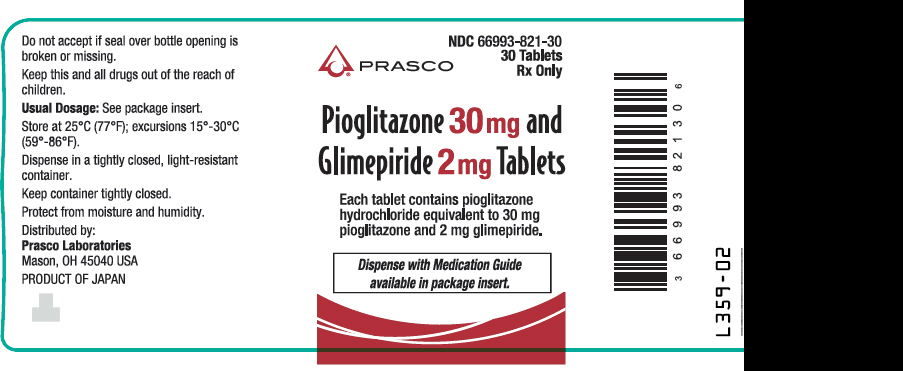
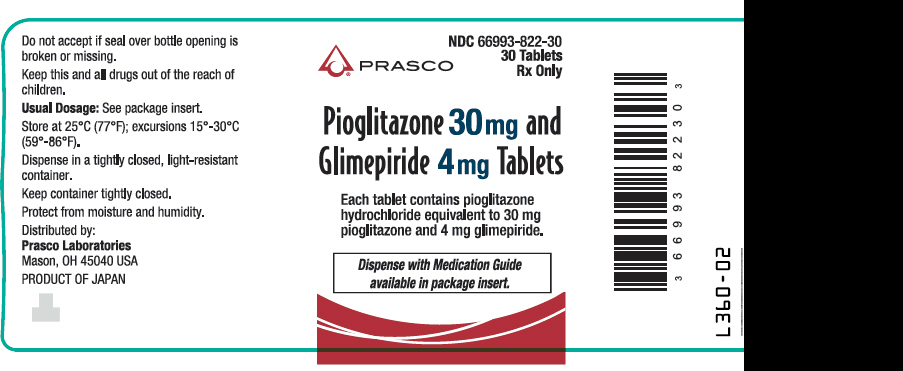
Distributed by:
Prasco Laboratories
Mason, OH 45040 USA
PGL329 R3