The following serious adverse reactions are described, or described in greater detail, in other sections:
- Addiction, Abuse, and Misuse (
see WARNINGS)
- Life-Threatening Respiratory Depression (
see WARNINGS)
- Neonatal Opioid Withdrawal Syndrome (
see WARNINGS)
- Interactions with Benzodiazepines or Other CNS Depressants (
see WARNINGS)
- Serotonin Syndrome (
see WARNINGS)
- Seizures (
see WARNINGS)
- Suicide (
see WARNINGS)
- Adrenal Insufficiency (
see WARNINGS)
- Severe Hypotension (
see WARNINGS)
- Gastrointestinal Adverse Reactions (
see WARNINGS)
- Hypersensitivity Reactions (
see WARNINGS)
- Withdrawal (
see WARNINGS)
- Clinical Trials Experience
Because clinical trials are conducted under widely varying conditions, adverse reaction rates observed in the clinical trials of a drug cannot be directly compared to rates in the clinical trials of another drug and may not reflect the rates observed in practice.
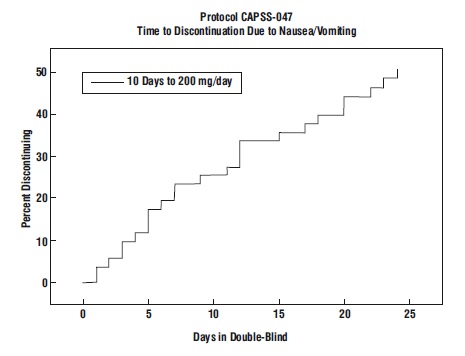
- Tramadol hydrochloride tablets were administered to 550 patients during the double-blind or open-label extension periods in U.S. studies of chronic nonmalignant pain. Of these patients, 375 were 65 years old or older. Table 2 reports the cumulative incidence rate of adverse reactions by 7, 30 and 90 days for the most frequent reactions (5% or more by 7 days). The most frequently reported events were in the central nervous system and gastrointestinal system. Although the reactions listed in the table are felt to be probably related to tramadol hydrochloride tablets administration, the reported rates also include some events that may have been due to underlying disease or concomitant medication. The overall incidence rates of adverse experiences in these trials were similar for tramadol hydrochloride tablets and the active control groups, TYLENOL with Codeine #3 (acetaminophen 300 mg with codeine phosphate 30 mg), and aspirin 325 mg with codeine phosphate 30 mg, however, the rates of withdrawals due to adverse events appeared to be higher in the tramadol hydrochloride tablets groups.
Table 2: Cumulative Incidence of Adverse Reactions for Tramadol Hydrochloride Tablets in Chronic Trials of Nonmalignant Pain (N=427)
| Up to
7 Days | Up to
30 Days | Up to
90 Days |
|---|
1 “CNS Stimulation” is a composite of nervousness, anxiety, agitation, tremor, spasticity, euphoria, emotional
lability and hallucinations
|
Dizziness/Vertigo
| 26%
| 31%
| 33%
|
Nausea
| 24%
| 34%
| 40%
|
Constipation
| 24%
| 38%
| 46%
|
Headache
| 18%
| 26%
| 32%
|
Somnolence
| 16%
| 23%
| 25%
|
Vomiting
| 9%
| 13%
| 17%
|
Pruritus
| 8%
| 10%
| 11%
|
“CNS Stimulation”
1
| 7%
| 11%
| 14%
|
Asthenia
| 6%
| 11%
| 12%
|
Sweating
| 6%
| 7%
| 9%
|
Dyspepsia
| 5%
| 9%
| 13%
|
Dry Mouth
| 5%
| 9%
| 10%
|
Diarrhea
| 5%
| 6%
| 10%
|
Incidence 1% to less than 5% possibly causally related:
The following lists adverse reactions that occurred with an incidence of 1% to less than 5% in clinical trials, and for which the possibility of a causal relationship with tramadol hydrochloride tablets exists.
Body as a Whole: Malaise.
Cardiovascular: Vasodilation.
Central Nervous System: Anxiety, Confusion, Coordination disturbance, Euphoria, Miosis, Nervousness, Sleep disorder.
Gastrointestinal: Abdominal pain, Anorexia, Flatulence.
Musculoskeletal: Hypertonia.
Skin: Rash.
Special Senses: Visual disturbance.
Urogenital: Menopausal symptoms, Urinary frequency, Urinary retention.
Incidence less than 1%, possibly causally related:
The following lists adverse reactions that occurred with an incidence of less than 1% in clinical trials of tramadol and/or reported in post-marketing experience with tramadol-containing products.
Body as a Whole: Accidental injury, Allergic reaction, Anaphylaxis, Death, Suicidal tendency, Weight loss, Serotonin syndrome (mental status change, hyperreflexia, fever, shivering, tremor, agitation, diaphoresis, seizures and coma).
Cardiovascular: Orthostatic hypotension, Syncope, Tachycardia.
Central Nervous System: Abnormal gait, Amnesia, Cognitive dysfunction, Delirium, Depression, Difficulty in concentration, Hallucinations, Movement disorder, Paresthesia, Seizure, Speech disorder, Tremor.
Metabolism and Nutrition Disorders: Cases of hypoglycemia have been reported very rarely in patients taking tramadol. Most reports were in patients with predisposing risk factors, including diabetes or renal insufficiency, or in elderly patients.
Respiratory: Dyspnea.
Skin: Stevens-Johnson syndrome/Toxic epidermal necrolysis, Urticaria, Vesicles.
Special Senses: Dysgeusia, Mydriasis.
Urogenital: Dysuria, Menstrual disorder.
Other adverse experiences, causal relationship unknown:
A variety of other adverse events were reported infrequently in patients taking tramadol hydrochloride tablets during clinical trials and/or reported in post-marketing experience. A causal relationship between tramadol hydrochloride tablets and these events has not been determined. However, the most significant events are listed below as alerting information to the physician.
Cardiovascular: Abnormal ECG, Hypertension, Hypotension, Myocardial ischemia, Palpitations, Pulmonary edema, Pulmonary embolism.
Central Nervous System: Migraine.
Gastrointestinal: Gastrointestinal bleeding, Hepatitis, Stomatitis, Liver failure.
Laboratory Abnormalities: Creatinine increase, Elevated liver enzymes, Hemoglobin decrease, Proteinuria.
Sensory: Cataracts, Deafness, Tinnitus.
Postmarketing Experience
Serotonin syndrome: Cases of serotonin syndrome, a potentially life-threatening condition, have been reported during concomitant use of opioids with serotonergic drugs.
Adrenal insufficiency: Cases of adrenal insufficiency have been reported with opioid use, more often following greater than one month of use.
Androgen deficiency: Cases of androgen deficiency have occurred with chronic use of opioids (
see CLINICAL PHARMACOLOGY).