Cleancare Chlorhexidine Gluconate 0.12% Oral Rinse Solution
Product Images NDC 67239-0225

View Photos of Packaging, Regulatory Labels, and Product Appearance

Product Visual Gallery

This gallery contains 7 technical images submitted to the FDA as part of the official labeling for Cleancare Chlorhexidine Gluconate 0.12% Oral Rinse (NDC 67239-0225). Unlike standard consumer photos, these assets often include clinical data figures, molecular chemical structures, and official manufacturer packaging layouts.

As provided by Safco Dental Supply Llc, these visuals offer a comprehensive scientific overview of the product's physical and chemical identity, aiding pharmacists and researchers in product verification and study.

FDA Label Image

Chg 3 (Chg 3a)

Chg 3 (Chg 3a)
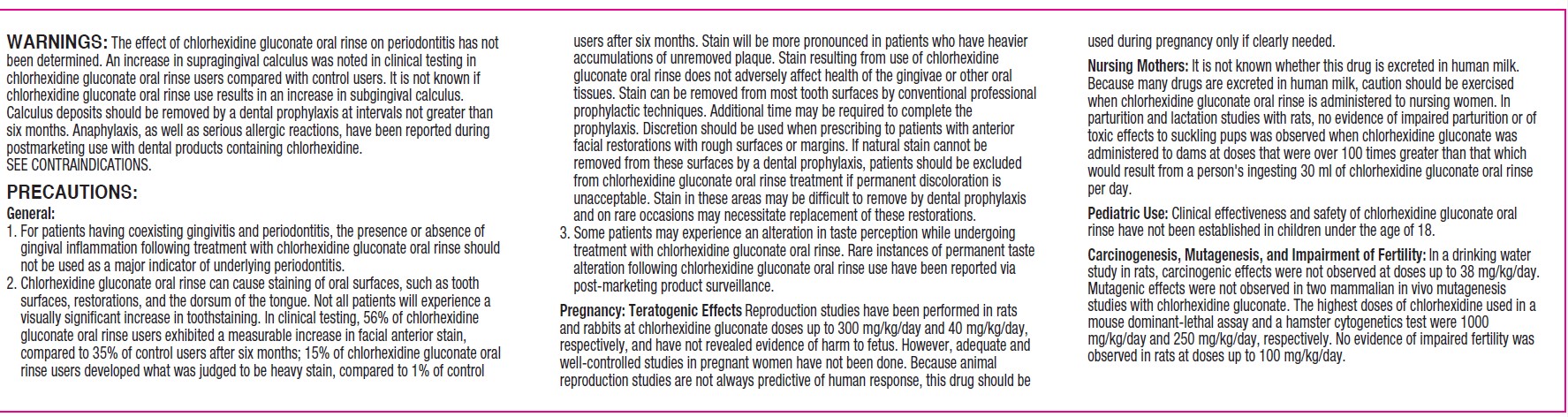
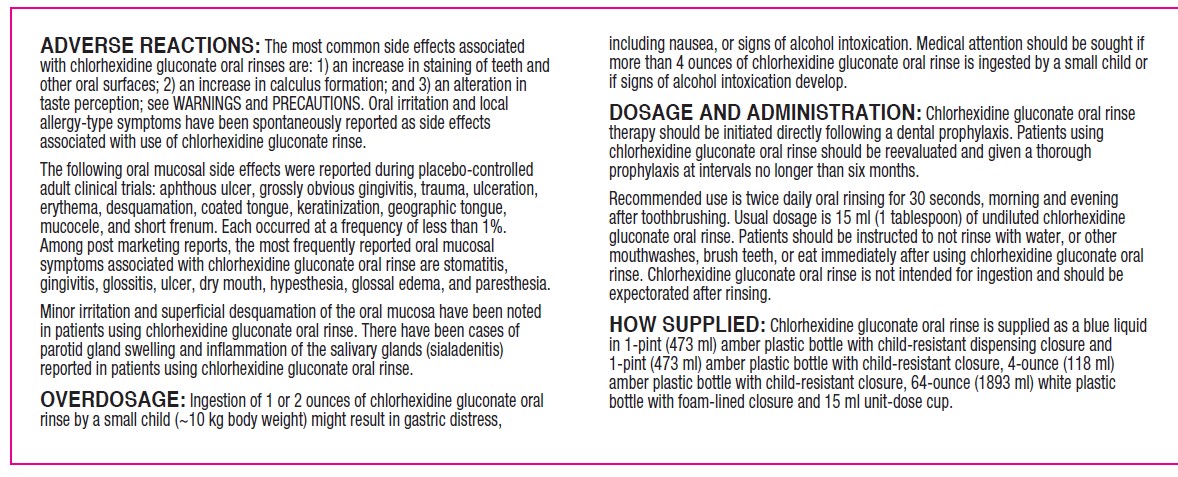
Chlorhexidine gluconate oral rinse is a medication used for oral hygiene. It is commonly associated with side effects such as stained teeth, increased calculus formation, and altered taste perception. Other reported side effects include oral irritation, allergies, and mucosal side effects such as aphthous ulcers and gingivitis. Superficial desquamation and minor irritation of the oral mucosa have also been noted. In rare cases, the medication may cause swelling of the parotid gland and inflammation of the salivary glands. The recommended dosage is twice daily, with 15 ml of undiluted rinse for 30 seconds. It should be used immediately after toothbrushing and not rinsed with water or other mouthwashes. The medication comes in different sizes, including 1-pint, 4-ounce, and 64-ounce bottles with child-resistant closures, as well as 15 ml unit-dose cups.*
FDA Label Image

Chg Structure (Chlorhexidine Gluconate Structure)

FDA Label Image

Chg Oral Rinse Pdp (Cleancare Chg Oral Rinse Pdp)

FDA Label Image

Chg Oral Rinse Panel 2a (Cleancare Chg Oral Rinse Panel 2a)

Chg Oral Rinse Panel 2a (Cleancare Chg Oral Rinse Panel 2a)
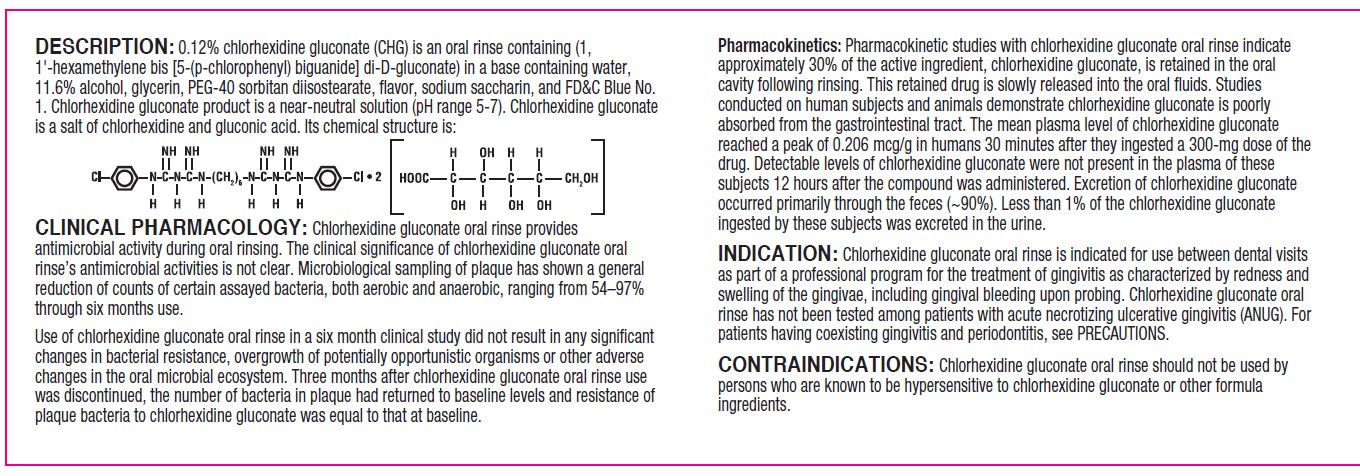
DESCRIPTION: This text provides information about a product called "0.12% chlorhexidine gluconate (CHG)", which is an oral rinse containing certain ingredients such as chlorhexidine gluconate, alcohol, glycerin, PEG-40 sorbitan diisostearate, flavor, sodium saccharin, and FD&C Blue No. 1. The pH of the product is in the range of 5-7. Chlorhexidine gluconate is a salt of chlorhexidine and gluconic acid. The text also includes its chemical structure. CLINICAL PHARMACOLOGY: The oral rinse has antimicrobial activity, although the clinical significance of this activity is unclear. Studies show a reduction in counts of certain bacteria in plaque when using this product for six months. No significant changes in bacterial resistance or adverse changes in the oral microbial ecosystem were observed during the study. After discontinuing the use of the oral rinse, the number of bacteria in plaque returned to baseline levels. Pharmacokinetics: Approximately 30% of the active ingredient is retained in the oral cavity after rinsing, and it is slowly released into oral fluids. The oral rinse is poorly absorbed from the gastrointestinal tract. The drug reaches its peak plasma level 30 minutes after ingestion, and detectable levels are no longer present in the plasma after 12 hours. Excretion primarily occurs through feces (~90%), with less than 1% excreted in urine. INDICATION: The oral rinse is indicated for use between dental visits as part of a professional program for the treatment of gingivitis, characterized by redness, swelling of the gingivae, and gingival bleeding upon probing. It has not been tested among patients with acute necrotizing ulcerative gingivitis (ANUG). CONTRAINDICATIONS: This oral rinse should not be used by individuals who are hypersensitive to chlorhexidine gluconate or other ingredients in the formula.*
FDA Label Image

Chg Oral Rinse Panel 2b (Cleancare Chg Oral Rinse Panel 2b)

FDA Label Image

Chg Oral Rinse Panel 3b (Cleancare Chg Oral Rinse Panel 3b)

Chg Oral Rinse Panel 3b (Cleancare Chg Oral Rinse Panel 3b)
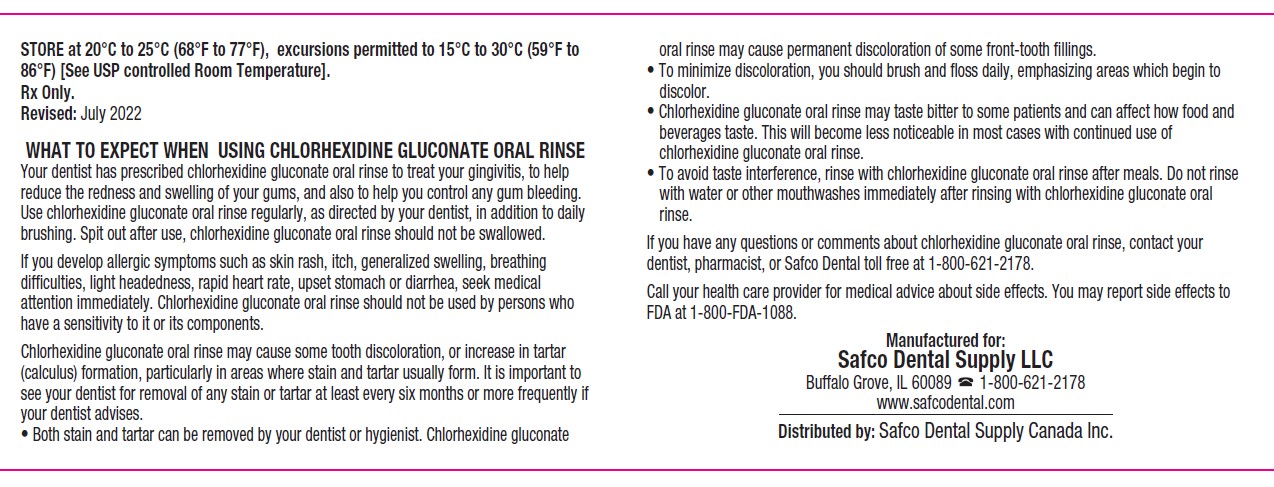
This text provides information about the storage conditions and usage instructions for Chlorhexidine Gluconate Oral Rinse, prescribed by dentists to treat gingivitis. It explains that the rinse helps reduce gum redness, swelling, and bleeding, and should be used regularly as directed by the dentist, in addition to daily brushing. The rinse should be spat out and not swallowed. Allergic reactions and sensitivities to the rinse are mentioned, and patients are advised to seek medical attention if any symptoms occur. It is noted that the rinse may cause tooth discoloration and tartar formation, which can be addressed by regular dental visits. The taste of the rinse may be bitter and can affect the taste of food and beverages, but this typically diminishes with continued use. Patients are advised to rinse with the product after meals and not immediately rinse with water or other mouthwashes. Contact information for questions or comments, as well as reporting side effects, is provided. The product is manufactured by Safco Dental Supply LLC and distributed by Safco Dental Supply Canada Inc.*
FDA Label Image

Otherc (Cleancare Chg Oral Rinse Panel 3c)

Otherc (Cleancare Chg Oral Rinse Panel 3c)
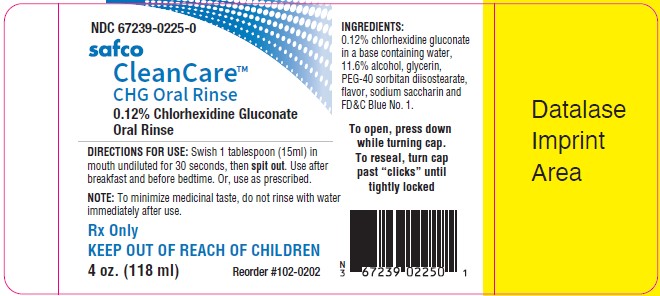
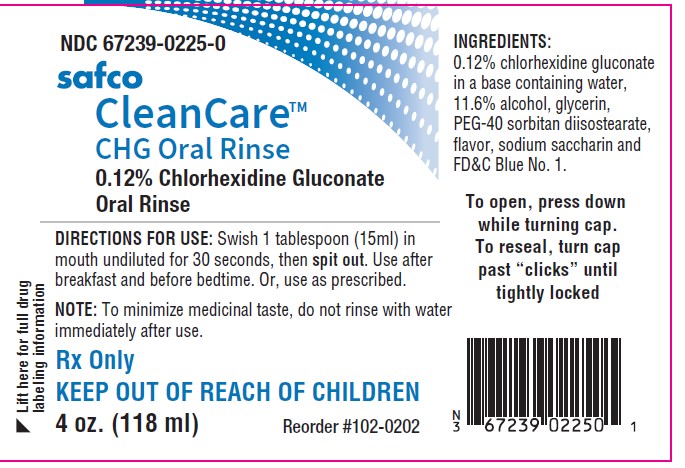
The given text appears to be a description of a product called "CleanCare CHG Oral Rinse." The oral rinse contains 0.12% Chlorhexidine Gluconate and is meant to be used to rinse the mouth. The directions for use suggest swishing 1 tablespoon (15ml) of the oral rinse undiluted in the mouth for 30 seconds, then spitting it out. It can be used after breakfast and before bedtime or as prescribed by a healthcare professional. It is important to note that rinsing with water immediately after use may minimize the medicinal taste. The ingredients of the oral rinse include chlorhexidine gluconate, water, alcohol, glycerin, PEG-40 sorbitan diisostearate, flavor, sodium saccharin, and FD&C Blue No. 1. The product comes in a 4oz (118ml) bottle and should be kept out of reach of children. To open the bottle, the cap needs to be pressed down while turning, and to reseal, the cap should be turned past "clicks" until tightly locked.*

* These product label images have been analyzed using experimental machine learning. Please verify findings with the primary label text.