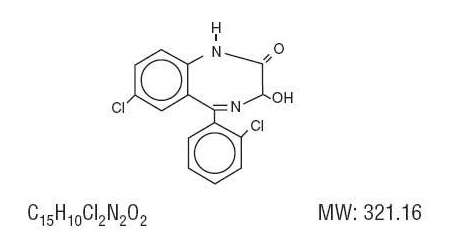
Most adverse reactions to benzodiazepines, including CNS effects
and respiratory depression, are dose dependent, with more severe effects
occurring with high doses.
In a sample of about 3500 patients treated for anxiety, the most frequent
adverse reaction to lorazepam was sedation (15.9%), followed by dizziness
(6.9%), weakness (4.2%), and unsteadiness (3.4%). The incidence of sedation and
unsteadiness increased with age.
Other adverse reactions to benzodiazepines, including lorazepam are fatigue,
drowsiness, amnesia, memory impairment, confusion, disorientation, depression,
unmasking of depression, disinhibition, euphoria, suicidal ideation/attempt,
ataxia, asthenia, extrapyramidal symptoms, convulsions/seizures tremor, vertigo,
eye-function/visual disturbance (including diplopia and blurred vision),
dysarthria/slurred speech, change in libido, impotence, decreased orgasm;
headache, coma; respiratory depression, apnea, worsening of sleep apnea,
worsening of obstructive pulmonary disease; gastrointestinal symptoms including
nausea, change in appetite, constipation, jaundice, increase in bilirubin,
increase in liver transaminases, increase in alkaline phosphatase;
hypersensitivity reactions, anaphylactic/oid reactions; dermatological symptoms,
allergic skin reactions, alopecia; S IADH, hyponatremia; thrombocytopenia,
agranulocytosis, pancytopenia; hypothermia; and autonomic manifestations.
Paradoxical reactions, including anxiety, excitation, agitation, hostility,
aggression, rage, sleep disturbances/insomnia, sexual arousal, and
hallucinations may occur. Small decreases in blood pressure and hypotension may
occur but are usually not clinically significant, probably being related to the
relief of anxiety produced by lorazepam.