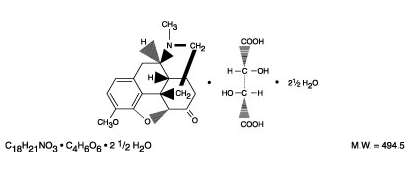
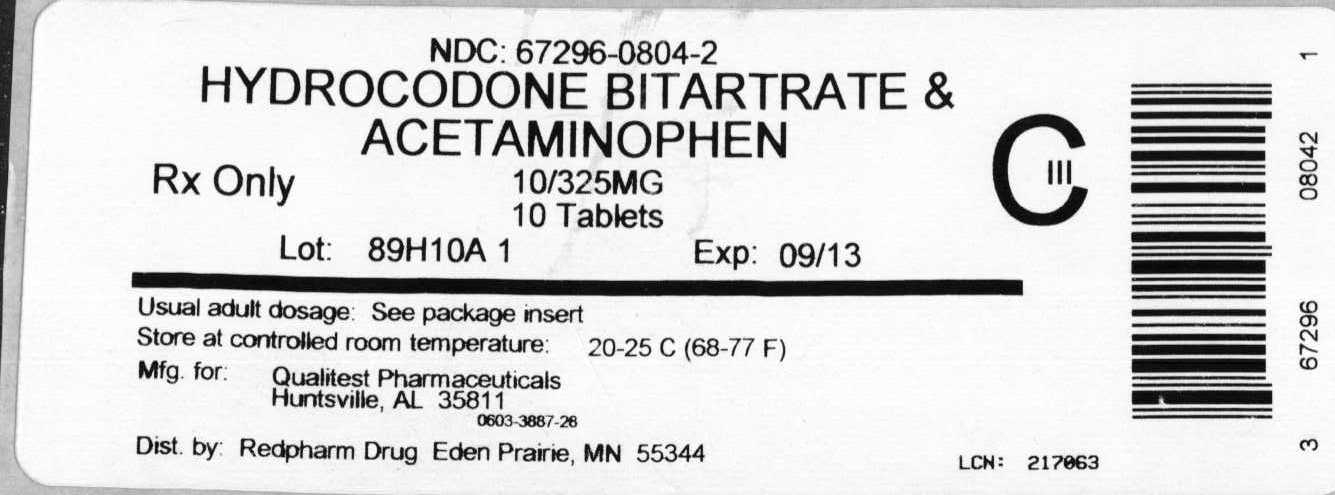
Following an acute overdosage, toxicity may result from
hydrocodone or acetaminophen.
Signs and Symptoms:
Hydrocodone:Serious overdose with hydrocodone is characterized by respiratory
depression (a decrease in respiratory rate and/or tidal volume, Cheyne-Stokes
respiration, cyanosis), extreme somnolence progressing to stupor or coma,
skeletal muscle flaccidity, cold and clammy skin, and sometimes bradycardia and
hypotension. In severe overdosage, apnea, circulatory collapse, cardiac arrest
and death may occur.
Acetaminophen:In acetaminophen overdosage: dose-dependent, potentially fatal
hepatic necrosis is the most serious adverse effect. Renal tubular necrosis,
hypoglycemic coma, and thrombocytopenia may also occur.
Early symptoms following a potentially hepatotoxic overdose may include:
nausea, vomiting, diaphoresis and general malaise. Clinical and laboratory
evidence of hepatic toxicity may not be apparent until 48 to 72 hours
post-ingestion.
In adults, hepatic toxicity has rarely been reported with acute overdoses of
less than 10 grams, or fatalities with less than 15 grams.
Treatment:
A single or multiple overdose with hydrocodone and acetaminophen
is a potentially lethal polydrug overdose, and consultation with a regional
poison control center is recommended.
Immediate treatment includes support of cardiorespiratory function and
measures to reduce drug absorption. Vomiting should be induced mechanically, or
with syrup of ipecac, if the patient is alert (adequate pharyngeal and laryngeal
reflexes). Oral activated charcoal (1 g/kg) should follow gastric emptying. The
first dose should be accompanied by an appropriate cathartic. If repeated doses
are used, the cathartic might be included with alternate doses as required.
Hypotension is usually hypovolemic and should respond to fluids. Vasopressors
and other supportive measures should be employed as indicated. A cuffed
endotracheal tube should be inserted before gastric lavage of the unconscious
patient and, when necessary, to provide assisted respiration.
Meticulous attention should be given to maintaining adequate pulmonary
ventilation. In severe cases of intoxication, peritoneal dialysis, or preferably
hemodialysis may be considered. If hypoprothrombinemia occurs due to
acetaminophen overdose, vitamin K should be administered intravenously.
Naloxone, a narcotic antagonist, can reverse respiratory depression and coma
associated with opioid overdose. Naloxone hydrochloride 0.4 mg to 2 mg is given
parenterally. Since the duration of action of hydrocodone may exceed that of the
naloxone, the patient should be kept under continuous surveillance and repeated
doses of the antagonist should be administered as needed to maintain adequate
respiration. A narcotic antagonist should not be administered in the absence of
clinically significant respiratory or cardiovascular depression.
If the dose of acetaminophen may have exceeded 140 mg/kg, acetylcysteine
should be administered as early as possible. Serum acetaminophen levels should
be obtained, since levels four or more hours following ingestion help predict
acetaminophen toxicity. Do not await acetaminophen assay results before
initiating treatment. Hepatic enzymes should be obtained initially, and repeated
at 24-hour intervals.
Methemoglobinemia over 30% should be treated with methylene blue by slow
intravenous administration.
The toxic dose for adults for acetaminophen is 10 g.