Naloxone Hydrochloride
Product Images NDC 67296-1928

View Photos of Packaging, Regulatory Labels, and Product Appearance

Product Visual Gallery

This gallery contains 16 technical images submitted to the FDA as part of the official labeling for Naloxone Hydrochloride (NDC 67296-1928). Unlike standard consumer photos, these assets often include clinical data figures, molecular chemical structures, and official manufacturer packaging layouts.

As provided by Redpharm Drug, these visuals offer a comprehensive scientific overview of the product's physical and chemical identity, aiding pharmacists and researchers in product verification and study.

FDA Label Image

Structure (Image 1)

Structure (Image 1)
Chemical structure of Naloxone Hydrochloride dihydrate showing its molecular ring system, hydroxyl group, oxygen atoms, nitrogen with charge, and associated water molecules as indicated by the formula *2 H2O.*
FDA Label Image

Blister Image (Image 10)

Blister Image (Image 10)
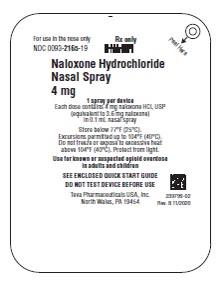
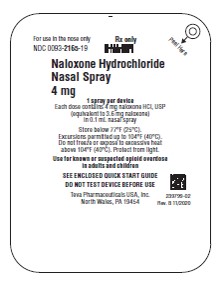
Naloxone Hydrochloride Nasal Spray 4 mg label from Redpharm Drug. The label indicates a single spray per device with each dose containing 4 mg of naloxone hydrochloride in 0.1 mL solution. Storage instructions specify room temperature (20°C to 25°C), with permissible excursions between 15°C and 30°C. Additional information includes usage directions, a caution to not test the device before use, and references to a quick start guide.*
FDA Label Image

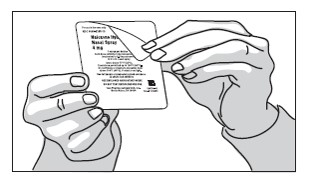
Opening Blister (Image 11)

Opening Blister (Image 11)
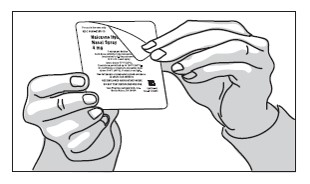
An instructional illustration showing hands holding and opening a package of Naloxone Hydrochloride Nasal Spray 4 mg. The image depicts the proper way to remove the nasal spray from its packaging.*
FDA Label Image

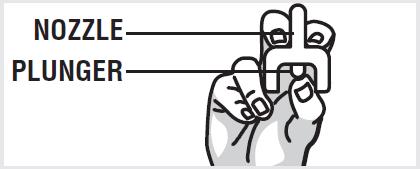
Plunger-1 (Image 12)

Plunger-1 (Image 12)
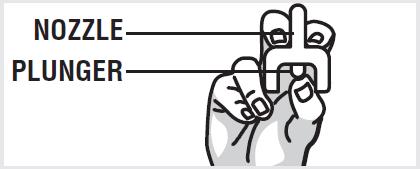
An instructional diagram showing how to hold the Naloxone Hydrochloride nasal spray device. The image labels the 'Nozzle' at the top and the 'Plunger' being pressed by the thumb, indicating usage technique.*
FDA Label Image

Insert Plunger 2 (Image 13)

Insert Plunger 2 (Image 13)
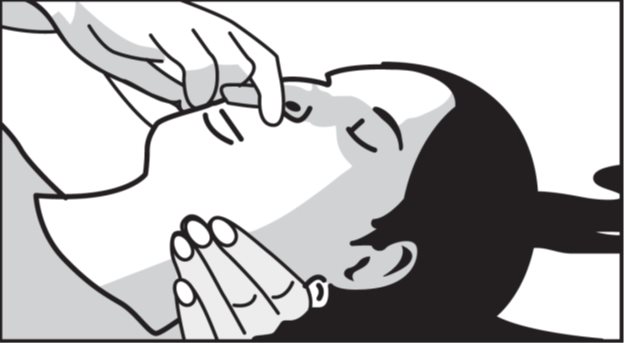
An instructional illustration showing a person tilting the head of another individual backward by lifting the chin and placing fingers on the forehead and chin, commonly used to open the airway in first aid or emergency response.*
FDA Label Image

Insert Nozzle 2 (Image 14)

Insert Nozzle 2 (Image 14)
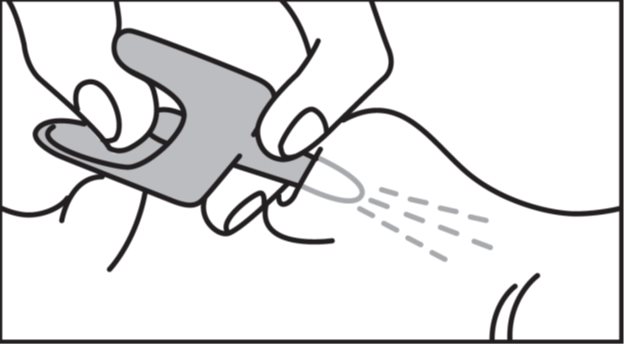
An instructional illustration depicting a person using a nasal spray device by inserting the tip into the nostril and spraying the medication. The image shows the hand holding the device and the spray being administered into the nose.*
FDA Label Image

Recovery Position 2 (Image 15)

Recovery Position 2 (Image 15)
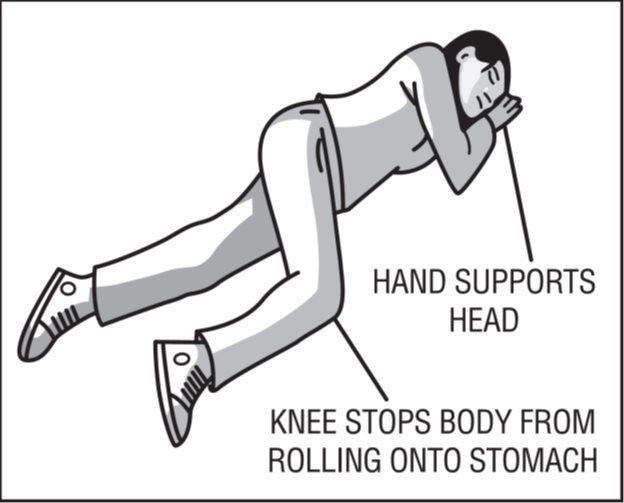
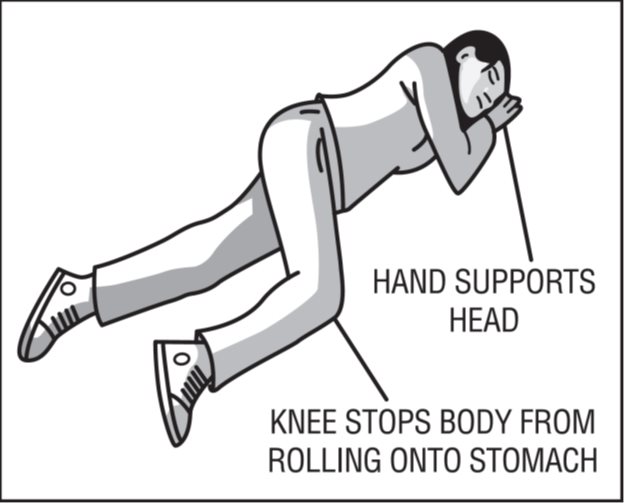
An instructional illustration of a person positioned in the recovery position. The image labels key points: the hand supports the head and the knee stops the body from rolling onto the stomach.*
FDA Label Image

Carton (Image 16)

Carton (Image 16)
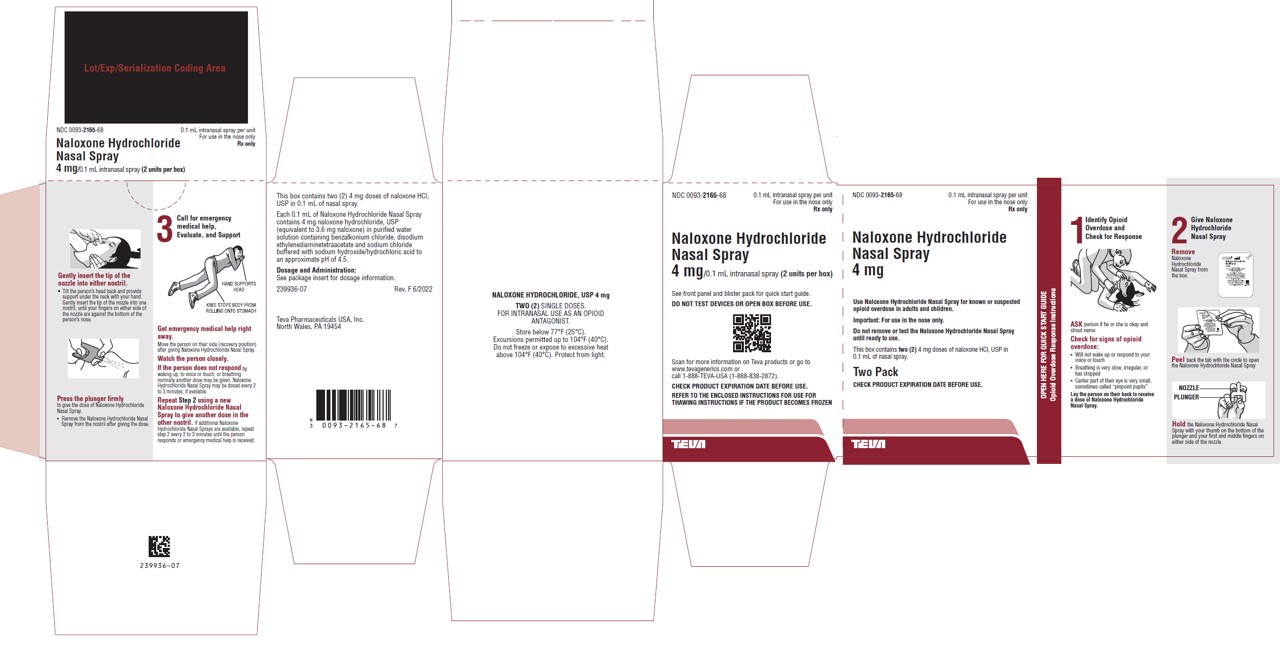
Packaging label for Naloxone Hydrochloride Nasal Spray, 4 mg per 0.1 mL intranasal spray, two units per box. The label includes detailed administration instructions, emergency medical guidance, and storage information. The labeler is shown as Teva Pharmaceuticals USA, Inc., with branding visible on the package. The product is indicated for opioids overdose emergency use.*
FDA Label Image

Figure 1 (Image 2)

Figure 1 (Image 2)
Two line graphs depicting naloxone plasma concentration (ng/mL) over time (hours postdose) comparing three dosage forms: 8 mg nasal spray (0.1 mL of 40 mg/mL) in each nostril, 4 mg nasal spray (0.1 mL of 40 mg/mL) in one nostril, and 0.4 mg intramuscular injection. The top graph shows data over 6 hours postdose, and the bottom graph zooms in on the first hour.*
FDA Label Image

Blister Image (Image 3)

Blister Image (Image 3)
Naloxone Hydrochloride Nasal Spray 4 mg label for a single spray per device, packaged by Redpharm Drug. The label includes usage instructions, storage conditions advising room temperature up to 104°F, and warnings about not testing the device before use. It also references an included Quick Start Guide and notes the product is Rx only.*
FDA Label Image

Opening Blister (Image 4)

Opening Blister (Image 4)
An instructional illustration depicting hands holding and preparing to open a Naloxone Hydrochloride nasal spray package. The image guides proper handling of the naloxone nasal spray device for use.*
FDA Label Image

Plunger-1 (Image 5)

Plunger-1 (Image 5)
An instructional illustration showing a hand holding a nasal spray device for Naloxone Hydrochloride. The image labels the 'NOZZLE' and 'PLUNGER' parts of the device, indicating their positions on the product used for nasal administration.*
FDA Label Image

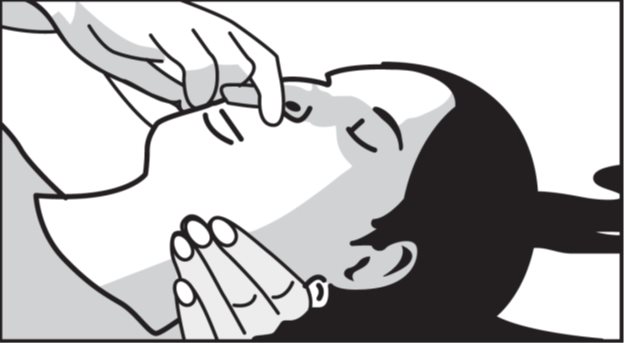
Insert Nozzle 1 (Image 6)

Insert Nozzle 1 (Image 6)
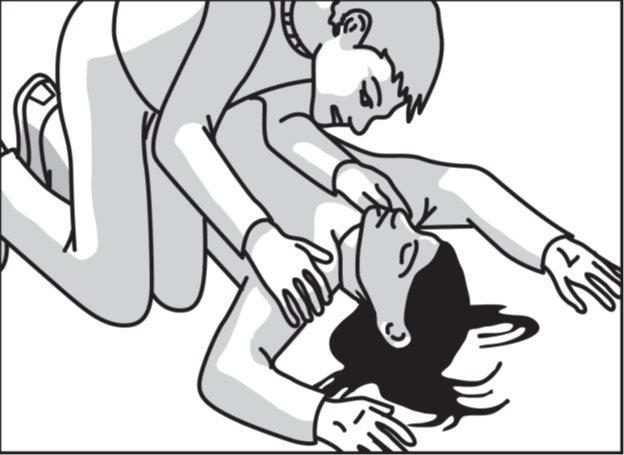
An instructional illustration showing a person tilting the head of another person back to open the airway. One hand gently lifts the chin while the other pinches the nose closed, preparing for nasal administration of medication.*
FDA Label Image

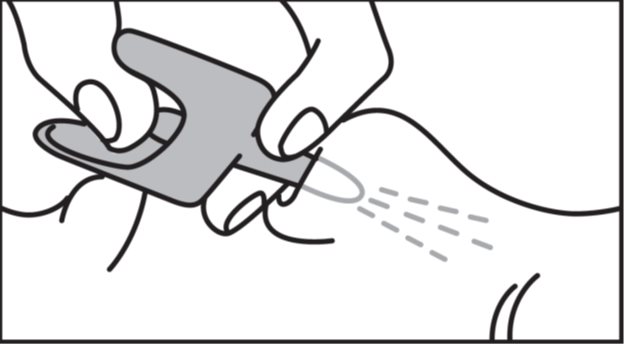
Press Plunger 1 (Image 7)

Press Plunger 1 (Image 7)
An instructional illustration showing a hand holding a nasal spray device aimed at a person's nostril, with spray droplets depicted as emitted from the device.*
FDA Label Image

Recovery Position 1 (Image 8)

Recovery Position 1 (Image 8)
An instructional illustration showing a person positioned with their hand supporting their head and one knee bent to prevent the body from rolling onto the stomach. This diagram likely demonstrates a safety or recovery position technique.*
FDA Label Image

Check For Response (Image 9)

Check For Response (Image 9)
Black and white illustration showing a person performing a rescue breathing or CPR maneuver on another person lying face-up. The rescuer is positioned above, holding the head of the person on the ground, demonstrating an emergency medical response technique.*

* About these descriptions: Image descriptions on this page are generated by automated AI analysis of the product label images from the manufacturer's FDA label submission (SPL). They are provided for reference only and may contain errors or omissions. Always rely on the printed label itself and the official FDA labeling, and consult a pharmacist or healthcare professional with any questions about this product.