Other
Tizanidine is indicated for the treatment of spasticity in adults.
Tablets
Tizanidine tablets USP, 2 mg are white to off-white, round, flat, bevel edged uncoated tablets debossed with "U" and "168" on one side and bisecting score on other side.
Tizanidine tablets USP, 4 mg are white to off-white, round, flat, bevel edged uncoated tablets debossed with "U" and "169" on one side and quadrisecting score on other side.
Tizanidine is contraindicated in patients:
taking strong CYP1A2 inhibitors [see Drug Interactions (
7.1)].
with a history of hypersensitivity to tizanidine or the ingredients in Tizanidine. Symptoms have included anaphylaxis and angioedema [see Warnings and Precautions (
5.5)].
The following clinically significant adverse reactions are described elsewhere in other sections of the prescribing information:
- Hypotension [see Warnings and Precautions ( 5.1)]
- Liver Injury [see Warnings and Precautions ( 5.2)]
- Sedation [see Warnings and Precautions ( 5.3)]
- Hypersensitivity Reactions [see Warnings and Precautions ( 5.5)]
- Withdrawal Adverse Reactions [see Warnings and Precautions ( 5.6)]
A review of the safety surveillance database revealed cases of intentional and accidental tizanidine overdose. Some of the cases resulted in fatality and many of the intentional overdoses were with multiple drugs including CNS depressants. The clinical manifestations of tizanidine overdose were consistent with its known pharmacology. In the majority of cases a decrease in sensorium was observed including lethargy, somnolence, confusion and coma. Depressed cardiac function is also observed including most often bradycardia and hypotension. Respiratory depression is another common feature of tizanidine overdose.
Should overdose occur, ensure the adequacy of an airway and monitor cardiovascular and respiratory function. Dialysis is not likely to be an efficient method of removing tizanidine from the body [see Description ( 11)] . In general, symptoms resolve within one to three days following discontinuation of tizanidine and administration of appropriate therapy. Because of the similar mechanism of action, symptoms and management of tizanidine overdose are similar to that following clonidine overdose. For the most recent information concerning the management of overdose, contact a poison control center.
Tizanidine Tablets contains tizanidine hydrochloride as the active ingredient, which is a central alpha 2-adrenergic agonist. Its chemical name is 5-chloro-4-(2-imidazolin-2-ylamino)-2,1,3- benzothiadiazole monohydrochloride. It has a molecular formula of C 9H 8ClN 5S-HCl and a molecular weight of 290.2. Its structural formula is:

Molecular Structure (Ee6ccf71 79ba 43ca 9a1a 1cab1d5a0c6c 01)
Tizanidine hydrochloride is a white to off-white, fine crystalline powder, which is odorless or with a faint characteristic odor. Tizanidine hydrochloride is slightly soluble in water and methanol; solubility in water decreases as the pH increases
Tizanidine tablets, are for oral administration and contain 2 or 4 mg tizanidine (equivalent to 2.288 mg and 4.576 mg tizanidine hydrochloride, respectively), and the inactive ingredients anhydrous lactose, colloidal silicon dioxide, microcrystalline cellulose, and stearic acid.
The efficacy of Tizanidine for the treatment of spasticity was demonstrated in two adequate and well-controlled studies in patients with multiple sclerosis or spinal cord injury (Studies 1 and 2).
Single-Dose Study in Patients with Multiple Sclerosis with Spasticity
In Study 1, 140 patients with spasticity caused by multiple sclerosis were randomized to receive single oral doses of 8 mg or 16 mg of Tizanidine, or placebo. Patients and assessors were blinded to treatment assignment and efforts were made to reduce the likelihood that assessors would become aware indirectly of treatment assignment (e.g., they did not provide direct care to patients and were prohibited from asking questions about side effects).
Response was assessed by physical examination; muscle tone was rated on a 5-point scale (Ashworth score) as follows:
Spasm counts were also collected. Assessments were made at 1, 2, 3 and 6 hours after treatment. A statistically significant reduction of the Ashworth score for Tizanidine compared to placebo was detected at 1, 2, and 3 hours after treatment. Figure 2 below shows a comparison of the mean change in muscle tone from baseline as measured by the Ashworth scale. The greatest reduction in muscle tone was 1 to 2 hours after treatment. By 6 hours after treatment, muscle tone in the 8 mg and 16 mg Tizanidine groups was indistinguishable from muscle tone in patients who received placebo. Within a given patient, improvement in muscle tone was correlated with plasma concentration. Plasma concentrations were variable from patient to patient at a given dose. Although 16 mg produced a larger effect, adverse reactions including hypotension were more common and more severe than in the 8 mg group. There were no differences in the number of spasms occurring in each group.
Figure 2: Single Dose Study—Mean Change in Muscle Tone from Baseline as Measured by the Ashworth Scale ± 95% Confidence Interval (A Negative Ashworth Score Signifies an Improvement in Muscle Tone from Baseline)
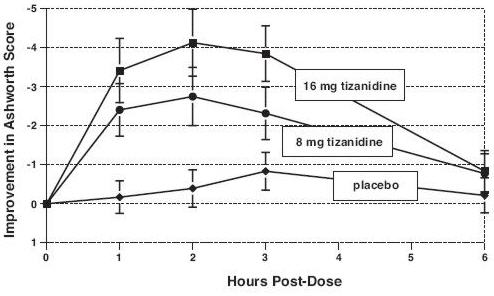
Figure 3 (Ee6ccf71 79ba 43ca 9a1a 1cab1d5a0c6c 03)
Seven-Week Study in Patients with Spinal Cord Injury with Spasticity
In a 7-week study (Study 2), 118 patients with spasticity secondary to spinal cord injury were randomized to either placebo or tizanidine. Steps similar to those taken in the first study were employed to ensure the integrity of blinding.
Patients were titrated over 3 weeks up to a maximum tolerated dose or 36 mg daily given in three unequal doses (e.g., 10 mg given in the morning and afternoon and 16 mg given at night). Patients were then maintained on their maximally tolerated dose for 4 additional weeks (i.e., maintenance phase). Throughout the maintenance phase, muscle tone was assessed on the Ashworth scale within a period of 2.5 hours following either the morning or afternoon dose. The number of daytime spasms was recorded daily by patients.
At endpoint (the protocol-specified time of outcome assessment), there was a statistically significant reduction in muscle tone and frequency of spasms in the tizanidine treated group compared to placebo. The reduction in muscle tone was not associated with a reduction in muscle strength (a desirable outcome) but also did not lead to any consistent advantage of tizanidine treated patients on measures of activities of daily living. Figure 3 below shows a comparison of the mean change in muscle tone from baseline as measured by the Ashworth scale.
Figure 3: Seven Week Study—Mean Change in Muscle Tone 0.5–2.5 Hours After Dosing as Measured by the Ashworth Scale ± 95% Confidence Interval (A Negative Ashworth Score Signifies an Improvement in Muscle Tone from Baseline)
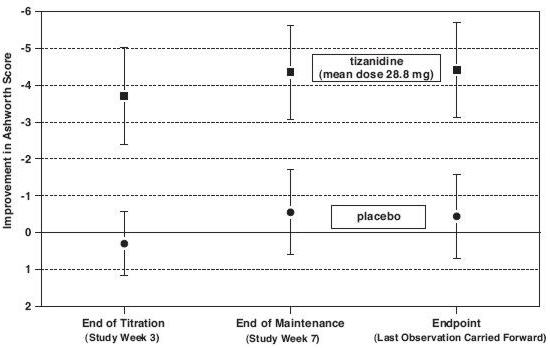
Figure 4 (Ee6ccf71 79ba 43ca 9a1a 1cab1d5a0c6c 04)
Serious Drug Interactions
Advise patients they should not take Tizanidine if they are taking fluvoxamine or ciprofloxacin because of the increased risk of serious adverse reactions including severe lowering of blood pressure and sedation. Instruct patients to inform their healthcare providers when they start or stop taking any medication because of the risks associated with interaction between Tizanidine and other medicines [see Contraindications ( 4) and Drug Interactions ( 7)] .
Tizanidine Dosing and Administration
Tell patients to take Tizanidine exactly as prescribed (consistently either with or without food) and not to switch between tablets and capsules [see Dosage and Administration ( 2)] . Inform patients that they should not take more Tizanidine than prescribed because of the risk of adverse events at single doses greater than 8 mg or total daily doses greater than 36 mg. Tell patients that they should not suddenly discontinue Tizanidine, because rebound hypertension and tachycardia may occur [see Warnings and Precautions ( 5.6)] .
Hypotension
Warn patients that they may experience hypotension and to be careful when changing from a lying or sitting to a standing position [see Warnings and Precautions ( 5.1)] .
Sedation
Tell patients that Tizanidine may cause them to become sedated or somnolent and they should be careful when performing activities that require alertness, such as driving a vehicle or operating machinery [see Warnings and Precautions ( 5.3)] . Tell patients that the sedation may be additive when Tizanidine is taken in conjunction with drugs (baclofen, benzodiazepines) or substances (e.g., alcohol) that act as CNS depressants.
Remind patients that if they depend on their spasticity to sustain posture and balance in locomotion, or whenever spasticity is utilized to obtain increased function, that Tizanidine decreases spasticity and caution should be used.
Hypersensitivity Reactions
Inform patients of the signs and symptoms of severe allergic reactions and instruct them to discontinue Tizanidine and seek immediate medical care should these signs and symptoms occur
[see Warnings and Precautions ( 5.5)] .
Manufactured by:
UNICHEM LABORATORIES LTD.
Pilerne Ind. Estate,
Pilerne, Bardez, Goa 403511, India
Manufactured for:

Logo (Ee6ccf71 79ba 43ca 9a1a 1cab1d5a0c6c 05)
East Brunswick, NJ 08816
01-R-05/2025
13016355

