Ogivri Injection, Powder, Lyophilized, For Solution
Product Images NDC 67457-991

10 FDA label images from Mylan Institutional Llc · Packaging, Regulatory Labels, and Product Appearance

Product Visual Gallery

This gallery contains 10 technical images submitted to the FDA as part of the official labeling for Ogivri (NDC 67457-991). Unlike standard consumer photos, these assets often include clinical data figures, molecular chemical structures, and official manufacturer packaging layouts.

As provided by Mylan Institutional Llc, these visuals offer a comprehensive scientific overview of the product's physical and chemical identity, aiding pharmacists and researchers in product verification and study.

FDA Label Image

Figure 1 Studies 1 And 2: Cumulative Incidence Of Time To First Lvef (Image 01)
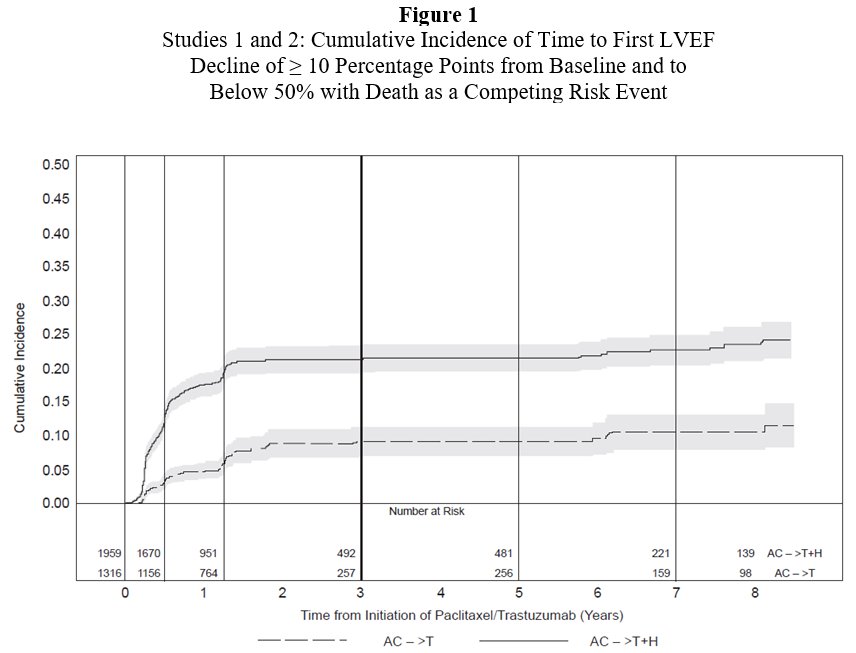
Figure 1 Studies 1 And 2: Cumulative Incidence Of Time To First Lvef (Image 01)
A cumulative incidence curve graph showing time to first left ventricular ejection fraction (LVEF) decline of 10 or more percentage points from baseline to below 50%, with death as a competing risk event. The x-axis represents time in years from initiation of Paclitaxel/Trastuzumab, ranging from 0 to 8 years. The y-axis shows cumulative incidence from 0.00 to 0.50. Two curves are displayed: one for AC followed by T alone, and another for AC followed by T plus H combination therapy. Numbers at risk are listed below the x-axis at various time points from baseline to 8 years.*
FDA Label Image

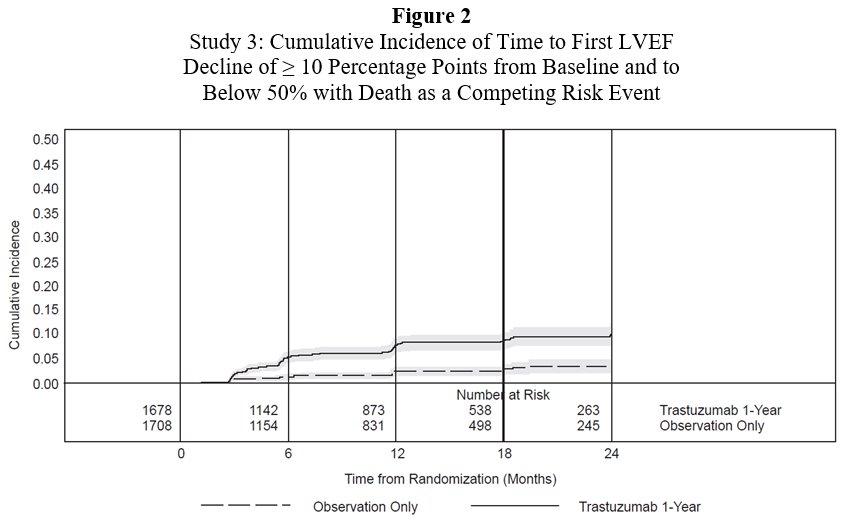
Figure 2 Study 3: Cumulative Incidence Of Time To First Lvef Decline Of ≥ 10 Percentage Points From Baseline And To Below 50% With Death As A Competing Risk Event (Image 02)

Figure 2 Study 3: Cumulative Incidence Of Time To First Lvef Decline Of ≥ 10 Percentage Points From Baseline And To Below 50% With Death As A Competing Risk Event (Image 02)
A line graph titled 'Study 3: Cumulative Incidence of Time to First LVEF Decline of 10 Percentage Points from Baseline and to Below 50% with Death as a Competing Risk Event.' The graph shows cumulative incidence over time from randomization in months up to 24 months, comparing two groups: 'Observation Only' (dashed line) and 'Trastuzumab 1-Year' (solid line). The y-axis represents cumulative incidence ranging from 0 to 0.5. Number at risk is indicated below the x-axis at several time points.*
FDA Label Image

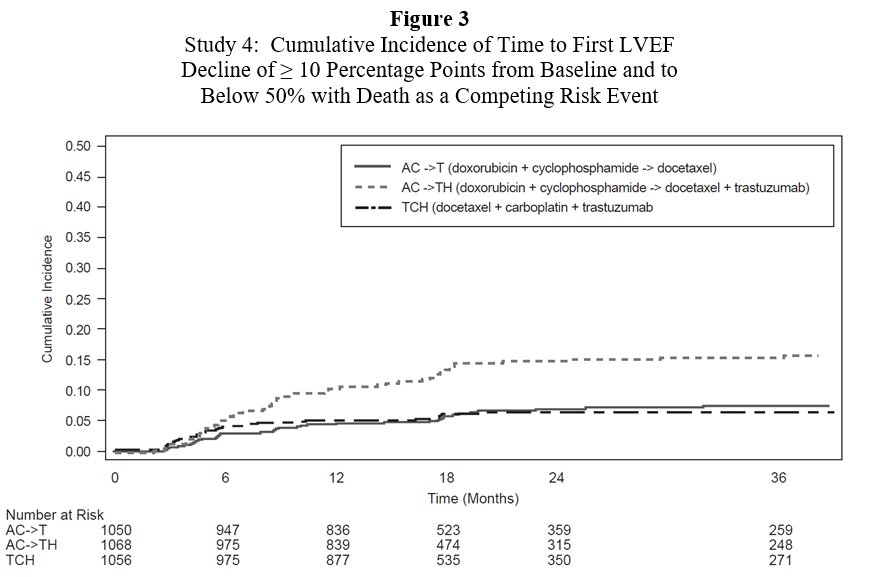
Figure 3 Study 4: Cumulative Incidence Of Time To First Lvef Decline Of ≥ 10 Percentage Points From Baseline And To Below 50% With Death As A Competing Risk Event (Image 03)

Figure 3 Study 4: Cumulative Incidence Of Time To First Lvef Decline Of ≥ 10 Percentage Points From Baseline And To Below 50% With Death As A Competing Risk Event (Image 03)
A line graph titled 'Study 4: Cumulative Incidence of Time to First LVEF Decline of ≥10 Percentage Points from Baseline and to Below 50% with Death as a Competing Risk Event.' The graph plots cumulative incidence on the y-axis (0.00 to 0.50) against time in months on the x-axis (0 to 36). It includes three treatment groups: AC->T (doxorubicin + cyclophosphamide -> docetaxel), AC->TH (doxorubicin + cyclophosphamide -> docetaxel + trastuzumab), and TCH (docetaxel + carboplatin + trastuzumab). Numbers at risk at various time points are listed below the graph for each group.*
FDA Label Image

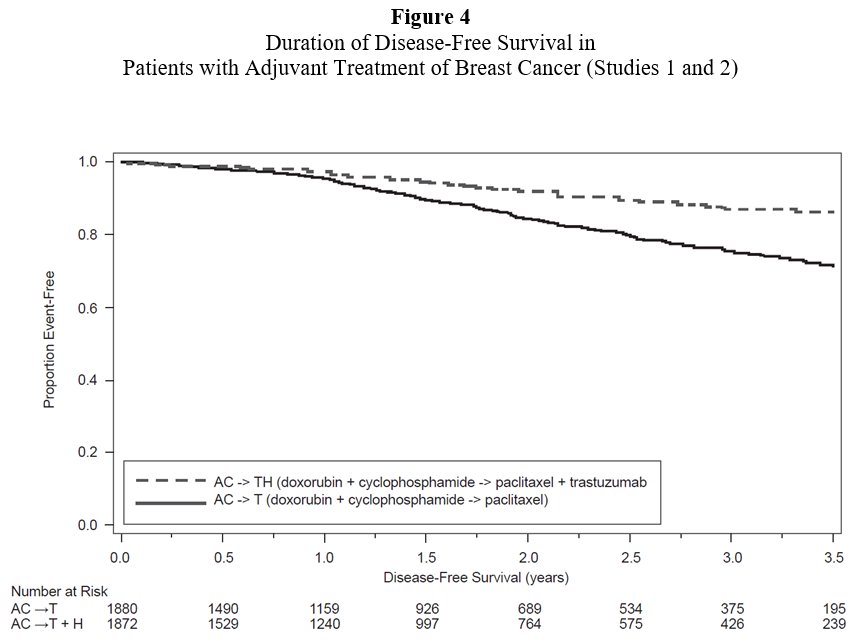
Figure 4 Duration Of Disease-free Survival In Patients With Adjuvant Treatment Of Breast Cancer (studies 1 And 2) (Image 04)

Figure 4 Duration Of Disease-free Survival In Patients With Adjuvant Treatment Of Breast Cancer (studies 1 And 2) (Image 04)
A line graph illustrating the duration of disease-free survival over 3.5 years in patients with adjuvant treatment of breast cancer. The graph compares two treatment regimens: AC->T (doxorubicin + cyclophosphamide followed by paclitaxel) and AC->TH (same regimen with addition of trastuzumab). The vertical axis represents the proportion event-free, and the horizontal axis represents disease-free survival in years. The chart includes number at risk data for both groups across time points.*
FDA Label Image

Figure 5 Duration Of Overall Survival In Patients With Adjuvant Treatment Of Breast Cancer (studies 1 And 2) (Image 05)

Figure 5 Duration Of Overall Survival In Patients With Adjuvant Treatment Of Breast Cancer (studies 1 And 2) (Image 05)
A Kaplan-Meier survival curve chart illustrating the duration of overall survival in breast cancer patients receiving adjuvant treatment from combined studies 1 and 2. The x-axis represents overall survival time in years, while the y-axis shows the proportion alive. Two treatment groups are compared: AC-T (doxorubicin + cyclophosphamide followed by paclitaxel) and AC-T + H (same regimen plus trastuzumab). Numbers at risk for each group are shown below the x-axis across the timeline.*
FDA Label Image

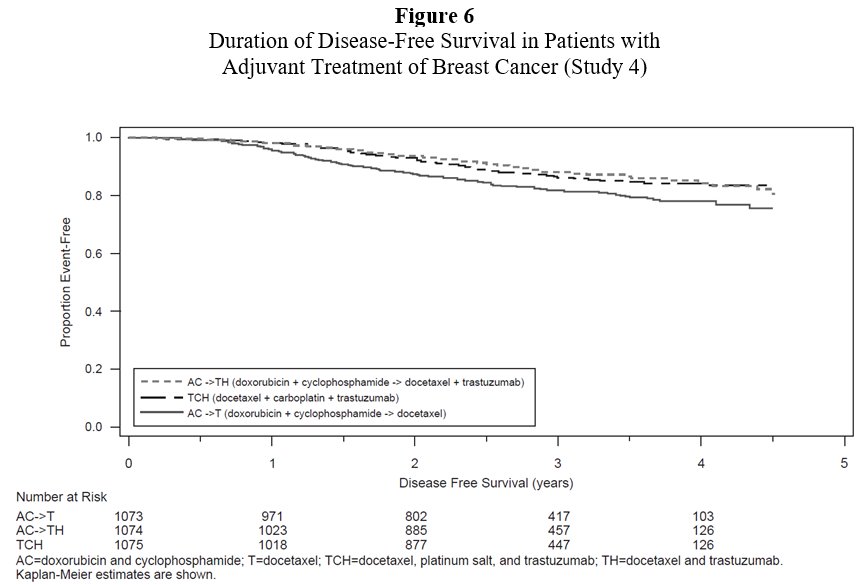
Figure 6 Duration Of Disease-free Survival In Patients With Adjuvant Treatment Of Breast Cancer (study 4) (Image 06)

Figure 6 Duration Of Disease-free Survival In Patients With Adjuvant Treatment Of Breast Cancer (study 4) (Image 06)
Kaplan-Meier curve showing duration of disease-free survival over 5 years in patients with adjuvant treatment of breast cancer from Study 4. The graph compares three treatment regimens: AC to TH (doxorubicin + cyclophosphamide followed by docetaxel + trastuzumab), TCH (docetaxel + carboplatin + trastuzumab), and AC to T (doxorubicin + cyclophosphamide followed by docetaxel). The y-axis shows proportion event-free and the x-axis shows years of disease-free survival, with numbers at risk listed below.*
FDA Label Image

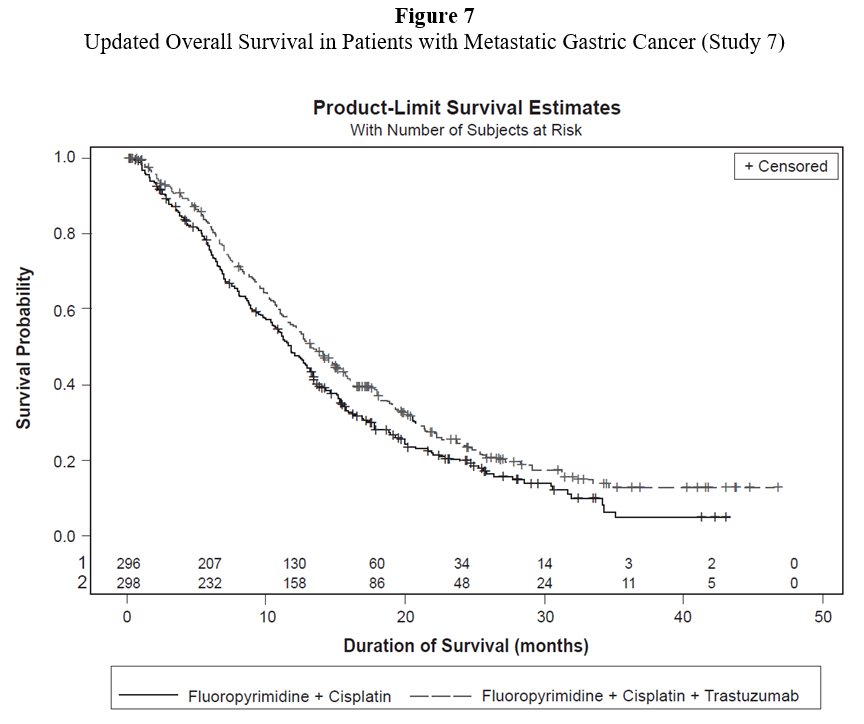
Figure 7 Updated Overall Survival In Patients With Metastatic Gastric Cancer (study 7) (Image 07)

Figure 7 Updated Overall Survival In Patients With Metastatic Gastric Cancer (study 7) (Image 07)
A Kaplan-Meier survival curve graph depicting updated overall survival in patients with metastatic gastric cancer. The graph compares survival probabilities over time in months between two treatment groups: Fluoropyrimidine + Cisplatin versus Fluoropyrimidine + Cisplatin + Trastuzumab. The number of subjects at risk at various time points is indicated below the x-axis. Censored data points are marked with plus signs.*
FDA Label Image

Ogivri For Injection 420 mg/vial Carton Label (Image 08)

Ogivri For Injection 420 mg/vial Carton Label (Image 08)
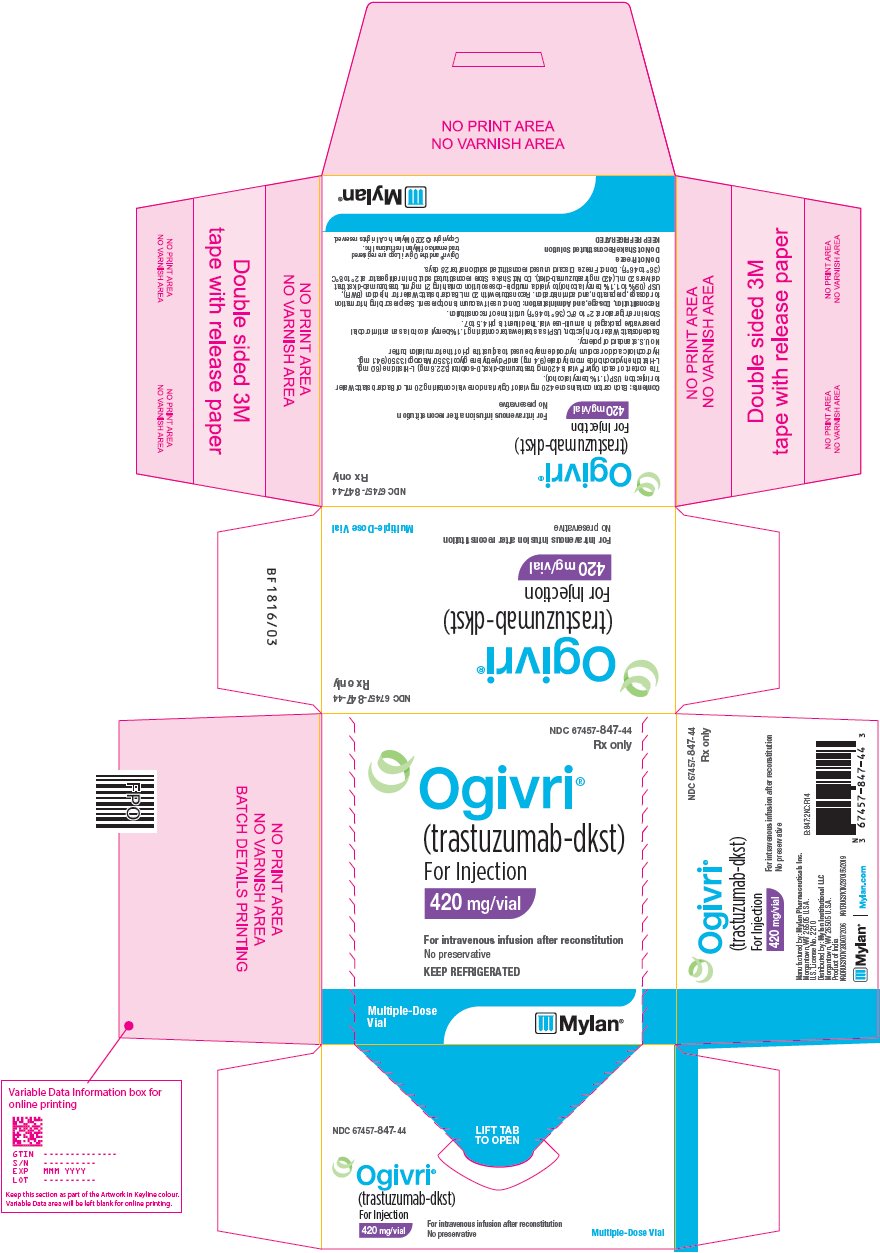
Packaging label for Ogivri (trastuzumab-dkst) for injection, 420 mg/vial. The label indicates this is a multiple-dose vial for intravenous infusion after reconstitution, with no preservative and instructions to keep refrigerated. It is labeled for Rx only and includes the Mylan Institutional LLC logo and NDC 67457-847-44.*
FDA Label Image

Ogivri For Injection 420 mg/vial Carton Label (Image 09)

Ogivri For Injection 420 mg/vial Carton Label (Image 09)
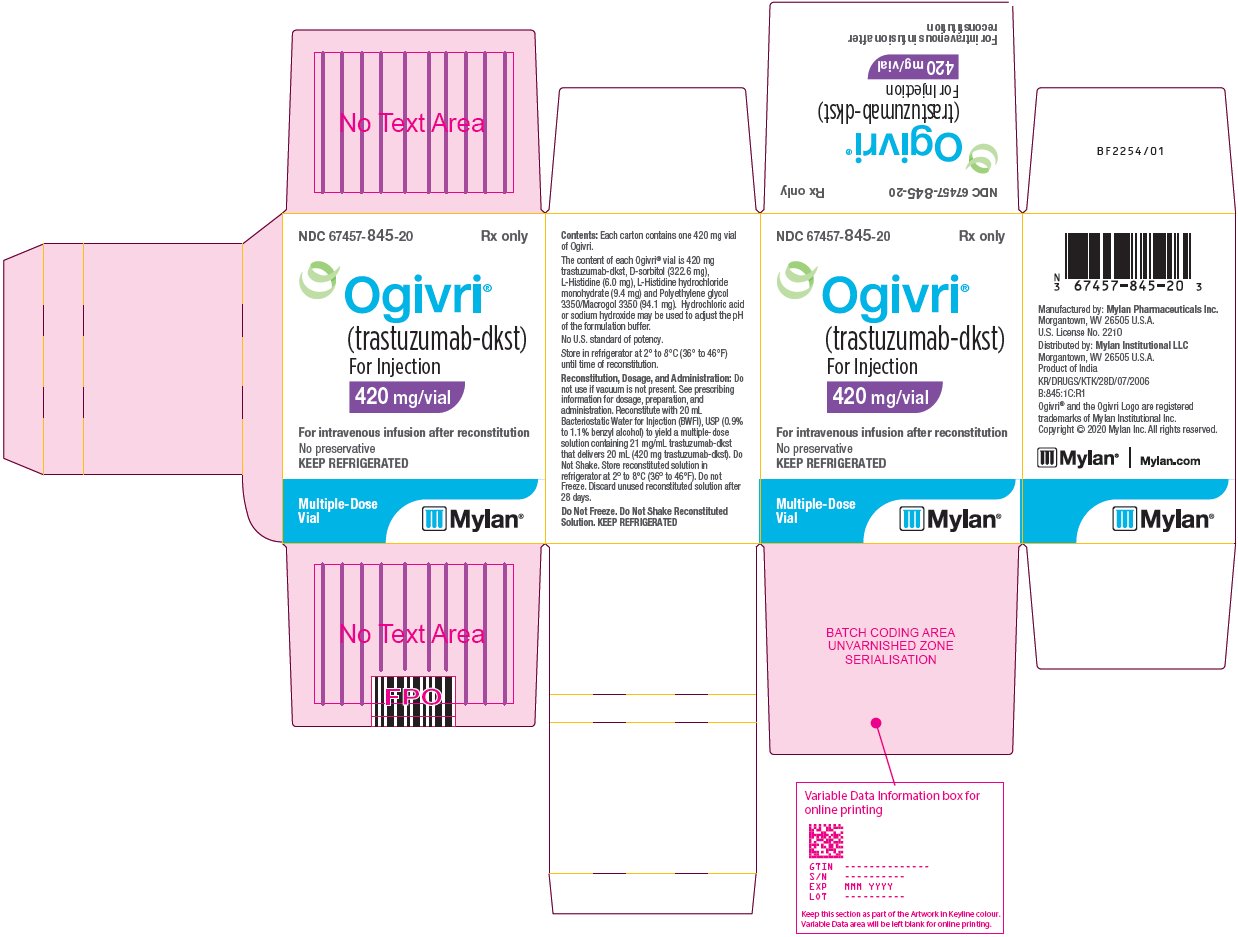
Packaging label for Ogivri (trastuzumab-dkst) For Injection 420 mg/vial, a multiple-dose vial by Mylan Institutional LLC. The label includes dosage form, strength, and storage instructions to keep refrigerated. It states for intravenous infusion after reconstitution and no preservative. The label also features manufacturer and distributor information, barcode, and regulatory markings.*
FDA Label Image

Ogivri For Injection 150 mg/vial Carton Label (Image 10)

Ogivri For Injection 150 mg/vial Carton Label (Image 10)
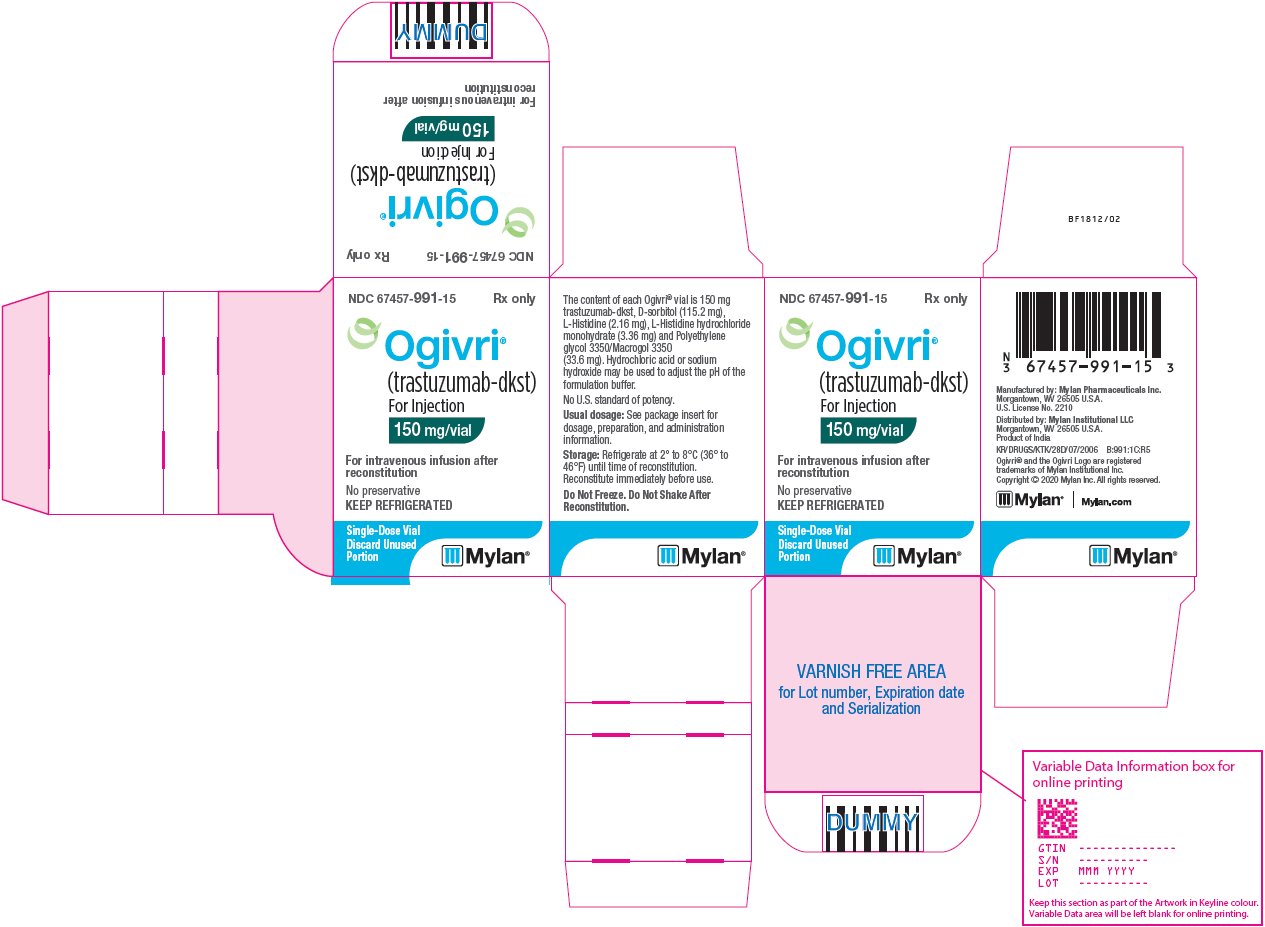
The image shows the flat layout of the packaging label for Ogivri 150 mg/vial (trastuzumab-dkst) injectable solution. The label indicates that it is for intravenous infusion after reconstitution, with no preservatives and instructions to keep refrigerated. The labeler is Mylan Institutional LLC. The packaging includes usage, storage instructions, and regulatory information along with the Mylan logo.*

* About these descriptions: Image descriptions on this page are generated by automated AI analysis of the product label images from the manufacturer's FDA label submission (SPL). They are provided for reference only and may contain errors or omissions. Always rely on the printed label itself and the official FDA labeling, and consult a pharmacist or healthcare professional with any questions about this product.