Adults
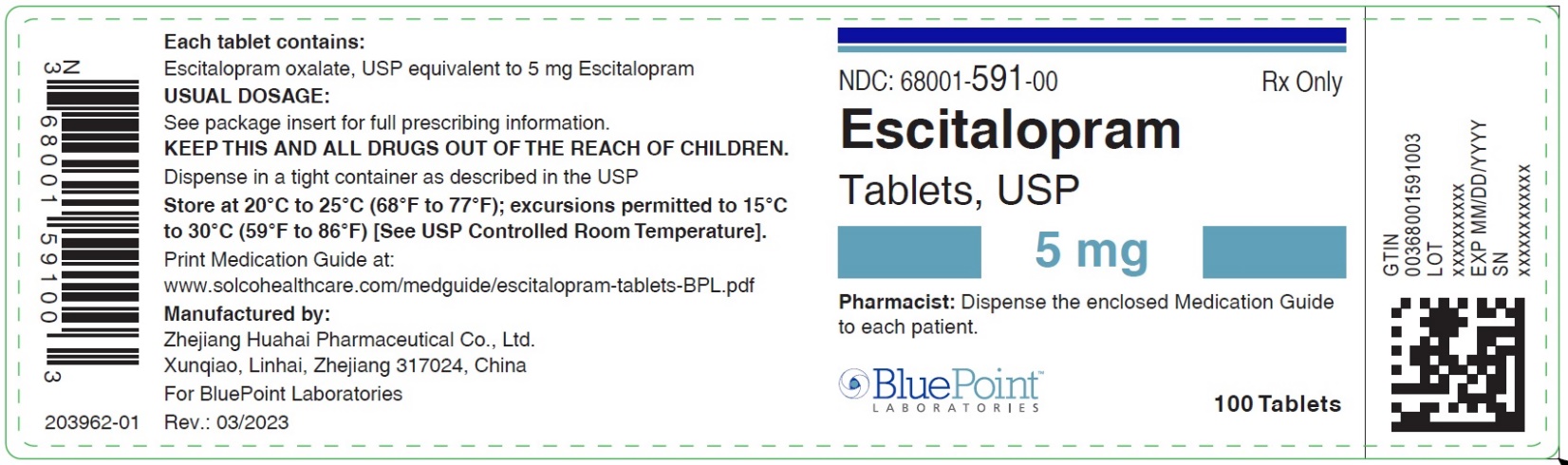
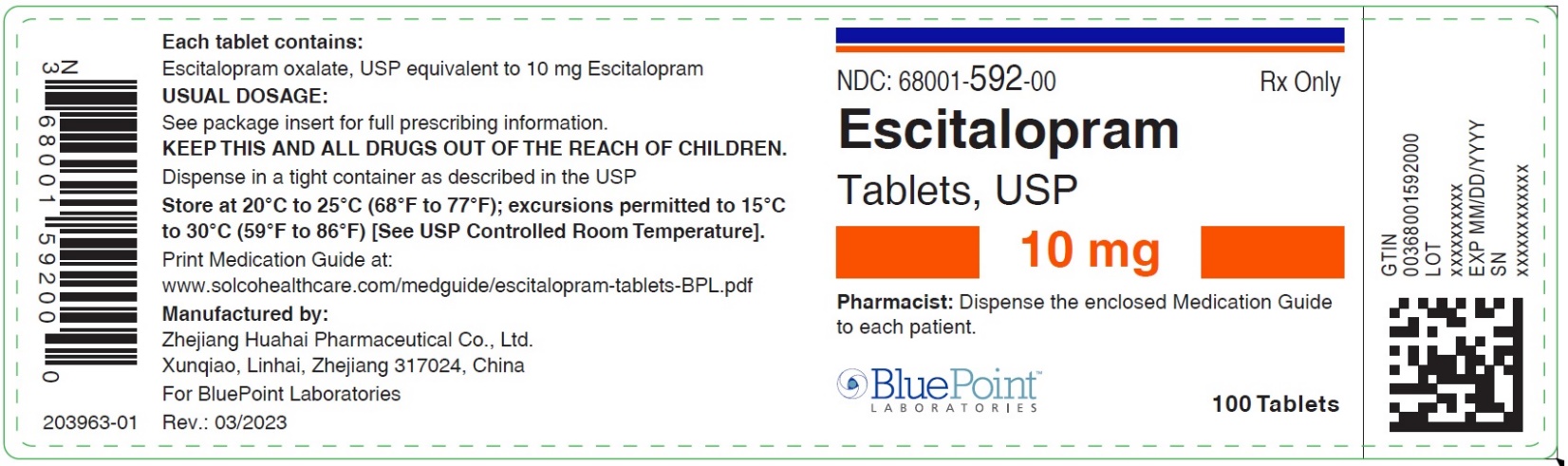
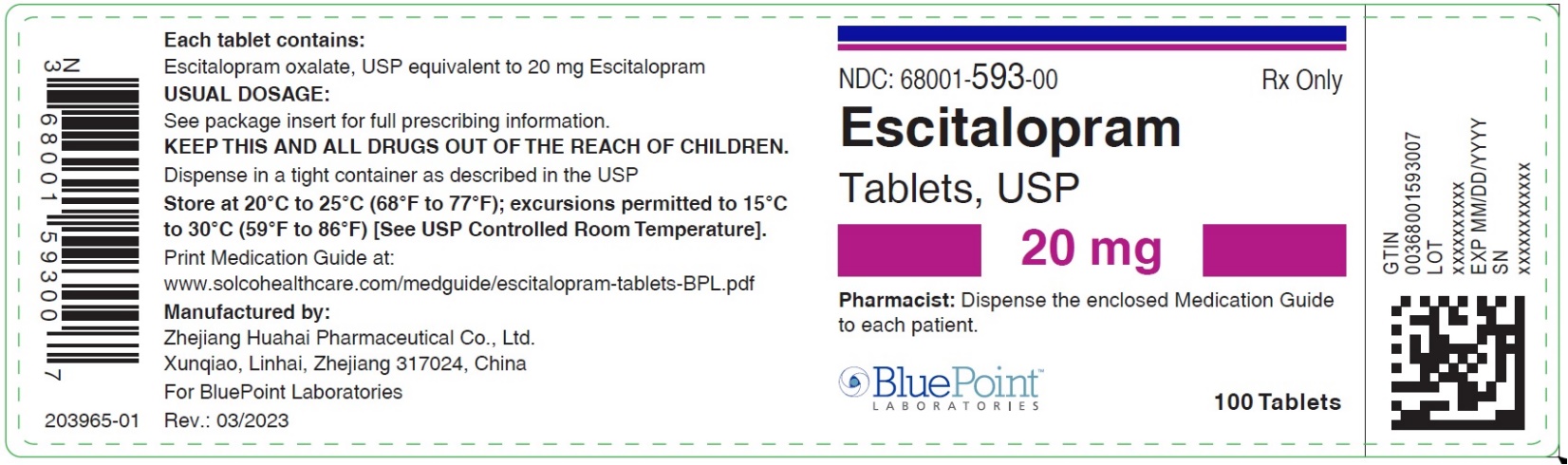
The recommended dosage of escitalopram tablets in adults is 10 mg once daily. A fixed-dose trial of escitalopram demonstrated the effectiveness of both 10 mg and 20 mg of escitalopram, but failed to demonstrate a greater benefit of 20 mg over 10 mg [
see Clinical Studies (
14.1)
]. Depending on clinical response and tolerability, dosage may be increased to the maximum recommended dosage of 20 mg once daily at an interval of no less than 1 week.
Pediatric Patients 12 years of age and older
The recommended dosage of escitalopram tablets in pediatric patients 12 years of age and older is 10 mg once daily. Depending on clinical response and tolerability, dosage may be increased to the maximum recommended dosage of 20 mg once daily at an interval of no less than 3 weeks.
Adults
The recommended starting dosage of escitalopram tablets in adults is 10 mg once daily. Depending on clinical response and tolerability, dosage may be increased to the maximum recommended dosage of 20 mg once daily at an interval of no less than 1 week.
Pediatric Patients 7 years of age and older
The recommended starting dosage of escitalopram tablets for pediatric patients ages 7 years of age and older is 10 mg once daily. Depending on clinical response and tolerability, dosage may be increased to the maximum recommended dosage of 20 mg once daily at an interval of no less than 2 weeks.
Clinical Trial Data Sources
Adults
Adverse reactions information for escitalopram was collected from 715 patients with major depressive disorder who were exposed to escitalopram and from 592 patients who were exposed to placebo in double-blind, placebo-controlled trials. An additional 284 patients with major depressive disorder were newly exposed to escitalopram in open-label trials. The adverse reaction information for escitalopram in patients with GAD was collected from 429 patients exposed to escitalopram and from 427 patients exposed to placebo in double-blind, placebo-controlled trials.
Adverse reactions during exposure were obtained primarily by general inquiry and recorded by clinical investigators using terminology of their own choosing. Consequently, it is not possible to provide a meaningful estimate of the proportion of individuals experiencing adverse reactions without first grouping similar types of reactions into a smaller number of standardized event categories. In the tables and tabulations that follow, standard World Health Organization (WHO) terminology has been used to classify reported adverse reactions.
The stated frequencies of adverse reactions represent the proportion of individuals who experienced, at least once, a treatment emergent adverse event of the type listed. An event was considered treatment-emergent if it occurred for the first time or worsened while receiving therapy following baseline evaluation.
Pediatric Patients
Adverse reaction information for pediatric patients was collected in double-blind placebo-controlled studies in 576 pediatric patients 6 to 17 years of age, (286 escitalopram, 290 placebo) with major depressive disorder and in 273 pediatric patients 7 to 17 years of age (137 escitalopram, 136 placebo) with generalized anxiety disorder.
The safety and effectiveness of escitalopram have not been established in pediatric patients less than 12 years of age with MDD or less than 7 years of age with GAD.
Adverse Events Associated with Discontinuation of Treatment
Major Depressive Disorder
Adults
Among the 715 depressed patients who received escitalopram in placebo-controlled trials, 6% discontinued treatment due to an adverse event, as compared to 2% of 592 patients receiving placebo. In two fixed-dose studies, the rate of discontinuation for adverse reactions in patients receiving 10 mg/day escitalopram was not significantly different from the rate of discontinuation for adverse reactions in patients receiving placebo. The rate of discontinuation for adverse reactions in patients assigned to a fixed dose of 20 mg/day escitalopram was 10%, which was significantly different from the rate of discontinuation for adverse reactions in patients receiving 10 mg/day escitalopram (4%) and placebo (3%). Adverse reactions that were associated with the discontinuation of at least 1% of patients treated with escitalopram, and for which the rate was at least twice that of placebo, were nausea (2%) and ejaculation disorder (2% of male patients).
Pediatric Patients
Adverse reactions in pediatric patients 6 to 17 years of age were associated with discontinuation of 3.5% of 286 patients receiving escitalopram and 1% of 290 patients receiving placebo. The most common adverse reaction (incidence at least 1% for escitalopram and greater than placebo) associated with discontinuation was insomnia (1% escitalopram, 0% placebo).
The safety and effectiveness of escitalopram have not been established in pediatric patients less than 12 years of age with MDD.
Generalized Anxiety Disorder
Adults
Among the 429 GAD patients who received escitalopram 10 to 20 mg/day in placebo-controlled trials, 8% discontinued treatment due to an adverse event as compared to 4% of 427 patients receiving placebo. Adverse reactions that were associated with the discontinuation of at least 1% of patients treated with escitalopram, and for which the rate was at least twice the placebo rate, were nausea (2%), insomnia (1%), and fatigue (1%).
Pediatric Patients
Adverse reactions in pediatric patients 7 to 17 years were associated with discontinuation of 2.9% of 137 patients receiving escitalopram and 1.5% of 136 patients receiving placebo. The most common adverse reaction (incidence at least 1% for escitalopram and greater than placebo) associated with discontinuation was activation syndrome (1% escitalopram, 0% placebo), intentional self injury (1% escitalopram, 0% placebo), epistaxis (1% escitalopram, 0% placebo), and nausea (1% escitalopram, 0% placebo).
Incidence of Adverse Reactions in Placebo-Controlled Clinical Trials
Major Depressive Disorder
Adults
The most commonly observed adverse reactions in escitalopram patients (incidence of approximately 5% or greater and approximately twice the incidence in placebo patients) were insomnia, ejaculation disorder (primarily ejaculatory delay), nausea, sweating increased, fatigue, and somnolence.
Table 2 enumerates the incidence, rounded to the nearest percent, of adverse reactions that occurred among 715 depressed patients who received escitalopram at doses ranging from 10 to 20 mg/day in placebo-controlled trials. Reactions included are those occurring in 2% or more of patients treated with escitalopram and for which the incidence in patients treated with escitalopram was greater than the incidence in placebo-treated patients.
| 1Primarily ejaculatory delay.
|
| 2Denominator used was for males only (N=225 Escitalopram; N=188 placebo).
|
| 3Denominator used was for females only (N=490 Escitalopram; N=404 placebo).
|
| Pediatric Patients |
| The overall profile of adverse reactions in pediatric patients 6 to 17 years in major depressive disorder was generally similar to that seen in adult studies, as shown in Table 2. However, the following adverse reactions (excluding those which appear in Table 2 and those for which the coded terms were uninformative or misleading) were reported at an incidence of at least 2% for escitalopram and greater than placebo: back pain, urinary tract infection, vomiting, and nasal |
| congestion. |
| The safety and effectiveness of escitalopram have not been established in pediatric patients less than 12 years of age with MDD. |
TABLE 2 |
Adverse Reactions observed with a frequency of ≥ 2% and greater than placebo for Major Depressive Disorder (Adults) |
Adverse Reaction | Escitalopram | Placebo |
| (N=715)
% | (N=592)
% |
Autonomic Nervous System Disorders | | |
Dry Mouth | 6% | 5% |
Sweating Increased | 5% | 2% |
Central & Peripheral Nervous System Disorders | | |
Dizziness | 5% | 3% |
Gastrointestinal Disorders | | |
Nausea | 15% | 7% |
Diarrhea | 8% | 5% |
Constipation | 3% | 1% |
Indigestion | 3% | 1% |
Abdominal Pain | 2% | 1% |
General | | |
Influenza-like Symptoms | 5% | 4% |
Fatigue | 5% | 2% |
Psychiatric Disorders | | |
Insomnia | 9% | 4% |
Somnolence | 6% | 2% |
Appetite Decreased | 3% | 1% |
Libido Decreased | 3% | 1% |
Respiratory System Disorders | | |
Rhinitis | 5% | |
Sinusitis | 3% | 2% |
Urogenital | | |
Ejaculation Disorder
1,2 | 9% | <1% |
Impotence
2 | 3% | <1% |
Anorgasmia
3 | 2% | <1% |
Generalized Anxiety Disorder
Adults
The most commonly observed adverse reactions in escitalopram patients (incidence of approximately 5% or greater and approximately twice the incidence in placebo patients) were nausea, ejaculation disorder (primarily ejaculatory delay), insomnia, fatigue, decreased libido, and anorgasmia.
Table 3enumerates the incidence, rounded to the nearest percent of treatment-emergent adverse reactions that occurred among 429 GAD patients who received escitalopram 10 to 20 mg/day in placebo-controlled trials. Reactions included are those occurring in 2% or more of patients treated with escitalopram and for which the incidence in patients treated with escitalopram was greater than the incidence in placebo-treated patients.
| 1Primarily ejaculatory delay.
|
| 2Denominator used was for males only (N=182 Escitalopram; N=195 placebo).
|
| 3Denominator used was for females only (N=247 Escitalopram; N=232 placebo).
|
| Pediatric Patients |
| The overall profile of adverse reactions in pediatric patients 7 to 17 years in generalized anxiety disorder was generally similar to that seen in adult studies, as shown in Table 3. However, the following adverse reactions (excluding those which appear in Table 3) were reported at an incidence of at least 2% for escitalopram and greater than placebo: dizziness (3% escitalopram and 2% placebo), nasopharyngitis (3% escitalopram and 1% placebo), abdominal discomfort (3% escitalopram and 1% placebo), anxiety (3% escitalopram and 1% placebo), irritability (2% escitalopram and 1% placebo), and anger (2% escitalopram and 0% placebo |
TABLE 3 |
Adverse Reactions Observed with a Frequency of ≥ 2% and > placebo for Generalized Anxiety Disorder (Adults) |
Adverse Reaction | Escitalopram | Placebo |
| (N=429)
% | (N=427)
% |
Autonomic Nervous System Disorders | | |
Dry Mouth | 9% | 5% |
Sweating Increased | 4% | 1% |
Central & Peripheral Nervous System Disorders | | |
Headache | 24% | 17% |
Paresthesia | 2% | 1% |
Gastrointestinal Disorders | | |
Nausea | 18% | 8% |
Diarrhea | 8% | 6% |
Constipation | 5% | 4% |
Indigestion | 3% | 2% |
Vomiting | 3% | 1% |
Abdominal Pain | 2% | 1% |
Flatulence | 2% | 1% |
Toothache | 2% | 0% |
General | | |
Fatigue | 8% | 2% |
Influenza-like Symptoms | 5% | 4% |
Musculoskeletal System Disorder | | |
Neck/Shoulder Pain | 3% | 1% |
Psychiatric Disorders | | |
Somnolence | 13% | 7% |
Insomnia | 12% | 6% |
Libido Decreased | 7% | 2% |
Dreaming Abnormal | 3% | 2% |
| 3% | 1% |
Lethargy | 3% | 1% |
Respiratory System Disorders | | |
Yawning | 2% | 1% |
Urogenital | | |
Ejaculation Disorder
1,2 | 14% | 2% |
Anorgasmia
3 | 6% | <1% |
Menstrual Disorder | 2% | 1% |
Dose Dependency of Adverse Reactions
The potential dose dependency of common adverse reactions (defi ned as an incidence rate of ≥5% in either the 10 mg or 20 mg escitalopram groups) was examined on the basis of the combined incidence of adverse reactions in two fixed-dose trials. The overall incidence rates of adverse reactions in 10 mg escitalopram-treated patients (66%) was similar to that of the placebo-treated patients (61%), while the incidence rate in 20 mg/day escitalopram-treated patients was greater (86%). Table 4 shows common adverse reactions that occurred in the 20 mg/day escitalopram group with an incidence that was approximately twice that of the 10 mg/day escitalopram group and approximately twice that of the placebo group.
TABLE 4 |
Incidence of Common Adverse Reactions in Patients with Major Depressive Disorder |
Adverse Reaction | Placebo | 10 mg/day | 20 mg/day |
| (N=311) | Escitalopram | Escitalopram |
| | (N=310) | (N=125) |
Insomnia | 4% | 7% | 14% |
Diarrhea | 5% | 6% | 14% |
Dry Mouth | 3% | 4% | 9% |
Somnolence | 1% | 4% | 9% |
Dizziness | 2% | 4% | 7% |
Sweating Increased | <1% | 3% | 8% |
Constipation | 1% | 3% | 6% |
Fatigue | 2% | 2% | 6% |
Indigestion | 1% | 2% | 6% |
Male and Female Sexual Dysfunction with SSRIs
Although changes in sexual desire, sexual performance, and sexual satisfaction often occur as manifestations of a psychiatric disorder, they may also be a consequence of pharmacologic treatment. In particular, some evidence suggests that SSRIs can cause such untoward sexual experiences.
Reliable estimates of the incidence and severity of untoward experiences involving sexual desire, performance, and satisfaction are difficult to obtain, however, in part because patients and physicians may be reluctant to discuss them. Accordingly, estimates of the incidence of untoward sexual experience and performance cited in product labeling are likely to underestimate their actual incidence.
TABLE 5 |
Incidence of Sexual Side Effects in Placebo-Controlled Clinical Trials |
Adverse Event | Escitalopram | Placebo |
| In Males Only |
| (N=407) | (N=383) |
Ejaculation Disorder
(primarily ejaculatory delay)
|
12%
|
1%
|
Libido Decreased | 6% | 2% |
Impotence | 2% | <1% |
| In Females Only |
| (N=737) | (N=636) |
Libido Decreased | 3% | 1% |
Anorgasmia | 3% | <1% |
There are no adequately designed studies examining sexual dysfunction with escitalopram treatment.
Priapism has been reported with all SSRIs.
While it is difficult to know the precise risk of sexual dysfunction associated with the use of SSRIs, physicians should routinely inquire about such possible side effects.
Vital Sign Changes
Escitalopram and placebo groups were compared with respect to (1) mean change from baseline in vital signs (pulse, systolic blood pressure, and diastolic blood pressure) and (2) the incidence of patients meeting criteria for potentially clinically significant changes from baseline in these variables. These analyses did not reveal any clinically important changes in vital signs associated with escitalopram treatment. In addition, a comparison of supine and standing vital sign measures in subjects receiving escitalopram indicated that escitalopram treatment is not associated with orthostatic changes.
Weight Changes
Patients treated with escitalopram in controlled trials did not differ from placebo-treated patients with regard to clinically important change in body weight.
Laboratory Changes
Escitalopram and placebo groups were compared with respect to (1) mean change from baseline in various serum chemistry, hematology, and urinalysis variables, and (2) the incidence of patients meeting criteria for potentially clinically significant changes from baseline in these variables. These analyses revealed no clinically important changes in laboratory test parameters associated with escitalopram treatment.
ECG Changes
Electrocardiograms from escitalopram (N=625) and placebo (N=527) groups were compared with respect to outliers defined as subjects with QTc changes over 60 msec from baseline or absolute values over 500 msec post-dose, and subjects with heart rate increases to over 100 bpm or decreases to less than 50 bpm with a 25% change from baseline (tachycardic or bradycardic outliers, respectively). None of the patients in the escitalopram group had a QTcF interval >500 msec or a prolongation >60 msec compared to 0.2% of patients in the placebo group. The incidence of tachycardic outliers was 0.2% in the escitalopram and the placebo group. The incidence of bradycardic outliers was 0.5% in the escitalopram group and 0.2% in the placebo group.
QTcF interval was evaluated in a randomized, placebo and active (moxifloxacin 400 mg) controlled cross-over, escalating multiple dose study in 113 healthy subjects. The maximum mean (95% upper confidence bound) difference from placebo arm were 4.5 (6.4) and 10.7 (12.7) msec for 10 mg and supratherapeutic 30 mg escitalopram given once daily, respectively. Based on the established exposure-response relationship, the predicted QTcF change from placebo arm (95% confidence interval) under the Cmax for the dose of 20 mg is 6.6 (7.9) msec. Escitalopram 30 mg given once daily resulted in mean Cmax of 1.7-fold higher than the mean Cmax for the maximum recommended therapeutic dose at steady state (20 mg). The exposure under supratherapeutic 30 mg dose is similar to the steady state concentrations expected in CYP2C19 poor metabolizers following a therapeutic dose of 20 mg..
Other Reactions Observed During the Premarketing Evaluation of Escitalopram
Following is a list of treatment-emergent adverse reactions, as defined in the introduction to the
ADVERSE REACTIONSsection, reported by the 1428 patients treated with escitalopram for periods of up to one year in double-blind or open-label clinical trials during its premarketing evaluation. The listing does not include those reactions already listed in
Tables 2 & 3, those reactions for which a drug cause was remote and at a rate less than 1% or lower than placebo, those reactions which were so general as to be uninformative, and those reactions reported only once which did not have a substantial probability of being acutely life threatening. Reactions are categorized by body system. Reactions of major clinical importance are described in the Warnings and Precautions section (
5).
Cardiovascular:hypertension, palpitation.
Central and Peripheral Nervous System Disorders:light-headed feeling, migraine.
Gastrointestinal Disorders:abdominal cramp, heartburn, gastroenteritis.
General:allergy, chest pain, fever, hot fl ushes, pain in limb.
Metabolic and Nutritional Disorders:increased weight.
Musculoskeletal System Disorders:arthralgia, myalgia jaw stiffness.
Psychiatric Disorders:appetite increased, concentration impaired, irritability.
Reproductive Disorders/Female:menstrual cramps, menstrual disorder.
Respiratory System Disorders:bronchitis, coughing, nasal congestion, sinus congestion, sinus headache.
Skin and Appendages Disorders:rash.
Special Senses:vision blurred, tinnitus.
Urinary System Disorders:urinary frequency, urinary tract infection.
Adverse Reactions Reported Subsequent to the Marketing of Escitalopram
The following adverse reactions have been identified during post-approval use of escitalopram tablets. Because these reactions are reported voluntarily from a population of uncertain size, it is not always possible to reliably estimate their frequency or establish a causal relationship to drug exposure.
Blood and Lymphatic System Disorders:anemia, agranulocytis, aplastic anemia, hemolytic anemia, idiopathic thrombocytopenia purpura, leukopenia, thrombocytopenia.
Cardiac Disorders: atrial fibrillation, bradycardia, cardiac failure, myocardial infarction, tachycardia, torsade de pointes, ventricular arrhythmia, ventricular tachycardia.
Ear and labyrinth disorders:vertigo
Endocrine Disorders:diabetes mellitus, hyperprolactinemia, SIADH.
Eye Disorders:angle closure glaucoma, diplopia, mydriasis, visual disturbance.
Gastrointestinal Disorder:dysphagia, gastrointestinal hemorrhage, gastroesophageal reflux, pancreatitis, rectal hemorrhage.
General Disorders and Administration Site Conditions:abnormal gait, asthenia, edema, fall, feeling abnormal, malaise.
Hepatobiliary Disorders:fulminant hepatitis, hepatic failure, hepatic necrosis, hepatitis.
Immune System Disorders:allergic reaction, anaphylaxis.
Investigations:bilirubin increased, decreased weight, electrocardiogram QT prolongation, hepatic enzymes increased, hypercholesterolemia, INR increased, prothrombin decreased.
Metabolism and Nutrition Disorders:hyperglycemia, hypoglycemia, hypokalemia, hyponatremia.
Musculoskeletal and Connective Tissue Disorders:muscle cramp, muscle stiffness, muscle weakness, rhabdomyolysis.
Nervous System Disorders:akathisia, amnesia, ataxia, choreoathetosis, cerebrovascular accident, dysarthria, dyskinesia, dystonia, extrapyramidal disorders, grand mal seizures (or convulsions), hypoaesthesia, myoclonus, nystagmus, Parkinsonism, restless legs, seizures, syncope, tardive dyskinesia, tremor.
Pregnancy, Puerperium and Perinatal Conditions:spontaneous abortion.
Psychiatric Disorders:acute psychosis, aggression, agitation, anger, anxiety, apathy, completed suicide, confusion, depersonalization, depression aggravated, delirium, delusion, disorientation, feeling unreal, hallucinations (visual and auditory), mood swings, nervousness, nightmare, panic reaction, paranoia, restlessness, self-harm or thoughts of self-harm, suicide attempt, suicidal ideation, suicidal tendency.
Renal and Urinary Disorders:acute renal failure, dysuria, urinary retention.
Reproductive System and Breast Disorders:menorrhagia, priapism.
Respiratory, Thoracic and Mediastinal Disorders:dyspnea, epistaxis, pulmonary embolism, pulmonary hypertension of the newborn.
Skin and Subcutaneous Tissue Disorders:alopecia, angioedema, dermatitis, ecchymosis, erythema multiforme, photosensitivity reaction, Stevens Johnson Syndrome, toxic epidermal necrolysis, urticaria.
Vascular Disorders:deep vein thrombosis, flushing, hypertensive crisis, hypotension, orthostatic hypotension, phlebitis, thrombosis.
Pregnancy Exposure Registry
There is a pregnancy exposure registry that monitors pregnancy outcomes in women exposed to antidepressants during pregnancy. Healthcare providers are encouraged to register patients by calling the National Pregnancy Registry for Antidepressants at 1-844-405-6185 or visiting online at
https://womensmentalhealth.org/clnical-and research programs/pregnancyregistry/antidepressants/
Risk Summary
Available data from published epidemiologic studies and postmarketing reports have not established an increased risk of major birth defects or miscarriage. There are risks of persistent pulmonary hypertension of the newborn (PPHN)
(see Data)and poor neonatal adaptation
(see Clinical Considerations)with exposure to selective serotonin reuptake inhibitors (SSRIs), including escitalopram, during pregnancy. There are risks associated with untreated depression in pregnancy
(see Clinical Considerations).
In animal reproduction studies, both escitalopram and racemic citalopram have been shown to have adverse effects on embryo/fetal and postnatal development, including fetal structural abnormalities, when administered at doses greater than human therapeutic doses
(see Data).
The estimated background risk of major birth defects and miscarriage for the indicated population is unknown. All pregnancies have a background risk of birth defect, loss, or other adverse outcomes. In the U.S. general population, the estimated background risk of major birth defects and miscarriage in the clinically recognized pregnancies is 2 to 4% and 15 to 20%, respectively.
Clinical Considerations
Disease-associated maternal risk and/or embryo/fetal risk
Women who discontinue antidepressants are more likely to experience a relapse of major depression than women who continue antidepressants. This finding is from a prospective longitudinal study of 201 pregnant women with a history of major depression, who were euthymic and taking antidepressants at the beginning of pregnancy. Consider the risk of untreated depression when discontinuing or changing treatment with antidepressant medication during pregnancy and postpartum.
Fetal/Neonatal adverse reactions
Neonates exposed to SSRIs or SNRIs, including escitalopram, late in third trimester have developed complications requiring prolonged hospitalization, respiratory support, and tube feeding. Such complications can arise immediately upon delivery. Reported clinical findings have included respiratory distress, cyanosis, apnea, seizures, temperature instability, feeding difficulty, vomiting, hypoglycemia, hypotonia, hypertonia, hyperreflexia, tremor, jitteriness, irritability, and constant crying. These features are consistent with either a direct toxic effect of SSRIs and SNRIs or, possibly, a drug discontinuation syndrome. It should be noted that, in some cases, the clinical picture is consistent with serotonin syndrome [
see Warnings and Precautions (
5.2)
].
Data
Human Data
Exposure to SSRIs, particularly later in pregnancy, may increase the risk for PPHN. PPHN occurs in 1-2 per 1000 live births in the general populations and is associated with substantial neonatal morbidity and mortality.
Animal Data
In a rat embryo/fetal development study, oral administration of escitalopram (56, 112, or 150 mg/kg/day) to pregnant animals during the period of organogenesis resulted in decreased fetal body weight and associated delays in ossification at the two higher doses [approximately ≥ 55 times the maximum recommended human dose (MRHD) of 20 mg/day on a mg/m
2basis]. Maternal toxicity (clinical signs and decreased body weight gain and food consumption), mild at 56 mg/kg/day, was present at all dose levels. The developmental no-effect dose of 56 mg/kg/day is approximately 27 times the MRHD of 20 mg on a mg/m
2basis. No malformations were observed at any of the doses tested (as high as 73 times the MRHD on a mg/m
2basis).
When female rats were treated with escitalopram (6, 12, 24, or 48 mg/kg/day) during pregnancy and through weaning, slightly increased offspring mortality and growth retardation were noted at 48 mg/kg/day which is approximately 23 times the MRHD of 20 mg on a mg/m
2basis. Slight maternal toxicity (clinical signs and decreased body weight gain and food consumption) was seen at this dose. Slightly increased offspring mortality was also seen at 24 mg/kg/day. The no-effect dose was 12 mg/kg/day which is approximately 6 times the MRHD of 20 mg on a mg/m
2basis.
In two rat embryo/fetal development studies, oral administration of racemic citalopram (32, 56, or 112 mg/kg/day) to pregnant animals during the period of organogenesis resulted in decreased embryo/fetal growth and survival and an increased incidence of fetal abnormalities (including cardiovascular and skeletal defects) at the high dose, which is approximately 18 times the MRHD of 60 mg/day on a mg/m
2basis. This dose was also associated with maternal toxicity (clinical signs, decreased body weight gain). The developmental no-effect dose was 56 mg/kg/day is approximately 9 times the MRHD on a mg/m
2basis. In a rabbit study, no adverse effects on embryo/fetal development were observed at doses of racemic citalopram of up to 16 mg/kg/day, or approximately 5 times the MRHD on a mg/m
2basis. Thus, developmental effects of racemic citalopram were observed at a maternally toxic dose in the rat and were not observed in the rabbit.
When female rats were treated with racemic citalopram (4.8, 12.8, or 32 mg/kg/day) from late gestation through weaning, increased offspring mortality during the first 4 days after birth and persistent offspring growth retardation were observed at the highest dose, which is approximately 5 times the MRHD of 60 mg on a mg/m
2basis. The no-effect dose was 12.8 mg/kg/day is approximately 2 times the MRHD on a mg/m
2basis. Similar effects on offspring mortality and growth were seen when dams were treated throughout gestation and early lactation at doses ≥ 24 mg/kg/day, approximately 4 times the MRHD on a mg/m
2basis. A no-effect dose was not determined in that study.
Physical and Psychological Dependence
Animal studies suggest that the abuse liability of racemic citalopram is low. Escitalopram has not been systematically studied in humans for its potential for abuse, tolerance, or physical dependence. The premarketing clinical experience with Escitalopram did not reveal any drug-seeking behavior. However, these observations were not systematic and it is not possible to predict on the basis of this limited experience the extent to which a CNS-active drug will be misused, diverted, and/or abused once marketed. Consequently, physicians should carefully evaluate Escitalopram patients for history of drug abuse and follow such patients closely, observing them for signs of misuse or abuse (e.g., development of tolerance, incrementations of dose, drug-seeking behavior).
Carcinogenesis
Racemic citalopram was administered in the diet to NMRI/BOM strain mice and COBS WI strain rats for 18 and 24 months, respectively. There was no evidence for carcinogenicity of racemic citalopram in mice receiving up to 240 mg/kg/day. There was an increased incidence of small intestine carcinoma in rats receiving 8 or 24 mg/kg/day racemic citalopram. A no-effect dose for this finding was not established. The relevance of these findings to humans is unknown.
Mutagenesis
Racemic citalopram was mutagenic in the in vitro bacterial reverse mutation assay (Ames test) in 2 of 5 bacterial strains (Salmonella TA98 and TA1537) in the absence of metabolic activation. It was clastogenic in the in vitro Chinese hamster lung cell assay for chromosomal aberrations in the presence and absence of metabolic activation. Racemic citalopram was not mutagenic in the in vitro mammalian forward gene mutation assay (HPRT) in mouse lymphoma cells or in a coupled in vitro/in vivo unscheduled DNA synthesis (UDS) assay in rat liver. It was not clastogenic in the in vitro chromosomal aberration assay in human lymphocytes or in two in vivo mouse micronucleus assays.
Impairment of Fertility
When racemic citalopram was administered orally to 16 male and 24 female rats prior to and throughout mating and gestation at doses of 32, 48, and 72 mg/kg/day, mating was decreased at all doses, and fertility was decreased at doses ≥ 32 mg/kg/day. Gestation duration was increased at 48 mg/kg/day
Retinal Changes in Rats
Pathologic changes (degeneration/atrophy) were observed in the retinas of albino rats in the 2-year carcinogenicity study with racemic citalopram. There was an increase in both incidence and severity of retinal pathology in both male and female rats receiving 80 mg/kg/day. Similar findings were not present in rats receiving 24 mg/kg/day of racemic citalopram for two years, in mice receiving up to 240 mg/kg/day of racemic citalopram for 18 months, or in dogs receiving up to 20 mg/kg/day of racemic citalopram for one year.
Additional studies to investigate the mechanism for this pathology have not been performed, and the potential significance of this effect in humans has not been established.
Cardiovascular Changes in Dogs
In a one-year toxicology study, 5 of 10 beagle dogs receiving oral racemic citalopram doses of 8 mg/ kg/day died suddenly between weeks 17 and 31 following initiation of treatment. Sudden deaths were not observed in rats at doses of racemic citalopram up to 120 mg/kg/day, which produced plasma levels of citalopram and its metabolites demethylcitalopram and didemethylcitalopram (DDCT) similar to those observed in dogs at 8 mg/kg/day. A subsequent intravenous dosing study demonstrated that in beagle dogs, racemic DDCT caused QT prolongation, a known risk factor for the observed outcome in dogs.
Adults
The efficacy of escitalopram as a treatment for major depressive disorder was established in three, 8-week, placebo-controlled studies conducted in outpatients between 18 and 65 years of age who met DSM-IV criteria for major depressive disorder. The primary outcome in all three studies was change from baseline to endpoint in the Montgomery Asberg Depression Rating Scale (MADRS).
A fixed-dose study compared 10 mg daily escitalopram and 20 mg daily escitalopram to placebo and 40 mg daily citalopram. The 10 mg daily and 20 mg daily escitalopram treatment groups showed statistically significant greater mean improvement compared to placebo on the MADRS. The 10 mg and 20 mg escitalopram groups were similar on this outcome measure.
In a second fixed-dose study of 10 mg daily escitalopram and placebo, the 10 mg daily escitalopram treatment group showed statistically significant greater mean improvement compared to placebo on the MADRS.
In a flexible-dose study, comparing escitalopram, titrated between 10 mg and 20 mg daily, to placebo and citalopram, titrated between 20 mg and 40 mg daily, the escitalopram treatment group showed statistically significant greater mean improvement compared to placebo on the MADRS.
Analyses of the relationship between treatment outcome and age, gender, and race did not suggest any differential responsiveness on the basis of these patient characteristics.
In a longer-term trial, 274 patients meeting (DSM-IV) criteria for major depressive disorder, who had responded during an initial 8-week, open-label treatment phase with escitalopram 10 mg or 20 mg daily, were randomized to continuation of escitalopram at their same dose, or to placebo, for up to 36 weeks of observation for relapse. Response during the open-label phase was defined by having a decrease of the MADRS total score to ≤ 12. Relapse during the double-blind phase was defined as an increase of the MADRS total score to ≥ 22, or discontinuation due to insufficient clinical response.
Patients receiving continued escitalopram experienced a statistically significant longer time to relapse compared to those receiving placebo.
Pediatric Patients 12 years of age and older
The efficacy of escitalopram as a treatment for major depressive disorder in pediatric patients 12 to 17 years was established in an 8- week, flexible-dose, placebo-controlled study that compared escitalopram (10 mg to 20 mg daily) to placebo in outpatients 12 to 17 years of age inclusive who met DSM-IV criteria for major depressive disorder (MDD). The primary outcome was change from baseline to endpoint in the Children’s Depression Rating Scale - Revised (CDRS-R). In this study, escitalopram showed statistically significant greater mean improvement compared to placebo on the CDRS-R.
The efficacy of escitalopram in the treatment of major depressive disorder in pediatric patients 12 to 17 years was established, in part, on the basis of extrapolation from the 8-week, flexible-dose, placebo-controlled study with racemic citalopram 20 mg to 40 mg daily. In this outpatient study in pediatric patients 7 to 17 years of age who met DSM-IV criteria for major depressive disorder, citalopram treatment showed statistically significant greater mean improvement from baseline, compared to placebo, on the CDRS-R; the positive results for this trial largely came from the 12 to 17 year subgroup.
Two additional flexible-dose, placebo-controlled MDD studies (one escitalopram study in patients ages 7 to 17 years and one citalopram study patients 13 to 18 years) did not demonstrate efficacy. The safety and effectiveness of escitalopram have not been established in pediatric patients less than 12 years of age with MDD.
What are escitalopram tablets?
Escitalopram tablets are a prescription medicine used to treat:
- a certain type of depression called Major Depressive Disorder (MDD) in adults and children 12 years of age and older
- Generalized Anxiety Disorder (GAD) in adults and children 7 years of age and older
It is not known if escitalopram tablets are safe and effective for use in children under 12 years of age with MDD or children under 7 years of age with GAD.
Do not take escitalopram tablets if you or your child:
- are taking, or have stopped taking within the last 14 days, a medicine called a monoamine oxidase inhibitor (MAOI), including the antibiotic linezolid or intravenous methylene blue
- are taking the antipsychotic medicine pimozide
- are allergic to escitalopram or citalopram or any of the ingredients in escitalopram tablets. See the end of this Medication Guide for a complete list of ingredients in escitalopram tablets.
Ask your healthcare provider or pharmacist if you are not sure if you or your child take an MAOI, including the antibiotic linezolid or intravenous methylene blue.
Do not start taking an MAOI for at least 14 days after you or your child have stopped treatment with escitalopram tablets.
Before taking escitalopram tablets, tell your healthcare provider about all your medical conditions, including if you or your child:
- have or had seizures or convulsions
- have, or have a family history of bipolar disorder, mania, or hypomania
- have low blood sodium levels
- have or had bleeding problems
- have high pressure in the eye (glaucoma)
- have heart, liver, or kidney problems
- are pregnant or plan to become pregnant. Escitalopram tablets may harm the unborn baby. Taking escitalopram tablets during the third trimester of pregnancy may cause the baby to have withdrawal symptoms, or breathing, temperature control, feeding, or other problems after birth. Talk to your healthcare provider about the risks to the baby if you or your child take escitalopram tablets during pregnancy.
- Tell your healthcare provider right away if you or your child become pregnant or think you may be pregnant during treatment with escitalopram tablets.
- There is a pregnancy registry for females who are exposed to escitalopram tablets during pregnancy. The purpose of the registry is to collect information about the health of females exposed to escitalopram and their baby. If you or your child become pregnant during treatment with escitalopram tablets, talk to your healthcare provider about registering with the National Pregnancy Registry for Antidepressants at 1-844-405-6185 or visit online at https://womensmentalhealth.org/clinical-and-research-programs/pregnancyregistry/antidepressants/.
- are breastfeeding or plan to breastfeed. Escitalopram passes into breast milk and may harm the baby. Talk to your healthcare provider about the best way to feed the baby during treatment with escitalopram tablets.
- If you or your child breastfeed during treatment with escitalopram tablets, call your healthcare provider if the baby develops sleepiness or fussiness, or is not feeding or gaining weight well.
Tell your healthcare provider about all the medicines you or your child take,including prescription and nonprescription medicines, vitamins, and herbal supplements.
Escitalopram tablets and some medicines may affect each other and may cause serious side effects.
Escitalopram tablets may affect the way other medicines work and other medicines may affect the way escitalopram tablets work.
Especially tell your healthcare provider if you take:
- medicines used to treat migraine headache known as triptans
- tricyclic antidepressants
- fentanyl
- lithium
- tramadol
- tryptophan
- buspirone
- amphetamines
- St. John’s Wort
- medicines used to treat mood, anxiety, psychotic or thought disorders, including selective serotonin reuptake inhibitors (SSRIs) and serotonin norepinephrine reuptake inhibitors (SNRIs)
- diuretics
- medicines that can affect blood clotting such as aspirin, nonsteroidal anti-inflammatory drugs (NSAIDs) and warfarin.
Ask your healthcare provider if you are not sure if you or your child are taking any of these medicines. Your healthcare provider can tell you if it is safe to take escitalopram tablets with your other medicines.
Do notstart or stop any other medicines during treatment with escitalopram tablets without talking to your healthcare provider first. Stopping escitalopram tablets suddenly may cause you or your child to have serious side effects. See,
“What are the possible side effects of escitalopram tablets?”
Know the medicines you or your child take. Keep a list of them to show your healthcare provider and pharmacist when you get new medicine.
How should I take escitalopram tablets?
Take escitalopram tablets exactly as prescribed. Your healthcare provider may need to change the dose of escitalopram tablets until it is the right dose for you or your child.
- Take escitalopram tablets 1 time each day, in the morning or the evening.
- Take escitalopram tablets with or without food.
- If you or your child take too much escitalopram tablets, call your healthcare provider or Poison Help Line at 1-800-222-1222, or go to the nearest hospital emergency room right away.
What should I avoid while taking escitalopram tablets?
- Do not drive, operate heavy machinery, or do other dangerous activities until you know how escitalopram tablets affect you. Escitalopram tablets can cause sleepiness or may affect your ability to make decisions, think clearly, or react quickly.
- Do not drink alcohol during treatment with escitalopram tablets.
What are the possible side effects of escitalopram tablets?
Escitalopram tablets may cause serious side effects, including:
- See
“What is the most important information I should know about escitalopram tablets?”
- Serotonin syndrome. A potentially life-threatening problem called serotonin syndrome can happen when escitalopram tablets are taken with certain other medicines.
See
“Do not take escitalopram tablets if you?” Call your healthcare provider or go to the nearest hospital emergency room right awayif you or your child have any of the following
signs
and symptoms of serotonin syndrome:
- o agitation o seeing or hearing things that are not real (hallucinations)
o confusion o coma
o fast heartbeat o blood pressure changes
o sweating o shaking (tremors), stiff muscles, or muscle twitching
o flushing o dizziness
o seizure o high body temperature (hyperthermia)
o nausea, vomiting, diarrhea o loss of coordination
Discontinuation syndrome.Suddenly stopping escitalopram tablets may cause you or your child to have serious side effects. Your healthcare provider may want to decrease the dose slowly. Symptoms may include:
Seizures (convulsions).
- Manic episodes.Manic episodes may happen in people with bipolar disorder who take escitalopram tablets. Symptoms may include:
- o greatly increased energy o severe trouble sleeping
- o racing thoughts o reckless behavior
- o unusually grand ideas o excessive happiness or irritability
- o talking more or faster than usual
- Low sodium levels in the blood (hyponatremia).Low sodium levels in the blood that may be serious and may cause death can happen during treatment with escitalopram tablets. Elderly people and people who take certain medicines may be at greater risk for developing low sodium levels in the blood. Signs and symptoms may include:
- o headache o problems concentrating or thinking
- o weakness or feeling unsteady which can lead to falls o confusion
- o memory problems
- In more severe or more sudden cases, signs and symptoms include:
- o seeing or hearing things that are not real (hallucinations) o fainting
- o seizures o coma
- o stopping breathing (respiratory arrest)
- Increased risk of bleeding:Taking escitalopram tablets with aspirin, NSAIDS, warfarin, or other blood thinners may add to this risk. Tell your healthcare provider if you have any unusual bleeding or bruising.
- Visual problems (angle-closure glaucoma).Escitalopram tablets may cause a type of eye problem called angle-closure glaucoma in people with certain eye problems. You or your child may want to undergo an eye examination to see if you are at risk and receive preventative treatment if you are. Call your healthcare provider if you or your child have:
- o eye pain o changes in vision o swelling or redness in or around the eye
- Sexual problems (dysfunction).Taking escitalopram tablets may cause sexual problems. Symptoms in males may include:
- o delayed ejaculation or inability to have an ejaculation o decreased sex drive
- o problems getting or keeping an erection
- Symptoms in females may include:
- o decreased sex drive o delayed orgasm or inability to have an orgasm
- Talk to your healthcare provider if you develop any changes in your sexual function or if you have any questions or concerns about sexual problems during treatment with escitalopram tablets. There may be treatments your healthcare provider can suggest.
- The most common side effects of escitalopram tablets include:
- • trouble sleeping • sweating • decreased sex drive
- • delayed ejaculation • tiredness • delayed orgasm or inability to have an orgasm
- • nausea • sleepiness
- Height and weight changes in children may happen during treatment with escitalopram tablets. Your child’s height and weight should be monitored during treatment with escitalopram tablets.
- These are not all the possible side effects of escitalopram tablets.
- Call your doctor for medical advice about side effects. You may report side effects to FDA at 1-800-FDA-1088.
- How should I store escitalopram tablets?
- Store escitalopram tablets at room temperature between 68°F to 77°F (20°C to 25°C).
- Keep escitalopram tablets and all medicines out of the reach of children.
- General information about the safe and effective use of escitalopram tablets.
- Medicines are sometimes prescribed for purposes other than those listed in a Medication Guide. Do not use escitalopram tablets for a condition for which it was not prescribed. Do not give escitalopram tablets to other people, even if they have the same symptoms that you have. It may harm them. You may ask your pharmacist or healthcare provider for information about escitalopram tablets that is written for health professionals.
What are the ingredients in escitalopram tablets?
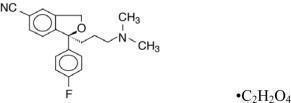
Active ingredient: escitalopram oxalate, USP
Inactive ingredients:
Tablets:talc, croscarmellose sodium, corn starch, lactose monohydrate, microcrystalline cellulose/colloidal silicon dioxide, and magnesium stearate. The film coating agent, Opadry II White Y-22-7719, contains the following ingredients: hypromellose; polydextrose; polyethylene glycol; triacetin; and titanium dioxide.
Manufactured by:
Zhejiang Huahai Pharmaceutical Co., Ltd.
Xunqiao, Linhai, Zhejiang 317024, China
For BluePoint Laboratories
Revised: 07/2023
This Medication Guide has been approved by the U.S. Food and Drug Administration.