Description
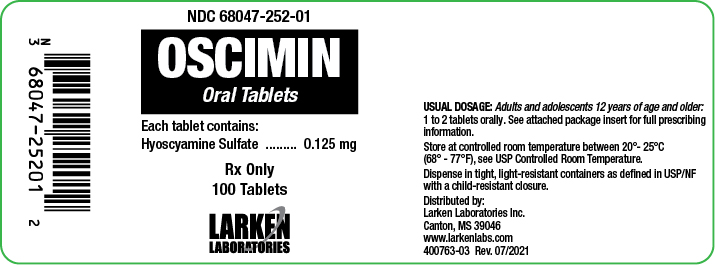
Each tablet for oral administration contains:
Hyoscyamine Sulfate, USP …… 0.125 mg.
Hyoscyamine sulfate is one of the principal anticholinergic/antispasmodic components of belladonna alkaloids.
Hyoscyamine sulfate is Benzeneacetic acid, α-(hydroxymethyl)-, 8- methyl-8-azabicyclo[3.2.1]oct-3-yl ester, [3(S)-endo]-, sulfate (2:1), dihydrate.

Hyoscyamine Sulfate (Figure 01)
(C 17H 23NO 3) 2 • H 2SO 4 • 2H 2O M.W. = 712.85