Paroxetine Tablet, Film Coated
Product Images NDC 68071-3843

View Photos of Packaging, Regulatory Labels, and Product Appearance

Product Visual Gallery

This gallery contains 5 technical images submitted to the FDA as part of the official labeling for Paroxetine (NDC 68071-3843). Unlike standard consumer photos, these assets often include clinical data figures, molecular chemical structures, and official manufacturer packaging layouts.

As provided by Nucare Pharmaceuticals, Inc., these visuals offer a comprehensive scientific overview of the product's physical and chemical identity, aiding pharmacists and researchers in product verification and study.

FDA Label Image

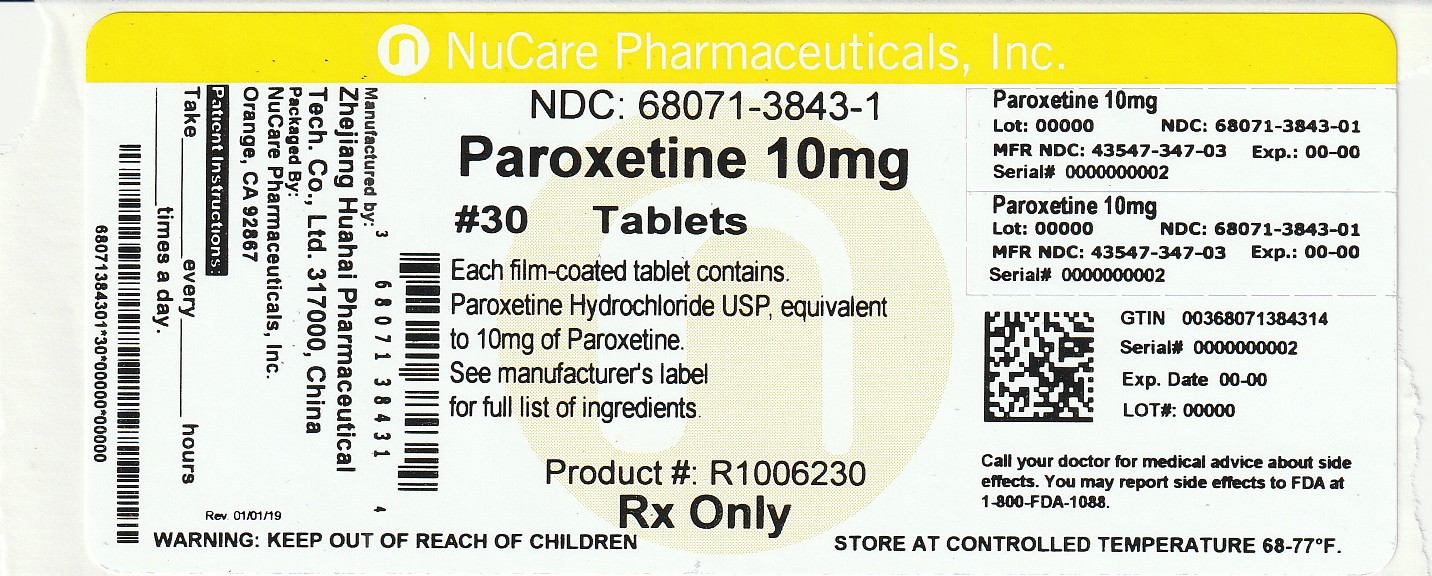
Pdp (68071 3843 1)

Pdp (68071 3843 1)
This is a description of Paroxetine 10mg tablets containing Paroxetine Hydrochloride USP. Each film-coated tablet contains 10mg of Paroxetine. It is important to keep this medication out of reach of children and to store it at a controlled temperature between 68-77°F. For a full list of ingredients, refer to the manufacturer's label. If you experience side effects, contact your doctor or report them to the FDA.*
FDA Label Image

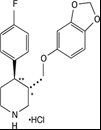
Picture1 (Image 05)

FDA Label Image

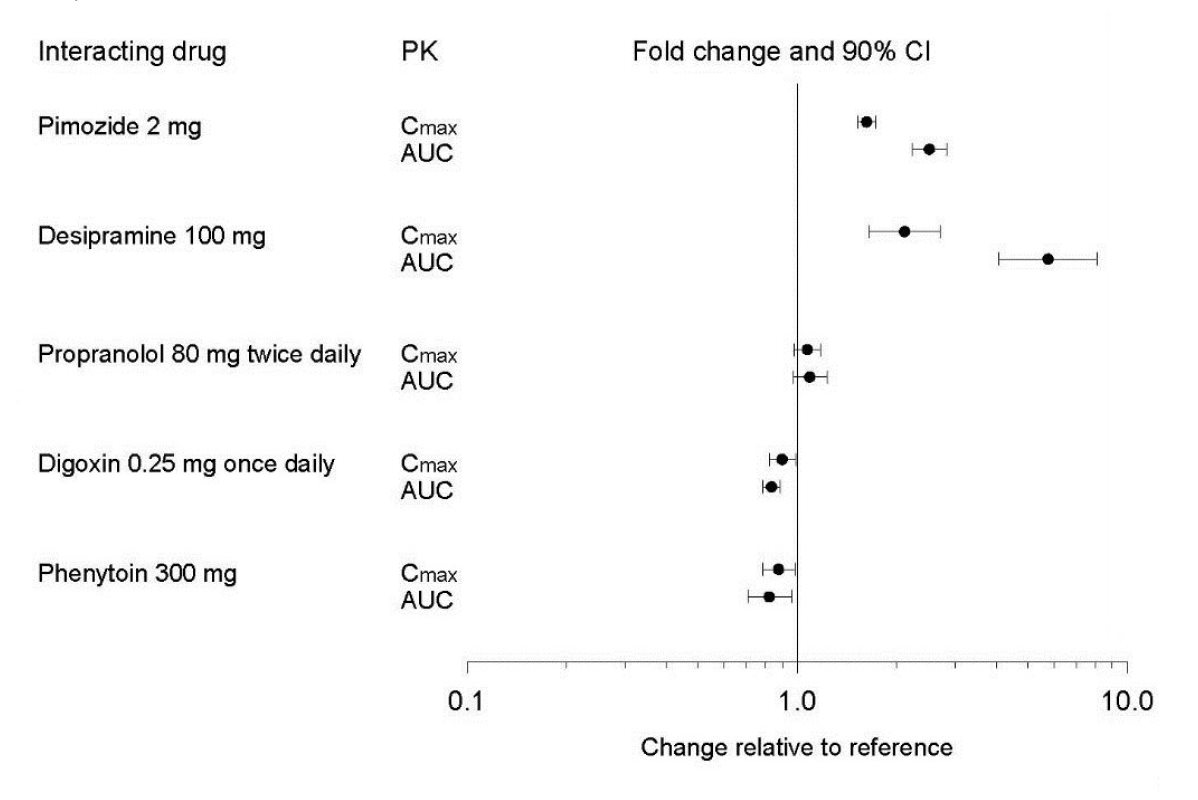
Figure (Image 06)

Figure (Image 06)
This is a list of interacting drugs with their dosages provided. The list includes Pimozide 2 mg, Desipramine 100 mg, Propranolol 80 mg twice daily, Digoxin 0.25 mg once daily, and Phenytoin 300 mg. The information seems to present fold change and 90% confidence limits data, along with a relative change compared to a reference value.*
FDA Label Image

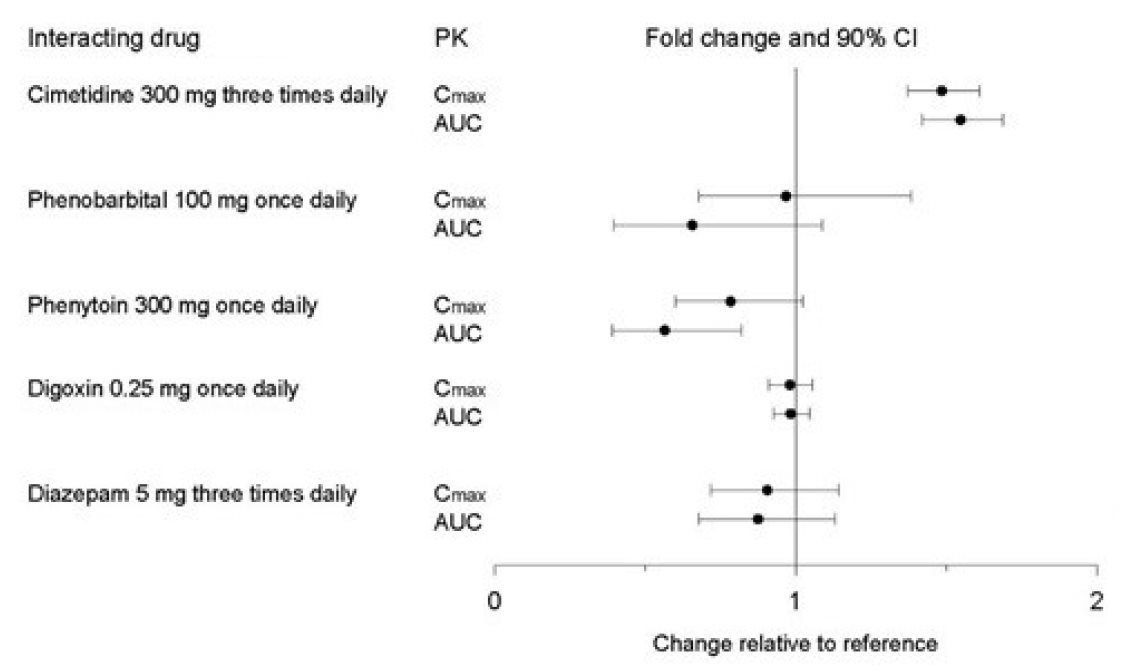
Figure2 (Image 07)

Figure2 (Image 07)
This text provides information on various drugs and their respective dosages, including Cimetidine, Phenobarbital, Phenytoin, Digoxin, and Diazepam. It also mentions fold change and 90% confidence interval related to a drug interaction. The text does not provide a complete description of the interaction or its implications.*
FDA Label Image

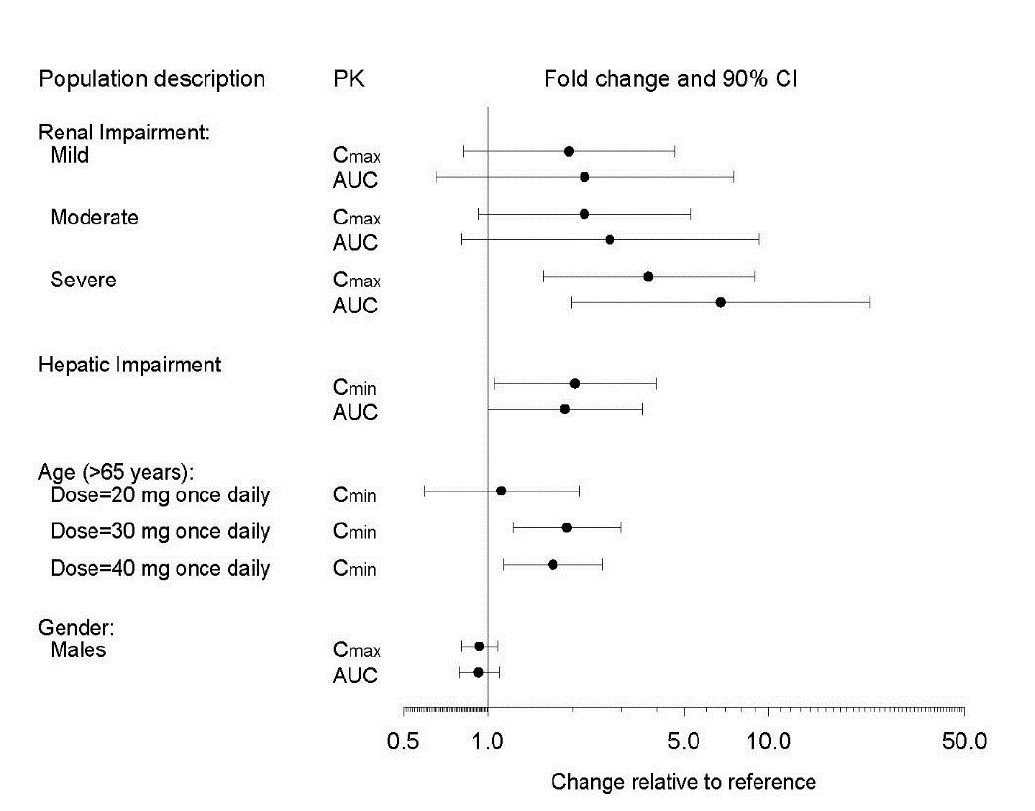
Figure 3 (Image 08)

Figure 3 (Image 08)
This is a list detailing population descriptions based on factors such as renal impairment (mild, moderate, severe), hepatic impairment, age over 65 years, gender (males), and various pharmacokinetic parameters including Crmax, AUC, Cmax, and Cmin. It also discusses fold change and 90% confidence intervals, with a specific change relative to the reference of 50.0.*

* These product label images have been analyzed using experimental machine learning. Please verify findings with the primary label text.