Carvedilol Tablet, Film Coated
Product Images NDC 68071-5311

View Photos of Packaging, Regulatory Labels, and Product Appearance

Product Visual Gallery

This gallery contains 6 technical images submitted to the FDA as part of the official labeling for Carvedilol (NDC 68071-5311). Unlike standard consumer photos, these assets often include clinical data figures, molecular chemical structures, and official manufacturer packaging layouts.

As provided by Nucare Pharmaceuticals, Inc., these visuals offer a comprehensive scientific overview of the product's physical and chemical identity, aiding pharmacists and researchers in product verification and study.

FDA Label Image

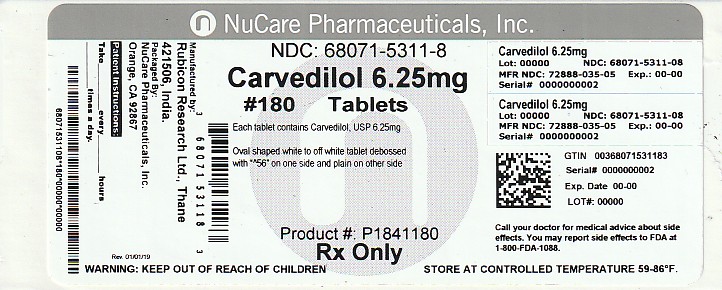
Pdp (68071 5311 8)

Pdp (68071 5311 8)
Label for Carvedilol 6.25 mg film-coated tablets by NuCare Pharmaceuticals, Inc. The label states the tablets are oval-shaped white to off-white, debossed with '56' on one side and plain on the other. It includes lot, expiration, NDC numbers, and storage instructions to keep at controlled temperature 59-86°F. The label advises to keep out of reach of children and contains a QR code and contact information for reporting side effects.*
FDA Label Image

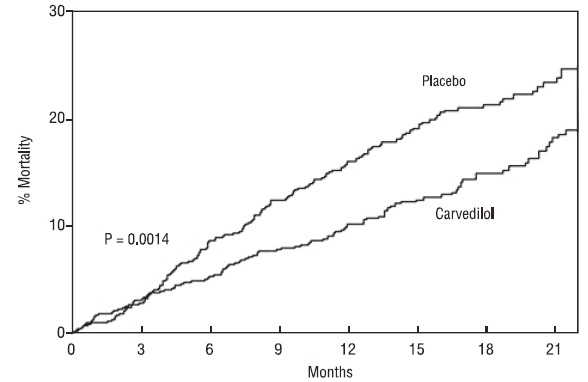
Figure 1. Survival Analysis For Copernicus (intent-to-treat) (Carvedilol Tab Usp Figure1)

Figure 1. Survival Analysis For Copernicus (intent-to-treat) (Carvedilol Tab Usp Figure1)
A line graph comparing percentage mortality over 21 months between two groups labeled Placebo and Carvedilol. The vertical y-axis represents % Mortality, while the horizontal x-axis shows time in months. Carvedilol group shows consistently lower mortality than Placebo, with a p-value of 0.0014 noted on the graph.*
FDA Label Image

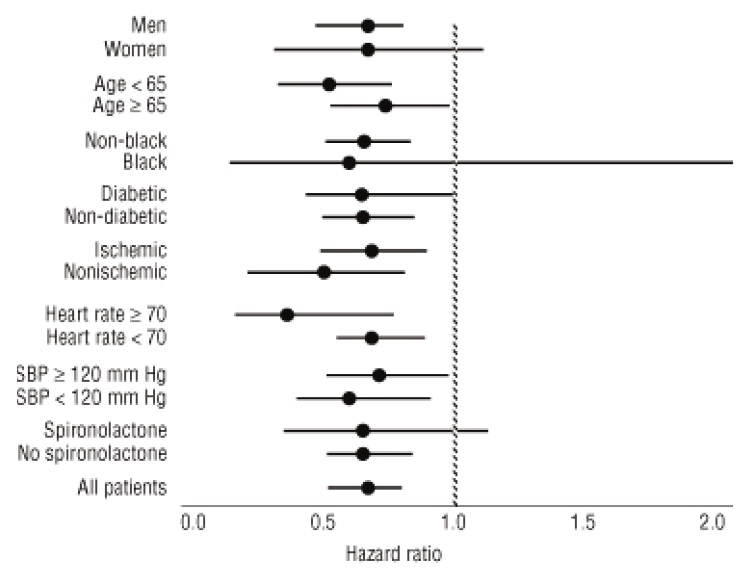
Figure 2. Effects On Mortality For Subgroups In Copernicus (Carvedilol Tab Usp Figure2)

Figure 2. Effects On Mortality For Subgroups In Copernicus (Carvedilol Tab Usp Figure2)
A hazard ratio forest plot comparing subgroups based on sex, age, race, diabetic status, ischemic condition, heart rate, systolic blood pressure, and spironolactone use, with a reference line at 1.0, illustrating risk estimates and confidence intervals for each subgroup and all patients.*
FDA Label Image

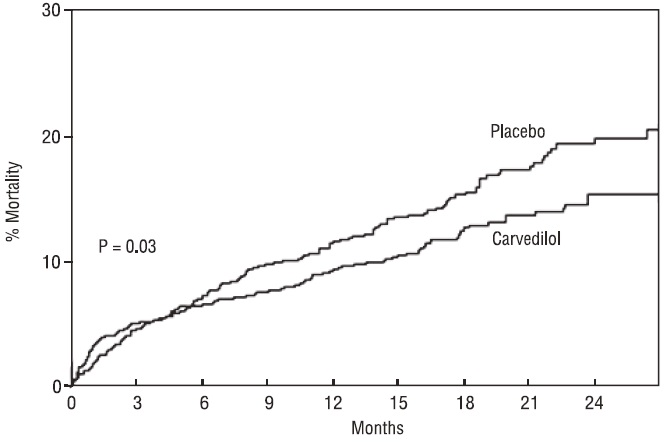
Figure 3. Survival Analysis For Capricorn (intent-to-treat) (Carvedilol Tab Usp Figure3)

Figure 3. Survival Analysis For Capricorn (intent-to-treat) (Carvedilol Tab Usp Figure3)
A line graph depicting % mortality over a 24-month period comparing Carvedilol and placebo treatment groups. The x-axis represents time in months, and the y-axis shows mortality percentage. The Carvedilol group exhibits a consistently lower mortality rate than the placebo group, with a p-value of 0.03 indicating statistical significance.*
FDA Label Image

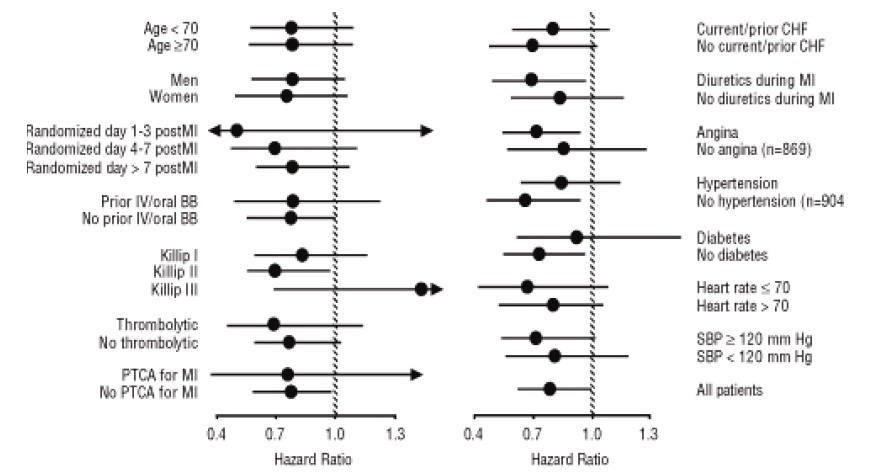
Figure 4. Effects On Mortality For Subgroups In Capricorn (Carvedilol Tab Usp Figure4)

Figure 4. Effects On Mortality For Subgroups In Capricorn (Carvedilol Tab Usp Figure4)
A forest plot displaying hazard ratios for various patient subgroups, including age, gender, timing post-myocardial infarction, medication use, and clinical conditions such as diabetes and hypertension. The plot compares hazard ratios with confidence intervals alongside a vertical reference line at 1.0, illustrating risk variation across these categories.*
FDA Label Image

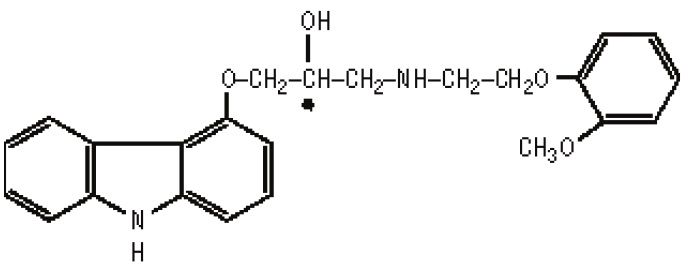
Carvedilol Chemical Structure (Carvedilol Tab Usp Structure)

Carvedilol Chemical Structure (Carvedilol Tab Usp Structure)
Chemical structure of carvedilol, showing its molecular arrangement with aromatic rings, hydroxyl group, ether, and amine functional groups.*

* About these descriptions: Image descriptions on this page are generated by automated AI analysis of the product label images from the manufacturer's FDA label submission (SPL). They are provided for reference only and may contain errors or omissions. Always rely on the printed label itself and the official FDA labeling, and consult a pharmacist or healthcare professional with any questions about this product.