Clopidogrel Tablet, Film Coated
Product Images NDC 68084-752

18 FDA label images from American Health Packaging · Packaging, Regulatory Labels, and Product Appearance

Product Visual Gallery

This gallery contains 18 technical images submitted to the FDA as part of the official labeling for Clopidogrel (NDC 68084-752). Unlike standard consumer photos, these assets often include clinical data figures, molecular chemical structures, and official manufacturer packaging layouts.

As provided by American Health Packaging, these visuals offer a comprehensive scientific overview of the product's physical and chemical identity, aiding pharmacists and researchers in product verification and study.

FDA Label Image

Ahp53601

Ahp53601
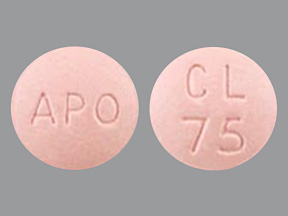
Clopidogrel 75 mg film-coated round tablet, light pink in color. One side is imprinted with "APO" and the other side with "CL 75". The product is labeled by American Health Packaging and intended for oral use.*
FDA Label Image

Ahp75225

Ahp75225
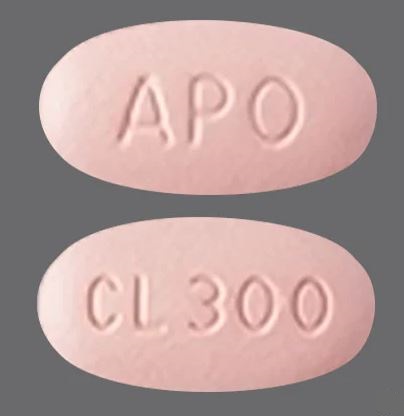
Clopidogrel Bisulfate 300 mg film-coated oval tablet, imprinted with "APO" on one side and "CL 300" on the other. The tablet is light pink and intended for oral use, labeled by American Health Packaging.*
FDA Label Image

Structural Formula (Structure)

Structural Formula (Structure)
Chemical structure of Clopidogrel Bisulfate, showing the molecular framework including a thiophene ring, a chlorophenyl group, and a carboxylate ester moiety, along with the associated sulfuric acid (H2SO4) component.*
FDA Label Image

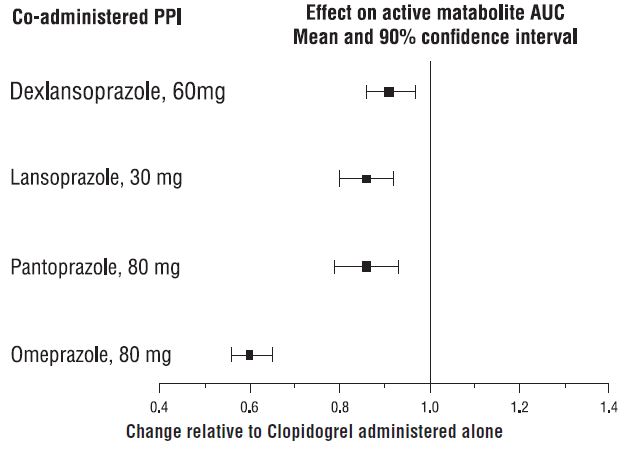
Figure 1: Exposure To Clopidogrel Active Metabolite Following Multiple Doses Of Clopidogrel 75 mg Alone Or With Proton Pump Inhibitors (ppis) (Figure1)

Figure 1: Exposure To Clopidogrel Active Metabolite Following Multiple Doses Of Clopidogrel 75 mg Alone Or With Proton Pump Inhibitors (ppis) (Figure1)
A horizontal bar chart showing the effect of co-administered proton pump inhibitors (PPIs) on the active metabolite AUC of Clopidogrel. The chart compares Dexlansoprazole 60 mg, Lansoprazole 30 mg, Pantoprazole 80 mg, and Omeprazole 80 mg with Clopidogrel administered alone, indicating their mean and 90% confidence intervals for change relative to Clopidogrel alone.*
FDA Label Image

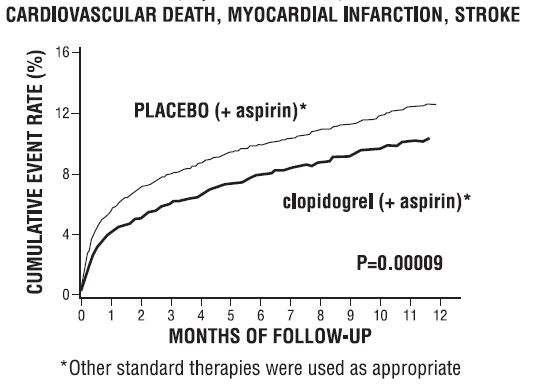
Figure 2: Cardiovascular Death, Myocardial Infarction, And Stroke In The Cure Study (Figure2)

Figure 2: Cardiovascular Death, Myocardial Infarction, And Stroke In The Cure Study (Figure2)
A line graph comparing cumulative event rates of cardiovascular death, myocardial infarction, and stroke over 12 months of follow-up between placebo plus aspirin and clopidogrel plus aspirin. The graph shows lower event rates with clopidogrel plus aspirin throughout the follow-up period. A p-value of 0.00009 is indicated, and a note states that other standard therapies were used as appropriate.*
FDA Label Image

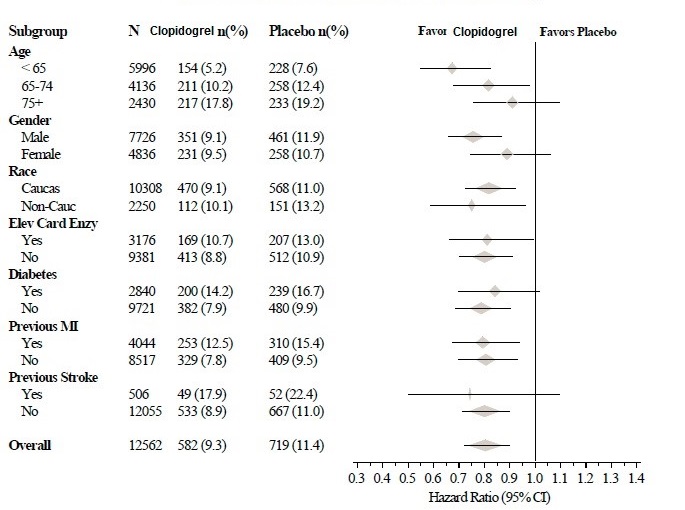
Figure 3: Hazard Ratio For Patient Baseline Charecteristics And On-study Concomitant Medications/interventions For The Cure Study (Figure3a)

Figure 3: Hazard Ratio For Patient Baseline Charecteristics And On-study Concomitant Medications/interventions For The Cure Study (Figure3a)
A forest plot displaying hazard ratios with 95% confidence intervals comparing Clopidogrel versus placebo across various subgroups, including age, gender, race, elevated cardiac enzymes, diabetes, previous myocardial infarction, and previous stroke. Numerical data for each subgroup shows patient counts and event percentages for Clopidogrel and placebo groups. The plot visually indicates which treatment is favored for each subgroup based on hazard ratios.*
FDA Label Image

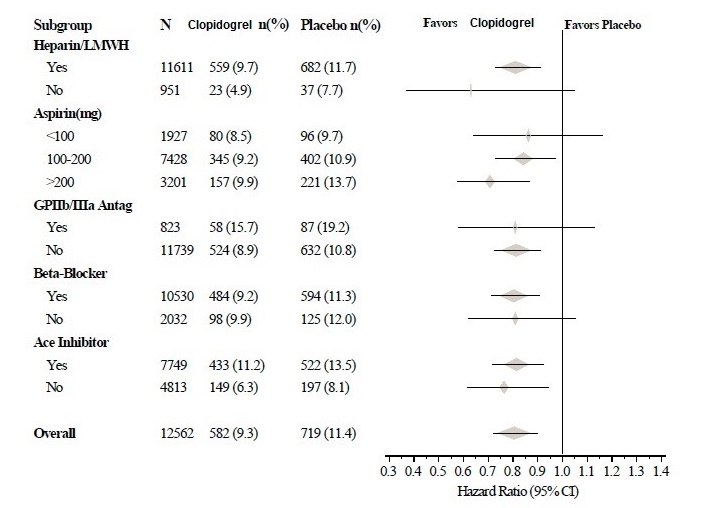
Figure 3: Hazard Ratio For Patient Baseline Characteristics And On-study Concomitant Medications/interventions For The Cure Study (continued) (Figure3b)

Figure 3: Hazard Ratio For Patient Baseline Characteristics And On-study Concomitant Medications/interventions For The Cure Study (continued) (Figure3b)
A forest plot chart showing the comparison of hazard ratios for Clopidogrel versus placebo across various subgroups, including Heparin/LMWH use, Aspirin dosage, GP IIb/IIIa antagonist use, Beta-blocker use, and ACE inhibitor use. The chart illustrates the number of subjects, event counts with percentages for Clopidogrel and placebo groups, and confidence intervals indicating relative favorability between Clopidogrel and placebo.*
FDA Label Image

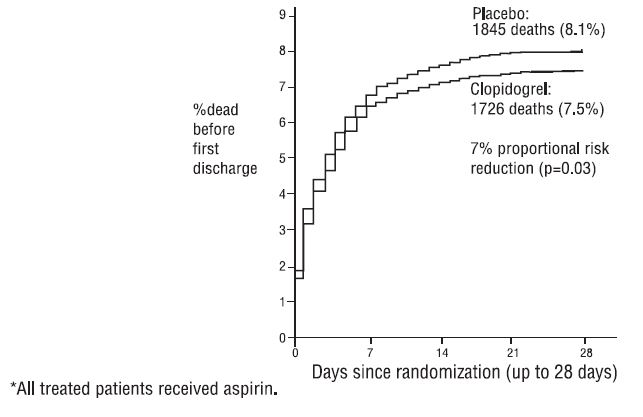
Figure 4: Cumulative Event Rates For Death In The Commit Study* (Figure4)

Figure 4: Cumulative Event Rates For Death In The Commit Study* (Figure4)
A Kaplan-Meier survival curve chart showing the percentage of deaths before first discharge over 28 days since randomization. It compares placebo (8.1% deaths) and Clopidogrel (7.5% deaths), indicating a 7% proportional risk reduction with Clopidogrel. The chart notes all patients received aspirin.*
FDA Label Image

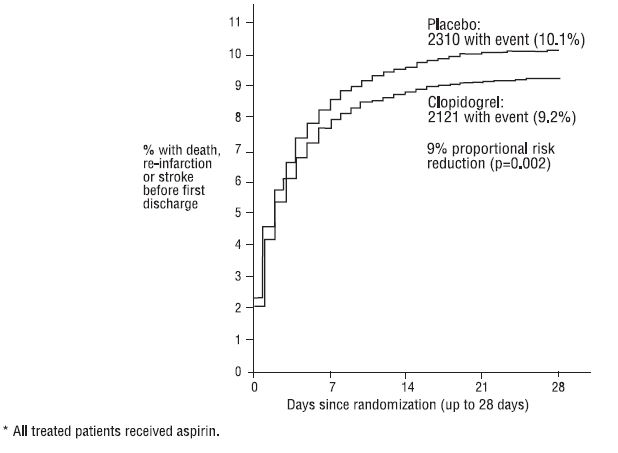
Figure 5: Cumulative Event Rates For The Combined Endpoint Re-infarction, Stroke Or Death In The Commit Study* (Figure5)

Figure 5: Cumulative Event Rates For The Combined Endpoint Re-infarction, Stroke Or Death In The Commit Study* (Figure5)
A Kaplan-Meier curve showing the percentage of patients with death, re-infarction, or stroke before first discharge over 28 days since randomization. The graph compares two groups: Placebo (10.1% event rate) and Clopidogrel (9.2% event rate), indicating a 9% proportional risk reduction for Clopidogrel (p=0.002). The footnote states all treated patients received aspirin.*
FDA Label Image

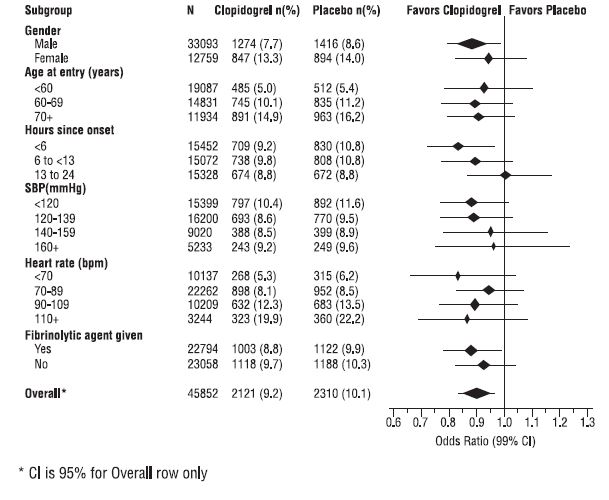
Figure 6: Effects Of Adding Clopidogrel To Aspirin On The Combined Primary Endpoint Across Baseline And Concomitant Medication Subgroups For The Commit Study (Figure6)

Figure 6: Effects Of Adding Clopidogrel To Aspirin On The Combined Primary Endpoint Across Baseline And Concomitant Medication Subgroups For The Commit Study (Figure6)
A forest plot chart depicting odds ratios with 99% confidence intervals comparing Clopidogrel versus placebo across subgroups by gender, age, hours since onset, systolic blood pressure, heart rate, and fibrinolytic agent use. The horizontal axis shows odds ratios ranging from 0.6 to 1.3, with points and confidence intervals indicating effect sizes for each subgroup and an overall summary at the bottom.*
FDA Label Image

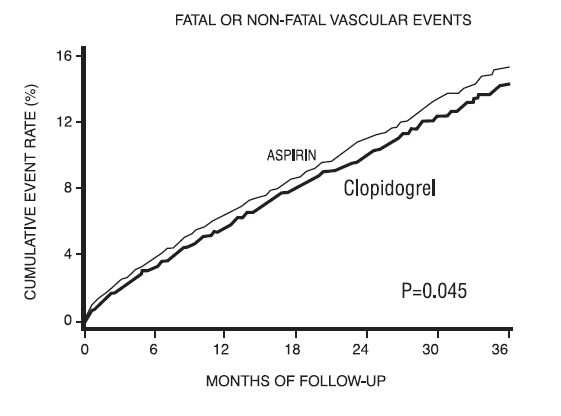
Figure 7: Fatal Or Nonfatal Vascular Events In The Caprie Study (Figure7)

Figure 7: Fatal Or Nonfatal Vascular Events In The Caprie Study (Figure7)
A line graph titled 'Fatal or Non-Fatal Vascular Events' comparing cumulative event rates (%) over 36 months of follow-up between Aspirin and Clopidogrel. The graph shows the event rates increasing over time with Aspirin slightly higher than Clopidogrel, accompanied by a statistical significance notation P=0.045.*
FDA Label Image

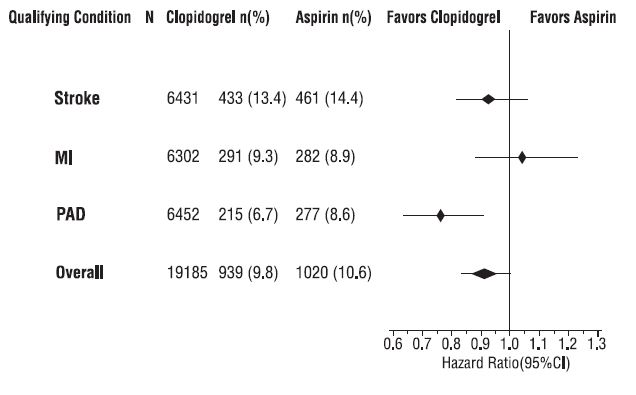
Figure 8: Hazard Ratio And 95% Ci By Baseline Subgroups In The Caprie Study (Figure8)

Figure 8: Hazard Ratio And 95% Ci By Baseline Subgroups In The Caprie Study (Figure8)
A forest plot chart comparing the hazard ratios for Clopidogrel versus Aspirin in patients with stroke, myocardial infarction (MI), peripheral artery disease (PAD), and overall. The plot shows the percent of patients experiencing qualifying conditions and the favorability of either Clopidogrel or Aspirin based on hazard ratios with 95% confidence intervals.*
FDA Label Image

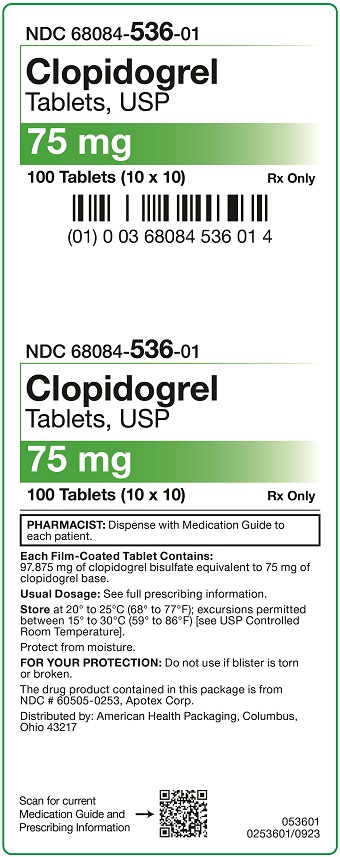
75 mg Clopidogrel Carton (75 mg Clopidogrel Tablets Carton)

75 mg Clopidogrel Carton (75 mg Clopidogrel Tablets Carton)
Label for Clopidogrel Tablets, USP 75 mg by American Health Packaging. The label shows the dosage strength of 75 mg and a package count of 100 tablets (10 x 10). It includes a barcode, dispensing instructions, storage conditions (20° to 25°C with permitted excursions), and protection warnings. The label also notes the drug product is from Apotex Corp and provides a QR code for medication guide and prescribing information.*
FDA Label Image

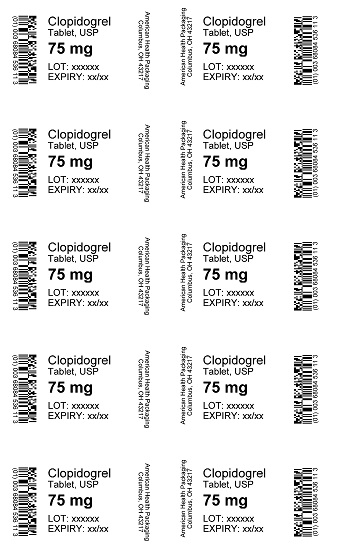
75 mg Clopidogrel Tablet Blister (75 mg Card Print)

75 mg Clopidogrel Tablet Blister (75 mg Card Print)
Clopidogrel 75 mg film-coated tablets label from American Health Packaging. The label includes the proprietary name Clopidogrel, strength 75 mg, dosage form as tablet USP, and placeholders for lot number and expiry date. The label features barcodes and the text is oriented for label application on individual tablets or packaging.*
FDA Label Image

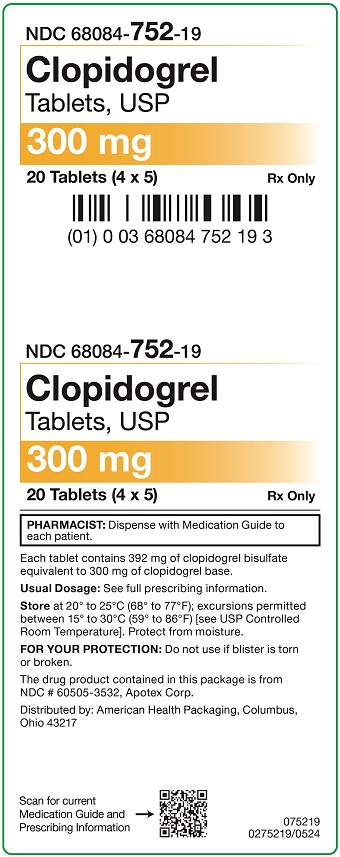
300mg Clopidogrel Tablets 20ud Carton (300mg Clopidogrel Tablets 20ud Carton)

300mg Clopidogrel Tablets 20ud Carton (300mg Clopidogrel Tablets 20ud Carton)
Label for Clopidogrel Tablets, USP 300 mg by American Health Packaging. The label shows a package containing 20 film-coated tablets organized as 4 blister packs of 5 tablets each. It includes dosing cautions, storage instructions, and distributor information. A barcode and QR code for medication guide access are also visible.*
FDA Label Image

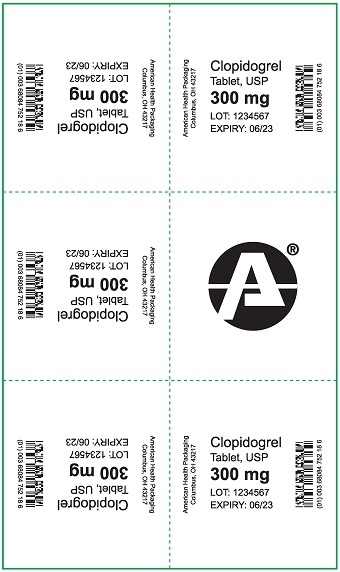
300 mg Clopidogrel Tablet Blister (5 UD)

300 mg Clopidogrel Tablet Blister (5 UD)
Clopidogrel Tablet, USP 300 mg film-coated oral tablets packaging label by American Health Packaging. The label includes lot number 1234567 and expiration date 06/23. Barcodes and the American Health Packaging logo are also visible on the label.*
FDA Label Image

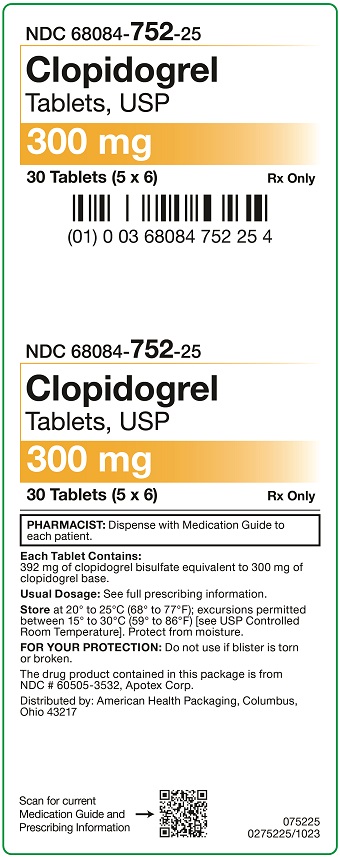
300 mg Clopidogrel Carton (30 UD)

300 mg Clopidogrel Carton (30 UD)
Label for Clopidogrel Tablets, USP 300 mg, film-coated oral tablets containing 30 tablets (5 x 6) per package. The label indicates the product is prescription only, distributed by American Health Packaging, Columbus, Ohio. It includes dosing information, storage instructions, and a barcode along with a QR code for medication guides and prescribing information.*
FDA Label Image

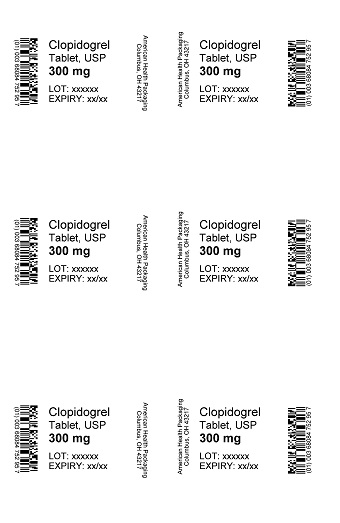
300 mg Clopidogrel Tablet Blister (6 UD)

300 mg Clopidogrel Tablet Blister (6 UD)
Clopidogrel tablet labels for the 300 mg strength, USP. Each label is white with black text, showing the product name Clopidogrel Tablet, USP 300 mg, space for lot number and expiry date, and the labeler American Health Packaging, Oshkosh, WI 54903. Each label includes a barcode.*

* About these descriptions: Image descriptions on this page are generated by automated AI analysis of the product label images from the manufacturer's FDA label submission (SPL). They are provided for reference only and may contain errors or omissions. Always rely on the printed label itself and the official FDA labeling, and consult a pharmacist or healthcare professional with any questions about this product.