Association with HLA-B*1502
Patients carrying the HLA-B*1502 allele may be at increased risk for SJS/TEN with oxcarbazepine treatment.
Human Leukocyte Antigen (HLA) allele B*1502 increases the risk for developing SJS/TEN in patients treated with carbamazepine. The chemical structure of oxcarbazepine is similar to that of carbamazepine. Available clinical evidence, and data from nonclinical studies showing a direct interaction between oxcarbazepine and HLA-B*1502 protein, suggest that the HLA-B*1502 allele may also increase the risk for SJS/TEN with oxcarbazepine.
The frequency of HLA-B*1502 allele ranges from 2% to 12% in Han Chinese populations, is about 8% in Thai populations, and above 15% in the Philippines and in some Malaysian populations. Allele frequencies up to about 2% and 6% have been reported in Korea and India, respectively. The frequency of the HLA-B*1502 allele is negligible in people from European descent, several African populations, indigenous peoples of the Americas, Hispanic populations and in Japanese (< 1%).
Testing for the presence of the HLA-B*1502 allele should be considered in patients with ancestry in genetically at-risk populations, prior to initiating treatment with oxcarbazepine. The use of oxcarbazepine should be avoided in patients positive for HLA-B*1502 unless the benefits clearly outweigh the risks. Consideration should also be given to avoid the use of other drugs associated with SJS/TEN in HLA-B*1502 positive patients, when alternative therapies are otherwise equally acceptable. Screening is not generally recommended in patients from populations in which the prevalence of HLAB*1502 is low, or in current oxcarbazepine users, as the risk of SJS/TEN is largely confined to the first few months of therapy, regardless of HLA B*1502 status.
The use of HLA-B*1502 genotyping has important limitations and must never substitute for appropriate clinical vigilance and patient management. The role of other possible factors in the development of, and morbidity from, SJS/TEN, such as antiepileptic drug (AED) dose, compliance, concomitant medications, comorbidities and the level of dermatologic monitoring have not been well characterized.
Adult Patients
In one large, fixed-dose study, oxcarbazepine was added to existing AED therapy (up to three concomitant AEDs). By protocol, the dosage of the concomitant AEDs could not be reduced as oxcarbazepine was added, reduction in oxcarbazepine dosage was not allowed if intolerance developed, and patients were discontinued if unable to tolerate their highest target maintenance doses. In this trial, 65% of patients were discontinued because they could not tolerate the 2400 mg/day dose of oxcarbazepine on top of existing AEDs. The adverse events seen in this study were primarily CNS related and the risk for discontinuation was dose related.
In this trial, 7.1% of oxcarbazepine-treated patients and 4% of placebo-treated patients experienced a cognitive adverse event. The risk of discontinuation for these events was about 6.5 times greater on oxcarbazepine than on placebo. In addition, 26% of oxcarbazepine-treated patients and 12% of placebo-treated patients experienced somnolence. The risk of discontinuation for somnolence was about 10 times greater on oxcarbazepine than on placebo. Finally, 28.7% of oxcarbazepine-treated patients and 6.4% of placebo-treated patients experienced ataxia or gait disturbances. The risk for discontinuation for these events was about seven times greater on oxcarbazepine than on placebo.
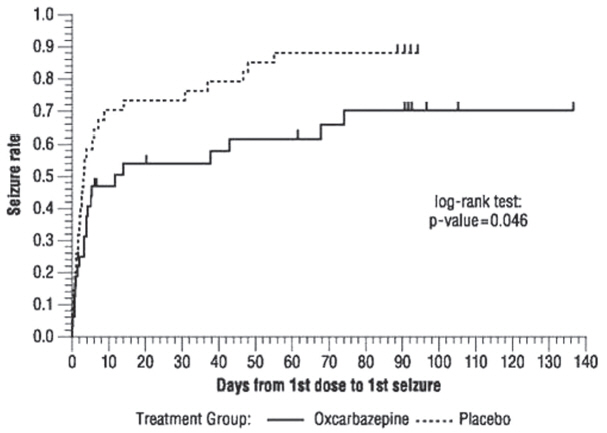
In a single placebo-controlled monotherapy trial evaluating 2400 mg/day of oxcarbazepine, no patients in either treatment group discontinued double-blind treatment because of cognitive adverse events, somnolence, ataxia, or gait disturbance.
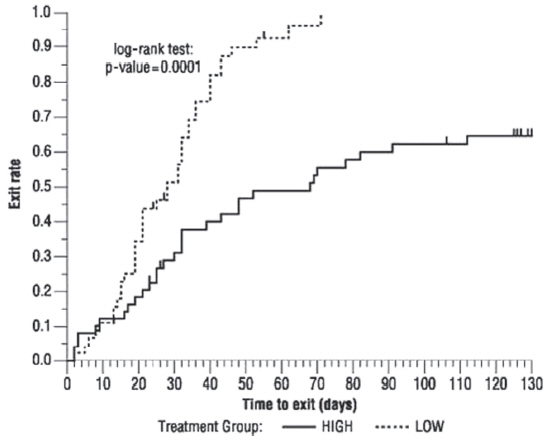
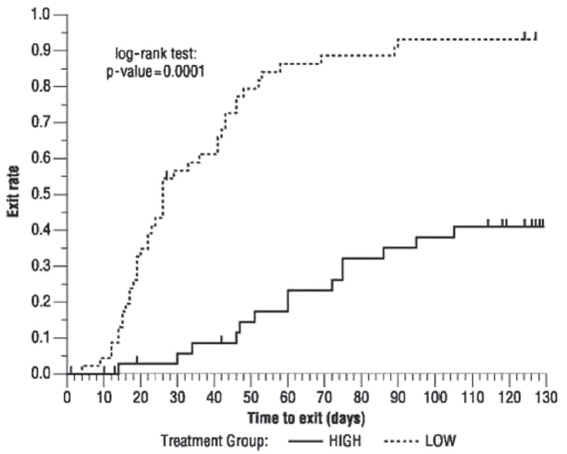
In the two dose-controlled conversion to monotherapy trials comparing 2400 mg/day and 300 mg/day oxcarbazepine, 1.1% of patients in the 2400 mg/day group discontinued double-blind treatment because of somnolence or cognitive adverse events compared to 0% in the 300 mg/day group. In these trials, no patients discontinued because of ataxia or gait disturbances in either treatment group.
Pediatric Patients
A study was conducted in pediatric patients (3 to 17 years old) with inadequately controlled partial seizures in which oxcarbazepine was added to existing AED therapy (up to two concomitant AEDs). By protocol, the dosage of concomitant AEDs could not be reduced as oxcarbazepine was added. Oxcarbazepine was titrated to reach a target dose ranging from 30 mg/kg to 46 mg/kg (based on a patient's body weight with fixed doses for predefined weight ranges).
Cognitive adverse events occurred in 5.8% of oxcarbazepine-treated patients (the single most common event being concentration impairment, 4 of 138 patients) and in 3.1% of patients treated with placebo. In addition, 34.8% of oxcarbazepine-treated patients and 14% of placebo-treated patients experienced somnolence. (No patient discontinued due to a cognitive adverse event or somnolence.). Finally, 23.2% of oxcarbazepine-treated patients and 7% of placebo-treated patients experienced ataxia or gait disturbances. Two (1.4%) oxcarbazepine-treated patients and 1 (0.8%) placebo-treated patient discontinued due to ataxia or gait disturbances.
Adjunctive Therapy/Monotherapy in Adults Previously Treated with other AEDs: The most commonly observed (≥5%) adverse reactions seen in association with oxcarbazepine and substantially more frequent than in placebo-treated patients were: dizziness, somnolence, diplopia, fatigue, nausea, vomiting, ataxia, abnormal vision, abdominal pain, tremor, dyspepsia, abnormal gait.
Approximately 23% of these 1,537 adult patients discontinued treatment because of an adverse experience. The adverse reactions most commonly associated with discontinuation were: dizziness (6.4%), diplopia (5.9%), ataxia (5.2%), vomiting (5.1%), nausea (4.9%), somnolence (3.8%), headache (2.9%), fatigue (2.1%), abnormal vision (2.1%), tremor (1.8%), abnormal gait (1.7%), rash (1.4%), hyponatremia (1%).
Monotherapy in Adults Not Previously Treated with other AEDs: The most commonly observed (≥5%) adverse reactions seen in association with oxcarbazepine in these patients were similar to those in previously treated patients.
Approximately 9% of these 295 adult patients discontinued treatment because of an adverse experience. The adverse reactions most commonly associated with discontinuation were: dizziness (1.7%), nausea (1.7%), rash (1.7%), headache (1.4%).
Adjunctive Therapy/Monotherapy in Pediatric Patients 4 Years Old and Above Previously Treated with other AEDs: The most commonly observed (≥5%) adverse reactions seen in association with oxcarbazepine in these patients were similar to those seen in adults.
Approximately 11% of these 456 pediatric patients discontinued treatment because of an adverse experience. The adverse reactions most commonly associated with discontinuation were: somnolence (2.4%), vomiting (2%), ataxia (1.8%), diplopia (1.3%), dizziness (1.3%), fatigue (1.1%), nystagmus (1.1%).
Monotherapy in Pediatric Patients 4 Years Old and Above Not Previously Treated with other AEDs: The most commonly observed (≥5%) adverse reactions seen in association with oxcarbazepine in these patients were similar to those in adults.
Approximately 9.2% of 152 pediatric patients discontinued treatment because of an adverse experience. The adverse reactions most commonly associated (≥1%) with discontinuation were rash (5.3%) and maculopapular rash (1.3%).
Adjunctive Therapy/Monotherapy in Pediatric Patients 1 Month to <4 Years Old Previously Treated or Not Previously Treated with other AEDs: The most commonly observed (≥5%) adverse reactions seen in association with oxcarbazepine in these patients were similar to those seen in older children and adults except for infections and infestations which were more frequently seen in these younger children.
Approximately 11% of these 241 pediatric patients discontinued treatment because of an adverse experience. The adverse reaction most commonly associated with discontinuation were: convulsions (3.7%), status epilepticus (1.2%) and ataxia (1.2%).
Incidence in Controlled Clinical Studies: The prescriber should be aware that the figures in Tables 3, 4, 5 and 6 cannot be used to predict the frequency of adverse reactions in the course of usual medical practice where patient characteristics and other factors may differ from those prevailing during clinical studies. Similarly, the cited frequencies cannot be directly compared with figures obtained from other clinical investigations involving different treatments, uses, or investigators. An inspection of these frequencies, however, does provide the prescriber with one basis to estimate the relative contribution of drug and nondrug factors to the adverse event incidences in the population studied.
Controlled Clinical Studies of Adjunctive Therapy/Monotherapy in Adults Previously Treated with other AEDs: Table 3 lists treatment-emergent signs and symptoms that occurred in at least 2% of adult patients with epilepsy treated with oxcarbazepine or placebo as adjunctive treatment and were numerically more common in the patients treated with any dose of oxcarbazepine. Table 4 lists treatment-emergent signs and symptoms in patients converted from other AEDs to either high dose oxcarbazepine or low dose (300 mg) oxcarbazepine. Note that in some of these monotherapy studies patients who dropped out during a preliminary tolerability phase are not included in the tables.
Table 3 Treatment-Emergent Adverse Event Incidence in a Controlled Clinical Study of Adjunctive Therapy in Adults (Events in at Least 2% of Patients Treated with 2400 mg/day of Oxcarbazepine and Numerically More Frequent Than in the Placebo Group) | Oxcarbazepine Dosage (mg/day) |
|---|
Body System/
Adverse Event | OXC 600
N=163
% | OXC 1200
N=171
% | OXC 2400
N=126
% | Placebo
N=166
% |
|---|
| Body as a Whole |
| Fatigue | 15 | 12 | 15 | 7 |
| Asthenia | 6 | 3 | 6 | 5 |
| Edema Legs | 2 | 1 | 2 | 1 |
| Weight Increase | 1 | 2 | 2 | 1 |
| Feeling Abnormal | 0 | 1 | 2 | 0 |
| Cardiovascular System |
| Hypotension | 0 | 1 | 2 | 0 |
| Digestive System |
| Nausea | 15 | 25 | 29 | 10 |
| Vomiting | 13 | 25 | 36 | 5 |
| Pain Abdominal | 10 | 13 | 11 | 5 |
| Diarrhea | 5 | 6 | 7 | 6 |
| Dyspepsia | 5 | 5 | 6 | 2 |
| Constipation | 2 | 2 | 6 | 4 |
| Gastritis | 2 | 1 | 2 | 1 |
| Metabolic and Nutritional Disorders |
| Hyponatremia | 3 | 1 | 2 | 1 |
| Musculoskeletal System |
| Muscle Weakness | 1 | 2 | 2 | 0 |
| Sprains and Strains | 0 | 2 | 2 | 1 |
| Nervous System |
| Headache | 32 | 28 | 26 | 23 |
| Dizziness | 26 | 32 | 49 | 13 |
| Somnolence | 20 | 28 | 36 | 12 |
| Ataxia | 9 | 17 | 31 | 5 |
| Nystagmus | 7 | 20 | 26 | 5 |
| Gait Abnormal | 5 | 10 | 17 | 1 |
| Insomnia | 4 | 2 | 3 | 1 |
| Tremor | 3 | 8 | 16 | 5 |
| Nervousness | 2 | 4 | 2 | 1 |
| Agitation | 1 | 1 | 2 | 1 |
| Coordination Abnormal | 1 | 3 | 2 | 1 |
| EEG Abnormal | 0 | 0 | 2 | 0 |
| Speech Disorder | 1 | 1 | 3 | 0 |
| Confusion | 1 | 1 | 2 | 1 |
| Cranial Injury NOS | 1 | 0 | 2 | 1 |
| Dysmetria | 1 | 2 | 3 | 0 |
| Thinking Abnormal | 0 | 2 | 4 | 0 |
| Respiratory System |
| Rhinitis | 2 | 4 | 5 | 4 |
| Skin and Appendages |
| Acne | 1 | 2 | 2 | 0 |
| Special Senses |
| Diplopia | 14 | 30 | 40 | 5 |
| Vertigo | 6 | 12 | 15 | 2 |
| Vision Abnormal | 6 | 14 | 13 | 4 |
| Accommodation Abnormal | 0 | 0 | 2 | 0 |
Table 4 Treatment-Emergent Adverse Event Incidence in Controlled Clinical Studies of Monotherapy in Adults Previously Treated with Other AEDs (Events in at Least 2% of Patients Treated with 2400 mg/day of Oxcarbazepine and Numerically More Frequent than in the Low Dose Control Group) | Oxcarbazepine Dosage (mg/day) |
|---|
Body System/
Adverse Event | 2400
N=86
% | 300
N=86
% |
|---|
| Body as a Whole |
| Fatigue | 21 | 5 |
| Fever | 3 | 0 |
| Allergy | 2 | 0 |
| Edema Generalized | 2 | 1 |
| Pain Chest | 2 | 0 |
| Digestive System |
| Nausea | 22 | 7 |
| Vomiting | 15 | 5 |
| Diarrhea | 7 | 5 |
| Dyspepsia | 6 | 1 |
| Anorexia | 5 | 3 |
| Pain Abdominal | 5 | 3 |
| Mouth Dry | 3 | 0 |
| Hemorrhage Rectum | 2 | 0 |
| Toothache | 2 | 1 |
| Hemic and Lymphatic System |
| Lymphadenopathy | 2 | 0 |
| Infections and Infestations |
| Infection Viral | 7 | 5 |
| Infection | 2 | 0 |
| Metabolic and Nutritional Disorders |
| Hyponatremia | 5 | 0 |
| Thirst | 2 | 0 |
| Nervous System |
| Headache | 31 | 15 |
| Dizziness | 28 | 8 |
| Somnolence | 19 | 5 |
| Anxiety | 7 | 5 |
| Ataxia | 7 | 1 |
| Confusion | 7 | 0 |
| Nervousness | 7 | 0 |
| Insomnia | 6 | 3 |
| Tremor | 6 | 3 |
| Amnesia | 5 | 1 |
| Convulsions Aggravated | 5 | 2 |
| Emotional Lability | 3 | 2 |
| Hypoesthesia | 3 | 1 |
| Coordination Abnormal | 2 | 1 |
| Nystagmus | 2 | 0 |
| Speech Disorder | 2 | 0 |
| Respiratory System |
| Upper Respiratory Tract Infection | 10 | 5 |
| Coughing | 5 | 0 |
| Bronchitis | 3 | 0 |
| Pharyngitis | 3 | 0 |
| Skin and Appendages |
| Hot Flushes | 2 | 1 |
| Purpura | 2 | 0 |
| Special Senses |
| Vision Abnormal | 14 | 2 |
| Diplopia | 12 | 1 |
| Taste Perversion | 5 | 0 |
| Vertigo | 3 | 0 |
| Earache | 2 | 1 |
| Ear Infection NOS | 2 | 0 |
| Urogenital and Reproductive System |
| Urinary Tract Infection | 5 | 1 |
| Micturition Frequency | 2 | 1 |
| Vaginitis | 2 | 0 |
Controlled Clinical Study of Monotherapy in Adults Not Previously Treated with other AEDs: Table 5 lists treatment-emergent signs and symptoms in a controlled clinical study of monotherapy in adults not previously treated with other AEDs that occurred in at least 2% of adult patients with epilepsy treated with oxcarbazepine or placebo and were numerically more common in the patients treated with oxcarbazepine.
Table 5 Treatment-Emergent Adverse Event Incidence in a Controlled Clinical Study of Monotherapy in Adults Not Previously Treated with Other AEDs (Events in at Least 2% of Patients Treated with Oxcarbazepine and Numerically More Frequent than in the Placebo Group)Body System/
Adverse Event | Oxcarbazepine
N=55
% | Placebo
N=49
% |
|---|
| Body as a Whole |
| Falling Down NOS | 4 | 0 |
| Digestive System |
| Nausea | 16 | 12 |
| Diarrhea | 7 | 2 |
| Vomiting | 7 | 6 |
| Constipation | 5 | 0 |
| Dyspepsia | 5 | 4 |
| Musculoskeletal System |
| Pain Back | 4 | 2 |
| Nervous System |
| Dizziness | 22 | 6 |
| Headache | 13 | 10 |
| Ataxia | 5 | 0 |
| Nervousness | 5 | 2 |
| Amnesia | 4 | 2 |
| Coordination Abnormal | 4 | 2 |
| Tremor | 4 | 0 |
| Respiratory System |
| Upper Respiratory Tract Infection | 7 | 0 |
| Epistaxis | 4 | 0 |
| Infection Chest | 4 | 0 |
| Sinusitis | 4 | 2 |
| Skin and Appendages |
| Rash | 4 | 2 |
| Special Senses |
| Vision Abnormal | 4 | 0 |
Controlled Clinical Studies of Adjunctive Therapy/Monotherapy in Pediatric Patients Previously Treated with other AEDs: Table 6 lists treatment-emergent signs and symptoms that occurred in at least 2% of pediatric patients with epilepsy treated with oxcarbazepine or placebo as adjunctive treatment and were numerically more common in the patients treated with oxcarbazepine.
Table 6 Treatment-Emergent Adverse Event Incidence in Controlled Clinical Studies of Adjunctive Therapy/Monotherapy in Pediatric Patients Previously Treated with Other AEDs (Events in at Least 2% of Patients Treated with Oxcarbazepine and Numerically More Frequent than in the Placebo Group)Body System/
Adverse Event | Oxcarbazepine
N=171
% | Placebo
N=139
% |
|---|
| Body as a Whole |
| Fatigue | 13 | 9 |
| Allergy | 2 | 0 |
| Asthenia | 2 | 1 |
| Digestive System |
| Vomiting | 33 | 14 |
| Nausea | 19 | 5 |
| Constipation | 4 | 1 |
| Dyspepsia | 2 | 0 |
| Nervous System |
| Headache | 31 | 19 |
| Somnolence | 31 | 13 |
| Dizziness | 28 | 8 |
| Ataxia | 13 | 4 |
| Nystagmus | 9 | 1 |
| Emotional Lability | 8 | 4 |
| Gait Abnormal | 8 | 3 |
| Tremor | 6 | 4 |
| Speech Disorder | 3 | 1 |
| Concentration Impaired | 2 | 1 |
| Convulsions | 2 | 1 |
| Muscle Contractions Involuntary | 2 | 1 |
| Respiratory System |
| Rhinitis | 10 | 9 |
| Pneumonia | 2 | 1 |
| Skin and Appendages |
| Bruising | 4 | 2 |
| Sweating Increased | 3 | 0 |
| Special Senses |
| Diplopia | 17 | 1 |
| Vision Abnormal | 13 | 1 |
| Vertigo | 2 | 0 |
Other Events Observed in Association with the Administration of Oxcarbazepine
In the paragraphs that follow, the adverse events, other than those in the preceding tables or text, that occurred in a total of 565 children and 1,574 adults exposed to oxcarbazepine and that are reasonably likely to be related to drug use are presented. Events common in the population, events reflecting chronic illness and events likely to reflect concomitant illness are omitted particularly if minor. They are listed in order of decreasing frequency. Because the reports cite events observed in open label and uncontrolled trials, the role of oxcarbazepine in their causation cannot be reliably determined.
Body as a Whole: fever, malaise, pain chest precordial, rigors, weight decrease.
Cardiovascular System: bradycardia, cardiac failure, cerebral hemorrhage, hypertension, hypotension postural, palpitation, syncope, tachycardia.
Digestive System: appetite increased, blood in stool, cholelithiasis, colitis, duodenal ulcer, dysphagia, enteritis, eructation, esophagitis, flatulence, gastric ulcer, gingival bleeding, gum hyperplasia, hematemesis, hemorrhage rectum, hemorrhoids, hiccup, mouth dry, pain biliary, pain right hypochondrium, retching, sialoadenitis, stomatitis, stomatitis ulcerative.
Hematologic and Lymphatic System: thrombocytopenia.
Laboratory Abnormality: gamma-GT increased, hyperglycemia, hypocalcemia, hypoglycemia, hypokalemia, liver enzymes elevated, serum transaminase increased.
Musculoskeletal System: hypertonia muscle.
Nervous System: aggressive reaction, amnesia, anguish, anxiety, apathy, aphasia, aura, convulsions aggravated, delirium, delusion, depressed level of consciousness, dysphonia, dystonia, emotional lability, euphoria, extrapyramidal disorder, feeling drunk, hemiplegia, hyperkinesia, hyperreflexia, hypoesthesia, hypokinesia, hyporeflexia, hypotonia, hysteria, libido decreased, libido increased, manic reaction, migraine, muscle contractions involuntary, nervousness, neuralgia, oculogyric crisis, panic disorder, paralysis, paroniria, personality disorder, psychosis, ptosis, stupor, tetany.
Respiratory System: asthma, dyspnea, epistaxis, laryngismus, pleurisy.
Skin and Appendages: acne, alopecia, angioedema, bruising, dermatitis contact, eczema, facial rash, flushing, folliculitis, heat rash, hot flushes, photosensitivity reaction, pruritus genital, psoriasis, purpura, rash erythematous, rash maculopapular, vitiligo, urticaria.
Special Senses: accommodation abnormal, cataract, conjunctival hemorrhage, edema eye, hemianopia, mydriasis, otitis externa, photophobia, scotoma, taste perversion, tinnitus, xerophthalmia.
Surgical and Medical Procedures: procedure dental oral, procedure female reproductive, procedure musculoskeletal, procedure skin.
Urogenital and Reproductive System: dysuria, hematuria, intermenstrual bleeding, leukorrhea, menorrhagia, micturition frequency, pain renal, pain urinary tract, polyuria, priapism, renal calculus.
Other: Systemic lupus erythematosus.
Human Overdose Experience
Isolated cases of overdose with oxcarbazepine have been reported. The maximum dose taken was approximately 24,000 mg. All patients recovered with symptomatic treatment.
Treatment and Management
There is no specific antidote. Symptomatic and supportive treatment should be administered as appropriate. Removal of the drug by gastric lavage and/or inactivation by administering activated charcoal should be considered.
Absorption
Based on MHD concentrations, oxcarbazepine tablets and suspension were shown to have similar bioavailability.
After single-dose administration of oxcarbazepine tablets to healthy male volunteers under fasted conditions, the median tmax was 4.5 (range 3 to 13) hours. After single-dose administration of oxcarbazepine oral suspension to healthy male volunteers under fasted conditions, the median tmax was six hours.
Steady-state plasma concentrations of MHD are reached within 2 to 3 days in patients when oxcarbazepine is given twice a day. At steady-state the pharmacokinetics of MHD are linear and show dose proportionality over the dose range of 300 to 2400 mg/day.
Effect of Food: Although not directly studied, the oral bioavailability of the oxcarbazepine suspension is unlikely to be affected under fed conditions. Therefore, oxcarbazepine suspension can be taken with or without food.
Distribution
The apparent volume of distribution of MHD is 49L.
Approximately 40% of MHD is bound to serum proteins, predominantly to albumin. Binding is independent of the serum concentration within the therapeutically relevant range. Oxcarbazepine and MHD do not bind to alpha-1-acid glycoprotein.
Metabolism and Excretion
Oxcarbazepine is rapidly reduced by cytosolic enzymes in the liver to its 10-monohydroxy metabolite, MHD, which is primarily responsible for the pharmacological effect of oxcarbazepine. MHD is metabolized further by conjugation with glucuronic acid. Minor amounts (4% of the dose) are oxidized to the pharmacologically inactive 10,11-dihydroxy metabolite (DHD).
Oxcarbazepine is cleared from the body mostly in the form of metabolites which are predominantly excreted by the kidneys. More than 95% of the dose appears in the urine, with less than 1% as unchanged oxcarbazepine. Fecal excretion accounts for less than 4% of the administered dose. Approximately 80% of the dose is excreted in the urine either as glucuronides of MHD (49%) or as unchanged MHD (27%); the inactive DHD accounts for approximately 3% and conjugates of MHD and oxcarbazepine account for 13% of the dose.
The half-life of the parent is about two hours, while the half-life of MHD is about nine hours.
Hepatic Impairment
The pharmacokinetics and metabolism of oxcarbazepine and MHD were evaluated in healthy volunteers and hepatically-impaired subjects after a single 900-mg oral dose. Mild-to-moderate hepatic impairment did not affect the pharmacokinetics of oxcarbazepine and MHD. No dose adjustment for oxcarbazepine is recommended in patients with mild-to-moderate hepatic impairment. The pharmacokinetics of oxcarbazepine and MHD have not been evaluated in severe hepatic impairment and, therefore, caution should be exercised when dosing severely impaired patients [see Dosage and Administration (2.7)].
Renal Impairment
There is a linear correlation between creatinine clearance and the renal clearance of MHD. When oxcarbazepine is administered as a single 300-mg dose in renally-impaired patients (creatinine clearance <30 mL/min), the elimination half-life of MHD is prolonged to 19 hours, with a two-fold increase in AUC. Dose adjustment for oxcarbazepine is recommended in these patients [see Use in Specific Populations (8.6) and see Dosage and Administration (2.8)].
Pediatrics
Weight-adjusted MHD clearance decreases as age and weight increases, approaching that of adults. The mean weight-adjusted clearance in children 2 years to <4 years of age is approximately 80% higher on average than that of adults. Therefore, MHD exposure in these children is expected to be about one-half that of adults when treated with a similar weight-adjusted dose. The mean weight-adjusted clearance in children 4 to 12 years of age is approximately 40% higher on average than that of adults. Therefore, MHD exposure in these children is expected to be about three-quarters that of adults when treated with a similar weight-adjusted dose. As weight increases, for patients 13 years of age and above, the weight-adjusted MHD clearance is expected to reach that of adults.
Pregnancy
Due to physiological changes during pregnancy, MHD plasma levels may gradually decrease throughout pregnancy [see Use in Specific Populations (8.1)]
Geriatrics
Following administration of single (300 mg) and multiple (600 mg/day) doses of oxcarbazepine to elderly volunteers (60 to 82 years of age), the maximum plasma concentrations and AUC values of MHD were 30% to 60% higher than in younger volunteers (18 to 32 years of age). Comparisons of creatinine clearance in young and elderly volunteers indicate that the difference was due to age-related reductions in creatinine clearance.
Gender
No gender-related pharmacokinetic differences have been observed in children, adults, or the elderly.
Race
No specific studies have been conducted to assess what effect, if any, race may have on the disposition of oxcarbazepine.
Drug Interactions:
In Vitro
Oxcarbazepine can inhibit CYP2C19 and induce CYP3A4/5 with potentially important effects on plasma concentrations of other drugs. In addition, several AEDs that are cytochrome P450 inducers can decrease plasma concentrations of oxcarbazepine and MHD.
Oxcarbazepine was evaluated in human liver microsomes to determine its capacity to inhibit the major cytochrome P450 enzymes responsible for the metabolism of other drugs. Results demonstrate that oxcarbazepine and its pharmacologically active 10-monohydroxy metabolite (MHD) have little or no capacity to function as inhibitors for most of the human cytochrome P450 enzymes evaluated (CYP1A2, CYP2A6, CYP2C9, CYP2D6, CYP2E1, CYP4A9 and CYP4A11) with the exception of CYP2C19 and CYP3A4/5. Although inhibition of CYP3A4/5 by oxcarbazepine and MHD did occur at high concentrations, it is not likely to be of clinical significance. The inhibition of CYP2C19 by oxcarbazepine and MHD, is clinically relevant.
In vitro, the UDP-glucuronyl transferase level was increased, indicating induction of this enzyme. Increases of 22% with MHD and 47% with oxcarbazepine were observed. As MHD, the predominant plasma substrate, is only a weak inducer of UDP-glucuronyl transferase, it is unlikely to have an effect on drugs that are mainly eliminated by conjugation through UDP-glucuronyl transferase (e.g., valproic acid, lamotrigine).
In addition, oxcarbazepine and MHD induce a subgroup of the cytochrome P450 3A family (CYP3A4 and CYP3A5) responsible for the metabolism of dihydropyridine calcium antagonists, oral contraceptives and cyclosporine resulting in a lower plasma concentration of these drugs.
As binding of MHD to plasma proteins is low (40%), clinically significant interactions with other drugs through competition for protein binding sites are unlikely.
In Vivo
For in vivo drug interactions [see Drug Interactions (7)].
Carcinogenesis
In two-year carcinogenicity studies, oxcarbazepine was administered in the diet at doses of up to 100 mg/kg/day to mice and by gavage at doses of up to 250 mg/kg/day to rats, and the pharmacologically active 10-hydroxy metabolite (MHD) was administered orally at doses of up to 600 mg/kg/day to rats. In mice, a dose-related increase in the incidence of hepatocellular adenomas was observed at oxcarbazepine doses ≥70 mg/kg/day or approximately 0.1 times the maximum recommended human dose (MRHD) on a mg/m2 basis. In rats, the incidence of hepatocellular carcinomas was increased in females treated with oxcarbazepine at doses ≥25 mg/kg/day (0.1 times the MRHD on a mg/m2 basis), and incidences of hepatocellular adenomas and/or carcinomas were increased in males and females treated with MHD at doses of 600 mg/kg/day (2.4 times the MRHD on a mg/m2 basis) and ≥250 mg/kg/day (equivalent to the MRHD on a mg/m2 basis), respectively. There was an increase in the incidence of benign testicular interstitial cell tumors in rats at 250 mg oxcarbazepine/kg/day and at ≥250 mg MHD/kg/day, and an increase in the incidence of granular cell tumors in the cervix and vagina in rats at 600 mg MHD/kg/day.
Mutagenesis
Oxcarbazepine increased mutation frequencies in the Ames test in vitro in the absence of metabolic activation in one of five bacterial strains. Both oxcarbazepine and MHD produced increases in chromosomal aberrations and polyploidy in the Chinese hamster ovary assay in vitro in the absence of metabolic activation. MHD was negative in the Ames test, and no mutagenic or clastogenic activity was found with either oxcarbazepine or MHD in V79 Chinese hamster cells in vitro. Oxcarbazepine and MHD were both negative for clastogenic or aneugenic effects (micronucleus formation) in an in vivo rat bone marrow assay.
Impairment of Fertility
In a fertility study in which rats were administered MHD (50, 150, or 450 mg/kg) orally prior to and during mating and early gestation, estrous cyclicity was disrupted and numbers of corpora lutea, implantations and live embryos were reduced in females receiving the highest dose (approximately two times the MRHD on a mg/m2 basis).
Suspension
Oxcarbazepine oral suspension USP, 300 mg/5 mL (60 mg/mL), is supplied as off-white to slightly yellow colored suspension.
NDC 68094-123-62
5 mL per unit dose cup
Thirty (30) cups per shipper
Manufactured by:
Amneal Pharmaceuticals
Branchburg, NJ 08876
Distributed by:
Amneal Pharmaceuticals
Glasgow, KY 42141
Packaged by:
Precision Dose, Inc.
South Beloit, IL 61080
LI940 Rev. 07/15