Other
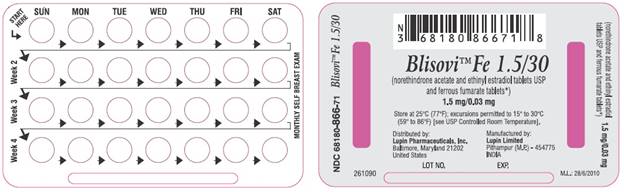
Blisovi™ Fe 1.5/30
(norethindrone acetate and ethinyl estradiol tablets USP and ferrous fumarate tablets*)
1.5 mg/0.03 mg
*Ferrous fumarate tablets are not USP for dissolution
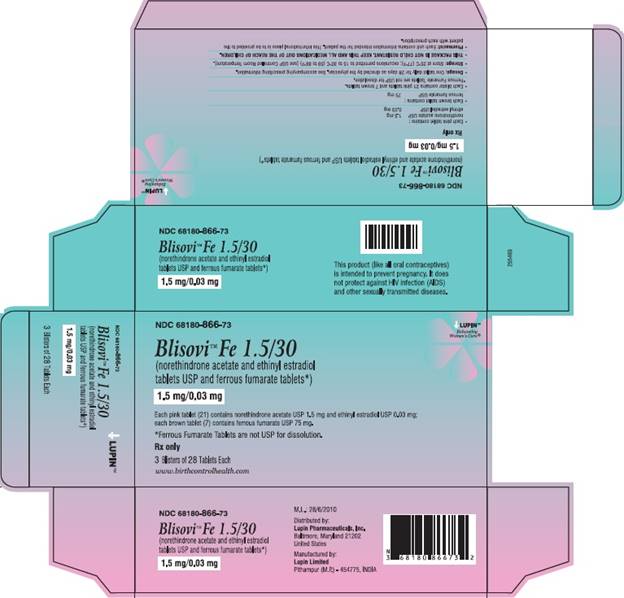
Blisovi™ Fe 1.5/30
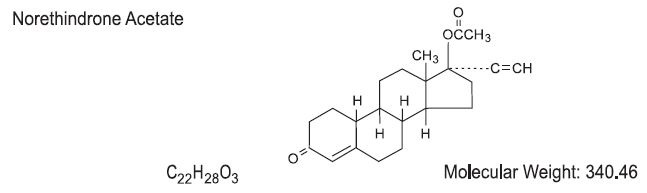
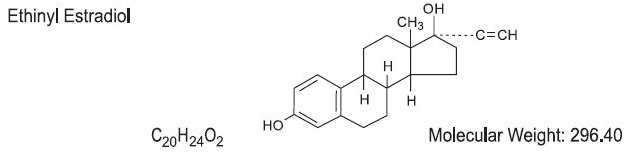
Each pink tablet contains 1.5 mg norethindrone acetate and 30 mcg ethinyl estradiol.
Each brown placebo tablet contains 75 mg ferrous fumarate.
Rx only
Patients should be counseled that this product does not protect against HIV infections (AIDS) and other sexually transmitted diseases.
The use of oral contraceptives is associated with increased risks of several serious conditions including myocardial infarction, thromboembolism, stroke, hepatic neoplasia, and gallbladder disease, although the risk of serious morbidity or mortality is very small in healthy women without underlying risk factors. The risk of morbidity and mortality increases significantly in the presence of other underlying risk factors such as hypertension, hyperlipidemias, obesity, and diabetes.
Practitioners prescribing oral contraceptives should be familiar with the following information relating to these risks.
The information contained in this package insert is principally based on studies carried out in patients who used oral contraceptives with higher formulations of estrogens and progestogens than those in common use today. The effect of long-term use of the oral contraceptives with lower formulations of both estrogens and progestogens remains to be determined.
Throughout this labeling, epidemiological studies reported are of two types: retrospective or case control studies and prospective or cohort studies. Case control studies provide a measure of the relative risk of a disease, namely, a ratio of the incidence of a disease among oral contraceptive users to that among nonusers. The relative risk does not provide information on the actual clinical occurrence of a disease.
Cohort studies provide a measure of attributable risk, which is the difference in the incidence of disease between oral contraceptive users and nonusers. The attributable risk does provide information about the actual occurrence of a disease in the population (adapted from References 8 and 9 with the author's permission). For further information, the reader is referred to a text on epidemiological methods.
NON-CONTRACEPTIVE HEALTH BENEFITS
The following non-contraceptive health benefits related to the use of oral contraceptives are supported by epidemiological studies which largely utilized oral contraceptive formulations containing estrogen doses exceeding 0.035 mg of ethinyl estradiol or 0.05 mg of mestranol (79-84). Effects on menses:
- Increased menstrual cycle regularity
- Decreased blood loss and decreased incidence of iron deficiency anemia
- Decreased incidence of dysmenorrhea
- Decreased incidence of functional ovarian cysts
- Decreased incidence of ectopic pregnancies
- Decreased incidence of fibroadenomas and fibrocystic disease of the breast
- Decreased incidence of acute pelvic inflammatory disease
- Decreased incidence of endometrial cancer
- Decreased incidence of ovarian cancer
- Smoke
- Have high blood pressure, diabetes, high cholesterol
- Have or have had clotting disorders, heart attack, stroke, angina pectoris, cancer of the breast or sex organs, jaundice, or malignant or benign liver tumors.
- Blood clots in the legs (thrombophlebitis), lungs (pulmonary embolism), stoppage or rupture of a blood vessel in the brain (stroke), blockage of blood vessels in the heart (heart attack or angina pectoris) or other organs of the body. As mentioned above, smoking increases the risk of heart attacks and strokes and subsequent serious medical consequences.
- Liver tumors, which may rupture and cause severe bleeding. A possible but not definite association has been found with the pill and liver cancer. However, liver cancers are extremely rare. The chance of developing liver cancer from using the pill is thus even rarer.
- High blood pressure, although blood pressure usually returns to normal when the pill is stopped.
- A history of heart attack or stroke
- Blood clots in the legs (thrombophlebitis), lungs (pulmonary embolism), or eyes
- A history of blood clots in the deep veins of your legs
- Chest pain (angina pectoris)
- Known or suspected breast cancer or cancer of the lining of the uterus, cervix, or vagina
- Unexplained vaginal bleeding (until a diagnosis is reached by your doctor)
- Yellowing of the whites of the eyes or of the skin (jaundice) during pregnancy or during previous use of the pill
- Liver tumor (benign or cancerous)
- Take any Hepatitis C drug combination containing ombitasvir/paritaprevir/ritonavir, with or without dasabuvir. This may increase levels of the liver enzyme "alanine aminotransferase" (ALT) in the blood.
- Known or suspected pregnancy
- Breast nodules, fibrocystic disease of the breast, an abnormal breast x-ray or mammogram
- Diabetes
- Elevated cholesterol or triglycerides
- High blood pressure
- Migraine or other headaches or epilepsy
- Mental depression
- Gallbladder, heart or kidney disease
- History of scanty or irregular menstrual periods
Effects related to inhibition of ovulation:
Effects from long-term use:
Distributed by:
Lupin Pharmaceuticals, Inc.
Baltimore, Maryland 21202
United States
Manufactured by:
Lupin Limited
Pithampur (M.P.) – 454 775
INDIA
Revised: August 2019 ID#: 255576
Blisovi™ Fe 1.5/30
(norethindrone acetate and ethinyl estradiol tablets USP and ferrous fumarate tablets*)
1.5 mg/0.03 mg
*Ferrous fumarate tablets are not USP for dissolution
The patient labeling for oral contraceptive drug products is set forth below:
This product (like all oral contraceptives) is intended to prevent pregnancy. It does not protect against HIV infection (AIDS) and other sexually transmitted diseases.
BRIEF SUMMARY PATIENT PACKAGE INSERT
Oral contraceptives, also known as "birth control pills" or "the pill," are taken to prevent pregnancy and, when taken correctly, have a failure rate of about 1% per year when used without missing any pills. The typical failure rate of large numbers of pill users is less than 3% per year when women who miss pills are included. For most women, oral contraceptives are also free of serious or unpleasant side effects. However, forgetting to take pills considerably increases the chances of pregnancy.
For the majority of women, oral contraceptives can be taken safely. But there are some women who are at high risk of developing certain serious diseases that can be life-threatening or may cause temporary or permanent disability. The risks associated with taking oral contraceptives increase significantly if you:
You should not take the pill if you suspect you are pregnant or have unexplained vaginal bleeding.
Most side effects of the pill are not serious. The most common side effects are nausea, vomiting, bleeding between menstrual periods, weight gain, breast tenderness, and difficulty wearing contact lenses. These side effects, especially nausea, vomiting, and breakthrough bleeding may subside within the first three months of use.
The serious side effects of the pill occur very infrequently, especially if you are in good health and are young. However, you should know that the following medical conditions have been associated with or made worse by the pill:
The symptoms associated with these serious side effects are discussed in the detailed leaflet given to you with your supply of pills. Notify your doctor or health care provider if you notice any unusual physical disturbances while taking the pill. In addition, drugs such as rifampin, as well as some anticonvulsants and some antibiotics, may decrease oral contraceptive effectiveness.
Most of the studies to date on breast cancer and pill use have found no increase in the risk of developing breast cancer, although some studies have reported an increased risk of developing breast cancer in certain groups of women. However, some studies have found an increase in the risk of developing cancer of the cervix in women taking the pill, but this finding may be related to differences in sexual behavior or other factors not related to use of the pill. Therefore, there is insufficient evidence to rule out the possibility that the pill may cause cancer of the breast or cervix.
Taking the pill provides some important non-contraceptive benefits. These include less painful menstruation, less menstrual blood loss and anemia, fewer pelvic infections, and fewer cancers of the ovary and the lining of the uterus.
Be sure to discuss any medical condition you may have with your health care provider. Your health care provider will take a medical and family history and examine you before prescribing oral contraceptives. The physical examination may be delayed to another time if you request it and your health care provider believes that it is a good medical practice to postpone it. You should be reexamined at least once a year while taking oral contraceptives. The detailed patient information leaflet gives you further information which you should read and discuss with your health care provider.
This product (like all oral contraceptives) is intended to prevent pregnancy. It does not protect against transmission of HIV (AIDS) and other sexually transmitted diseases such as chlamydia, genital herpes, genital warts, gonorrhea, hepatitis B and syphilis.
This product (like all oral contraceptives) is intended to prevent pregnancy. It does not protect against transmission of HIV (AIDS) and other sexually transmitted diseases such as Chlamydia, genital herpes, genital warts, gonorrhea, hepatitis B and syphilis.
DETAILED PATIENT PACKAGE INSERT
What You Should Know About Oral Contraceptives
Any woman who considers using oral contraceptives (the "birth control pills" or "the pill") should understand the benefits and risks of using this form of birth control. This leaflet will give you much of the information you will need to make this decision and will also help you determine if you are at risk of developing any of the serious side effects of the pill. It will tell you how to use the pill properly so that it will be as effective as possible. However, this leaflet is not a replacement for a careful discussion between you and your health care provider. You should discuss the information provided in this leaflet with him or her, both when you first start taking the pill and during your revisits. You should also follow your health care provider's advice with regard to regular check-ups while you are on the pill.
Some women should not use the pill. For example, you should not take the pill if you are pregnant or think you may be pregnant.
You should also not use the pill if you have any of the following conditions
Tell your health care provider if you have ever had any of these conditions. Your health care provider can recommend a safer method of birth control.
OTHER CONSIDERATIONS BEFORE TAKING ORAL CONTRACEPTIVES
Tell your health care provider if you have:
Women with any of these conditions should be checked often by their health care provider if they choose to use oral contraceptives. Also, be sure to inform your doctor or health care provider if you smoke or are on any medications.
Keep this and all drugs out of the reach of children.
Rx only
Store at 25°C (77°F); excursions permitted to 15 to 30°C (59 to 86°F). [see USP Controlled Room Temperature].
Blisovi™ Fe 1.5/30 is a trademark of Lupin Pharmaceuticals, Inc.
The other brands listed are trademarks of their respective owners and are not trademarks of Lupin Pharmaceuticals, Inc. The makers of these brands are not affiliated with and do not endorse Lupin Pharmaceuticals, Inc. or its products.
Distributed by:
Lupin Pharmaceuticals, Inc.
Baltimore, Maryland 21202
United States
Manufactured by:
Lupin Limited
Pithampur (M.P.) - 454 775
INDIA
Revised: August 2019