Other
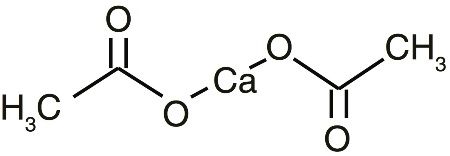
Calcium Acetate Capsule is a phosphate binder indicated to reduce serum phosphorus in patients with end stage renal disease (ESRD).
The recommended initial dose of Calcium Acetate Capsules for the adult dialysis patient is 2 capsules with each meal. Increase the dose gradually to lower serum phosphorus levels to the target range, as long as hypercalcemia does not develop. Most patients require 3-4 capsules with each meal.
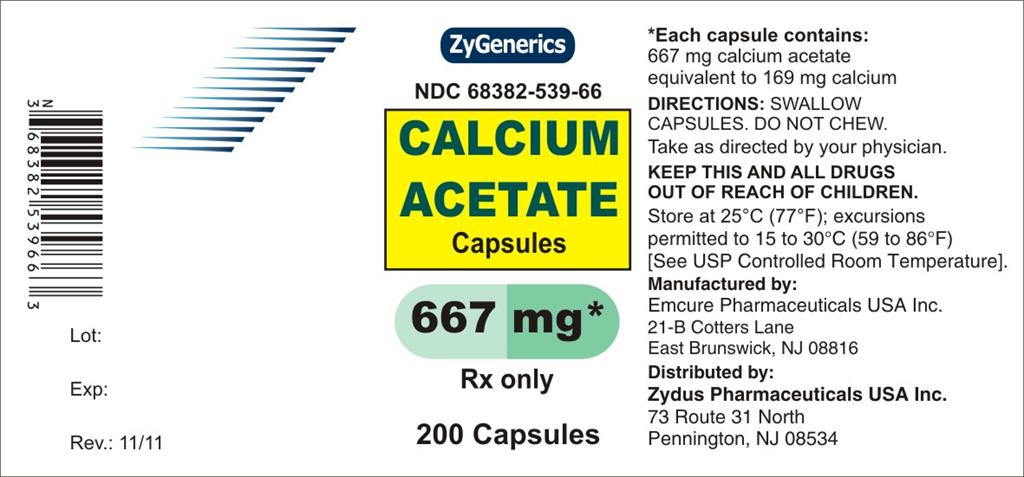
Capsule: 667 mg calcium acetate per capsule.
Patients with hypercalcemia.
Hypercalcemia is discussed elsewhere [see Warnings and Precautions (5.1)].
The drug interaction of calcium acetate is characterized by the potential of calcium to bind to drugs with anionic functions (e.g., carboxyl and hydroxyl groups). Calcium Acetate Capsule may decrease the bioavailability of tetracyclines or fluoroquinolones via this mechanism.
There are no empirical data on avoiding drug interactions between calcium acetate and most concomitant drugs. When administering an oral medication with calcium acetate where a reduction in the bioavailability of that medication would have a clinically significant effect on its safety or efficacy, administer the drug one hour before or three hours after calcium acetate. Monitor blood levels of the concomitant drugs that have a narrow therapeutic range. Patients taking anti-arrhythmic medications for the control of arrhythmias and anti-seizure medications for the control of seizure disorders were excluded from the clinical trials with all forms of calcium acetate.
7.1 Ciprofloxacin
In a study of 15 healthy subjects, a co-administered single dose of 4 calcium acetate tablets approximately 2.7 g, decreased the bioavailability of ciprofloxacin by approximately 50%.