1 Indications And Usage
PEG-3350, Electrolytes, and Ascorbate for Oral Solution is an osmotic laxative indicated for cleansing of the colon as a preparation for colonoscopy in adults.
The following Structured Product Label (SPL) was submitted to the FDA by Oceanside Pharmaceuticals for the product Peg-3350, Electrolytes, And Ascorbate (NDC 68682-201). This document serves as the official prescribing information, containing essential scientific data and clinical materials required for healthcare providers and patients.
This specific version of the label includes detailed information regarding 1 indications and usage, 2.1 important preparation and administration instructions, 2.2 two-day split-dosing regimen (preferred method), 2.3 one-day evening only dosing regimen (alternative method), 3 dosage forms and strengths, 4 contraindications, 5.1 serious fluid and electrolyte abnormalities, 5.2 cardiac arrhythmias, and other regulatory disclosures. Use the navigation below to review specific sections of the FDA submission.
PEG-3350, Electrolytes, and Ascorbate for Oral Solution is an osmotic laxative indicated for cleansing of the colon as a preparation for colonoscopy in adults.
The Two-Day Split-Dosing regimen is the preferred dosing method.
Instruct adult patients that on the day before the clinical procedure, they can consume breakfast, followed by a light lunch (no solid foods), and clear soup and/or plain yogurt for dinner, which must be completed at least 1 hour prior to the start of the first PEG-3350, Electrolytes, and Ascorbate for Oral Solution dose.
Instruct adult patients to take two separate doses in conjunction with fluids as follows:
Dose 1 – In the evening before the colonoscopy, approximately 10 to 12 hours before Dose 2:
Dose 2 – Take next morning, on the day of the colonoscopy, approximately 12 hours after the start of Dose 1 and at least 3 ½ hours prior to colonoscopy:
The One-Day Evening Only regimen is the alternative dosing method for patients for whom the Split-Dosing regimen is inappropriate.
Instruct adult patients that on the day before the clinical procedure, they can consume breakfast, followed by a light lunch (no solid foods), and clear soup and/or plain yogurt for dinner, which must be completed at least 1 hour prior to the start of the first PEG-3350, Electrolytes, and Ascorbate for Oral Solution dose.
Instruct adult patients to take two separate doses in conjunction with fluids as follows:
Dose 1 – At least 3 ½ hours before bedtime the evening before the colonoscopy:
Dose 2 – At least 1 ½ hours after starting Dose 1 on the evening before the colonoscopy:
PEG-3350, Electrolytes, and Ascorbate for Oral Solution is supplied as a white to yellow powder for reconstitution and is available in a carton that contains 2 pouches labeled Pouch A and 2 pouches labeled Pouch B.
PEG-3350, Electrolytes, and Ascorbate for Oral Solution is contraindicated in the following conditions:
Advise patients to hydrate adequately before, during, and after the use of PEG-3350, Electrolytes, and Ascorbate for Oral Solution. If a patient develops significant vomiting or signs of dehydration after taking PEG-3350, Electrolytes, and Ascorbate for Oral Solution, consider performing post-colonoscopy lab tests (electrolytes, creatinine, and BUN).
Bowel preparations can cause fluid and electrolyte disturbances, which can lead to serious adverse reactions including cardiac arrhythmias, seizures, and renal impairment [see Adverse Reactions (6.2)]. Correct fluid and electrolyte abnormalities before treatment with PEG-3350, Electrolytes, and Ascorbate for Oral Solution. PEG-3350, Electrolytes, and Ascorbate for Oral Solution should be used with caution in patients using concomitant medications that increase the risk of electrolyte abnormalities [such as diuretics, angiotensin converting enzyme (ACE) inhibitors or angiotensin receptor blockers (ARBs)] or in patients with known or suspected hyponatremia. Consider performing pre-dose and post-colonoscopy laboratory tests (sodium, potassium, calcium, creatinine, and BUN) in these patients [see Drug Interactions (7.1)].
There have been rare reports of serious arrhythmias (including atrial fibrillation) associated with the use of ionic osmotic laxative products for bowel preparation. These occur predominantly in patients with underlying cardiac risk factors and electrolyte disturbances. Use caution when prescribing PEG-3350, Electrolytes, and Ascorbate for Oral Solution for patients at increased risk of arrhythmias (e.g., patients with a history of prolonged QT, uncontrolled arrhythmias, recent myocardial infarction, unstable angina, congestive heart failure, cardiomyopathy, or electrolyte imbalance). Consider pre-dose and post-colonoscopy ECGs in patients at increased risk of serious cardiac arrhythmias.
There have been rare reports of generalized tonic-clonic seizures and/or loss of consciousness associated with use of bowel preparation products in patients with no prior history of seizures. The seizure cases were associated with electrolyte abnormalities (e.g., hyponatremia, hypokalemia, hypocalcemia, and hypomagnesemia) and low serum osmolality. The neurologic abnormalities resolved with correction of fluid and electrolyte abnormalities.
Use caution when prescribing PEG-3350, Electrolytes, and Ascorbate for Oral Solution for patients with a history of seizures and in patients at increased risk of seizure, such as patients taking medications that lower the seizure threshold (e.g., tricyclic antidepressants), patients withdrawing from alcohol or benzodiazepines, or patients with known or suspected hyponatremia [see Drug Interactions (7.1)].
Use PEG-3350, Electrolytes, and Ascorbate for Oral Solution with caution in patients with renal impairment or patients taking concomitant medications that affect renal function (such as diuretics, ACE inhibitors, angiotensin receptor blockers, or nonsteroidal anti-inflammatory drugs) [see Drug Interactions (7.1)]. These patients may be at risk for renal injury. Advise these patients of the importance of adequate hydration before, during, and after use of PEG-3350, Electrolytes, and Ascorbate for Oral Solution, and consider performing pre-dose and post-colonoscopy laboratory tests (electrolytes, creatinine, and BUN) in these patients [see Use in Specific Populations (8.6)].
Osmotic laxatives may produce colonic mucosal aphthous ulcerations, and there have been reports of more serious cases of ischemic colitis requiring hospitalization. Concurrent use of stimulant laxatives and PEG-3350, Electrolytes, and Ascorbate for Oral Solution may increase the risk of mucosal ulceration or ischemic colitis and is not recommended. Consider the potential for mucosal ulcerations resulting from the bowel preparation when interpreting colonoscopy findings in patients with known or suspected inflammatory bowel disease.
If gastrointestinal obstruction or perforation is suspected, perform appropriate diagnostic studies to rule out these conditions before administering PEG-3350, Electrolytes, and Ascorbate for Oral Solution [see Contraindications (4)].
Use with caution in patients with severe ulcerative colitis.
Patients with impaired gag reflex or other swallowing abnormalities are at risk for regurgitation or aspiration of PEG-3350, Electrolytes, and Ascorbate for Oral Solution. Observe these patients during the administration of PEG-3350, Electrolytes, and Ascorbate for Oral Solution. Use with caution in these patients.
Since PEG-3350, Electrolytes, and Ascorbate for Oral Solution contains sodium ascorbate and ascorbic acid, PEG-3350, Electrolytes, and Ascorbate for Oral Solution should be used with caution in patients with glucose-6-phosphate dehydrogenase (G6PD) deficiency, especially G6PD deficiency patients with an active infection, with a history of hemolysis, or taking concomitant medications known to precipitate hemolytic reactions.
Phenylalanine can be harmful to patients with phenylketonuria (PKU). PEG-3350, Electrolytes, and Ascorbate for Oral Solution contains phenylalanine, a component of aspartame. Each PEG-3350, Electrolytes, and Ascorbate for Oral Solution treatment contains 131 mg of phenylalanine (after hydrolysis of the aspartame molecule in vivo to aspartic acid and phenylalanine). Before prescribing PEG-3350, Electrolytes, and Ascorbate for Oral Solution to a patient with PKU, consider the combined daily amount of phenylalanine from all sources, including PEG-3350, Electrolytes, and Ascorbate for Oral Solution.
PEG-3350, Electrolytes, and Ascorbate for Oral Solution contains polyethylene glycol (PEG) and may cause serious hypersensitivity reactions including anaphylaxis, angioedema, rash, urticaria, and pruritus [see Adverse Reactions (2)]. Inform patients of the signs and symptoms of anaphylaxis, and instruct them to seek immediate medical care should signs and symptoms occur.
The following serious or otherwise important adverse reactions for bowel preparations are described elsewhere in the labeling:
Because clinical trials are conducted under widely varying conditions, adverse reaction rates observed in the clinical trials of a drug cannot be directly compared to rates in the clinical trials of another drug and may not reflect the rates observed in clinical practice.
The safety of PEG-3350, Electrolytes, and Ascorbate for Oral Solution as a Two-Day Split-Dosing and One-Day Evening Only Dosing Regimen was evaluated in two randomized, active-controlled, multicenter, investigator-blinded clinical trials in adult patients scheduled to have an elective colonoscopy [see Clinical Studies (14)]. The safety analysis for Study 1 included 359 adult patients ranging in age from 18 to 88 years (mean age 59), with 52% female and 48% male patients. The safety analysis for Study 2 included 340 adult patients ranging in age from 21 to 76 years (mean age 53), with 53% male and 47% female patients.
Tables 1 and 2 display adverse reactions reported in at least 2% and 5% of patients in either treatment group in Study 1 and Study 2, respectively. Since diarrhea was considered as a part of the efficacy assessment, it was not defined as an adverse reaction in these trials.
PEG-3350, Electrolytes, and Ascorbate for Oral Solution Two-Day Split (N=180) | 4 Liter PEG + (N=179) | |
Malaise | 19% | 18% |
Nausea | 14% | 20% |
Abdominal pain | 13% | 15% |
Vomiting | 8% | 13% |
Upper abdominal pain | 6% | 6% |
Dyspepsia | 3% | 1% |
PEG-3350, Electrolytes, and Ascorbate for Oral Solution | 90 mL Oral Sodium Phosphate Solution | |
Abdominal distension | 60% | 41% |
Anal discomfort | 51% | 52% |
Thirst | 47% | 65% |
Nausea | 47% | 47% |
Abdominal pain | 39% | 32% |
Sleep disorder | 35% | 29% |
Rigors | 34% | 30% |
Hunger | 30% | 71% |
Malaise | 27% | 53% |
Vomiting | 7% | 8% |
Dizziness | 7% | 18% |
Headache | 2% | 5% |
Hypokalemia | 0% | 6% |
Hyperphosphatemia | 0% | 6% |
The following adverse reactions have been identified during post-approval use of PEG-3350, Electrolytes, and Ascorbate for Oral Solution or other PEG-based products. Because these reactions are reported voluntarily from a population of uncertain size, it is not always possible to reliably estimate their frequency or establish a causal relationship to drug exposure.
Cardiovascular: Tachycardia, palpitations, hypertension, arrhythmia, atrial fibrillation, peripheral edema, asystole, acute pulmonary edema and syncope, and dehydration.
Gastrointestinal: upper gastrointestinal bleeding from a Mallory-Weiss tear, esophageal perforation [usually with gastroesophageal reflux disease (GERD)]
Hypersensitivity reactions: anaphylaxis (some of which were severe, including shock), rash, urticaria, pruritus, lip, tongue and facial swelling, dyspnea, chest tightness and throat tightness, rhinorrhea, dermatitis, fever, and chills.
Nervous system: tremor, seizure.
Renal: renal impairment and/or failure.
Use caution when prescribing PEG-3350, Electrolytes, and Ascorbate for Oral Solution for patients with conditions and/or who are using medications that increase the risk for fluid and electrolyte disturbances or may increase the risk of renal impairment, seizures, arrhythmias, or QT prolongation in the setting of fluid and electrolyte abnormalities [see Warnings and Precautions (5.1, 5.2, 5.3, 5.4)]. Consider additional patient evaluations as appropriate.
PEG-3350, Electrolytes, and Ascorbate for Oral Solution can reduce the absorption of other co-administered drugs. Administer oral medications at least 1 hour before the start of administration of each dose of PEG-3350, Electrolytes, and Ascorbate for Oral Solution [see Dosage and Administration (2.1)].
Concurrent use of stimulant laxatives and PEG-3350, Electrolytes, and Ascorbate for Oral Solution may increase the risk of mucosal ulceration or ischemic colitis. Avoid use of stimulant laxatives (e.g., bisacodyl, sodium picosulfate) while taking PEG-3350, Electrolytes, and Ascorbate for Oral Solution [see Warnings and Precautions (5.5, 5.6)].
Risk Summary
There are no available data on PEG-3350, Electrolytes, and Ascorbate for Oral Solution in pregnant women to inform a drug-associated risk for adverse developmental outcomes. Animal reproduction studies have not been conducted with PEG-3350, Electrolytes, and Ascorbate for Oral Solution.
The estimated background risk of major birth defects and miscarriage for the indicated population is unknown. All pregnancies have a background risk of birth defect, loss, or other adverse outcomes. In the U.S. general population, the estimated background risk of major birth defects and miscarriage in clinically recognized pregnancies is 2% to 4% and
15% to 20%, respectively.
Risk Summary
There are no data available on the presence of PEG-3350, Electrolytes, and Ascorbate for Oral Solution in human milk, the effects of the drug on the breastfed child, or the effects of the drug on milk production. The lack of clinical data during lactation precludes a clear determination of the risk of PEG-3350, Electrolytes, and Ascorbate for Oral Solution to a child during lactation; therefore, the developmental and health benefits of breastfeeding should be considered along with the mother’s clinical need for PEG-3350, Electrolytes, and Ascorbate for Oral Solution and any potential adverse effects on the breastfed child from PEG-3350, Electrolytes, and Ascorbate for Oral Solution or from the underlying maternal condition.
The safety and effectiveness of PEG-3350, Electrolytes, and Ascorbate for Oral Solution in pediatric patients have not been established.
Of the 413 patients in clinical trials receiving PEG-3350, Electrolytes, and Ascorbate for Oral Solution, 91 (22%) patients were aged 65 or older, while 25 (6%) patients were over 75 years of age. No overall differences in safety or effectiveness were observed between geriatric patients and younger patients, and other reported clinical experience has not identified differences in responses between geriatric patients and younger patients. However, elderly patients are more likely to have decreased hepatic, renal or cardiac function and may be more susceptible to adverse reactions resulting from fluid and electrolyte abnormalities [see Warnings and Precautions (5.1)].
Use PEG-3350, Electrolytes, and Ascorbate for Oral Solution with caution in patients with renal impairment or patients taking concomitant medications that may affect renal function [see Drug Interactions (7.1)]. These patients may be at risk for renal injury. Advise these patients of the importance of adequate hydration before, during and after the use of PEG-3350, Electrolytes, and Ascorbate for Oral Solution, and consider performing baseline and post-colonoscopy laboratory tests (electrolytes, creatinine, and BUN) in these patients [see Warnings and Precautions (5.4)].
Overdosage of more than the recommended dose of PEG-3350, Electrolytes, and Ascorbate for Oral Solution may lead to severe electrolyte disturbances, including hyponatremia and/or hypokalemia, as well as dehydration and hypovolemia, with signs and symptoms of these disturbances. Certain severe electrolyte disturbances may lead to cardiac arrhythmias, seizures, and renal failure [see Warnings and Precautions (5.1, 5.2, 5.3)]. Monitor for fluid and electrolyte disturbances and treat symptomatically.
PEG-3350, Electrolytes, and Ascorbate for Oral Solution (PEG-3350, sodium sulfate, sodium chloride, potassium chloride, sodium ascorbate, and ascorbic acid for oral solution) is an osmotic laxative consisting of 4 pouches (2 of Pouch A and 2 of Pouch B) containing white to yellow powder for reconstitution.
Each Pouch A contains 100 grams of polyethylene glycol (PEG) 3350, NF, 7.5 grams of sodium sulfate, USP, 2.691 grams of sodium chloride, USP, and 1.015 grams of potassium chloride, USP, plus the following excipients: aspartame, NF (sweetener), acesulfame potassium, NF (sweetener), and lemon flavoring. Pouch A contains 111.9 g of powder for oral solution.
Each Pouch B contains 4.7 grams of ascorbic acid, USP and 5.9 grams of sodium ascorbate, USP. Pouch B contains 10.6 g of powder for oral solution.
When 1 Pouch A and 1 Pouch B are dissolved together in water to a volume of 1 liter, PEG-3350, Electrolytes, and Ascorbate for Oral Solution (PEG-3350, sodium sulfate, sodium chloride, potassium chloride, sodium ascorbate, and ascorbic acid) is an oral solution having a lemon taste.
The entire, reconstituted, 2-liter PEG-3350, Electrolytes, and Ascorbate for Oral Solution colon preparation contains 200 grams of PEG-3350, 15 grams of sodium sulfate, 5.38 grams of sodium chloride, 2.03 grams of potassium chloride, 9.4 grams of ascorbic acid, and 11.8 grams of sodium ascorbate plus the following excipients: aspartame (sweetener), acesulfame potassium (sweetener), and lemon flavoring.
A mixing container for reconstitution is enclosed.
Phenylketonurics: Contains Phenylalanine 131 mg per treatment.
The primary mode of action is osmotic action of polyethylene glycol 3350, sodium sulfate, sodium chloride, potassium chloride, sodium ascorbate, and ascorbic acid, which induce a laxative effect. The physiological consequence is increased water retention in the lumen of the colon, resulting in loose stools.
The colon cleansing efficacy and safety of PEG-3350, Electrolytes, and Ascorbate for Oral Solution was evaluated in two randomized, actively-controlled, multi-center, investigator-blinded trials in adult patients scheduled to have an elective colonoscopy.
In Study 1, patients were randomized to one of the following two colon preparation treatments: 1) 2 liters of PEG-3350, Electrolytes, and Ascorbate for Oral Solution with 1 additional liter of clear liquid split into two doses (during the evening before and the morning of the colonoscopy) and 2) 4 liters of polyethylene glycol plus electrolytes solution (4L PEG + E) split into two doses (during the evening before and the morning of the colonoscopy). Patients were allowed to have a morning breakfast, a light lunch, clear soup and/or plain yogurt for dinner. Dinner had to be completed at least one hour prior to initiation of the colon preparation administration.
The primary efficacy endpoint was the proportion of patients with effective colon cleansing as judged by blinded gastroenterologists on the basis of videotapes recorded during the colonoscopy.
The blinded gastroenterologists graded the colon cleansing twice (during introduction and withdrawal of the colonoscope) and the poorer of the two assessments was used in the primary efficacy analysis.
The efficacy analysis included 308 adult patients who had an elective colonoscopy. Patients ranged in age from 18 to 88 years old (mean age about 59 years old) with 52% female and 48% male patients. Table 3 displays the results.
Responders A A: colon empty and clean or presence of clear liquid, but easily removed by suction or BB: brown liquid or semisolid remaining amounts of stool, fully removable by suction or displaceable, thus allowing a complete visualization of the gut mucosa (%) | C C: semisolid amounts of stool, only partially removable with a risk of incomplete visualization of the gut mucosa (%) | D D: semisolid or solid amounts of stool; consequently colonoscopy incomplete or needed to be terminated. (%) | |
PEG-3350, Electrolytes, and Ascorbate for Oral Solution (N=153) | 88.9 | 9.8 | 1.3 |
4L PEG + E 4L PEG + E is 4 Liter Polyethylene Glycol plus Electrolytes Solution. (N=155) | 94.8 | 4.5 | 0.6 |
4L PEG+E’s responder rate was not significantly higher than PEG-3350, Electrolytes, and Ascorbate for Oral Solution’s responder rate.
In Study 2, patients were randomized to one of the following two colon preparation treatments: 1) 2 liters of PEG-3350, Electrolytes, and Ascorbate for Oral Solution with 1 additional liter of clear liquid in the evening prior to the colonoscopy and 2) 90 mL of oral sodium phosphate solution (90 mL OSPS) with at least 2 liters of additional clear liquid during the day and evening prior to the colonoscopy. Patients randomized to PEG-3350, Electrolytes, and Ascorbate for Oral Solution therapy were allowed to have a morning breakfast; a light lunch; and clear soup and/or plain yogurt for dinner. Dinner had to be completed at least one hour prior to initiation of the colon preparation administration.
The primary efficacy endpoint was the proportion of patients with effective colon cleansing as judged by the colonoscopist and one blinded gastroenterologist (on the basis of videotapes recorded during the colonoscopy). In case of a discrepancy between the colonoscopist and the blinded gastroenterologist, a second blinded gastroenterologist made the final efficacy determination.
The efficacy analysis included 280 adult patients who had an elective colonoscopy. Patients ranged in age from 21 to 76 years old (mean age about 53 years old) with 47% female and 53% male patients. Table 4 displays the results.
Responders A A: empty and clean or clear liquid (transparent, yellow, or green) or BB: brown liquid or semisolid remaining small amounts of stool, fully removable by suction or displaceable allowing a complete visualization of the underlying mucosa (%) | C C: semisolid only partially removable/displaceable stools; risk of incomplete examination of the underlying mucosa (%) | D D: heavy and hard stool making the segment examination uninterpretable and, consequently, the colonoscopy needed to be terminated. (%) | |
PEG-3350, Electrolytes, and Ascorbate for Oral Solution (N=137) | 73.0 | 23.4 | 3.6 |
90 mL OSPS OSPS is Oral Sodium Phosphate Solution. (N=143) | 64.4 | 29.4 | 6.3 |
PEG-3350, Electrolytes, and Ascorbate for Oral Solution’s responder rate was not significantly higher than OSPS’s responder rate.
PEG-3350, Electrolytes, and Ascorbate for Oral Solution (polyethylene glycol 3350, sodium sulfate, sodium chloride, potassium chloride, sodium ascorbate, and ascorbic acid for oral solution) is supplied as a white to yellow powder for reconstitution.
NDC 68682-201-75, PEG-3350, Electrolytes, and Ascorbate for Oral Solution, single-use outer carton:
Storage
Advise the patient to read the FDA-approved patient labeling (Medication Guide and Instructions for Use).
Instruct patients:
Distributed by:
Oceanside Pharmaceuticals, a division of
Bausch Health US, LLC
Bridgewater, NJ 08807 USA
U.S. Patent Numbers: 7,169,381 and 7,658,914
© 2019 Bausch Health Companies Inc. or its affiliates
9676400 70013918
MEDICATION GUIDE (polyethylene glycol 3350, sodium sulfate, sodium chloride, potassium chloride, sodium ascorbate, and ascorbic acid for oral solution) |
Read this Medication Guide and Instructions for Use before your colonoscopy and again before you start taking PEG-3350, Electrolytes, and Ascorbate for Oral Solution. |
What is the most important information I should know about PEG-3350, Electrolytes, and Ascorbate for Oral Solution? PEG-3350, Electrolytes, and Ascorbate for Oral Solution and other bowel preparations can cause serious side effects, including:
Your chance of having fluid loss and changes in body salts with PEG-3350, Electrolytes, and Ascorbate for Oral Solution is higher if you: Tell your healthcare provider right away if you have any of these symptoms of serious loss of body fluid (dehydration) while taking PEG-3350, Electrolytes, and Ascorbate for Oral Solution: See “What are the possible side effects of PEG-3350, Electrolytes, and Ascorbate for Oral Solution?” for more information about side effects. |
What is PEG-3350, Electrolytes, and Ascorbate for Oral Solution? PEG-3350, Electrolytes, and Ascorbate for Oral Solution is a prescription medicine used by adults to clean the colon before a colonoscopy. PEG-3350, Electrolytes, and Ascorbate for Oral Solution cleans your colon by causing you to have diarrhea (loose stools). Cleaning your colon helps your healthcare provider see the inside of your colon more clearly during your colonoscopy. It is not known if PEG-3350, Electrolytes, and Ascorbate for Oral Solution is safe and effective in children. |
Who should not take PEG-3350, Electrolytes, and Ascorbate for Oral Solution? Do not take PEG-3350, Electrolytes, and Ascorbate for Oral Solution if your healthcare provider has told you that you have:
|
What should I tell my healthcare provider before taking PEG-3350, Electrolytes, and Ascorbate for Oral Solution? Before taking PEG-3350, Electrolytes, and Ascorbate for Oral Solution, tell your healthcare provider about all of your medical conditions, including if you:
Tell your healthcare provider about all the medicines you take, including prescription and non-prescription medicines, vitamins, and herbal supplements. PEG-3350, Electrolytes, and Ascorbate for Oral Solution may affect how other medicines work. Do not take medicines by mouth 1 hour before or after the start of PEG-3350, Electrolytes, and Ascorbate for Oral Solution. Especially tell your healthcare provider if you take: Ask your healthcare provider or pharmacist for a list of these medicines if you are not sure if you are taking any of the medicines listed above. Know the medicines you take. Keep a list of them to show your healthcare provider and pharmacist when you get a new medicine. |
How should I take PEG-3350, Electrolytes, and Ascorbate for Oral Solution? See the “Instructions for Use” for dosing instructions. You must read, understand, and follow these instructions to take PEG-3350, Electrolytes, and Ascorbate for Oral Solution the right way.
|
What are the possible side effects of PEG-3350, Electrolytes, and Ascorbate for Oral Solution? PEG-3350, Electrolytes, and Ascorbate for Oral Solution can cause serious side effects, including:
The most common side effects of PEG-3350, Electrolytes, and Ascorbate for Oral Solution include: These are not all the possible side effects of PEG-3350, Electrolytes, and Ascorbate for Oral Solution. Call your doctor for medical advice about side effects. You may report side effects to FDA at 1-800-FDA-1088. |
How should I store PEG-3350, Electrolytes, and Ascorbate for Oral Solution?
Keep PEG-3350, Electrolytes, and Ascorbate for Oral Solution and all medicines out of the reach of children. |
General information about the safe and effective use of PEG-3350, Electrolytes, and Ascorbate for Oral Solution. Medicines are sometimes prescribed for purposes other than those listed in a Medication Guide. Do not use PEG-3350, Electrolytes, and Ascorbate for Oral Solution for a condition for which it was not prescribed. Do not give PEG-3350, Electrolytes, and Ascorbate for Oral Solution to other people, even if they are going to have the same procedure you are. It may harm them. This Medication Guide summarizes the most important information about PEG-3350, Electrolytes, and Ascorbate for Oral Solution. If you would like more information, talk with your healthcare provider. You can ask your pharmacist or healthcare provider for information that is written for healthcare professionals. For more information, call 1-800-321-4576. |
What are the ingredients in PEG-3350, Electrolytes, and Ascorbate for Oral Solution? Active ingredients: Pouch A: polyethylene glycol (PEG) 3350, sodium sulfate, sodium chloride, potassium chloride. Pouch B: ascorbic acid and sodium ascorbate. Inactive ingredients: Pouch A: aspartame, acesulfame potassium, and lemon flavoring. |
Distributed by:
Oceanside Pharmaceuticals, a division of Bausch Health US, LLC
Bridgewater, NJ 08807 USA
U.S. Patent Numbers: 7,169,381 and 7,658,914
© 2019 Bausch Health Companies Inc. or its affiliates
This Medication Guide has been approved by the U.S. Food and Drug Administration.
Issued: May 2019 9676400 70013918
INSTRUCTIONS FOR USE
PEG-3350, Electrolytes, and Ascorbate for Oral Solution(polyethylene glycol 3350,
sodium sulfate, sodium chloride, potassium
chloride, sodium ascorbate, and ascorbic
acid for oral solution)
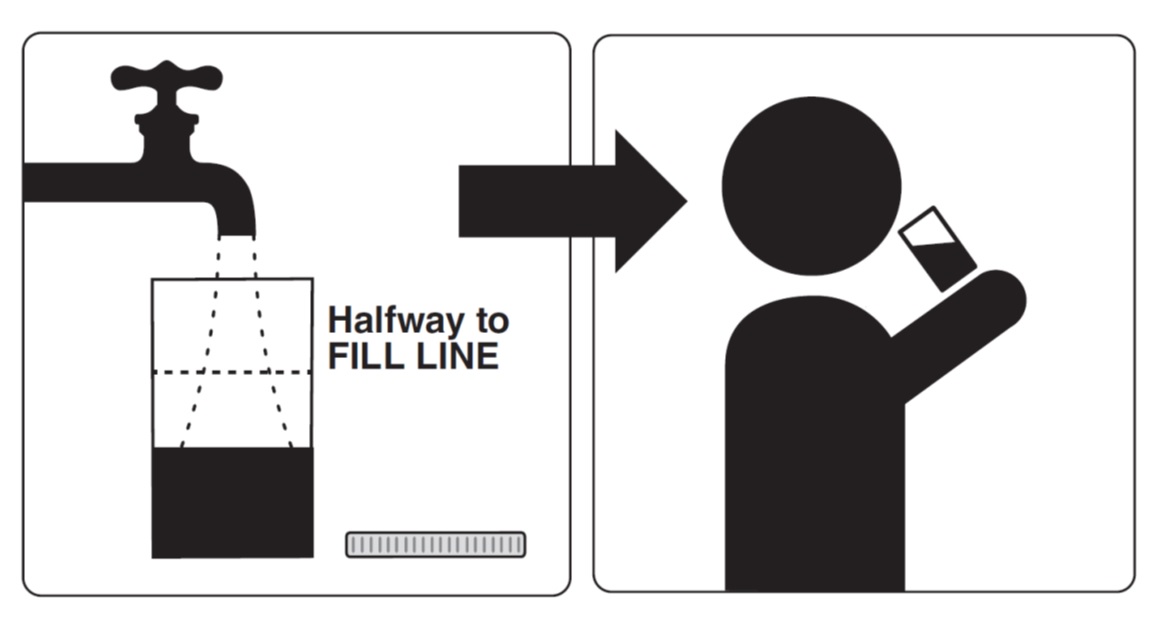
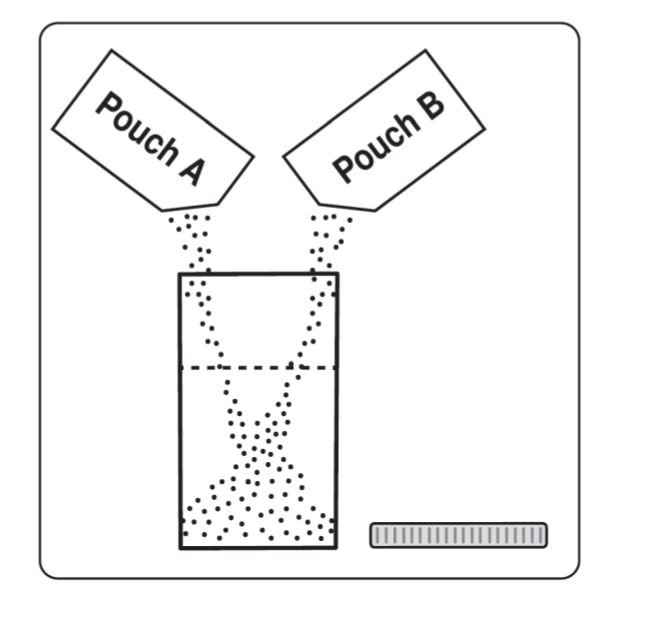
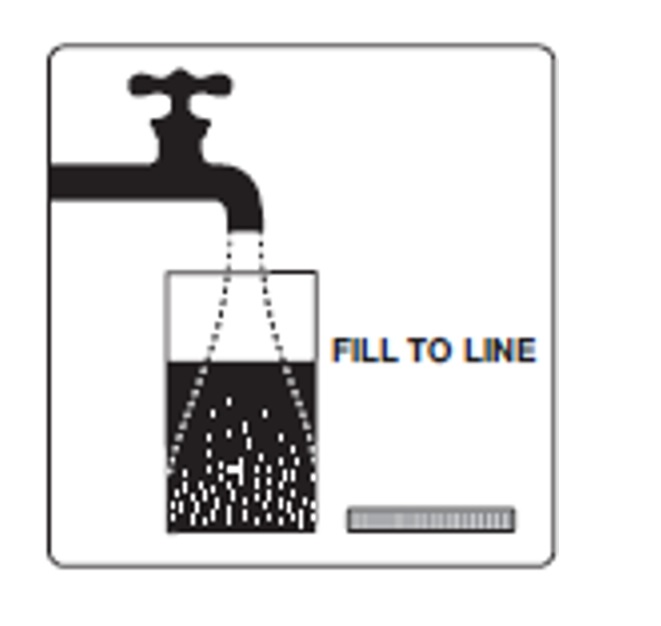
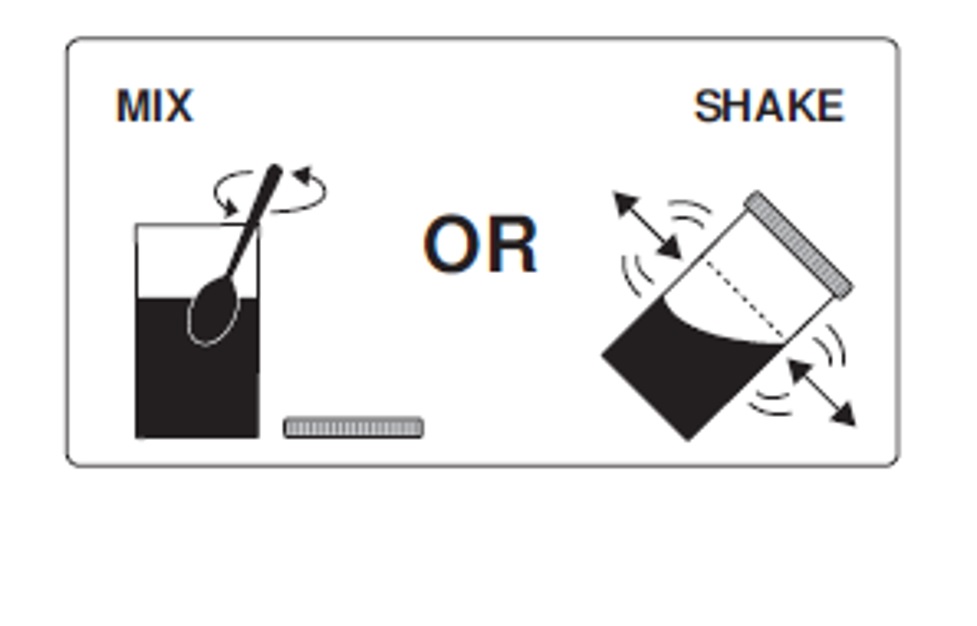
There are two different options for taking PEG-3350, Electrolytes, and Ascorbate for Oral Solution. Your healthcare provider will tell you to take the Two-Day Split-Dosing Regimen option or the One-Day Evening Only Dosing Regimen option.
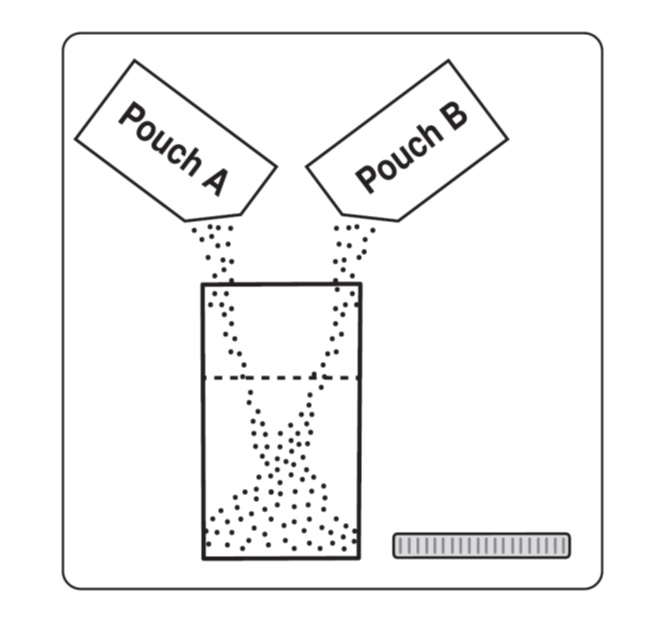
To take each dose of PEG-3350, Electrolytes, and Ascorbate for Oral Solution, you will need:
Two-Day Split-Dosing Regimen Dosing Instructions
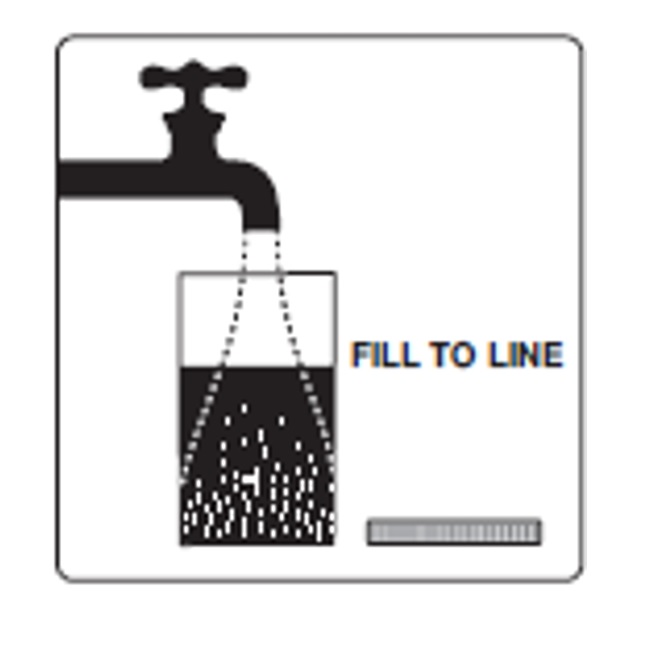
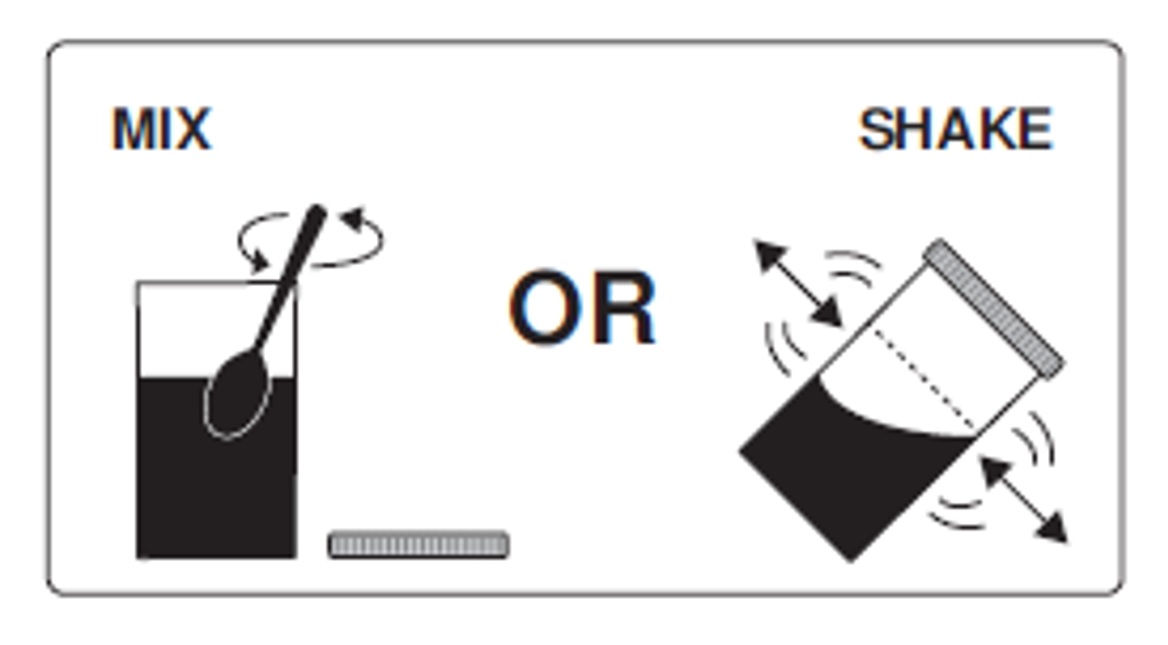
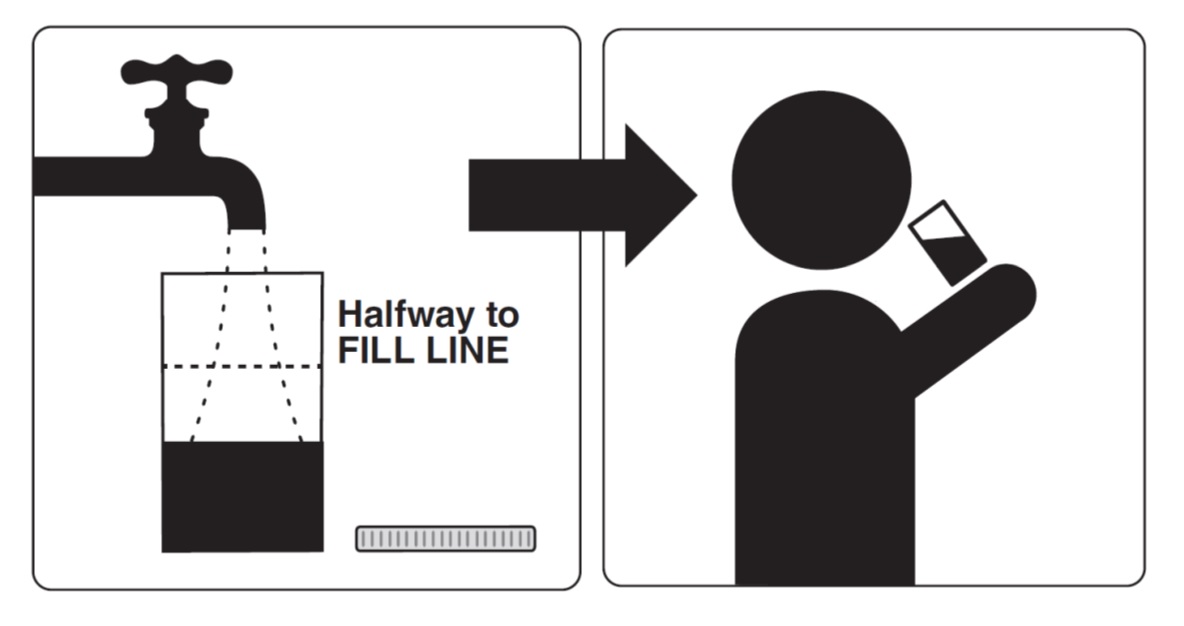
Dose 1 – Take this dose the evening before your colonoscopy (10 to 12 hours before Dose 2):
Pic1 (Image 01)
Pic2 (Image 02)
Pic3 (Image 03)
If you feel like you have severe stomach pain or discomfort you can stop taking PEG-3350, Electrolytes, and Ascorbate for Oral Solution for a short period of time and then continue taking it or you can take smaller sips of PEG-3350, Electrolytes, and Ascorbate for Oral Solution so that you space out your dose longer than 1 hour. If you still have severe stomach pain, call your healthcare provider.

Pic4 (Image 04)
Pic5 (Image 05)
Pic6 (Image 06)
One-Day Evening Only Dosing Regimen Instructions
Dose 1 (take at least 3 ½ hours before bedtime the evening before your colonoscopy):
Pic7 (Image 07)
Pic8 (Image 08)
Pic9 (Image 09)

Pic10 (Image 10)
If you feel like you have severe stomach pain or discomfort you can stop taking PEG-3350, Electrolytes, and Ascorbate for Oral Solution for a short period of time and then continue taking it or you can take smaller sips of PEG-3350, Electrolytes, and Ascorbate for Oral Solution so that you space out your dose longer than 1 hour. If you still have severe stomach pain, call your healthcare provider.
Dose 2 (take about 1 ½ hours after starting Dose 1):
This Instructions for Use has been approved by the U.S. Food and Drug Administration.
Distributed by:
Oceanside Pharmaceuticals, a division of
Bausch Health US, LLC
Bridgewater, NJ 08807 USA
U.S. Patent Numbers: 7,169,381 and 7,658,914
© 2019 Bausch Health Companies Inc. or its affiliates
Issued: May 2019 9676400 70013918
Rx only
NDC 68682-201-75
PEG-3350, Electrolytes, and Ascorbate for Oral Solution
(PEG-3350, Sodium Sulfate, Sodium Chloride, Potassium Chloride,
Sodium Ascorbate and Ascorbic Acid for Oral Solution)
100 g/7.5 g/2.691 g/1.015 g/5.9 g/4.7 g
Phenylketonurics:
contains phenylalanine – a maximum of 131 mg per course of treatment.
PHARMACIST: Dispense the enclosed Medication Guide to each patient.
Keep out of reach of children.
This carton contains: One container to mix PEG-3350, Electrolytes, and Ascorbate for Oral Solution
2 Pouches Labeled
Pouch A:
PEG-3350 100 g
Sodium sulfate 7.5g
Sodium chloride 2.691 g
Potassium chloride 1.015 g
also contains aspartame
2 Pouches Labeled
Pouch B:
Sodium ascorbate 5.9 g
Ascorbic acid 4.7 g
On mixing in 1 liter of water, one
Pouch A and one Pouch B provide:
PEG-3350 29.6 mmol/L
Sodium 181.6 mmol/L
Chloride 59.8 mmol/L
Sulfate 52.8 mmol/L
Potassium 14.2 mmol/L
Ascorbate 29.8 mmol/L
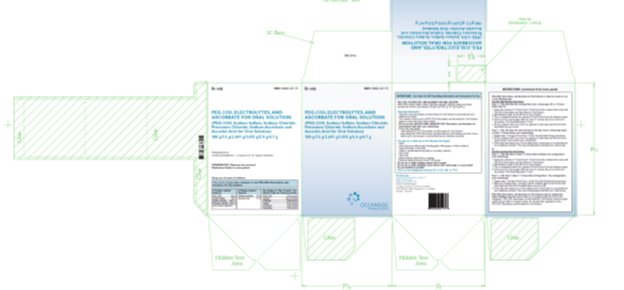
Cartonimage (Image 11)
* Please review the disclaimer below.
