Diazepam Gel
Product Images NDC 68682-652

18 FDA label images from Oceanside Pharmaceuticals · Packaging, Regulatory Labels, and Product Appearance

Product Visual Gallery

This gallery contains 18 technical images submitted to the FDA as part of the official labeling for Diazepam (NDC 68682-652). Unlike standard consumer photos, these assets often include clinical data figures, molecular chemical structures, and official manufacturer packaging layouts.

As provided by Oceanside Pharmaceuticals, these visuals offer a comprehensive scientific overview of the product's physical and chemical identity, aiding pharmacists and researchers in product verification and study.

FDA Label Image

Chemstructure (Image 01)
Chemstructure (Image 01)
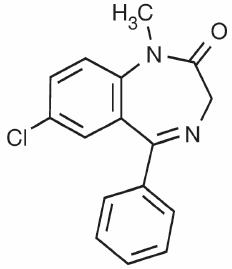
Chemical structure of diazepam showing its chlorinated benzodiazepine core with fused rings and methyl substitution.*
FDA Label Image

Figure1 (Image 09)

Figure1 (Image 09)
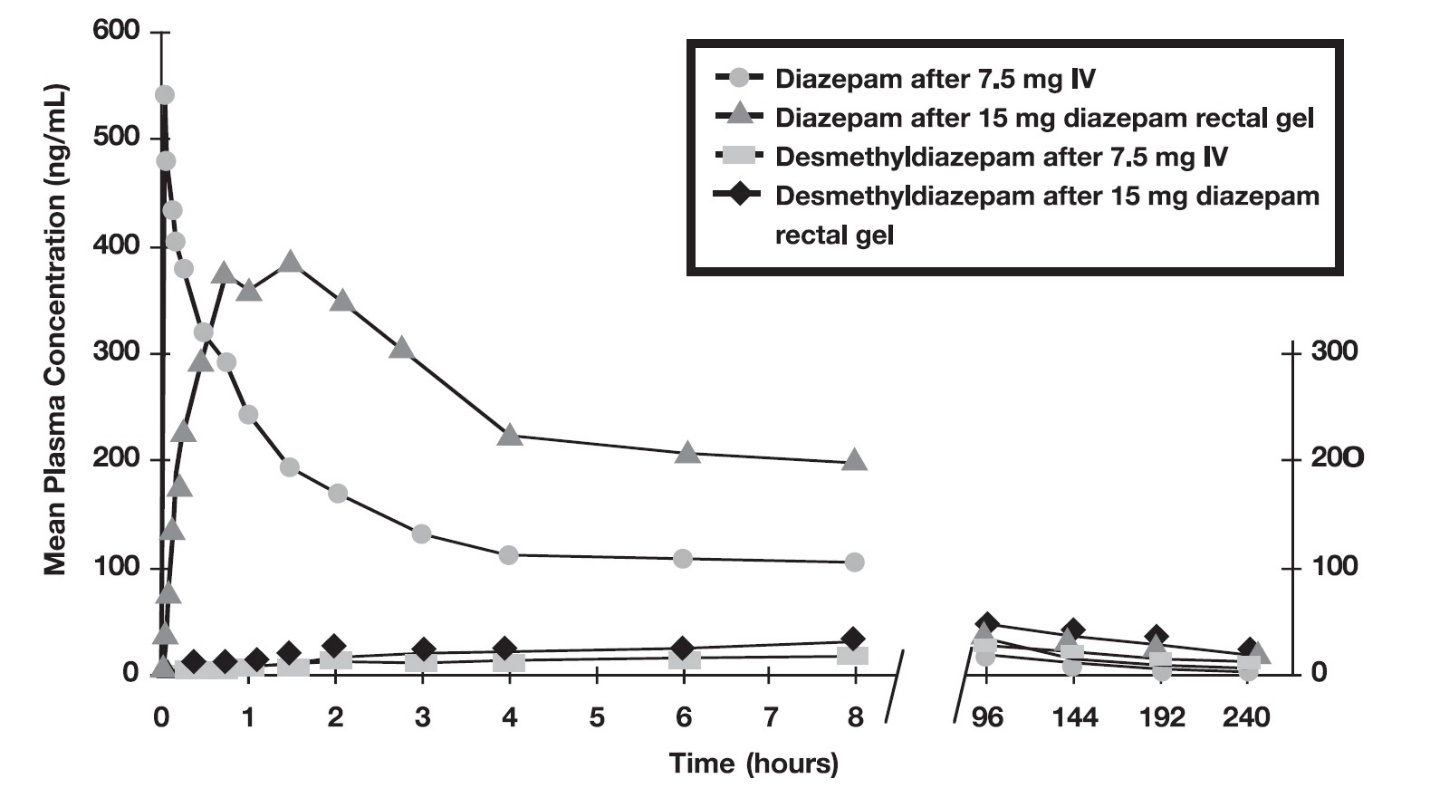
A pharmacokinetic line graph comparing mean plasma concentrations (ng/mL) of Diazepam and its metabolite Desmethyldiazepam over time (hours) after administration of 7.5 mg intravenous Diazepam and 15 mg Diazepam rectal gel. The plot shows mean concentration levels from 0 to 8 hours and then again from 96 to 240 hours, with distinct markers for each condition as indicated in the legend.*
FDA Label Image

Figure2 (Image 10)

Figure2 (Image 10)
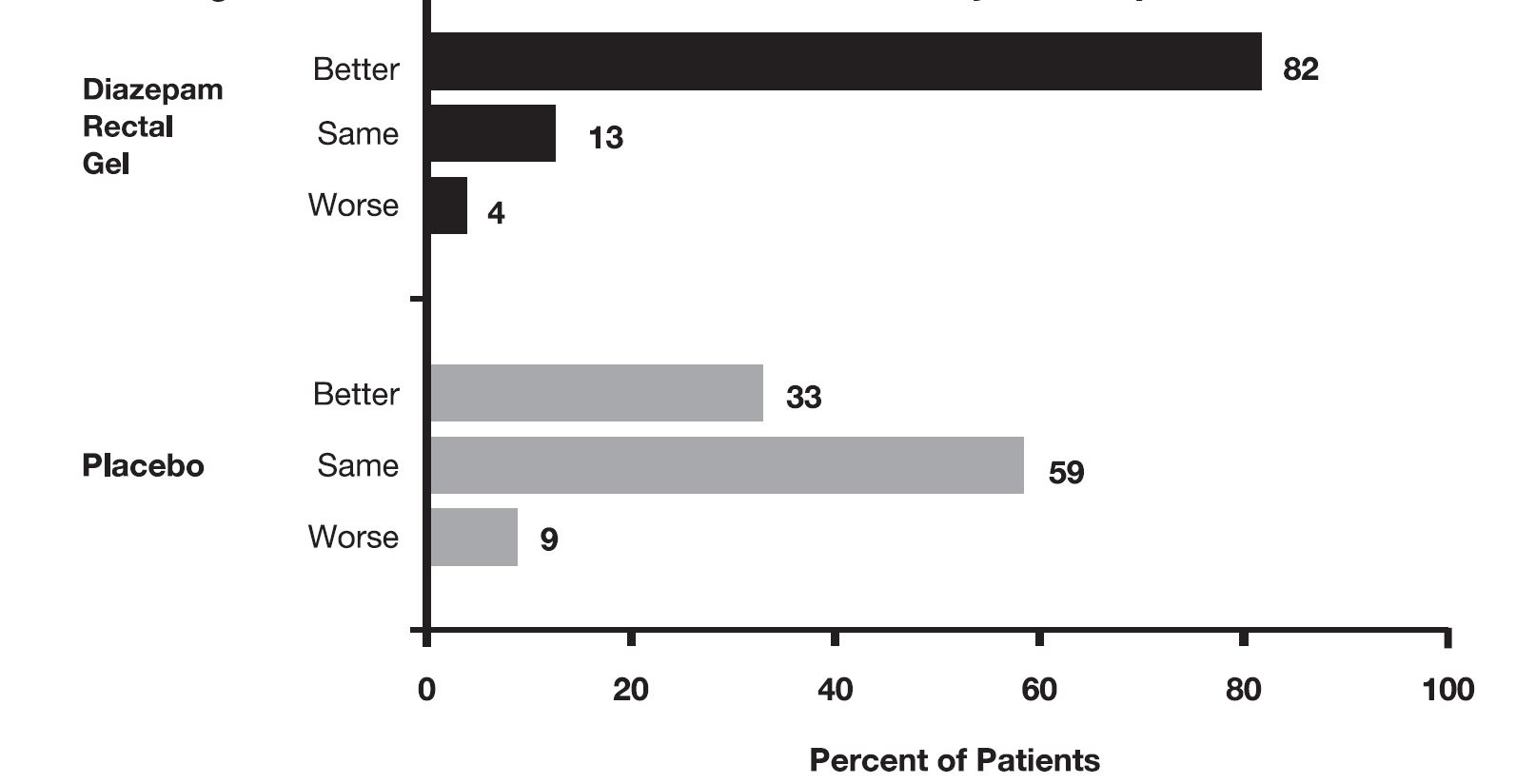
A horizontal bar chart comparing patient response to Diazepam Rectal Gel versus Placebo. The chart categorizes responses as Better, Same, or Worse with percentages provided for each. Diazepam Rectal Gel shows 82% Better, 13% Same, and 4% Worse. Placebo shows 33% Better, 59% Same, and 9% Worse, with patient percentage on the x-axis.*
FDA Label Image

Figure3 (Image 11)

Figure3 (Image 11)
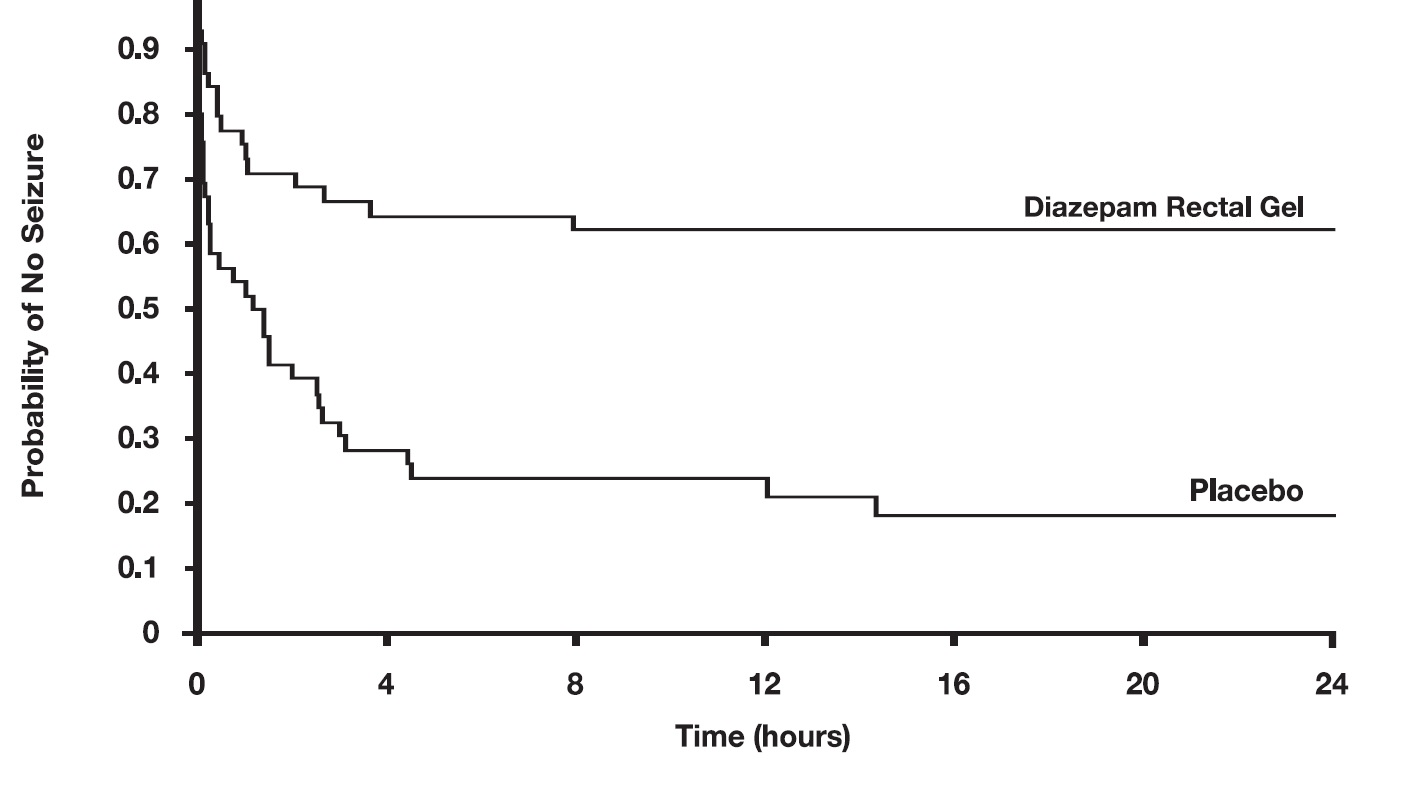
A Kaplan-Meier survival curve chart comparing the probability of no seizure over 24 hours between Diazepam Rectal Gel and placebo. The x-axis represents time in hours, and the y-axis represents the probability of no seizure. The Diazepam Rectal Gel curve maintains a higher probability of no seizure compared to placebo throughout the 24-hour period.*
FDA Label Image

Figure4 (Image 12)

Figure4 (Image 12)
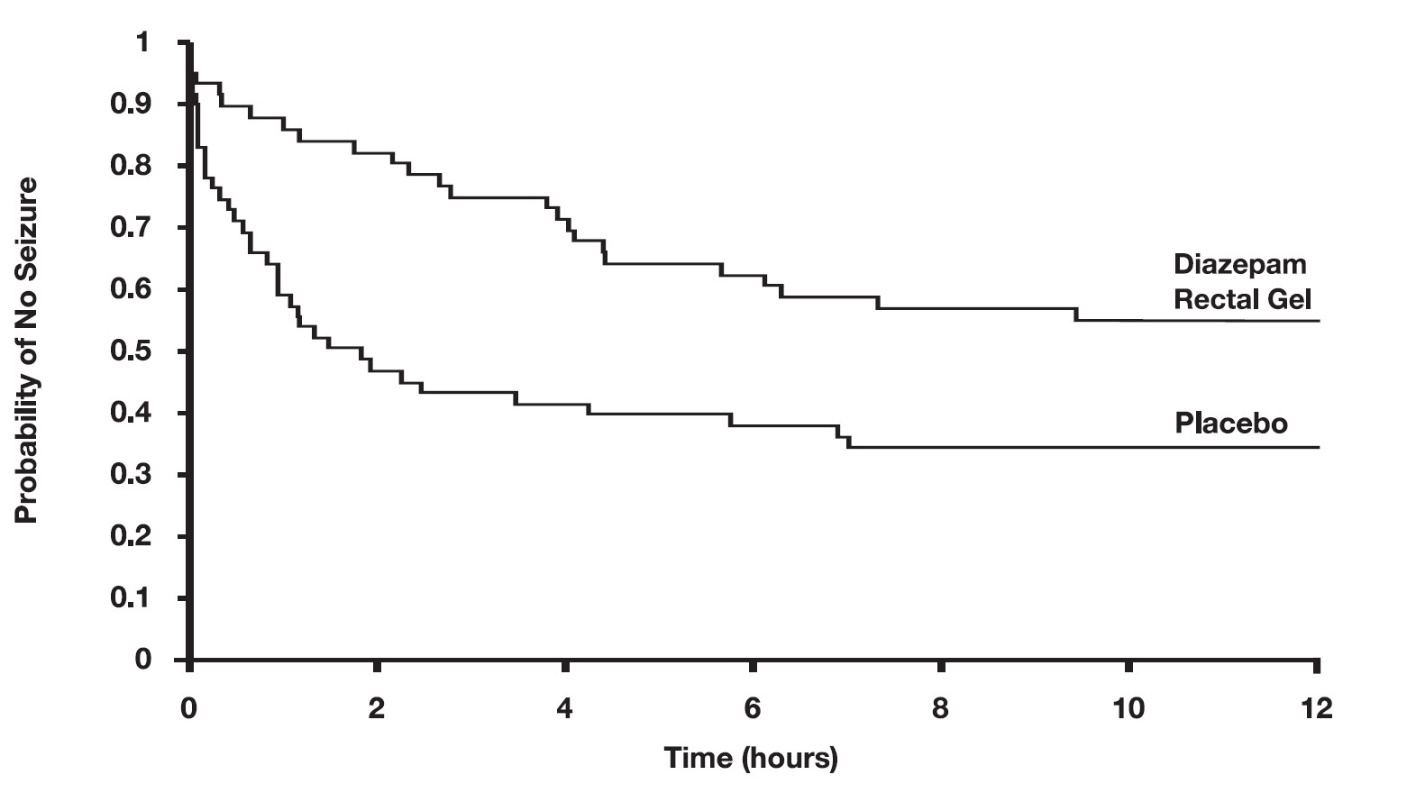
A Kaplan-Meier curve chart showing the probability of no seizure over a 12-hour period comparing Diazepam Rectal Gel to placebo. The vertical axis represents the probability of no seizure, ranging from 0 to 1, and the horizontal axis represents time in hours. Two survival curves are labeled: Diazepam Rectal Gel and Placebo.*
FDA Label Image

Pic1 (Image 06)

Pic1 (Image 06)
Label for Diazepam Rectal Gel 10 mg Delivery System by Oceanside Pharmaceuticals. The label emphasizes pharmacist instructions for dialing and locking syringes prior to dispensing. It includes warnings that once locked, the dose cannot be unlocked, and instructs caregivers to confirm the correct dose dialed. The label indicates two prefilled adjustable dose syringes are included with lubricating jelly for rectal delivery.*
FDA Label Image

Pic2 (Image 07)

Pic2 (Image 07)
Diazepam Rectal Gel 20 mg delivery system label from Oceanside Pharmaceuticals with NDC 68682-655-20. The label highlights pharmacist instructions to dial and lock dose for syringes prior to dispensing and warnings that once locked, the dose cannot be unlocked. It contains two prefilled, adjustable dose syringes for rectal delivery with lubricating jelly and instructions for use. Available doses shown are 12.5 mg, 15 mg, 17.5 mg, and 20 mg.*
FDA Label Image

Pic3 (Image 08)

Pic3 (Image 08)
Pharmacist instructions for Diazepam Rectal Gel showing four steps to prepare the dose: 1) Hold the syringe by the barrel without removing the cap, 2) Adjust the dose by turning the cap while observing the dose window, 3) Lock the dose by pushing up the locking ring, 4) Repeat for a second syringe if needed and discard the instruction card when finished. The instructions include labeled diagrams and caution to confirm the dose before leaving the pharmacy. The labeler Oceanside Pharmaceuticals is noted.*
FDA Label Image

Greenready (Diastat Figure 07)

Greenready (Diastat Figure 07)
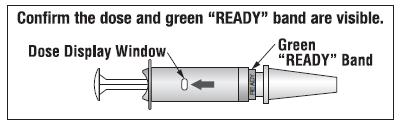
An instructional diagram showing a rectal gel syringe for Diazepam. It highlights the Dose Display Window and a Green "READY" Band on the syringe, with a note to confirm both are visible before use.*
FDA Label Image

Moresupport (Image 02)

Moresupport (Image 02)
A text panel providing contact information for Diazepam Rectal Gel and its delivery system. It includes a phone number for general information and support, as well as an additional resource contact for the Epilepsy Foundation with a phone number and website.*
FDA Label Image

Telldoctor.jpg (Telldoctor)

Telldoctor.jpg (Telldoctor)
This image shows a seizure tracking chart designed for use with Diazepam Rectal Gel. It includes sections to record date, time, seizure type, and the number of seizures both before and after administration of the gel.*
FDA Label Image

Treatment2.jpg (Treatment2)

Treatment2.jpg (Treatment2)
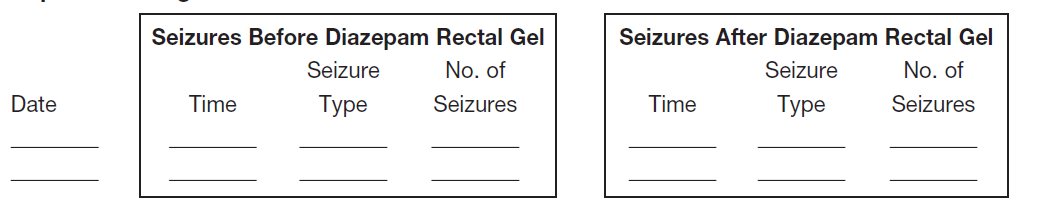
A data table for recording seizures before and after administration of Diazepam Rectal Gel. It includes columns for date, time, seizure type, and number of seizures in two sections labeled 'Seizures Before Diazepam Rectal Gel' and 'Seizures After Diazepam Rectal Gel.'*
FDA Label Image

Firststeps.jpg (Firststeps)

Firststeps.jpg (Firststeps)
Instructional diagram showing step-by-step rectal gel administration, including positioning a person on their side to prevent falling, preparing the syringe with dose display and lubricating the rectal tip, and exposing the rectum by repositioning the patient and separating the buttocks for gel insertion.*
FDA Label Image

Secondsteps.jpg (Secondsteps)

Secondsteps.jpg (Secondsteps)
Illustrated instructions for administering Diazepam rectal gel, including steps to gently insert the syringe tip into the rectum, slowly count to three while pushing the plunger, removing the syringe, and holding buttocks to prevent leakage. Additional steps advise keeping the person on their side, noting time given, and observing. Disposal instructions differ for 10 mg and 20 mg delivery systems versus the 2.5 mg system, detailing proper syringe disassembly and discarding used materials safely away from children.*
FDA Label Image

Callforhelp.jpg (Callforhelp)

Callforhelp.jpg (Callforhelp)
This image shows a safety instruction panel titled 'Call for Help If Any of the Following Occur' for Diazepam Rectal Gel. It lists conditions when medical help should be sought and includes fields for local emergency number, doctor's number, and emergency squad information, including time and dose of Diazepam given.*
FDA Label Image

Label-10mg (Image 03)

Label-10mg (Image 03)
Label for Diazepam Rectal Gel 10 mg dosage form by Oceanside Pharmaceuticals. The label indicates it is for rectal administration only and prescription use (Rx only). It includes storage instructions at 25°C (77°F) with permitted excursions, a space for lot and expiration dates, dose direction arrow, and distributor/manufacturer information. The label also features the Oceanside Pharmaceuticals logo.*
FDA Label Image

Label-20mg (Image 04)

Label-20mg (Image 04)
Diazepam Rectal Gel 20 mg delivery system label for rectal administration only. The label includes storage instructions, manufacturer and distributor information (Oceanside Pharmaceuticals), and cautions such as keeping out of reach of children and not covering the medication window. The label displays NDC 68682-655-20 and is marked Rx only.*
FDA Label Image

Label-2.5mg (Image 05)

Label-2.5mg (Image 05)
Label for Diazepam Rectal Gel 2.5 mg, a prescription rectal gel medication. The label includes storage instructions (store at 25°C with specified excursions), manufacturer's and distributor's information (Oceanside Pharmaceuticals and DPT Laboratories), barcode, and placeholders for lot and expiration dates. The label indicates the drug is for rectal administration only and references the package insert for prescribing information.*

* About these descriptions: Image descriptions on this page are generated by automated AI analysis of the product label images from the manufacturer's FDA label submission (SPL). They are provided for reference only and may contain errors or omissions. Always rely on the printed label itself and the official FDA labeling, and consult a pharmacist or healthcare professional with any questions about this product.