Paroxetine Tablet, Film Coated
Product Images NDC 68788-0797

6 FDA label images from Preferred Pharmaceuticals, Inc · Packaging, Regulatory Labels, and Product Appearance

Product Visual Gallery

This gallery contains 6 technical images submitted to the FDA as part of the official labeling for Paroxetine (NDC 68788-0797). Unlike standard consumer photos, these assets often include clinical data figures, molecular chemical structures, and official manufacturer packaging layouts.

As provided by Preferred Pharmaceuticals, Inc, these visuals offer a comprehensive scientific overview of the product's physical and chemical identity, aiding pharmacists and researchers in product verification and study.

FDA Label Image

Image (3dbda37c 9453 474f A247 Fceb50497ae8 01)
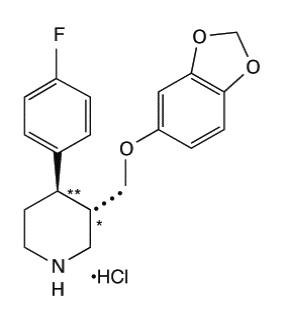
Image (3dbda37c 9453 474f A247 Fceb50497ae8 01)
Chemical structure diagram of Paroxetine Hydrochloride, showing the molecular arrangement including a fluorophenyl group and a morpholine ring system with associated hydrochloride.*
FDA Label Image

Image (3dbda37c 9453 474f A247 Fceb50497ae8 02)

Image (3dbda37c 9453 474f A247 Fceb50497ae8 02)
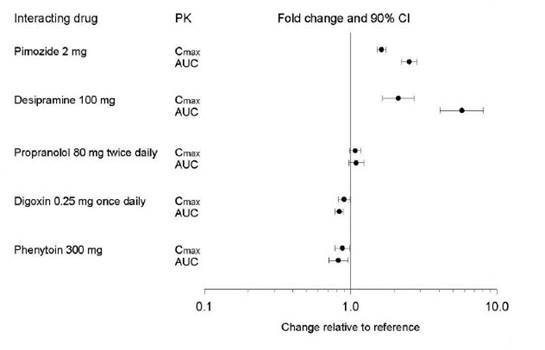
A chart showing the fold change and 90% confidence interval in pharmacokinetic parameters (Cmax and AUC) for Paroxetine when co-administered with various interacting drugs including Pimozide 2 mg, Desipramine 100 mg, Propranolol 80 mg twice daily, Digoxin 0.25 mg once daily, and Phenytoin 300 mg. The x-axis represents change relative to reference on a logarithmic scale from 0.1 to 10.*
FDA Label Image

Image (3dbda37c 9453 474f A247 Fceb50497ae8 03)

Image (3dbda37c 9453 474f A247 Fceb50497ae8 03)
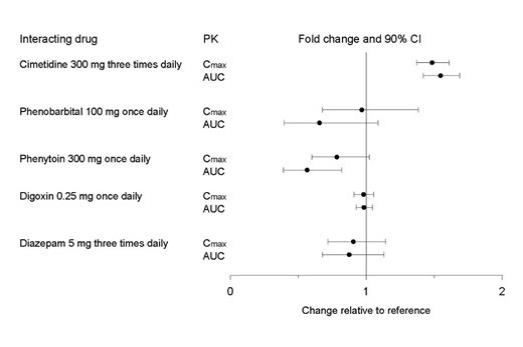
A forest plot chart illustrating the fold change and 90% confidence interval in pharmacokinetic parameters Cmax and AUC of Paroxetine when co-administered with interacting drugs: Cimetidine 300 mg three times daily, Phenobarbital 100 mg once daily, Phenytoin 300 mg once daily, Digoxin 0.25 mg once daily, and Diazepam 5 mg three times daily. The x-axis represents the change relative to reference values with a scale from 0 to 2.*
FDA Label Image

Image (3dbda37c 9453 474f A247 Fceb50497ae8 04)

Image (3dbda37c 9453 474f A247 Fceb50497ae8 04)
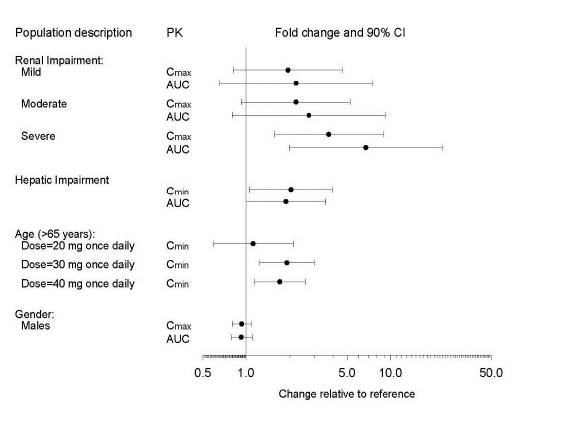
A pharmacokinetic chart illustrating fold change and 90% confidence intervals (CI) for paroxetine under different population conditions: renal impairment (mild, moderate, severe), hepatic impairment, age over 65 years at varying doses (20 mg, 30 mg, 40 mg once daily), and gender (males). The x-axis shows change relative to reference values on a logarithmic scale from 0.5 to 50, with endpoints for Cmax, Cmin, and AUC parameters across these groups.*
FDA Label Image

A Close-up Of A Prescriptionai-generated Content May Be Incorrect. (3dbda37c 9453 474f A247 Fceb50497ae8 05)

A Close-up Of A Prescriptionai-generated Content May Be Incorrect. (3dbda37c 9453 474f A247 Fceb50497ae8 05)
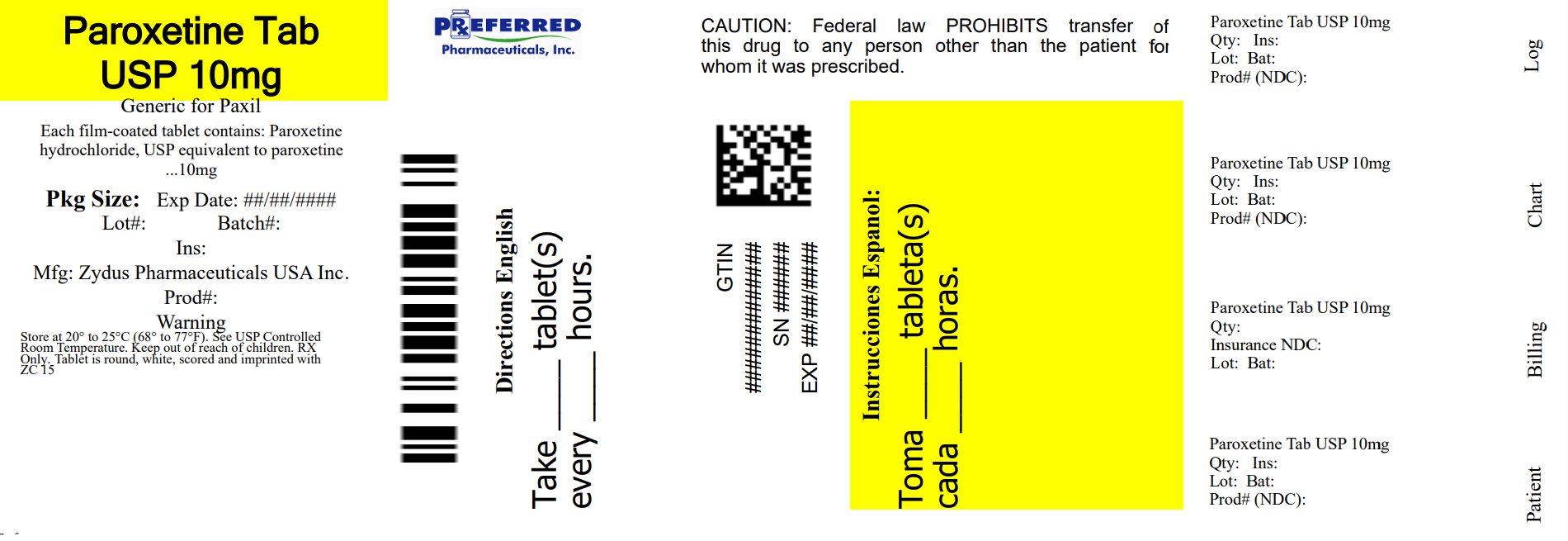
Label for Paroxetine Tab USP 10 mg tablets, film-coated oral tablets. The label shows the product name, strength, and active ingredient paroxetine hydrochloride equivalent to 10 mg paroxetine. It includes storage instructions, manufacturer Zydus Pharmaceuticals USA Inc., and warnings. Directions for use are provided in English and Spanish with spaces for dosage and frequency.*
FDA Label Image

Paroxetine Tab Usp 20mg (C88d98d1 E370 4ad8 869a 603875f276cc 00)

Paroxetine Tab Usp 20mg (C88d98d1 E370 4ad8 869a 603875f276cc 00)
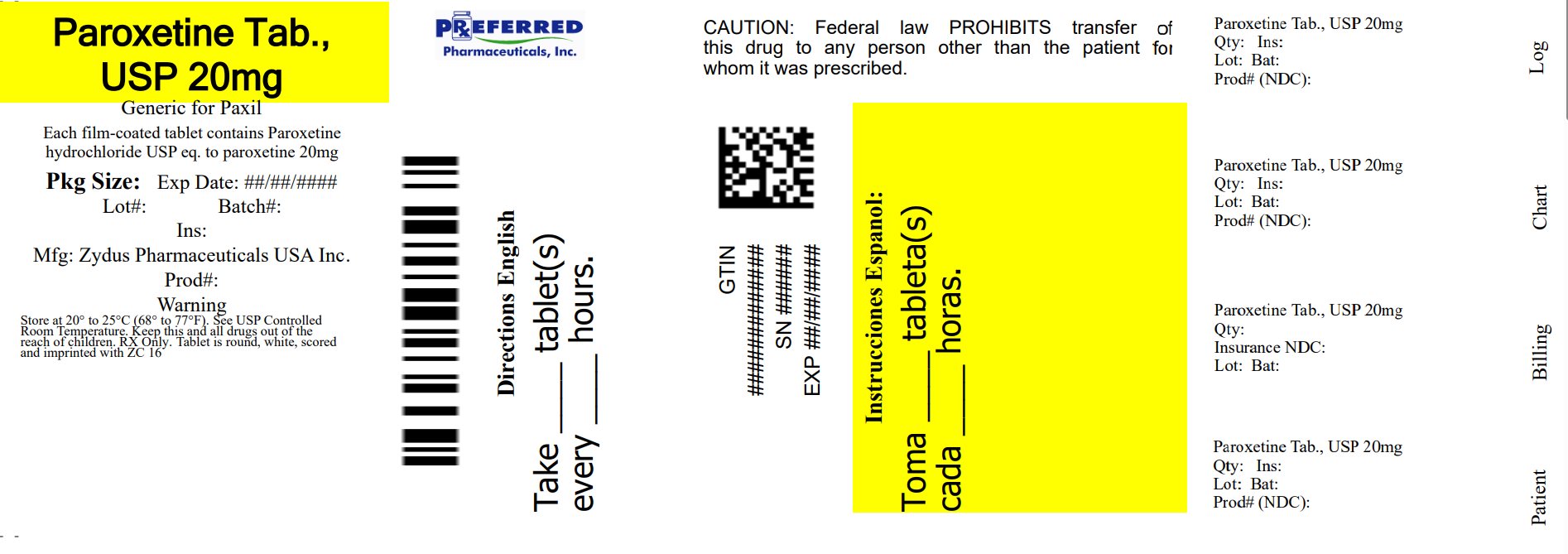
Label for Paroxetine Tablets, USP 20 mg, film-coated oral tablets, generic for Paxil. The label indicates packaging and storage instructions, manufacturer Zydus Pharmaceuticals USA Inc., though the labeler is Preferred Pharmaceuticals, Inc. It includes dosage directions in English and Spanish, warning notes, and space for lot and batch numbers. The label also features barcodes and a QR code.*

* About these descriptions: Image descriptions on this page are generated by automated AI analysis of the product label images from the manufacturer's FDA label submission (SPL). They are provided for reference only and may contain errors or omissions. Always rely on the printed label itself and the official FDA labeling, and consult a pharmacist or healthcare professional with any questions about this product.