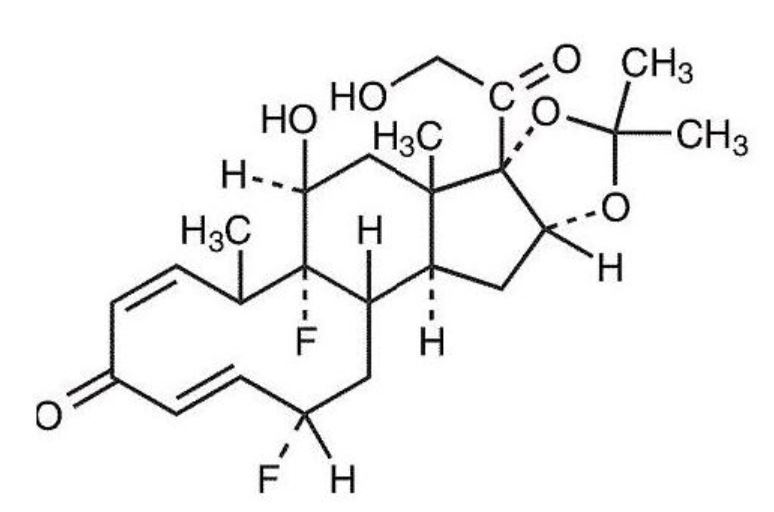
Systemic absorption of topical corticosteroids can produce reversible hypothalamic-pituitary-adrenal (HPA) axis suppression with the potential for glucocorticosteroid insufficiency after withdrawal of treatment. Manifestations of Cushing's syndrome, hyperglycemia, and glucosuria can also be produced in some patients by systemic absorption of topical corticosteroids while on treatment.
Patients applying a topical steroid to a large surface area or to areas under occlusion should be evaluated periodically for evidence of HPA axis suppression. This may be done by using the ACTH stimulation, A.M. plasma cortisol, and urinary free cortisol tests.
If HPA axis suppression is noted, an attempt should be made to withdraw the drug, to reduce the frequency of application, or to substitute a less potent corticosteroid. Infrequently, signs and symptoms of glucocorticoid insufficiency may occur requiring supplemental systemic corticosteroids. For information on systemic supplementation, see prescribing information for those products.
Children may be more susceptible to systemic toxicity from equivalent doses due to their larger skin surface to body mass ratios. "(See PRECAUTIONS-Pediatric use)"
Allergic contact dermatitis to any component of topical corticosteroids is usually diagnosed by a failure to heal rather than noting a clinical exacerbation, which may occur with most topical products not containing corticosteroids. Such an observation should be corroborated with appropriate diagnostic testing. One peanut-sensitive child experienced a flare of his atopic dermatitis after 5 days of twice daily treatment with Derma-Smoothe/FS® Topical Oil (see CLINICAL STUDIES section).
If wheal and flare type reactions (which may be limited to pruritus) or other manifestations of hypersensitivity develop, DermOtic® Oil should be discontinued immediately and appropriate therapy instituted.
If concomitant skin infections are present or develop, an appropriate antifungal or antibacterial agent should be used. If a favorable response does not occur promptly, use of DermOtic® Oil should be discontinued until the infection has been adequately controlled.
DermOtic® Oil is formulated with 48% refined peanut oil NF. Peanut oil used in this product is routinely tested for peanut proteins through amino acid analysis; the quantity of amino acids is below 0.5 parts per million (ppm). Physicians should use caution in prescribing DermOtic® Oil for peanut-sensitive individuals.