Absorption
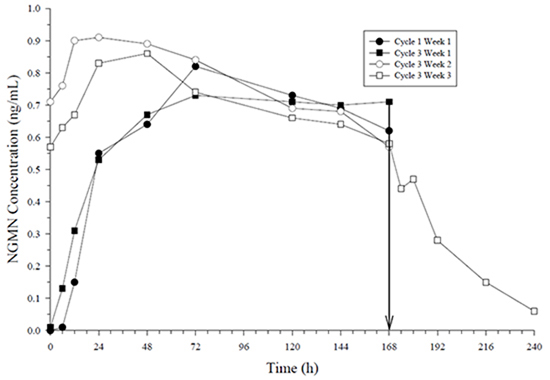
The systemic delivery rate of NGMN and EE from norelgestromin and ethinyl estradiol transdermal system is approximately 150 mcg of NGMN and 35 mcg of EE per day based on a comparative analysis with intravenous (IV) data. Following a single application of norelgestromin and ethinyl estradiol transdermal system, both NGMN and EE reach a plateau by approximately 48 hours. Pooled data from the 3 clinical studies have demonstrated that steady-state is reached within 2 weeks of application. In one of the clinical studies, Css concentrations across all subjects ranged from 0.305 to 1.53 ng/mL for NGMN and from 23 to 137 pg/mL for EE.
Absorption of NGMN and EE following application of norelgestromin and ethinyl estradiol transdermal system to the buttock, upper outer arm, abdomen and upper torso (excluding breast) was examined. While absorption from the abdomen was slightly lower than from other sites, absorption from these anatomic sites was considered to be therapeutically equivalent.
The mean (%CV) PK parameters Css and AUC0-168 for NGMN and EE following a single buttock application of norelgestromin and ethinyl estradiol transdermal system are summarized in Table 5.
In multiple dose studies, AUC0-168 for NGMN and EE was found to increase over time (Table 5). In a three-cycle study, these PK parameters reached steady-state conditions during Cycle 3 (Figures 4 and 3). Upon removal of the patch, serum levels of EE and NGMN reach very low or non-measurable levels within 3 days.
| Table 5: Mean (%CV*) PK Parameters of NGMN and EE Following 3 Consecutive Cycles of Norelgestromin and Ethinyl Estradiol Transdermal System Wear on the Buttock |
| Analyte | Parameter | Cycle 1
Week 1 | Cycle 3
Week 1 | Cycle 3
Week 2 | Cycle 3
Week 3 |
| NGMN | Css (ng/mL)
AUC0-168 (ng·h/mL)
t1/2 (h) | 0.70 (39.4)
107 (44.2)
nc | 0.70 (41.8)
105 (43.2)
nc | 0.80 (28.7)
132 (43.4)
nc | 0.70 (45.3)
120 (43.9)
32.1 (40.3) |
| EE | Css (pg/mL)
AUC0-168 (pg·h/mL)
t1/2 (h) | 46.4 (38.5)
6,796 (39.3)
nc | 47.6 (36.4)
7,160 (40.4)
nc | 59.0 (42.5)
10,054 (41.8)
nc | 49.6 (54.4)
8,840 (58.6)
21.0 (43.2) |
| nc = not calculated, *%CV is % of Coefficient of variation = 100 (standard deviation/mean) |
Figure 2: Mean Serum NGMN Concentrations (ng/mL) in Healthy Female Volunteers Following Application of Norelgestromin and Ethinyl Estradiol Transdermal System on the Buttock for Three Consecutive Cycles (Vertical arrow indicates time of patch removal)
Figure 3 (Norelgestromin And Ethinyl Estradiol Transdermal S 8)
Figure 3: Mean Serum EE Concentrations (pg/mL) in Healthy Female Volunteers Following Application of Norelgestromin and Ethinyl Estradiol Transdermal System on the Buttock for Three Consecutive Cycles (Vertical arrow indicates time of patch removal.)
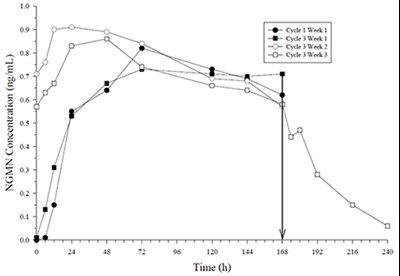
Figure 4 (Norelgestromin And Ethinyl Estradiol Transdermal S 9)
The absorption of NGMN and EE following application of norelgestromin and ethinyl estradiol transdermal system was studied under conditions encountered in a health club (sauna, whirlpool and treadmill) and in a cold water bath.
The results indicated that for NGMN, there were no significant treatment effects on Css or AUC when compared to normal wear. For EE, increased exposures were observed due to sauna, whirlpool and treadmill. There was no significant effect of cold water on these parameters.
Results from a study of consecutive norelgestromin and ethinyl estradiol transdermal system wear for 7 days and 10 days indicated that serum concentrations of NGMN and EE dropped slightly during the first 6 hours after the patch replacement, and recovered within 12 hours. By Day 10 of patch administration, both NGMN and EE concentrations had decreased by approximately 25% when compared to Day 7 concentrations.
Metabolism
Since norelgestromin and ethinyl estradiol are delivered transdermally, first-pass metabolism (via the gastrointestinal tract and/or liver) of NGMN and EE that would be expected with oral administration does not occur. Hepatic metabolism of NGMN occurs and metabolites include norgestrel, which is highly bound to SHBG, and various hydroxylated and conjugated metabolites. EE is also metabolized to various hydroxylated products and their glucuronide and sulfate conjugates.
Distribution
NGMN and norgestrel (a serum metabolite of NGMN) are highly bound (>97%) to serum proteins. NGMN is bound to albumin and not to SHBG, while norgestrel is bound primarily to SHBG, which limits its biological activity. EE is extensively bound to serum albumin and induces an increase in the serum concentrations of SHBG (see Table 5).
Elimination
Following removal of patches, the elimination kinetics of NGMN and EE were consistent for all studies with half-life values of approximately 28 hours and 17 hours, respectively. The metabolites of NGMN and EE are eliminated by renal and fecal pathways.
Transdermal versus Oral Contraceptives
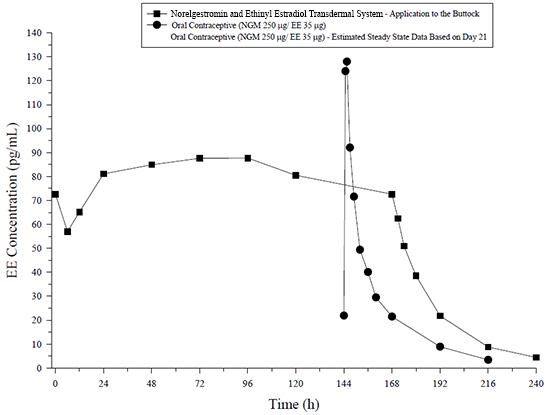
The norelgestromin and ethinyl estradiol transdermal patch delivers EE and NGMN over a seven-day period while oral contraceptives (containing NGM 250 mcg / EE 35 mcg) are administered on a daily basis. Figures 4 and 5 present mean PK profiles for EE and NGMN following administration of an oral contraceptive (containing NGM 250 mcg / EE 35 mcg) compared to the 7-day norelgestromin and ethinyl estradiol transdermal patch (containing NGMN 3.15 mg / EE 0.289 mg) during Cycle 2 in 32 healthy female volunteers.
Figure 4: Mean Serum Concentration-Time Profiles of NGMN Following Once-Daily Administration of an Oral Contraceptive for 2 Cycles or Application of Norelgestromin and Ethinyl Estradiol Transdermal System for 2 Cycles to the Buttock in Healthy Female Volunteers. [Oral contraceptive: Cycle 2, Days 15 to 21, Norelgestromin and Ethinyl Estradiol Transdermal System: Cycle 2, Week 3]
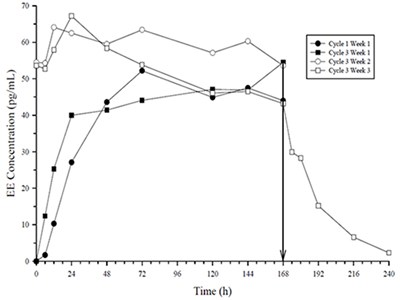
Figure 5 (Norelgestromin And Ethinyl Estradiol Transdermal S 10)
Figure 5: Mean Serum Concentration-Time Profiles of EE Following Once-Daily Administration of an Oral Contraceptive for 2 Cycles or Application of Norelgestromin and Ethinyl Estradiol Transdermal System for 2 Cycles to the Buttock in Healthy Female Volunteers. [Oral contraceptive: Cycle 2, Days 15 to 21, Norelgestromin and Ethinyl Estradiol Transdermal System: Cycle 2, Week 3]
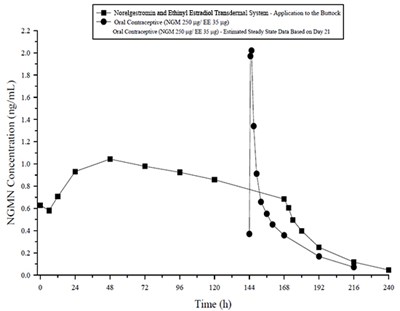
Figure 6 (Norelgestromin And Ethinyl Estradiol Transdermal S 11)
Table 6 provides the mean (%CV) for NGMN and EE pharmacokinetic (PK) parameters.
| Table 6: Mean (%CV) NGMN and EE Steady-State Pharmacokinetic Parameters Following Application of Norelgestromin and Ethinyl Estradiol Transdermal System and Once-Daily Administration of an Oral Contraceptive (containing NGM 250 mcg / EE 35 mcg) in Healthy Female Volunteers |
| Parameter | Norelgestromin and Ethinyl Estradiol Transdermal System* | ORAL CONTRACEPTIVE† |
| NGMN‡ | | |
| Cmax (ng/mL) | 1.12 (33.6) | 2.16 (25.2) |
| AUC0-168 (ng·h/mL) | 145 (36.8) | 123 (30.2)§ |
| Css (ng/mL) | 0.888 (36.6) | 0.732 (30.2)¶ |
| EE | | |
| Cmax (pg/mL) | 97.4 (31.6) | 133 (27.7) |
| AUC0-168 (pg·h/mL) | 12,971 (33.1) | 8,281 (26.9)§ |
| Css (pg/mL) | 80.0 (33.5) | 49.3 (26.9)¶ |
| * Cycle 2, Week 3 |
| † Cycle 2, Day 21 |
| ‡ NGM is rapidly metabolized to NGMN following oral administration |
| § Average weekly exposure, calculated as AUC24 × 7 |
| ¶ Cavg |
In general, overall exposure for NGMN and EE (AUC and Css) was higher in subjects treated with norelgestromin and ethinyl estradiol transdermal system for both Cycle 1 and Cycle 2, compared to that for the oral contraceptive, while Cmax values were higher in subjects administered the oral contraceptive. Under steady-state conditions, AUC0-168 and Css for EE were approximately 55% and 60% higher, respectively, for the transdermal patch, and the Cmax was about 35% higher for the oral contraceptive, respectively. Inter-subject variability (%CV) for the PK parameters following delivery from norelgestromin and ethinyl estradiol transdermal system was higher relative to the variability determined from the oral contraceptive. The mean PK profiles are different between the two products and caution should be exercised when making a direct comparison of these PK parameters.
In Table 7, percent change in concentrations (%CV) of markers of systemic estrogenic activity (Sex Hormone Binding Globulin [SHBG] and Corticosteroid Binding Globulin [CBG]) from Cycle 1 Day 1 to Cycle 1 Day 22 is presented. Percent change in SHBG concentrations was higher for norelgestromin and ethinyl estradiol transdermal system users compared to women taking the oral contraceptive; percent change in CBG concentrations was similar for norelgestromin and ethinyl estradiol transdermal system and oral contraceptive users. Within each group, the absolute values for SHBG were similar for Cycle 1, Day 22 and Cycle 2, Day 22.
| Table 7: Mean Percent Change (%CV) in SHBG and CBG Concentrations Following Once-Daily Administration of an Oral Contraceptive (containing NGM 250 mcg / EE 35 mcg) for One Cycle and Application of Norelgestromin and Ethinyl Estradiol Transdermal System for One Cycle in Healthy Female Volunteers |
| Parameter | Norelgestromin and Ethinyl Estradiol Transdermal System
(% change from Day 1 to Day 22) | ORAL CONTRACEPTIVE
(% change from Day 1 to Day 22) |
| SHBG | 334 (39.3) | 200 (43.2) |
| CBG | 153 (40.2) | 157 (33.4) |
Drug Interactions
In a PK drug interaction study, oral administration of tetracycline HCl, 500 mg four times daily for 3 days prior to and 7 days during wear of norelgestromin and ethinyl estradiol transdermal system did not significantly affect the PK of NGMN or EE.
Use in Specific Populations
Effects of Age, Body Weight, Body Surface Area and Race
The effects of age, body weight, body surface area and race on the PK of NGMN and EE were evaluated in 230 healthy women from nine pharmacokinetic studies of single 7-day applications of norelgestromin and ethinyl estradiol transdermal system. For both NGMN and EE, increasing age, body weight and body surface area each were associated with slight decreases in Css and AUC values. However, only a small fraction (10% to 25%) of the overall variability in the PK of NGMN and EE following application of norelgestromin and ethinyl estradiol transdermal system may be associated with any or all of the above demographic parameters. There was no significant effect of race with respect to Caucasians, Hispanics and Blacks.