Other
Addiction, Abuse, and Misuse
Because the use of BUTALBITAL, ASPIRIN, CAFFEINE and CODEINE PHOSPHATE exposes patients and other users to the risks of opioid addiction, abuse, and misuse, which can lead to overdose and death, assess each patient's risk prior to prescribing and reassess all patients regularly for the development of these behaviors and conditions
[see Warnings and Precautions (5.1)].
Life-Threatening Respiratory Depression
Serious, life-threatening, or fatal respiratory depression may occur with use of BUTALBITAL, ASPIRIN, CAFFEINE and CODEINE PHOSPHATE, especially during initiation or following a dosage increase. To reduce the risk of respiratory depression, proper dosing and titration of BUTALBITAL, ASPIRIN, CAFFEINE and CODEINE PHOSPHATE are essential [see Warnings and Precautions (5.2)]
Accidental Ingestion
Accidental ingestion of even one dose of BUTALBITAL, ASPIRIN, CAFFEINE and CODEINE PHOSPHATE, especially by children, can result in a fatal overdose of aspirin, butalbital, caffeine and codeine phosphate [see Warnings and Precautions (5.2)].
Risks From Concomitant Use With Benzodiazepines Or Other CNS Depressants
Concomitant use of opioids with benzodiazepines or other central nervous system (CNS) depressants, including alcohol, may result in profound sedation, respiratory depression, coma, and death. Reserve concomitant prescribing of BUTALBITAL, ASPIRIN, CAFFEINE and CODEINE PHOSPHATE and benzodiazepines or other CNS depressants for use in patients for whom alternative treatment options are inadequate. [see Warnings and Precautions (5.3, 5.9), Drug Interactions (7)].
Neonatal Opioid Withdrawal Syndrome (NOWS)
Advise pregnant women using opioids for an extended period of time of the risk of Neonatal Opioid Withdrawal Syndrome, which may be life-threatening if not recognized and treated. Ensure that management by neonatology experts will be available at delivery [see Warnings and Precautions (5.4)].
Opioid Analgesic Risk Evaluation and Mitigation Strategy (REMS)
Healthcare providers are strongly encouraged to complete a REMScompliant education program and to counsel patients and caregivers on serious risks, safe use, and the importance of reading the Medication Guide with each prescription [see Warnings and Precautions (5.5)].
Ultra-Rapid Metabolism of Codeine and Other Risk Factors for Life-Threatening Respiratory Depression in Children
Life-threatening respiratory depression and death have occurred in children who received codeine. Most of the reported cases occurred following tonsillectomy and/or adenoidectomy, and many of the children had evidence of being an ultra-rapid metabolizer of codeine due to a CYP2D6 polymorphism. [see Warnings and Precautions (5.6)]. BUTALBITAL, ASPIRIN, CAFFEINE and CODEINE PHOSPHATE is contraindicated in children younger than 12 years of age and in children younger than 18 years of age following tonsillectomy and/or adenoidectomy [see Contraindications (4)]. Avoid the use of BUTALBITAL, ASPIRIN, CAFFEINE and CODEINE PHOSPHATE in adolescents 12 to 18 years of age who have other risk factors that may increase their sensitivity to the respiratory depressant effects of codeine.
Interactions with Drugs Affecting Cytochrome P450 Isoenzymes
The effects of concomitant use or discontinuation of cytochrome P450 3A4 inducers, 3A4 inhibitors, or 2D6 inhibitors with codeine are complex. Use of cytochrome P450 3A4 inducers, 3A4 inhibitors, or 2D6 inhibitors with BUTALBITAL, ASPIRIN, CAFFEINE and CODEINE PHOSPHATE requires careful consideration of the effects on codeine, and the active metabolite, morphine [see Warnings and Precautions (5.7, 5.9), Drug Interactions (7)].
Limitations of Use
Because of the risks of addiction, abuse, misuse, overdose, and death, which can occur at any dosage or duration and persist over the course of therapy [see Warnings and Precautions (5.1)] , reserve opioid analgesics, including BUTALBITAL, ASPIRIN, CAFFEINE and CODEINE PHOSPHATE for use in patients for whom alternative treatment options are ineffective, not tolerated, or would be otherwise inadequate to provide sufficient management of pain.
BUTALBITAL, ASPIRIN, CAFFEINE and CODEINE PHOSPHATE should not be used for an extended period of time unless the pain remains severe enough to require an opioid analgesic and for which alternative treatment options continue to be inadequate.
Patient Access to an Opioid Overdose Reversal Agent for the Emergency Treatment of Opioid Overdose
Inform patients and caregivers about opioid overdose reversal agents (e.g., naloxone, nalmefene). Discuss the importance of having access to an opioid overdose reversal agent, especially if the patient has risk factors for overdose (e.g., concomitant use of CNS depressants, a history of opioid use disorder, or prior opioid overdose) or if there are household members (including children) or other close contacts at risk for accidental ingestion or opioid overdose. The presence of risk factors for overdose should not prevent the management of pain in any patient [see Warnings and Precautions (5.1, 5.3)].
Discuss the options for obtaining an opioid overdose reversal agent (e.g., prescription, over-the-counter, or as part of a community-based program).
There are important differences among the opioid overdose reversal agents, such as route of administration, product strength, approved patient age range, and pharmacokinetics. Be familiar with these differences, as outlined in the approved labeling for those products, prior to recommending or prescribing such an agent.
Educate patients and caregivers on how to recognize respiratory depression, and how to use an opioid overdose reversal agent for the emergency treatment of opioid overdose. Emphasize the importance of calling 911 or getting emergency medical help, even if an opioid overdose reversal agent is administered [see Dosage and Administration (2.2), Warnings and Precautions (5.1, 5.3), Overdosage (10)].
Nursing Mothers
At least one death was reported in a nursing infant who was exposed to high levels of morphine in breast milk because the mother was an ultra-rapid metabolizer of codeine. Breastfeeding is not recommended during treatment with BUTALBITAL, ASPIRIN, CAFFEINE and CODEINE PHOSPHATE [see Use in Specific Populations (8.2)].
CYP2D6 Genetic Variability: Ultra-rapid metabolizer
Some individuals may be ultra-rapid metabolizers because of a specific CYP2D6 genotype (gene duplications denoted as *1/*1xN or *1/*2xN). The prevalence of this CYP2D6 phenotype varies widely and has been estimated at 1 to 10% for Whites (European, North American), 3 to 4% for Blacks (African Americans), 1 to 2% for East Asians (Chinese, Japanese, Korean), and may be greater than 10% in certain racial/ethnic groups (i.e., Oceanian, Northern African, Middle Eastern, Ashkenazi Jews, Puerto Rican).
These individuals convert codeine into its active metabolite, morphine, more rapidly and completely than other people. This rapid conversion results in higher than expected serum morphine levels. Even at labeled dosage regimens, individuals who are ultra-rapid metabolizers may have life-threatening or fatal respiratory depression or experience signs of overdose (such as extreme sleepiness, confusion, or shallow breathing). [see Overdosage (10)]. Therefore, individuals who are ultra-rapid metabolizers should not use BUTALBITAL, ASPIRIN, CAFFEINE and CODEINE PHOSPHATE.
Premature Closure of Fetal Ductus Arteriosus
Avoid use of NSAIDs, including BUTALBITAL, ASPIRIN, CAFFEINE and CODEINE PHOSPHATE, in pregnant women at about 30 weeks gestation and later. NSAIDs, including BUTALBITAL, ASPIRIN, CAFFEINE and CODEINE PHOSPHATE, increase the risk of premature closure of the fetal ductus arteriosus at approximately this gestational age.
Oligohydramnios/Neonatal Renal Impairment
Use of NSAIDs, including BUTALBITAL, ASPIRIN, CAFFEINE and CODEINE PHOSPHATE, at about 20 weeks gestation or later in pregnancy may cause fetal renal dysfunction leading to oligohydramnios and, in some cases, neonatal renal impairment. These adverse outcomes are seen, on average, after days to weeks of treatment, although oligohydramnios has been infrequently reported as soon as 48 hours after NSAID initiation. Oligohydramnios is often, but not always, reversible with treatment discontinuation. Complications of prolonged oligohydramnios may, for example, include limb contractures and delayed lung maturation. In some postmarketing cases of impaired neonatal renal function, invasive procedures such as exchange transfusion or dialysis were required.
If NSAID treatment is necessary between about 20 weeks and 30 weeks gestation, limit BUTALBITAL, ASPIRIN, CAFFEINE and CODEINE PHOSPHATE use to the lowest effective dose and shortest duration possible. Consider ultrasound monitoring of amniotic fluid if BUTALBITAL, ASPIRIN, CAFFEINE and CODEINE PHOSPHATE treatment extends beyond 48 hours. Discontinue BUTALBITAL, ASPIRIN, CAFFEINE and CODEINE PHOSPHATE if oligohydramnios occurs and follow up according to clinical practice [see Use in Specific Populations (8.1)].
Incidence in Controlled Clinical Trials
The following table summarizes the incidence rates of the adverse events reported by at least 1% of the BUTALBITAL, ASPIRIN, CAFFEINE and CODEINE PHOSPHATE treated patients in controlled clinical trials comparing BUTALBITAL, ASPIRIN, CAFFEINE and CODEINE PHOSPHATE to placebo, and provides a comparison to the incidence rates reported by the placebo-treated patients.
The prescriber should be aware that these figures cannot be used to predict the incidence of side effects in the course of usual medical practice where patient characteristics and other factors differ from those that prevailed in the clinical trials. Similarly, the cited frequencies cannot be compared with figures obtained from other clinical investigations involving different treatments, uses, and investigators.
| Body System/Adverse Event | BUTALBITAL, ASPIRIN, CAFFEINE and CODEINE PHOSPHATE (N=382) | Placebo (N =377) |
| Central Nervous | ||
| Drowsiness | 2.4% | 0.5% |
| Dizziness/Lightheadedness | 2.6% | 0.5% |
| Intoxicated Feeling | 1.0% | 0% |
| Gastrointestinal | ||
| Nausea/Abdominal Pain | 3.7% | 0.8% |
Other Adverse Events Reported During Controlled Clinical Trials
The listing that follows represents the proportion of the 382 patients exposed to BUTALBITAL, ASPIRIN, CAFFEINE and CODEINE PHOSPHATE while participating in the controlled clinical trials who reported, on at least one occasion, an adverse event of the type cited. All reported adverse events, except those already presented in the previous table, are included. It is important to emphasize that, although the adverse events reported did occur while the patient was receiving BUTALBITAL, ASPIRIN, CAFFEINE and CODEINE PHOSPHATE, the adverse events were not necessarily caused by BUTALBITAL, ASPIRIN, CAFFEINE and CODEINE PHOSPHATE.
Adverse events are classified by body system and frequency. “Frequent” is defined as an adverse event which occurred in at least 1/100 (1%) of the patients; all adverse events listed in the previous table are frequent. “Infrequent” is defined as an adverse event that occurred in less than 1/100 patients but at least 1/1000 patients. All adverse events tabulated below are classified as infrequent.
Central Nervous: headache, shaky feeling, tingling, agitation, fainting, fatigue, heavy eyelids, high energy, hot spells, numbness, and sluggishness.
Autonomic Nervous: dry mouth and hyperhidrosis.
Gastrointestinal: vomiting, difficulty swallowing, and heartburn.
Cardiovascular: tachycardia.
Musculoskeletal: leg pain and muscle fatigue.
Genitourinary: diuresis.
Miscellaneous: pruritus, fever, earache, nasal congestion, and tinnitus.
The following adverse drug reactions have been reported with the components of BUTALBITAL, ASPIRIN, CAFFEINE and CODEINE PHOSPHATE. Potential effects of high dosage are listed in the [see Overdosage (10)] section of this insert.
Aspirin: occult blood loss, hemolytic anemia, iron deficiency anemia, gastric distress, heartburn, nausea, peptic ulcer, prolonged bleeding time, acute airway obstruction, renal toxicity when taken in high doses for prolonged periods, impaired urate excretion, hepatitis.
Caffeine: cardiac stimulation, irritability, tremor, dependence, nephrotoxicity, hyperglycemia.
Codeine: nausea, vomiting, drowsiness, lightheadedness, constipation, pruritus.
Risk Summary
Use of opioid analgesics for an extended period of time during pregnancy may cause neonatal opioid withdrawal syndrome. [see Warnings and Precautions (5.4)]. Use of NSAIDS, including aspirincan cause premature closure of the fetal ductus arteriosus and fetal renal dysfunction leading to oligohydramnios and, in some cases, neonatal renal impairment. Because of these risks, limit dose and duration of BUTALBITAL, ASPIRIN, CAFFEINE and CODEINE PHOSPHATE use between about 20 and 30 weeks of gestation, and avoid BUTALBITAL, ASPIRIN, CAFFEINE and CODEINE PHOSPHATE use at about 30 weeks of gestation and later in pregnancy [see Clinical Considerations, Data].
Premature Closure of Fetal Ductus Arteriosus
Use of NSAIDs, including aspirin, at about 30 weeks gestation or later in pregnancy increases the risk of premature closure of the fetal ductus arteriosus.
Oligohydramnios/Neonatal Renal Impairment
Use of NSAIDs at about 20 weeks gestation or later in pregnancy has been associated with cases of fetal renal dysfunction leading to oligohydramnios, and in some cases, neonatal renal impairment.
Animal reproduction studies have not been conducted with the combination of butalbital, aspirin, caffeine, and codeine phosphate capsules or with butalbital alone.
In animal reproduction studies, codeine administration during organogenesis has been shown to produce delayed ossification in the offspring of mice at 2.8 times maximum recommended human dose (MRHD) of 180 mg/day, embryolethal and fetotoxic effects in the offspring of rats and hamsters at approximately 4 to 6 times the MRHD, and cranial malformations/ cranioschisis in the offspring of hamsters between 2 and 8 times the MRHD [see Data].
Based on animal data, prostaglandins have been shown to have an important role in endometrial vascular permeability, blastocyst implantation and decidualization. In animal studies, administration of prostaglandin synthesis inhibitors such as aspirin, resulted in increased pre-and post-implantation loss. Prostaglandins also have been shown to have an important role in fetal kidney development. In published animal studies, prostaglandin synthesis inhibitors have been reported to impair kidney development when administered at clinically relevant doses.
The estimated background risk of major birth defects and miscarriage for the indicated population(s) is unknown. All pregnancies have a background risk of birth defect, loss, or other adverse outcomes. In the U.S. general population, the estimated background risk of major birth defects and miscarriage in clinically recognized pregnancies is 2-4% and 15-20%, respectively.
Clinical Considerations
Fetal/Neonatal Adverse Reactions
Use of opioid analgesics for an extended period of time during pregnancy for medical or nonmedical purposes can result in physical dependence in the neonate and neonatal opioid withdrawal syndrome shortly after birth.
Neonatal opioid withdrawal syndrome presents as irritability, hyperactivity and abnormal sleep pattern, high pitched cry, tremor, vomiting, diarrhea and failure to gain weight. The onset, duration, and severity of neonatal opioid withdrawal syndrome vary based on the specific opioid used, duration of use, timing and amount of last maternal use, and rate of elimination of the drug by the newborn. Observe newborns for symptoms of neonatal opioid withdrawal syndrome and manage accordingly [see Warnings and Precautions (5.4)].
Premature Closure of Fetal Ductus Arteriosus:
Avoid use of NSAIDs in women at about 30 weeks gestation and later in pregnancy, because NSAIDs, including BUTALBITAL, ASPIRIN, CAFFEINE and CODEINE PHOSPHATE, can cause premature closure of the fetal ductus arteriosus [see Data].
Oligohydramnios/Neonatal Renal Impairment:
If an NSAID is necessary at about 20 weeks gestation or later in pregnancy, limit the use to the lowest effective dose and shortest duration possible. If BUTALBITAL, ASPIRIN, CAFFEINE and CODEINE PHOSPHATE treatment extends beyond 48 hours, consider monitoring with ultrasound for oligohydramnios. If oligohydramnios occurs, discontinue BUTALBITAL, ASPIRIN, CAFFEINE and CODEINE PHOSPHATE and follow up according to clinical practice [see Data].
Labor or Delivery
There are no studies on the effects of BUTALBITAL, ASPIRIN, CAFFEINE and CODEINE PHOSPHATE during labor or delivery. In animal studies, NSAIDS, including aspirin, inhibit prostaglandin synthesis, caused delayed parturition, and increase the incidence of stillbirth.
Opioids cross the placenta and may produce respiratory depression and psycho-physiologic effects in neonates. An opioid overdose reversal agent, such as naloxone or nalmefene, must be available for reversal of opioid-induced respiratory depression in the neonate. BUTALBITAL, ASPIRIN, CAFFEINE and CODEINE PHOSPHATE is not recommended for use in pregnant women during or immediately prior to labor, when other analgesic techniques are more appropriate. Opioid analgesics, including BUTALBITAL, ASPIRIN, CAFFEINE and CODEINE PHOSPHATE, can prolong labor through actions which temporarily reduce the strength, duration, and frequency of uterine contractions. However, this effect is not consistent and may be offset by an increased rate of cervical dilation, which tends to shorten labor. Monitor neonates exposed to opioid analgesics during labor for signs of excess sedation and respiratory depression.
Aspirin should be avoided one week prior to and during labor and delivery because it can result in excessive blood loss at delivery. Prolonged gestation and prolonged labor due to prostaglandin inhibition have been reported.
Data
Human Data
Premature Closure of Fetal Ductus Arteriosus:
Published literature reports that the use of NSAIDs at about 30 weeks of gestation and later in pregnancy may cause premature closure of the fetal ductus arteriosus.
Oligohydramnios/Neonatal Renal Impairment:
Published studies and postmarketing reports describe maternal NSAID use at about 20 weeks gestation or later in pregnancy associated with fetal renal dysfunction leading to oligohydramnios, and in some cases, neonatal renal impairment. These adverse outcomes are seen, on average, after days to weeks of treatment, although oligohydramnios has been infrequently reported as soon as 48 hours after NSAID initiation. In many cases, but not all, the decrease in amniotic fluid was transient and reversible with cessation of the drug. There have been a limited number of case reports of maternal NSAID use and neonatal renal dysfunction without oligohydramnios, some of which were irreversible. Some cases of neonatal renal dysfunction required treatment with invasive procedures, such as exchange transfusion or dialysis.
Methodological limitations of these postmarketing studies and reports include lack of a control group; limited information regarding dose, duration, and timing of drug exposure; and concomitant use of other medications. These limitations preclude establishing a reliable estimate of the risk of adverse fetal and neonatal outcomes with maternal NSAID use. Because the published safety data on neonatal outcomes involved mostly preterm infants, the generalizability of certain reported risks to the full-term infant exposed to NSAIDs through maternal use is uncertain.
Animal Data
Animal reproduction studies have not been conducted with the combination of butalbital, aspirin, caffeine, and codeine phosphate capsules or with butalbital alone.
Codeine:
In a study in which pregnant hamsters were administered 150 mg/kg twice daily of codeine (oral; approximately 14 times the maximum recommended daily dose of 180 mg/day for adults on a mg/m2 basis) during organogenesis cranial malformations (i.e., meningoencephalocele) in several fetuses were reported; as well as the observation of increases in the percentage of resorptions per litter. Doses of 50 and 150 mg/kg, bid resulted in fetotoxicity as demonstrated by decreased fetal body weight. In an earlier study in hamsters, single oral doses of 73 to 360 mg/kg level on Gestation Day 8 (oral; approximately 4 to 16 times the maximum recommended daily dose of 180 mg/day for adults on a mg/m2 basis), reportedly produced cranioschisis in all of the fetuses examined.
In studies in rats, doses at the 120 mg/kg level (oral; approximately 6 times the maximum recommended daily dose of 180 mg/day for adults on a mg/m2 basis) during organogenesis, in the toxic range for the adult animal, were associated with an increase in embryo resorption at the time of implantation.
In pregnant mice, a single 100 mg/kg dose (subcutaneous; approximately 2.8 times the recommended daily dose of 180 mg/day for adults on a mg/mg2 basis) administered between Gestation Day 7 and 12 reportedly resulted in delayed ossification in the offspring.
No teratogenic effects were observed in rabbits administered up to 30 mg/kg (approximately 4 times the maximum recommended daily dose of 180 mg/day for adults on a mg/m2 basis) of codeine during organogenesis.
Codeine (30 mg/kg) administered subcutaneously to pregnant rats during pregnancy and for 25 days after delivery increased neonatal mortality at birth. This dose is 1.6 times the maximum recommended human dose of 180 mg/day on a body surface area comparison.
Caffeine:
In studies performed in adult animals, caffeine (as caffeine base) administered to pregnant mice as sustained release pellets at 50 mg/kg (less than the maximum recommended daily dose on a mg/m2 basis), during the period of organogenesis, caused a low incidence of cleft palate and exencephaly in the fetuses.
Risk Summary
Codeine and its active metabolite, morphine, are present in human milk. There are published studies and cases that have reported excessive sedation, respiratory depression, and death in infants exposed to codeine via breast milk. Women who are ultra-rapid metabolizers of codeine achieve higher than expected serum levels of morphine, potentially leading to higher levels of morphine in breast milk that can be dangerous in their breastfed infants. In women with normal codeine metabolism (normal CYP2D6 activity), the amount of codeine secreted into human milk is low and dose-dependent.
There is no information on the effects of the codeine on milk production. Because of the potential for serious adverse reactions, including excess sedation, respiratory depression, and death in a breastfed infant, advise patients that breastfeeding is not recommended during treatment with BUTALBITAL, ASPIRIN, CAFFEINE and CODEINE PHOSPHATE (see Warnings and Precautions, (5.7)).
The aspirin and caffeine in BUTALBITAL, ASPIRIN, CAFFEINE and CODEINE PHOSPHATE, are also excreted in breast milk in small amounts.
Adverse effects on platelet function in the nursing infant exposed to aspirin in breast milk may be a potential risk. Furthermore, nursing women are advised against aspirin use because of the possible development of Reye's Syndrome in their babies.
Barbiturates and caffeine are also excreted in breast milk in small amounts. Because of potential for serious adverse reactions in nursing infants from Butalbital, aspirin, caffeine, and codeine phosphate capsules, a decision should be made whether to discontinue nursing or to discontinue the drug, taking into account the importance of the drug to the mother.
Clinical Considerations
If infants are exposed to BUTALBITAL, ASPIRIN, CAFFEINE and CODEINE PHOSPHATE, through breast milk, they should be monitored for excess sedation and respiratory depression. Withdrawal symptoms can occur in breastfed infants when maternal administration of an opioid analgesic is stopped, or when breast-feeding is stopped.
Infertility
Use of opioids for an extended period of time may cause reduced fertility in females and males of reproductive potential. It is not known whether these effects on fertility are reversible [see Adverse Reactions (6.2), Clinical Pharmacology (12.2)], Nonclinical Toxicology (13.1)].
Females
Based on the mechanism of action, the use of prostaglandin-mediated NSAIDs, including aspirin, may delay or prevent rupture of ovarian follicles, which has been associated with reversible infertility in some women. Published animal studies have shown that administration of prostaglandin synthesis inhibitors has the potential to disrupt prostaglandin-mediated follicular rupture required for ovulation. Small studies in women treated with NSAIDs have also shown a reversible delay in ovulation. Consider withdrawal of NSAIDs, including aspirin, in women who have difficulties conceiving or who are undergoing investigation of infertility.
Risks Specific to Abuse of BUTALBITAL, ASPIRIN, CAFFEINE and CODEINE PHOSPHATE
Abuse of BUTALBITAL, ASPIRIN, CAFFEINE and CODEINE PHOSPHATE poses a risk of overdose and death. The risk is increased with concurrent use of BUTALBITAL, ASPIRIN, CAFFEINE and CODEINE PHOSPHATE with alcohol and/or other CNS depressants.
BUTALBITAL, ASPIRIN, CAFFEINE and CODEINE PHOSPHATE is approved for oral use only.
Parenteral drug abuse is commonly associated with transmission of infectious diseases such as hepatitis and HIV.
Butalbital
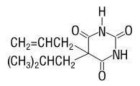
Barbiturates may be habit-forming. Tolerance, psychological dependence, and physical dependence may occur especially following prolonged use of high doses of barbiturates. The average daily dose for the barbiturate addict is usually about 1,500 mg. As tolerance to barbiturates develops, the amount needed to maintain the same level of intoxication increases; tolerance to a fatal dosage, however, does not increase more than twofold. As this occurs, the margin between an intoxication dosage and fatal dosage becomes smaller. The lethal dose of a barbiturate is far less if alcohol is also ingested. Major withdrawal symptoms (convulsions and delirium) may occur within 16 hours and last up to 5 days after abrupt cessation of these drugs. Intensity of withdrawal symptoms gradually declines over a period of approximately 15 days. Treatment of barbiturate dependence consists of cautious and gradual withdrawal of the drug. Barbiturate-dependent patients can be withdrawn by using a number of different withdrawal regimens. One method involves initiating treatment at the patient's regular dosage level and gradually decreasing the daily dosage as tolerated by the patient.
Clinical Presentation
Acute overdose with BUTALBITAL, ASPIRIN, CAFFEINE and CODEINE PHOSPHATE can be manifested by respiratory depression, somnolence progressing to stupor or coma, skeletal muscle flaccidity, cold and clammy skin, constricted pupils, and, in some cases, pulmonary edema, bradycardia, hypotension, hypoglycemia, partial or complete airway obstruction, atypical snoring, and death. Marked mydriasis rather than miosis may be seen with hypoxia in overdose situations [see Clinical Pharmacology (12.2)]. Toxic leukoencephalopathy has been reported after opioid overdose and can present hours, days, or weeks after apparent recovery from the initial intoxication.
Signs and Symptoms
Acute Barbiturate Poisoning:
Symptoms include drowsiness, confusion, and coma; respiratory depression; hypotension; hypovolemic shock.
Acute Aspirin Poisoning:
Symptoms include hyperpnea; acid-base disturbances with development of metabolic acidosis; vomiting and abdominal pain; tinnitus, hyperthermia; hypoprothrombinemia; restlessness; delirium; convulsions.
Acute Caffeine Poisoning:
Symptoms include insomnia, restlessness, tremor, and delirium; tachycardia and extrasystoles.
Codeine:
Acute overdose with codeine can be manifested by respiratory depression, somnolence progressing to stupor or coma, skeletal muscle flaccidity, cold and clammy skin, constricted pupils, and, in some cases, pulmonary edema, bradycardia, hypotension, partial or complete airway obstruction, atypical snoring, and death. Marked mydriasis rather than miosis may be seen with hypoxia in overdose situations [see Clinical Pharmacology (12.2)].
Treatment of Overdose
In case of overdose, priorities are the reestablishment of a patent and protected airway and institution of assisted or controlled ventilation, if needed. Employ other supportive measures (including oxygen and vasopressors) in the management of circulatory shock and pulmonary edema as indicated. Cardiac arrest or arrhythmias will require advanced life-support measures.
For clinically significant respiratory or circulatory depression secondary to codeine phosphate overdose, administer an opioid overdose reversal agent such as naloxone or nalmefene.
Because the duration of opioid reversal is expected to be less than the duration of action of codeine in BUTALBITAL, ASPIRIN, CAFFEINE and CODEINE PHOSPHATE, carefully monitor the patient until spontaneous respiration is reliably re-established. If the response to an opioid overdose reversal agentis suboptimal or only brief in nature, administer additional reversal agent as directed by the product's prescribing information.
In an individual physically dependent on opioids, administration of the recommended dosage of the opioid overdose reversal agent will precipitate an acute withdrawal syndrome. The severity of the withdrawal symptoms experienced will depend on the degree of physical dependence and the dose of the reversal agent administered. If a decision is made to treat serious respiratory depression in the physically dependent patient, administration of the reversal agent should be begun with care and by titration with smaller than usual doses of the reversal agent..
Treatment consists primarily of management of barbiturate intoxication, reversal of the effects of codeine, and the correction of the acid-base imbalance due to salicylism. Vomiting should be induced mechanically or with emetics in the conscious patient. Gastric lavage may be used if the pharyngeal and laryngeal reflexes are present and if less than 4 hours have elapsed since ingestion. A cuffed endotracheal tube should be inserted before gastric lavage of the unconscious patient and when necessary to provide assisted respiration. Diuresis, alkalinization of the urine, and correction of electrolyte disturbances should be accomplished through administration of intravenous fluids such as1% sodium bicarbonate and 5% dextrose in water.
Meticulous attention should be given to maintaining adequate pulmonary ventilation. The value of vasopressor agents such as Norepinephrine or Phenylephrine Hydrochloride in treating hypotension is questionable since they increase vasoconstriction and decrease blood flow. However, if prolonged support of blood pressure is required, Norepinephrine Bitartrate (Levophed®) may be given I.V. with the usual precautions and serial blood pressure monitoring. In severe cases of intoxication, peritoneal dialysis, hemodialysis, or exchange transfusion may be lifesaving. Hypoprothrombinemia should be treated with vitamin K, intravenously.
Methemoglobinemia over 30% should be treated with methylene blue by slow intravenous administration.
Naloxone, a narcotic antagonist, can reverse respiratory depression and coma associated with opioid overdose. Typically, a dose of 0.4 to 2 mg is given parenterally and may be repeated if an adequate response is not achieved. Since the duration of action of codeine may exceed that of the antagonist, the patient should be kept under continued surveillance and repeated doses of the antagonist should be administered as needed to maintain adequate respiration. A narcotic antagonist should not be administered in the absence of clinically significant respiratory or cardiovascular depression.
Effects on the Central Nervous System
Butalbital, a barbiturate, is a central nervous system (CNS) depressant that can produce sedation, respiratory depression, and euphoria. The potential impact of butalbital on painful stimuli is not clear and in some individuals barbiturates may increase reaction to painful stimuli.
Codeine produces respiratory depression by direct action on brain stem respiratory centers. The respiratory depression involves a reduction in the responsiveness of the brain stem respiratory centers to both increases in carbon dioxide tension and electrical stimulation.
Codeine causes miosis, even in total darkness. Pinpoint pupils are a sign of opioid overdose but are not pathognomonic (e.g., pontine lesions of hemorrhagic or ischemic origins may produce similar findings). Marked mydriasis rather than miosis may be seen due to hypoxia in overdose situations.
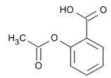
Aspirin works by inhibiting the body's production of prostaglandins, including prostaglandins involved in inflammation. Prostaglandins cause pain sensations by stimulating muscle contractions and dilating blood vessels throughout the body. In the CNS, aspirin works on the hypothalamus heat-regulating center to reduce fever, however, other mechanisms may be involved.
Effects on the Gastrointestinal Tract and Other Smooth Muscle
Codeine causes a reduction in motility associated with an increase in smooth muscle tone in the antrum of the stomach and duodenum. Digestion of food in the small intestine is delayed and propulsive contractions are decreased. Propulsive peristaltic waves in the colon are decreased, while tone may be increased to the point of spasm, resulting in constipation. Other opioid-induced effects may include a reduction in biliary and pancreatic secretions, spasm of sphincter of Oddi, transient elevations in serum amylase, and opioid-induced esophageal dysfunction (OIED).
Aspirin can produce gastrointestinal injury (lesions, ulcers) through a mechanism that is not yet completely understood, but may involve a reduction in eicosanoid synthesis by the gastric mucosa. Decreased production of prostaglandins may compromise the defenses of the gastric mucosa and the activity of substances involved in tissue repair and ulcer healing.
Effects on the Cardiovascular System
Butalbital may decrease blood pressure and heart rate when administered at sedative and hypnotic doses.
Codeine produces peripheral vasodilation which may result in orthostatic hypotension or syncope. Manifestations of histamine release and/or peripheral vasodilation may include pruritus, flushing, red eyes, sweating. and/or orthostatic hypotension.
Aspirin affects platelet aggregation by irreversibly inhibiting prostaglandin cyclooxygenase. This effect lasts for the life of the platelet and prevents the formation of the platelet aggregating factor, thromboxane A2. Nonacetylated salicylates do not inhibit this enzyme and have no effect on platelet aggregation. At somewhat higher doses, aspirin reversibly inhibits the formation of prostaglandin 12 (prostacyclin), which is an arterial vasodilator and inhibits platelet aggregation.
Effects on the Endocrine System
Opioids inhibit the secretion of adrenocorticotropic hormone (ACTH), cortisol, and luteinizing hormone (LH) in humans [see Adverse Reactions (6.2)]. They also stimulate prolactin, growth hormone (GH) secretion, and pancreatic secretion of insulin and glucagon.
Use of opioids for an extended period of time may influence the hypothalamic-pituitary-gonadal axis, leading to androgen deficiency that may manifest as low libido, impotence, erectile dysfunction, amenorrhea, or infertility. The causal role of opioids in the clinical syndrome of hypogonadism is unknown because the various medical, physical, lifestyle, and psychological stressors that may influence gonadal hormone levels have not been adequately controlled for in studies conducted to date [see Adverse Reactions (6.2)].
Effects on the Immune System
Opioids have been shown to have a variety of effects on components of the immune system in in vitro and animal models. The clinical significance of these findings is unknown. Overall, the effects of opioids appear to be modestly immunosuppressive.
Concentration–Efficacy Relationships
The minimum effective analgesic concentration will vary widely among patients, especially among patients who have been previously treated with opioid agonist . The minimum effective analgesic concentration of codeine for any individual patient may increase over time due to an increase in pain, the development of a new pain syndrome and/or the development of analgesic tolerance [see Dosage and Administration (2.1, 2.3)].
Concentration–Adverse Reaction Relationships
There is a relationship between increasing codeine plasma concentration and increasing frequency of dose-related opioid adverse reactions such as nausea, vomiting, CNS effects, and respiratory depression. In opioid-tolerant patients, the situation may be altered by the development of tolerance to opioid-related adverse reactions [see Dosage and Administration (2.1, 2.3, 0)].
Bioavailability:
The bioavailability of the components of the fixed combination of BUTALBITAL, ASPIRIN, CAFFEINE and CODEINE PHOSPHATE is identical to their bioavailability when butalbital, aspirin, caffeine and codeine phosphate are administered separately in equivalent molar doses. The behavior of the individual components is described below.
Aspirin
Absorption
The systemic availability of aspirin after an oral dose is highly dependent on the dosage form, the presence of food, the gastric emptying time, gastric pH, antacids, buffering agents, and particle size. These factors affect not necessarily the extent of absorption of total salicylates but more the stability of aspirin prior to absorption.
Distribution
During the absorption process and after absorption, aspirin is mainly hydrolyzed to salicylic acid and distributed to all body tissues and fluids, including fetal tissues, breast milk, and the central nervous system (CNS). Highest concentrations are found in plasma, liver, renal cortex, heart, and lung. In plasma, about 50%-80% of the salicylic acid and its metabolites are loosely bound to plasma proteins.
Elimination
Metabolism
The biotransformation of aspirin occurs primarily in the hepatocytes. The major metabolites are salicyluric acid (75%), the phenolic and acyl glucuronides of salicylate (15%), and gentisic and gentisuric acid (1%). The bioavailability of the aspirin component of BUTALBITAL, ASPIRIN, CAFFEINE and CODEINE PHOSPHATE is equivalent to that of a solution except for a slower rate of absorption. A peak concentration of 8.8 mcg/mL was obtained at 40 minutes after a 650 mg dose.
Excretion
The clearance of total salicylates is subject to saturable kinetics; however, first-order elimination kinetics are still a good approximation for doses up to 650 mg. The plasma half-life for aspirin is about 12 minutes and for salicylic acid and/or total salicylates is about 3 hours.
The elimination of therapeutic doses is through the kidneys either as salicylic acid or other biotransformation products. The renal clearance is greatly augmented by an alkaline urine as is produced by concurrent administration of sodium bicarbonate or potassium citrate.
Codeine
Absorption
Codeine is readily absorbed from the gastrointestinal tract. The bioavailability of the codeine component of BUTALBITAL, ASPIRIN, CAFFEINE and CODEINE PHOSPHATE is equivalent to that of a solution. Peak concentrations of 198 ng/mL were obtained at 1 hour after a 60 mg dose. At therapeutic doses, the analgesic effect reaches a peak within 2 hours and persists between 4 and 6 hours.
Distribution
It is rapidly distributed from the intravascular spaces to the various body tissues, with preferential uptake by parenchymatous organs such as the liver, spleen, and kidney. Codeine crosses the blood-brain barrier, and is found in fetal tissue and breast milk. The plasma concentration does not correlate with brain concentration or relief of pain, however, codeine is not bound to plasma proteins and does not accumulate in body tissues.
Elimination
Metabolism
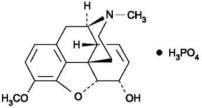
About 70-80% of administered dose of codeine is metabolized by conjugation with glucuronic acid to codeine6glucuronide (C6G) and via O-demethylation to morphine (about 5-10%) and N-demethylation to norcodeine (about 10%) respectively. UDP-glucuronosyltransferase (UGT) 2B7 and 2B4 are the major enzymes mediating glucurodination of codeine to C6G. Cytochrome P450 2D6 is the major enzyme responsible for conversion of codeine to morphine and P450 3A4 is the major enzyme mediating conversion of codeine to norcodeine. Morphine and norcodeine are further metabolized by conjugation with glucuronic acid. The glucuronide metabolites of morphine are morphine-3-glucuronide (M3G) and morphine-6-glucuronide (M6G). Morphine and M6G are known to have analgesic activity in humans. The analgesic activity of C6G in humans is unknown. Norcodeine and M3G are generally not considered to possess analgesic properties.
Excretion
The plasma half-life is about 2.9 hours. The elimination of codeine is primarily via the kidneys, and about 90% of an oral dose is excreted by the kidneys within 24 hours of dosing. The urinary secretion products consist of free and glucuronide-conjugated codeine (about 70%), free and conjugated norcodeine (about 10%), free and conjugated morphine (about 10%), normorphine (4%), and hydrocodone (1%). The remainder of the dose is excreted in the feces.
Butalbital
Absorption
Butalbital is well absorbed from the gastrointestinal tract. The bioavailability of the butalbital component of BUTALBITAL, ASPIRIN, CAFFEINE and CODEINE PHOSPHATE is equivalent to that of a solution except for a decrease in the rate of absorption. A peak concentration of 2,020 ng/mL is obtained at about 1.5 hours after a 100 mg dose.
Distribution
Butalbital is expected to distribute to most of the tissues in the body. Barbiturates, in general, may appear in breast milk and readily cross the placental barrier. They are bound to plasma and tissue proteins to a varying degree and binding increases directly as a function of lipid solubility.
The in vitro plasma protein binding of butalbital is 45% over the concentration range of 0.5 to 20 mcg/mL. This falls within the range of plasma protein binding (20% to 45%) reported with other barbiturates such as phenobarbital, pentobarbital, and secobarbital sodium. The plasma-to-blood concentration ratio was almost unity indicating that there is no preferential distribution of butalbital into either plasma or blood cells.
Elimination
Elimination of butalbital is primarily via the kidney (59% to 88% of the dose) as unchanged drug or metabolites. The plasma half-life is about 35 hours. Urinary excretion products included parent drug (about 3.6% of the dose), 5-isobutyl-5-(2,3-dihydroxypropyl) barbituric acid (about 24% of the dose), 5-allyl-5(3-hydroxy-2-methyl-1-propyl) barbituric acid (about 4.8% of the dose), products with the barbituric acid ring hydrolyzed with excretion of urea (about 14% of the dose), as well as unidentified materials. Of the material excreted in the urine, 32% was conjugated.
Caffeine
Absorption
Like most xanthines, caffeine is rapidly absorbed and distributed in all body tissues and fluids, including the CNS, fetal tissues, and breast milk. The bioavailability of the caffeine component for BUTALBITAL, ASPIRIN, CAFFEINE and CODEINE PHOSPHATE is equivalent to that of a solution except for a slightly longer time to peak. A peak concentration of 1,660 ng/mL was obtained in less than an hour for an 80 mg dose.
Distribution
Caffeine is distributed in all body tissues and fluids, including the CNS, fetal tissues, and breast milk.
Elimination
Caffeine is cleared rapidly through metabolism and excretion in the urine.
Metabolism
Caffeine is mainly metabolized by CYP1A2. Other enzymes, including CYP2E1, CYP3A4, CYP2C8 and CYP2C9 may play a minor role in its metabolism. Hepatic biotransformation prior to excretion results in about equal amounts of 1-methylxanthine and 1-methyluric acid.
Excretion
Of the 70% of the dose that has been recovered in the urine, only 3% was unchanged drug. The plasma half-life is about 3 hours.
Carcinogenesis
Long-term studies in animals to evaluate the carcinogenic potential of the combination of butalbital, aspirin, caffeine, and codeine or butalbital alone have not been conducted.
Administration of aspirin for 68 weeks at 0.5 percent in the feed of rats was not carcinogenic.
Two-year carcinogenicity studies with codeine sulfate have been conducted in F344/N rats and B6C3F1 mice. There was no evidence of carcinogenicity in male and female rats, respectively, at dietary doses up to 70 and 80 mg/kg/day of codeine sulfate (approximately 4 times the maximum recommended daily dose of 180 mg/day for adults on a mg/m2 basis) for two years. Similarly there was no evidence of carcinogenicity activity in male and female mice at dietary doses up to 400 mg/kg/day of codeine sulfate (approximately 10 times the maximum recommended daily dose of 180 mg/day for adults on a mg/m2 basis) for two years.
In a 2-year study in Sprague-Dawley rats, caffeine (as caffeine base) administered in drinking water was not carcinogenic in male rats at doses up to 102 mg/kg or in female rats at doses up to 170 mg/kg (approximately 4 and 7 times, respectively, the maximum human daily dose on a mg/m2 basis). In an 18-month study in C57BL/6 mice, no evidence of tumorigenicity was seen at dietary doses up to 55 mg/kg (equivalent to the MHDD on a mg/m2 basis).
Mutagenesis
There are no genetic toxicology data for butalbital.
Codeine sulfate was not mutagenic in the in vitro bacterial reverse mutation assay or clastogenic in the in vitro Chinese hamster ovary cell chromosome aberration assay.
Aspirin is not mutagenic in the Ames Salmonella assay; however, aspirin did induce chromosome aberrations in cultured human fibroblasts.
Caffeine (as caffeine base) increased the sister chromatid exchange (SCE) SCE/cell metaphase (exposure time dependent) in an in vivo mouse metaphase analysis. Caffeine also potentiated the genotoxicity of known mutagens and enhanced the micronuclei formation (5-fold) in folate-deficient mice. However, caffeine did not increase chromosomal aberrations in in vitro Chinese hamster ovary cell (CHO) and human lymphocyte assays and was not mutagenic in an in vitro CHO/hypoxanthine guanine phosphoribosyltransferase (HGPRT) gene mutation assay, except at cytotoxic concentrations. In addition, caffeine was not clastogenic in an in vivo mouse micronucleus assay. Caffeine was negative in the in vitro bacterial reverse mutation assay (Ames test).
Impairment of Fertility
No adequate studies have been conducted in animals to characterize the impact of the combinations of butalbital, aspirin, caffeine, and codeine on fertility. There are also no data on butalbital alone or codeine alone.
Aspirin inhibits ovulation in rats.
Caffeine (as caffeine base) administered to male rats at 50 mg/kg/day subcutaneously (2 times the MHDD on a mg/m2 basis) for 4 days prior to mating with untreated females, caused decreased male reproductive performance in addition to causing embryotoxicity. In addition, long-term exposure to high oral doses of caffeine (3 g over 7 weeks) was toxic to rat testes as manifested by spermatogenic cell degeneration.
Storage and Disposal
Because of the risks associated with accidental ingestion, misuse, and abuse, advise patients to store BUTALBITAL, ASPIRIN, CAFFEINE and CODEINE PHOSPHATE securely, out of sight and reach of children, and in a location not accessible by others, including visitors to the home. Inform patients that leaving BUTALBITAL, ASPIRIN, CAFFEINE and CODEINE PHOSPHATE unsecured can pose a deadly risk to others in the home [see Warnings and Precautions (5.1, 5.5), Drug Abuse and Dependence (9.2)].
Advise patients and caregivers that when medicines are no longer needed, they should be disposed of promptly. Inform patients that medicine take-back options are the preferred way to safely dispose of most types of unneeded medicines. If no take back programs or DEA-registered collectors are available, instruct patients to dispose of BUTALBITAL, ASPIRIN, CAFFEINE and CODEINE PHOSPHATE by following these four steps:
- Mix BUTALBITAL, ASPIRIN, CAFFEINE and CODEINE PHOSPHATE (do not crush) with an unpalatable substance such as dirt, cat litter, or used coffee grounds;
- Place the mixture in a container such as a sealed plastic bag;
- Throw the container in the household trash;
- Delete all personal information on the prescription label of the empty bottle
- how to treat with the overdose reversal agent in the event of an opioid overdose
- to tell family and friends about the opioid overdose reversal agent, and to keep it in a place where family and friends can access it in an emergency
- to read the Patient Information (or other educational material) that will come with their opioid overdose reversal agent. Emphasize the importance of doing this before an opioid emergency happens, so the patient and caregiver will know what to do.
Inform patients that they can visit www.fda.gov/drugdisposal for additional information on disposal of unused medicines.
Addiction, Abuse, and Misuse
Inform patients that the use of BUTALBITAL, ASPIRIN, CAFFEINE and CODEINE PHOSPHATE, even when taken as recommended, can result in addiction, abuse, and misuse, which can lead to overdose and death [see Warnings and Precautions (5.1)]. Instruct patients not to share BUTALBITAL, ASPIRIN, CAFFEINE and CODEINE PHOSPHATE with others and to take steps to protect BUTALBITAL, ASPIRIN, CAFFEINE and CODEINE PHOSPHATE from theft or misuse.
Life-Threatening Respiratory Depression
Inform patients of the risk of life-threatening respiratory depression, including information that the risk is greatest when starting BUTALBITAL, ASPIRIN, CAFFEINE and CODEINE PHOSPHATE or when the dosage is increased, and that it can occur even at recommended dosages.
Educate patients and caregivers on how to recognize respiratory depression and emphasize the importance of calling 911 or getting emergency medical help right away in the event of a known or suspected overdose [see Warnings and Precautions (5.2)]
Accidental Ingestion
Inform patients that accidental ingestion, especially by children, may result in respiratory depression or death.
Instruct patients to take steps to store BUTALBITAL, ASPIRIN, CAFFEINE and CODEINE PHOSPHATE securely and to properly dispose of unused BUTALBITAL, ASPIRIN, CAFFEINE and CODEINE PHOSPHATE in accordance with the local state guidelines and/or regulations.
Risks from Concomitant Use with Benzodiazepines and Other CNS Depressants
Inform patients and caregivers that potentially fatal additive effects may occur if BUTALBITAL, ASPIRIN, CAFFEINE and CODEINE PHOSPHATE is used with benzodiazepines or other CNS depressants, including alcohol (e.g., non-benzodiazepine sedative/hypnotics, anxiolytics, tranquilizers, muscle relaxants, general anesthetics, antipsychotics, gabapentinoids [gabapentin or pregabalin], and other opioids), and not to use these concomitantly unless supervised by a health care provider [see Warnings and Precautions (5.3), Drug Interactions (7)].
Patient Access to an Opioid Overdose Reversal Agent for the Emergency Treatment of Opioid Overdose
Inform patients and caregivers about opioid overdose reversal agents (e.g., naloxone, nalmefene). Discuss the importance of having access to an opioid overdose reversal agent, especially if the patient has risk factors for overdose (e.g., concomitant use of CNS depressants, a history of opioid use disorder, or prior opioid overdose) or if there are household members (including children) or other close contacts at risk for accidental ingestion or opioid overdose.
Discuss with the patient the options for obtaining an opioid overdose reversal agent (e.g., prescription, over-the-counter, or as part of a community-based program) [see Dosage and Administration (2.2), Warnings and Precautions (5.2)].
Educate patients and caregivers on how to recognize the signs and symptoms of an overdose.
Explain to patients and caregivers that effects of opioid overdose reversal agents like naloxone and nalmefene are temporary, and that they must call 911 or get emergency medical help right away in all cases of known or suspected opioid overdose, even if an opioid overdose reversal agent is administered [see Overdosage (10)].
Advise patients and caregivers:
Ultra-Rapid Metabolism of Codeine and Other Risk Factors for Life-threatening Respiratory Depression in Children
Advise caregivers that BUTALBITAL, ASPIRIN, CAFFEINE and CODEINE PHOSPHATE is contraindicated in all children younger than 12 years of age and in children younger than 18 years of age following tonsillectomy and/or adenoidectomy. Advise caregivers of children 12-18 years of age receiving BUTALBITAL, ASPIRIN, CAFFEINE and CODEINE PHOSPHATE to monitor for signs of respiratory depression [see Warnings and Precautions (5.6)].
Hyperalgesia and Allodynia
Inform patients and caregivers not to increase opioid dosage without first consulting a clinician. Advise patients to seek medical attention if they experience symptoms of hyperalgesia, including worsening pain, increased sensitivity to pain, or new pain [see Warnings and Precautions (5.8); Adverse Reactions (6.2)].
Serotonin Syndrome
Inform patients that opioids could cause a rare but potentially life-threatening condition resulting from concomitant administration of serotonergic drugs. Warn patients of the symptoms of serotonin syndrome and to seek medical attention right away if symptoms develop. Instruct patients to inform their healthcare providers if they are taking, or plan to take serotonergic medications. [see Drug Interactions (7)].
MAOI Interaction
Inform patients not to take BUTALBITAL, ASPIRIN, CAFFEINE and CODEINE PHOSPHATE while using any drugs that inhibit monoamine oxidase. Patients should not start MAOIs while taking BUTALBITAL, ASPIRIN, CAFFEINE and CODEINE PHOSPHATE [see Drug Interactions (7)].
Important Administration Instructions
Instruct patients how to properly take BUTALBITAL, ASPIRIN, CAFFEINE and CODEINE PHOSPHATE. [see Dosage and Administration (2.3)]. Patients should take the drug only for as long as it is prescribed, in the amounts prescribed, and no more frequently than prescribed.
Important Discontinuation Instructions
In order to avoid developing withdrawal symptoms, instruct patients not to discontinue BUTALBITAL, ASPIRIN, CAFFEINE and CODEINE without first discussing a tapering plan with the prescriber [see Dosage and Administration (2.4)].
Driving or Operating Heavy Machinery
Inform patients that BUTALBITAL, ASPIRIN, CAFFEINE and CODEINE PHOSPHATE may impair the ability to perform potentially hazardous activities such as driving a car or operating heavy machinery. Advise patients not to perform such tasks until they know how they will react to the medication [see Warnings and Precautions (5.18)].
Risk of Bleeding
Inform patients about the signs and symptoms of bleeding. Tell patients to notify their physician if they are prescribed any drug which may increase risk of bleeding.
Counsel patients who consume three or more alcoholic drinks daily about the bleeding risks involved with chronic, heavy alcohol use while taking aspirin [see Warnings and Precautions (5.19)].
Constipation
Advise patients of the potential for severe constipation, including management instructions and when to seek medical attention [see Adverse Reactions (6)].
Adrenal Insufficiency
Inform patients that opioids could cause adrenal insufficiency, a potentially life-threatening condition. Adrenal insufficiency may present with non-specific symptoms and signs such as nausea, vomiting, anorexia, fatigue, weakness, dizziness, and low blood pressure. Advise patients to seek medical attention if they experience a constellation of these symptoms [see Warnings and Precautions (5.11)].
Hypotension
Inform patients that BUTALBITAL, ASPIRIN, CAFFEINE and CODEINE PHOSPHATE may cause orthostatic hypotension and syncope. Instruct patients how to recognize symptoms of low blood pressure and how to reduce the risk of serious consequences should hypotension occur (e.g., sit or lie down, carefully rise from a sitting or lying position) [see Warnings and Precautions (5.12)].
Anaphylaxis
Inform patients that anaphylaxis has been reported with ingredients contained in BUTALBITAL, ASPIRIN, CAFFEINE and CODEINE PHOSPHATE. Advise patients how to recognize such a reaction and when to seek medical attention [see Contraindications (4), Adverse Reactions (6)].
Aspirin Allergy
Patients should be informed that BUTALBITAL, ASPIRIN, CAFFEINE and CODEINE PHOSPHATE contains aspirin and should not be taken by patients with an aspirin or NSAIDs allergy [see Warnings and Precautions (5.23)].
Pregnancy
Neonatal Opioid Withdrawal Syndrome
Inform female patients of reproductive potential that use of BUTALBITAL, ASPIRIN, CAFFEINE and CODEINE PHOSPHATE for an extended period of time during pregnancy can result in neonatal opioid withdrawal syndrome, which may be life-threatening if not recognized and treated [see Warnings and Precautions (5.4), Use in Specific Populations (8.1)].
Embryo-Fetal Toxicity
Inform female patients of reproductive potential that BUTALBITAL, ASPIRIN, CAFFEINE and CODEINE PHOSPHATE can (or may) cause fetal harm and to inform the healthcare provider of a known or suspected pregnancy. Inform pregnant women to avoid use of aspirin and other NSAIDs starting at 30 weeks gestation because of the risk of the premature closing of the fetal ductus arteriosus. If treatment with BUTALBITAL, ASPIRIN, CAFFEINE and CODEINE PHOSPHATE is needed for a pregnant woman between about 20 to 30 weeks gestation, advise her that she may need to be monitored for oligohydramnios, if treatment continues for longer than 48 hours [see Warnings and Precautions (5.17) and Use in Specific Populations (8.1)].
Lactation
Advise women that breastfeeding is not recommended during treatment with BUTALBITAL,
ASPIRIN, CAFFEINE and CODEINE PHOSPHATE [see Use in Specific Populations (8.2)].
Infertility
Inform patients that use of opioids for an extended period of time may cause reduced fertility. It is not known whether these effects on fertility are reversible [see Use in Specific Populations (8.3)].
Serious Skin Reactions, including DRESS
Advise patients to stop taking BUTALBITAL, ASPIRIN, CAFFEINE and CODEINE PHOSPHATE immediately if they develop any type of rash or fever and to contact their healthcare provider as soon as possible [see Warnings and Precautions (5.21)].
Rx ONLY
Manufactured by:
Jerome Stevens Pharmaceuticals, Inc.
Bohemia, NY 11716
Distributed by:
Amneal Pharmaceuticals LLC
Bridgewater, NJ 08807