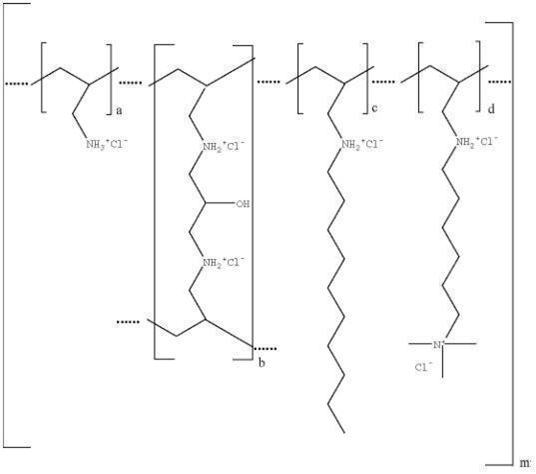
The reported adverse reactions during the additional 18-week open-label treatment period with colesevelam hydrochloride 3.8 g per day were similar to those during the double-blind period and included headache (7.6%), nasopharyngitis (5.4%), upper respiratory tract infection (4.9%), influenza (3.8%), and nausea (3.8%).
- Increased seizure activity or decreased phenytoin levels in patients receiving phenytoin.
- Reduced International Normalized Ratio (INR) in patients receiving warfarin therapy.
- Elevated thyroid-stimulating hormone (TSH) in patients receiving thyroid hormone replacement therapy.
Gastrointestinal:
Bowel obstruction (in patients with a history of bowel obstruction or resection), dysphagia or esophageal obstruction (occasionally requiring medical intervention), fecal impaction, pancreatitis, abdominal distension, exacerbation of hemorrhoids, and increased transaminases.
Laboratory Abnormalities:
Hypertriglyceridemia
Risk Summary
Colesevelam hydrochloride is not absorbed systemically following oral administration, and maternal use is not expected to result in fetal exposure to the drug. Limited available data on the use of colesevelam hydrochloride are insufficient to determine a drug-associated risk of major congenital malformations or miscarriage. In animal reproduction studies, no evidence of either maternal or fetal toxicity was found in rats or rabbits exposed to colesevelam hydrochloride during the period of fetal organogenesis at 5 and 8 times, respectively, the maximum recommended human dose (MRHD) of 3.75 g/day, based on body surface area (mg/m2). No adverse effects on offspring survival and development were observed in rats administered 5 times the MRHD (see Data). Colesevelam hydrochloride may decrease the absorption of fat-soluble vitamins [see Warnings and Precautions (5.3)]. There are no data available on the effect of colesevelam hydrochloride on the absorption of fat-soluble vitamins in pregnant women. If the patient becomes pregnant while taking colesevelam hydrochloride, the patient should be advised of the lack of known clinical benefit with continued use during pregnancy.
The estimated background risk of major birth defects and miscarriage for the indicated population is unknown. In the US general population, the estimated background risk of major birth defects and miscarriage in clinically recognized pregnancies is 2% to 4% and 15% to 20%, respectively.
Data
Human Data
There are no adequate and well-controlled studies of colesevelam hydrochloride use in pregnant women. In the postmarketing setting there have been infrequent reports of pregnancy with use of colesevelam hydrochloride and a causal association with congenital anomalies has not been established.
Animal Data
In pregnant rats given dietary doses of 0.3, 1.0, 3.0 g/kg/day colesevelam hydrochloride from gestation days 7 through 17, no teratogenic effects were observed. Exposures at 3.0 g/kg/day were 8 times the human exposure at 3.75 g/day MRHD, based on body surface area (mg/m2).
In pregnant rabbits given an oral gavage doses of 0.1, 0.5, 1.0 g/kg/day colesevelam hydrochloride from gestation days 6 through 18, no teratogenic effects were observed. Exposures at 1.0 g/kg/day were 5 times the human exposure at 3.75 g/day MRHD, based on body surface area (mg/m2).
In pregnant rats given oral gavage doses of 0.1, 0.3, 1.0 g/kg/day colesevelam hydrochloride from gestation day 6 through lactation day 21 (weaning), no adverse effects on survival and development were observed. Exposures at 1.0 g/kg/day were 5 times the human exposure at 3.75 g/day MRHD, based on body surface area (mg/m2).
Risk Summary
Colesevelam hydrochloride is not absorbed systemically by the mother following oral administration, and breastfeeding is not expected to result in exposure of the child to colesevelam hydrochloride.
Contraception
Use of colesevelam hydrochloride may reduce the efficacy of oral contraceptives. Advise patients to take oral contraceptives at least 4 hours prior to taking colesevelam hydrochloride [see Drug Interactions (7)].
Primary Hyperlipidemia: Of the 1,350 patients enrolled in the hyperlipidemia clinical studies, 349 (26%) were ≥ 65 years old, and 58 (4%) were ≥ 75 years old. No overall differences in safety or effectiveness were observed between these subjects and younger subjects, and other reported clinical experience has not identified differences in responses between the elderly and younger patients, but greater sensitivity of some older individuals cannot be ruled out.
Primary Hyperlipidemia: Colesevelam hydrochloride, the active pharmaceutical ingredient in colesevelam hydrochloride tablets, is a non-absorbed, lipid-lowering polymer that binds bile acids in the intestine, impeding their reabsorption. As the bile acid pool becomes depleted, the hepatic enzyme, cholesterol 7-α-hydroxylase, is upregulated, which increases the conversion of cholesterol to bile acids. This causes an increased demand for cholesterol in the liver cells, resulting in the dual effect of increasing transcription and activity of the cholesterol biosynthetic enzyme, HMG-CoA reductase, and increasing the number of hepatic LDL receptors. These compensatory effects result in increased clearance of LDL-C from the blood, resulting in decreased serum LDL-C levels. Serum TG levels may increase or remain unchanged.
Absorption: Colesevelam hydrochloride is a hydrophilic, water-insoluble polymer that is not hydrolyzed by digestive enzymes and is not absorbed.
Distribution: Colesevelam hydrochloride is not absorbed, and therefore, its distribution is limited to the gastrointestinal tract.
Metabolism: Colesevelam hydrochloride is not metabolized systemically and does not interfere with systemic drug-metabolizing enzymes such as cytochrome P-450.
Excretion: In 16 healthy volunteers, an average of 0.05% of administered radioactivity from a single 14C-labeled colesevelam hydrochloride dose was excreted in the urine.
Drug Interactions: Drug interactions between colesevelam and concomitantly administered drugs were screened through in vitro studies and confirmed in in vivo studies. In vitro studies demonstrated that cephalexin, metformin, and ciprofloxacin had negligible binding to colesevelam hydrochloride. Therefore, an in vivo pharmacokinetic interaction of colesevelam hydrochloride with these drugs is unlikely. Colesevelam hydrochloride was found to have no significant effect on the bioavailability of aspirin, atenolol, digoxin, enalapril, fenofibrate, lovastatin, metoprolol, phenytoin, pioglitazone, quinidine, rosiglitazone, sitagliptin, valproic acid, and warfarin. The results of additional in vivo drug interactions of colesevelam hydrochloride are presented in Table 6.
Table 6 Mean Change in Drug Exposure (AUC0-∞ and Cmax) when Administered with Colesevelam Hydrochloride (3.75 g)With verapamil, the dose of colesevelam hydrochloride was 4.5 g
| Drug | Dose | Co-administered | 1 hr prior to Colesevelam Hydrochloride | 4 hr prior to Colesevelam Hydrochloride |
|---|
| | AUC0-∞ | Cmax | AUC0-∞ | Cmax | AUC0-∞ | Cmax |
|---|
| N/A Not Available |
| Cyclosporine | 200 mg | -34% | -44% | N/A | N/A | N/A | N/A |
| Ethinyl Estradiol* | 0.035 mg | -24% | -24% | -18% | -1% | -12% | 0% |
| Glimepiride | 4 mg | -18% | -8% | N/A | N/A | -6% | 3% |
| Glipizide | 20 mg | -12% | -13% | N/A | N/A | -4% | 0% |
| Glyburide | 3 mg | -32% | -47% | -20% | -15% | -7% | 4% |
| Levothyroxine | 600 mcg | -22% | -33% | 6% | -2% | 1% | 8% |
| Metformin ER | 1,500 mg | 44% | 8% | N/A | N/A | N/A | N/A |
| Norethindrone Oral contraceptive containing norethindrone and ethinyl estradiol N/A – Not Available | 1 mg | -1% | -20% | 5% | -3% | 6% | 7% |
| Olmesartan Medoxomil | 40 mg | -39% | -28% | N/A | N/A | -15% | -4% |
| Repaglinide | 2 mg | -7% | -19% | -6% | -1% | N/A | N/A |
| Verapamil sustained-release | 240 mg | -31% | -11% | N/A | N/A | N/A | N/A |
Carcinogenesis: A 104-week carcinogenicity study with colesevelam hydrochloride was conducted in CD-1 mice, at oral dietary doses up to 3 g/kg/day. This dose was approximately 50 times the maximum recommended human dose of 4.5 g/day, based on body weight, mg/kg. There were no significant drug-induced tumor findings in male or female mice. In a 104-week carcinogenicity study with colesevelam hydrochloride in Harlan Sprague-Dawley rats, a statistically significant increase in the incidence of pancreatic acinar cell adenoma was seen in male rats at doses > 1.2 g/kg/day (approximately 20 times the maximum human dose, based on body weight, mg/kg) (trend test only). A statistically significant increase in thyroid C-cell adenoma was seen in female rats at 2.4 g/kg/day (approximately 40 times the maximum human dose, based on body weight, mg/kg).
Mutagenesis: Colesevelam hydrochloride and 4 degradants present in the drug substance have been evaluated for mutagenicity in the Ames test and a mammalian chromosomal aberration test. The 4 degradants and an extract of the parent compound did not exhibit genetic toxicity in an in vitro bacterial mutagenesis assay in S. typhimurium and E. coli (Ames assay) with or without rat liver metabolic activation. An extract of the parent compound was positive in the Chinese Hamster Ovary (CHO) cell chromosomal aberration assay in the presence of metabolic activation and negative in the absence of metabolic activation. The results of the CHO cell chromosomal aberration assay with 2 of the 4 degradants, decylamine HCl and aminohexyltrimethyl ammonium chloride HCl, were equivocal in the absence of metabolic activation and negative in the presence of metabolic activation. The other 2 degradants, didecylamine HCl and 6-decylamino-hexyltrimethyl ammonium chloride HCl, were negative in the presence and absence of metabolic activation.
Impairment of Fertility: Colesevelam hydrochloride did not impair fertility in rats at doses up to 3 g/kg/day (approximately 50 times the maximum human dose, based on body weight, mg/kg).
Reproductive Toxicology Studies
Reproduction studies have been performed in rats and rabbits at doses up to 3 g/kg/day and 1 g/kg/day, respectively (approximately 50 and 17 times the maximum human dose, based on body weight, mg/kg) and have revealed no evidence of harm to the fetus due to colesevelam hydrochloride.
Monotherapy: In a study in patients with LDL-C between 130 mg/dL and 220 mg/dL (mean 158 mg/dL), colesevelam hydrochloride was given for 24 weeks in divided doses with the morning and evening meals.
As shown in Table 7, the mean LDL-C reductions were 15% and 18% at the 3.8 g and 4.5 g doses. The respective mean TC reductions were 7% and 10%. The mean Apo B reductions were 12% in both treatment groups. Colesevelam hydrochloride at both doses increased HDL-C by 3%. Increases in TG of 9 to 10% were observed at both colesevelam hydrochloride doses but the changes were not statistically different from placebo.
Table 7 Response to Colesevelam Hydrochloride Monotherapy in a 24-Week Trial -Percent Change in Lipid Parameters from Baseline| Grams/Day | N | TC | LDL-C | Apo B | HDL-C | Non-HDL-C | TG |
|---|
| Placebo | 88 | +1 | 0 | 0 | –1 | +1 | +5 |
| 3.8 g (6 tablets) | 95 | –7 | –15 | –12 | +3 | –10 | +10 |
| 4.5 g (7 tablets) | 94 | –10 | –18 | –12 | +3 | –13 | +9 |
In a study in 98 patients with LDL-C between 145 mg/dL and 250 mg/dL (mean 169 mg/dL), colesevelam hydrochloride 3.8 g was given for 6 weeks as a single dose with breakfast, as a single dose with dinner, or as divided doses with breakfast and dinner. The mean LDL-C reductions were 18%, 15%, and 18% for the 3 dosing regimens, respectively. The reductions with these 3 regimens were not statistically different from one another.
Combination Therapy: Co-administration of colesevelam hydrochloride and a statin (atorvastatin, lovastatin, or simvastatin) in 3 clinical studies demonstrated an additive reduction of LDL-C. The mean baseline LDL-C was 184 mg/dL in the atorvastatin study (range 156 to 236 mg/dL), 171 mg/dL in the lovastatin study (range 115 to 247 mg/dL), and 188 mg/dL in the simvastatin study (range 148 to 352 mg/dL). As demonstrated in Table 8, colesevelam hydrochloride doses of 2.3 g to 3.8 g resulted in an additional 8% to 16% reduction in LDL-C above that seen with the statin alone.
Table 8 Response to Colesevelam Hydrochloride in Combination with Atorvastatin, Simvastatin, or Lovastatin - Percent Change in Lipid Parameters| Dose/Day | N | TC | LDL-C | Apo B | HDL-C | Non-HDL-C | TG |
|---|
| Atorvastatin Trial (4-week) |
| Placebo | 19 | +4 | +3 | –3 | +4 | +4 | +10 |
| Atorvastatin 10 mg | 18 | –27 | –38 | –32 | +8 | –35 | –24 |
| Colesevelam hydrochloride 3.8 g/Atorvastatin 10 mg | 18 | –31 | –48 | –38 | +11 | –40 | –1 |
| Atorvastatin 80 mg | 20 | –39 | –53 | –46 | +6 | –50 | –33 |
| Simvastatin Trial (6-week) |
| Placebo | 33 | –2 | –4 | –4 | –3 | –2 | +6 |
| Simvastatin 10 mg | 35 | –19 | –26 | –20 | +3 | –24 | –17 |
| Colesevelam hydrochloride 3.8 g/Simvastatin 10 mg | 34 | –28 | –42 | –33 | +10 | –37 | –12 |
| Simvastatin 20 mg | 39 | –23 | –34 | –26 | +7 | –30 | –12 |
| Colesevelam hydrochloride 2.3 g/Simvastatin 20 mg | 37 | –29 | –42 | –32 | +4 | –37 | –12 |
| Lovastatin Trial (4-week) |
| Placebo | 26 | +1 | 0 | 0 | +1 | +1 | +1 |
| Lovastatin 10 mg | 26 | –14 | –22 | –16 | +5 | –19 | 0 |
| Colesevelam hydrochloride 2.3 g/Lovastatin 10 mg Together | 27 | –21 | –34 | –24 | +4 | –27 | –1 |
| Colesevelam hydrochloride 2.3 g/Lovastatin 10 mg Apart | 23 | –21 | –32 | –24 | +2 | –28 | –2 |
In all 3 studies, the LDL-C reduction achieved with the combination of colesevelam hydrochloride and any given dose of statin therapy was statistically superior to that achieved with colesevelam hydrochloride or that dose of the statin alone. The LDL-C reduction with atorvastatin 80 mg was not statistically significantly different from the combination of colesevelam hydrochloride 3.8 g and atorvastatin 10 mg.
Pediatric Therapy: The safety and efficacy of colesevelam hydrochloride in pediatric patients were evaluated in an 8-week, multi-center, randomized, double-blind, placebo-controlled, parallel-group study followed by an open-label phase, in 194 boys and post-menarchal girls 10 to 17 years of age (mean age 14.1 years) with HeFH, taking a stable dose of an FDA-approved statin (with LDL-C > 130 mg/dL) or naïve to lipid-lowering therapy (with LDL-C > 160 mg/dL). This study had 3 periods: a single-blind, placebo stabilization period; an 8-week, randomized, double-blind, parallel-group, placebo-controlled treatment period; and an 18-week, open-label treatment period. Forty-seven (24%) patients were taking statins and 147 (76%) patients were statin-naïve at screening. The mean baseline LDL-C at Day 1 was approximately 199 mg/dL.
During the double-blind treatment period, patients were assigned randomly to treatment: Colesevelam hydrochloride 3.8 g/day (n = 64), colesevelam hydrochloride 1.9 g/day (n = 65), or placebo (n = 65). In total, 186 patients completed the double-blind treatment period. After 8 weeks of treatment, colesevelam hydrochloride 3.8 g/day significantly decreased plasma levels of LDL-C, non-HDL-C, TC, and Apo B and significantly increased HDL-C. A moderate, non-statistically significant increase in TG was observed versus placebo (Table 9).
Table 9 Response to Colesevelam Hydrochloride 3.8 g Compared to Placebo in Pediatric Patients 10 to 17 Years of Age - Mean Percent Change in Lipid Parameters from Baseline to Week 8| Treatment Difference | TC
(N = 128) | LDL-C
(N = 128) | Apo B
(N = 124) | HDL-C
(N = 128) | Non-HDL-C
(N = 128) | TG For triglycerides, median % change from baseline. Results were based on the ITT population with LOCF
(N = 128) |
|---|
Values represent LS mean. Only patients with values at both study baseline and endpoint are included in this table. Study baseline was defined as the last value measured before or on Day 1 prior to the first dose of randomized study medication.
Results were based on the ITT population with LOCF |
| Colesevelam hydrochloride 3.8 g vs Placebo | -7 p ≤ 0.05 for lipid parameters compared to placebo Values represent LS mean. Only patients with values at both study baseline and endpoint are included in this table. Study baseline was defined as the last value measured before or on Day 1 prior to the first dose of randomized study medication. | -13† | -8† | +6† | -11† | +5† |
During the open-label treatment period patients were treated with colesevelam hydrochloride 3.8 g/day. In total, 173 (89%) patients completed 26 weeks of treatment. Results at Week 26 were consistent with those at Week 8.
Hypertriglyceridemia and pancreatitis:
Inform patients that colesevelam hydrochloride may increase their serum triglycerides which can lead to hypertriglyceridemia and pancreatitis. Instruct patients to discontinue colesevelam hydrochloride and seek prompt medical attention if the symptoms of acute pancreatitis occur (e.g., severe abdominal pain with or without nausea and vomiting) [see Warnings and Precautions (5.1)].
Gastrointestinal:
Inform patients that colesevelam hydrochloride may cause bowel obstruction. Instruct patients to promptly discontinue colesevelam hydrochloride and seek medical attention if severe abdominal pain or severe constipation occurs [see Warnings and Precautions (5.2)].
Drug and Vitamin interactions:
Advise patients that colesevelam hydrochloride has drug interactions and colesevelam hydrochloride may decrease the absorption of fat-soluble vitamins A, D, E, and K. Instruct patients to take oral vitamins at least 4 hours prior to colesevelam hydrochloride. Instruct patients to inform their physician about all the drugs and vitamins that they are prescribed or take over the counter [see Warnings and Precautions (5.3) and Drug Interactions (7)].
Administration [see Dosage and Administration (2.4)]:
Advise patients to take colesevelam hydrochloride tablets with a meal and liquid. Inform patients that colesevelam hydrochloride tablets can be taken as 6 tablets once daily or 3 tablets twice daily.
Females of Reproductive Potential:
Advise females of reproductive potential that colesevelam hydrochloride may reduce the effectiveness of oral contraceptives, and to take oral contraceptives at least 4 hours before taking colesevelam hydrochloride [see Drug Interactions (7) and Use in Specific Populations (8.3)].
Manufactured for:
Bionpharma Inc.
600 Alexander Road,
Princeton, NJ 08540
Made in Canada
Active Ingredient: Product of Austria
Rev. 07/2019
FDA-04