Dyslipidemia
Undesirable alterations in lipids have been observed with olanzapine use. Clinical monitoring, including baseline and periodic follow-up lipid evaluations in patients using olanzapine, is recommended [see Patient Counseling Information (17)].
Clinically significant, and sometimes very high (>500 mg/dL), elevations in triglyceride levels have been observed with olanzapine use. Modest mean increases in total cholesterol have also been seen with olanzapine use.
Olanzapine Monotherapy in Adults - In an analysis of 5 placebo-controlled olanzapine monotherapy studies with treatment duration up to 12 weeks, olanzapine-treated patients had increases from baseline in mean fasting total cholesterol, LDL cholesterol, and triglycerides of 5.3 mg/dL, 3 mg/dL, and 20.8 mg/dL respectively compared to decreases from baseline in mean fasting total cholesterol, LDL cholesterol, and triglycerides of 6.1 mg/dL, 4.3 mg/dL, and 10.7 mg/dL for placebo-treated patients. For fasting HDL cholesterol, no clinically meaningful differences were observed between olanzapine-treated patients and placebo-treated patients. Mean increases in fasting lipid values (total cholesterol, LDL cholesterol, and triglycerides) were greater in patients without evidence of lipid dysregulation at baseline, where lipid dysregulation was defined as patients diagnosed with dyslipidemia or related adverse reactions, patients treated with lipid lowering agents, or patients with high baseline lipid levels.
In long-term studies (at least 48 weeks), patients had increases from baseline in mean fasting total cholesterol, LDL cholesterol, and triglycerides of 5.6 mg/dL, 2.5 mg/dL, and 18.7 mg/dL, respectively, and a mean decrease in fasting HDL cholesterol of 0.16 mg/dL. In an analysis of patients who completed 12 months of therapy, the mean nonfasting total cholesterol did not increase further after approximately 4 to 6 months.
The proportion of patients who had changes (at least once) in total cholesterol, LDL cholesterol or triglycerides from normal or borderline to high, or changes in HDL cholesterol from normal or borderline to low, was greater in long-term studies (at least 48 weeks) as compared with short-term studies. Table 4 shows categorical changes in fasting lipids values.
Table 4: Changes in Fasting Lipids Values from Adult Olanzapine Monotherapy Studies | | | Up to 12 weeks exposure | | At least 48 weeks exposure | |
| Laboratory Analyte | Category Change (at least once) from Baseline | Treatment
Arm | N | Patients | N | Patients |
| Fasting Triglycerides | Increase by ≥50 mg/dL | Olanzapine | 745 | 39.6% | 487 | 61.4% |
| | Placebo | 402 | 26.1% | NAa | NAa |
| Normal to High
(<150 mg/dL to ≥200 mg/dL) | Olanzapine | 457 | 9.2% | 293 | 32.4% |
| | Placebo | 251 | 4.4% | NAa | NAa |
| Borderline to High
(≥150 mg/dL and <200 mg/dL to ≥200 mg/dL) | Olanzapine | 135 | 39.3% | 75 | 70.7% |
| | Placebo | 65 | 20% | NAa | NAa |
| | | | | | |
| Fasting Total Cholesterol | Increase by ≥40 mg/dL | Olanzapine | 745 | 21.6% | 489 | 32.9% |
| | Placebo | 402 | 9.5% | NAa | NAa |
| Normal to High
(<200 mg/dL to ≥240 mg/dL) | Olanzapine | 392 | 2.8% | 283 | 14.8% |
| | Placebo | 207 | 2.4% | NAa | NAa |
| Borderline to High
(≥200 mg/dL and <240 mg/dL to ≥240 mg/dL) | Olanzapine | 222 | 23% | 125 | 55.2% |
| | Placebo | 112 | 12.5% | NAa | NAa |
| | | | | | |
| Fasting LDL Cholesterol | Increase by ≥30 mg/dL | Olanzapine | 536 | 23.7% | 483 | 39.8% |
| | Placebo | 304 | 14.1% | NAa | NAa |
| Normal to High
(<100 mg/dL to ≥160 mg/dL) | Olanzapine | 154 | 0% | 123 | 7.3% |
| | Placebo | 82 | 1.2% | NAa | NAa |
| Borderline to High
(≥100 mg/dL and <160 mg/dL to ≥160 mg/dL) | Olanzapine | 302 | 10.6% | 284 | 31% |
| | Placebo | 173 | 8.1% | NAa | NAa |
a Not Applicable.
In phase 1 of the Clinical Antipsychotic Trials of Intervention Effectiveness (CATIE), over a median exposure of 9.2 months, the mean increase in triglycerides in patients taking olanzapine was 40.5 mg/dL. In phase 1 of CATIE, the mean increase in total cholesterol was 9.4 mg/dL.
Olanzapine Monotherapy in Adolescents - The safety and efficacy of olanzapine have not been established in patients under the age of 13 years. In an analysis of 3 placebo-controlled olanzapine monotherapy studies of adolescents, including those with schizophrenia (6 weeks) or bipolar I disorder (manic or mixed episodes) (3 weeks), olanzapine-treated adolescents had increases from baseline in mean fasting total cholesterol, LDL cholesterol, and triglycerides of 12.9 mg/dL, 6.5 mg/dL, and 28.4 mg/dL, respectively, compared to increases from baseline in mean fasting total cholesterol and LDL cholesterol of 1.3 mg/dL and 1 mg/dL, and a decrease in triglycerides of 1.1 mg/dL for placebo-treated adolescents. For fasting HDL cholesterol, no clinically meaningful differences were observed between olanzapine-treated adolescents and placebo-treated adolescents.
In long-term studies (at least 24 weeks), adolescents had increases from baseline in mean fasting total cholesterol, LDL cholesterol, and triglycerides of 5.5 mg/dL, 5.4 mg/dL, and 20.5 mg/dL, respectively, and a mean decrease in fasting HDL cholesterol of 4.5 mg/dL. Table 5 shows categorical changes in fasting lipids values in adolescents.
Table 5: Changes in Fasting Lipids Values from Adolescent Olanzapine Monotherapy Studies | | | Up to 6 weeks
exposure | At least 24 weeks exposure |
| Laboratory Analyte | Category Change (at least once) from Baseline | Treatment
Arm | N | Patients | N | Patients |
| Fasting Triglycerides | Increase by ≥50 mg/dL | Olanzapine | 138 | 37% | 122 | 45.9% |
| | Placebo | 66 | 15.2% | NAa | NAa |
| Normal to High
(<90 mg/dL to >130 mg/dL) | Olanzapine | 67 | 26.9% | 66 | 36.4% |
| | Placebo | 28 | 10.7% | NAa | NAa |
| Borderline to High
(≥90 mg/dL and 130 mg/dL to >130 mg/dL) | Olanzapine | 37 | 59.5% | 31 | 64.5% |
| | Placebo | 17 | 35.3% | NAa | NAa |
|
| Fasting Total Cholesterol | Increase by ≥40 mg/dL | Olanzapine | 138 | 14.5% | 122 | 14.8% |
| | Placebo | 66 | 4.5% | NAa | NAa |
| Normalto High
(<170 mg/dL to ≥200 mg/dL) | Olanzapine | 87 | 6.9% | 78 | 7.7% |
| | Placebo | 43 | 2.3% | NAa | NAa |
| Borderline to High
(≥170 mg/dL and <200 mg/dL to ≥200 mg/dL) | Olanzapine | 36 | 38.9% | 33 | 57.6% |
| | Placebo | 13 | 7.7% | NAa | NAa |
|
| Fasting LDL Cholesterol | Increase by ≥30 mg/dL | Olanzapine | 137 | 17.5% | 121 | 22.3% |
| | Placebo | 63 | 11.1% | NAa | NAa |
| Normal to High
(<110 mg/dL to ≥130 mg/dL) | Olanzapine | 98 | 5.1% | 92 | 10.9% |
| | Placebo | 44 | 4.5% | NAa | NAa |
| Borderline to High
(≥110 mg/dL and <130 mg/dL to ≥130 mg/dL) | Olanzapine | 29 | 48.3% | 21 | 47.6% |
| | Placebo | 9 | 0% | NAa | NAa |
a Not Applicable
Weight Gain
Potential consequences of weight gain should be considered prior to starting olanzapine. Patients receiving olanzapine should receive regular monitoring of weight [see Patient Counseling Information (17)].
Olanzapine Monotherapy in Adults — In an analysis of 13 placebo-controlled olanzapine monotherapy studies, olanzapine-treated patients gained an average of 2.6 kg (5.7 lb) compared to an average 0.3 kg (0.6 lb) weight loss in placebo-treated patients with a median exposure of 6 weeks; 22.2% of olanzapine-treated patients gained at least 7% of their baseline weight, compared to 3% of placebo-treated patients, with a median exposure to event of 8 weeks; 4.2% of olanzapine-treated patients gained at least 15% of their baseline weight, compared to 0.3% of placebo-treated patients, with a median exposure to event of 12 weeks. Clinically significant weight gain was observed across all baseline Body Mass Index (BMI) categories. Discontinuation due to weight gain occurred in 0.2% of olanzapine-treated patients and in 0% of placebo-treated patients.
In long-term studies (at least 48 weeks), the mean weight gain was 5.6 kg (12.3 lb) (median exposure of 573 days, N=2021). The percentages of patients who gained at least 7%, 15%, or 25% of their baseline body weight with long-term exposure were 64%, 32%, and 12%, respectively. Discontinuation due to weight gain occurred in 0.4% of olanzapine-treated patients following at least 48 weeks of exposure.
Table 6 includes data on adult weight gain with olanzapine pooled from 86 clinical trials. The data in each column represent data for those patients who completed treatment periods of the durations specified.
Table 6: Weight Gain with Olanzapine Use in AdultsAmount Gained
kg (lb) | 6 Weeks
(N=7465)
(%) | 6 Months
(N=4162)
(%) | 12 Months
(N=1345)
(%) | 24 Months
(N=474)
(%) | 36 Months
(N=147)
(%) |
| ≤0 | 26.2 | 24.3 | 20.8 | 23.2 | 17 |
| 0 to ≤5 (0 to 11 lb) | 57 | 36 | 26 | 23.4 | 25.2 |
| >5 to ≤10 (11 to 22 lb) | 14.9 | 24.6 | 24.2 | 24.1 | 18.4 |
| >10 to ≤15 (22 to 33 lb) | 1.8 | 10.9 | 14.9 | 11.4 | 17 |
| >15 to ≤20 (33 to 44 lb) | 0.1 | 3.1 | 8.6 | 9.3 | 11.6 |
| >20 to ≤25 (44 to 55 lb) | 0 | 0.9 | 3.3 | 5.1 | 4.1 |
| >25 to ≤30 (55 to 66 lb) | 0 | 0.2 | 1.4 | 2.3 | 4.8 |
| >30 (>66 lb) | 0 | 0.1 | 0.8 | 1.2 | |
Dose group differences with respect to weight gain have been observed. In a single 8 week randomized, double-blind, fixed-dose study comparing 10 (N=199), 20 (N=200) and 40 (N=200) mg/day of oral olanzapine in adult patients with schizophrenia or schizoaffective disorder, mean baseline to endpoint increase in weight (10 mg/day: 1.9 kg; 20 mg/day: 2.3 kg; 40 mg/day: 3 kg) was observed with significant differences between 10 vs 40 mg/day.
Olanzapine Monotherapy in Adolescents — The safety and efficacy of olanzapine have not been established in patients under the age of 13 years. Mean increase in weight in adolescents was greater than in adults. In 4 placebo-controlled trials, discontinuation due to weight gain occurred in 1% of olanzapine-treated patients, compared to 0% of placebo-treated patients.
Table 7: Weight Gain with Olanzapine Use in Adolescents from 4 Placebo-Controlled Trials | Olanzapine-treated patients | Placebo-treated patients |
| Mean change in body weight from baseline (median exposure = 3 weeks) | 4.6 kg (10.1 lb) | 0.3 kg (0.7 lb) |
| Percentage of patients who gained at least 7% of baseline body weight | 40.6%
(median exposure to 7% = 4 weeks) | 9.8%
(median exposure to 7% = 8 weeks) |
| Percentage of patients who gained at least 15% of baseline body weight | 7.1%
(median exposure to 15% = 19 weeks) | 2.7%
(median exposure to 15% = 8 weeks) |
In long-term studies (at least 24 weeks), the mean weight gain was 11.2 kg (24.6 lb); (median exposure of 201 days, N=179). The percentages of adolescents who gained at least 7%, 15%, or 25% of their baseline body weight with long-term exposure were 89%, 55%, and 29%, respectively. Among adolescent patients, mean weight gain by baseline BMI category was 11.5 kg (25.3 lb), 12.1 kg (26.6 lb), and 12.7 kg (27.9 lb), respectively, for normal (N=106), overweight (N=26) and obese (N=17). Discontinuation due to weight gain occurred in 2.2% of olanzapine-treated patients following at least 24 weeks of exposure.
Table 8 shows data on adolescent weight gain with olanzapine pooled from 6 clinical trials. The data in each column represent data for those patients who completed treatment periods of the durations specified. Little clinical trial data is available on weight gain in adolescents with olanzapine beyond 6 months of treatment.
Table 8: Weight Gain with Olanzapine Use in Adolescents| Amount Gained kg (lb) | 6 Weeks
(N=243)
(%) | 6 Months
(N=191)
(%) |
| ≤0 | 2.9 | 2.1 |
| 0 to ≤5 (0 to 11 lb) | 47.3 | 24.6 |
| >5 to ≤10 (11 to 22 lb) | 42.4 | 26.7 |
| >10 to ≤15 (22 to 33 lb) | 5.8 | 22 |
| >15 to ≤20 (33 to 44 lb) | 0.8 | 12.6 |
| >20 to ≤25 (44 to 55 lb) | 0.8 | 9.4 |
| >25 to ≤30 (55 to 66 lb) | 0 | 2.1 |
| >30 to ≤35 (66 to 77 lb) | 0 | 0 |
| >35 to ≤40 (77 to 88 lb) | 0 | 0 |
| >40 (>88 lb) | 0 | 0.5 |
Elderly Patients with Dementia-Related Psychosis: Increased Mortality and Cerebrovascular Adverse Events (CVAE), Including Stroke
Patients and caregivers should be advised that elderly patients with dementia-related psychosis treated with antipsychotic drugs are at an increased risk of death. Patients and caregivers should be advised that elderly patients with dementia-related psychosis treated with olanzapine had a significantly higher incidence of cerebrovascular adverse events (e.g., stroke, transient ischemic attack) compared with placebo.
Olanzapine is not approved for elderly patients with dementia-related psychosis [see Boxed Warning and Warnings and Precautions (5.1)].
Neuroleptic Malignant Syndrome (NMS)
Patients and caregivers should be counseled that a potentially fatal symptom complex sometimes referred to as NMS has been reported in association with administration of antipsychotic drugs, including olanzapine. Signs and symptoms of NMS include hyperpyrexia, muscle rigidity, altered mental status, and evidence of autonomic instability (irregular pulse or blood pressure, tachycardia, diaphoresis, and cardiac dysrhythmia) [see Warnings and Precautions (5.3)].
Drug Reaction with Eosinophilia and Systemic Symptoms (DRESS)
Patients should be advised to report to their health care provider at the earliest onset of any signs and symptoms that may be associated with drug reaction with eosinophilia and systemic symptoms (DRESS) [see Warnings and Precautions (5.4)].
Hyperglycemia and Diabetes Mellitus
Patients should be advised of the potential risk of hyperglycemia-related adverse reactions. Patients should be monitored regularly for worsening of glucose control. Patients who have diabetes should follow their doctor’s instructions about how often to check their blood sugar while taking olanzapine [see Warnings and Precautions (5.5)].
Dyslipidemia
Patients should be counseled that dyslipidemia has occurred during treatment with olanzapine. Patients should have their lipid profile monitored regularly [see Warnings and Precautions (5.5)].
Weight Gain
Patients should be counseled that weight gain has occurred during treatment with olanzapine. Patients should have their weight monitored regularly [see Warnings and Precautions (5.5)].
Orthostatic Hypotension
Patients should be advised of the risk of orthostatic hypotension, especially during the period of initial dose titration and in association with the use of concomitant drugs that may potentiate the orthostatic effect of olanzapine, e.g., diazepam or alcohol [see Warnings and Precautions (5.7) and Drug Interactions (7)]. Patients should be advised to change positions carefully to help prevent orthostatic hypotension, and to lie down if they feel dizzy or faint, until they feel better. Patients should be advised to call their doctor if they experience any of the following signs and symptoms associated with orthostatic hypotension: dizziness, fast or slow heartbeat, or fainting.
Potential for Cognitive and Motor Impairment
Because olanzapine has the potential to impair judgment, thinking, or motor skills, patients should be cautioned about operating hazardous machinery, including automobiles, until they are reasonably certain that olanzapine therapy does not affect them adversely [see Warnings and Precautions (5.12)].
Body Temperature Regulation
Patients should be advised regarding appropriate care in avoiding overheating and dehydration. Patients should be advised to call their doctor right away if they become severely ill and have some or all of these symptoms of dehydration: sweating too much or not at all, dry mouth, feeling very hot, feeling thirsty, not able to produce urine [see Warnings and Precautions (5.13)].
Concomitant Medication
Patients should be advised to inform their healthcare providers if they are taking, or plan to take, Symbyax. Patients should also be advised to inform their healthcare providers if they are taking, plan to take, or have stopped taking any prescription or over-the-counter drugs, including herbal supplements, since there is a potential for interactions [see Drug Interactions (7)].
Alcohol
Patients should be advised to avoid alcohol while taking olanzapine [see Drug Interactions (7)].
Phenylketonurics
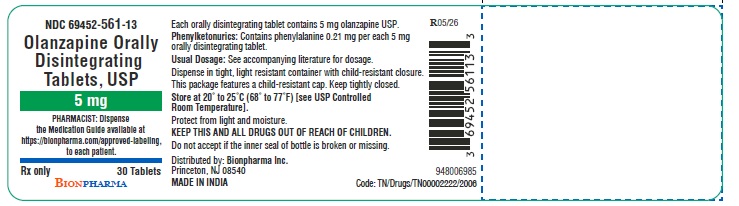
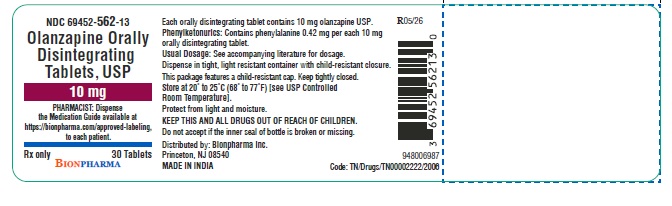
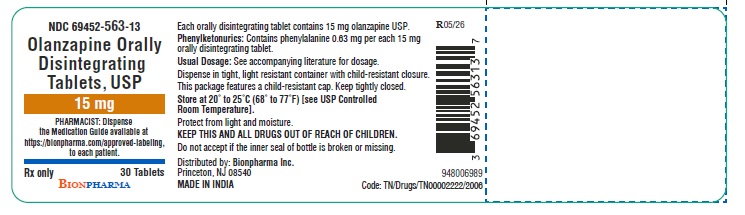
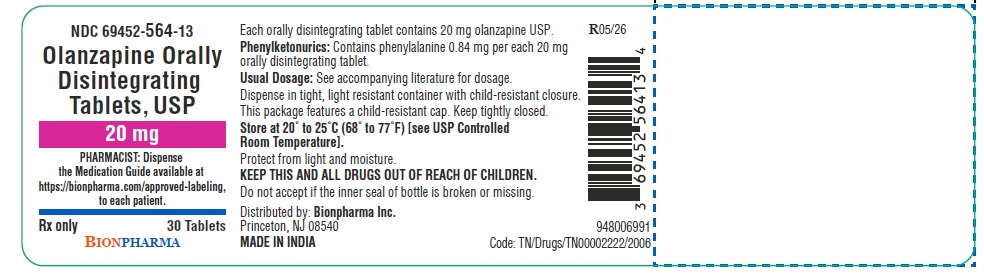
Olanzapine orally disintegrating tablets contains phenylalanine (0.21, 0.42, 0.63, or 0.84 mg per 5, 10, 15, or 20 mg tablet, respectively) [see Description (11)].
Use in Specific Populations
Pregnancy — Advise women to notify their healthcare provider if they become pregnant or intend to become pregnant during treatment with olanzapine. Advise patients that olanzapine may cause extrapyramidal and/or withdrawal symptoms (agitation, hypertonia, hypotonia, tremor, somnolence, respiratory distress, and feeding disorder) in a neonate. Advise patients that there is a pregnancy exposure registry that monitors pregnancy outcomes in women exposed to olanzapine during pregnancy [see Use in Specific Populations (8.1)].
Lactation — Advise breastfeeding women using olanzapine to monitor infants for excess sedation, irritability, poor feeding and extrapyramidal symptoms (tremors and abnormal muscle movements) and to seek medical care if they notice these signs [see Use in Specific Populations (8.3)].
Infertility — Advise females of reproductive potential that olanzapine may impair fertility due to an increase in serum prolactin levels. The effects on fertility are reversible [see Use in Specific Populations (8.3)].
Pediatric Use — Olanzapine is indicated for treatment of schizophrenia and manic or mixed episodes associated with bipolar I disorder in adolescents 13 to 17 years of age. Compared to patients from adult clinical trials, adolescents were likely to gain more weight, experience increased sedation, and have greater increases in total cholesterol, triglycerides, LDL cholesterol, prolactin, and hepatic aminotransferase levels. Patients should be counseled about the potential long-term risks associated with olanzapine and advised that these risks may lead them to consider other drugs first [see Indications and Usage (1.1, 1.2)]. Safety and effectiveness of olanzapine in patients under 13 years of age have not been established. Safety and efficacy of olanzapine and fluoxetine in combination in patients 10 to 17 years of age have been established for the acute treatment of depressive episodes associated with bipolar I disorder. Safety and effectiveness of olanzapine and fluoxetine in combination in patients <10 years of age have not been established [see Warnings and Precautions (5.5) and Use in Specific Populations (8.4)].
Need for Comprehensive Treatment Program in Pediatric Patients
Olanzapine is indicated as an integral part of a total treatment program for pediatric patients with schizophrenia and bipolar disorder that may include other measures (psychological, educational, social) for patients with the disorder. Effectiveness and safety of olanzapine have not been established in pediatric patients less than 13 years of age. Atypical antipsychotics are not intended for use in the pediatric patient who exhibits symptoms secondary to environmental factors and/or other primary psychiatric disorders. Appropriate educational placement is essential and psychosocial intervention is often helpful. The decision to prescribe atypical antipsychotic medication will depend upon the healthcare provider’s assessment of the chronicity and severity of the patient’s symptoms [see Indications and Usage (1.3)].
The brand listed in this Package Insert is the trademark of its owner and is not trademark of Bionpharma Inc. The makers of this brand are not affiliated with and do not endorse Bionpharma Inc. or its products.
Distributed by:
Bionpharma Inc.
Princeton, NJ 08540
Made in India
Revised: 5/2026