Genglycos Kit
FDA Label NDC 69794-345

45 label sections · Submitted to the FDA by Ultragenyx Pharmaceutical Inc. · Indications, Dosage, Usage, and Precautions

Structured Product Label

The following Structured Product Label (SPL) was submitted to the FDA by Ultragenyx Pharmaceutical Inc. for the product Genglycos (NDC 69794-345). This document serves as the official prescribing information, containing essential scientific data and clinical materials required for healthcare providers and patients.

This specific version of the label includes detailed information regarding 1. indications and usage, 2.1. patient selection, 2.2. dose, 2.3. preparation, 2.4. administration, 3. dosage forms and strengths, 4. contraindications, 5.1. hypersensitivity and infusion reactions, and other regulatory disclosures. Use the navigation below to review specific sections of the FDA submission.

Label Section Quick Index

1. Indications And Usage

GENGLYCOS is indicated to reduce daily cornstarch intake as an adjunct to nutritional management in adult and pediatric patients 8 years of age and older with glycogen storage disease type Ia (GSDIa).

This indication is approved under accelerated approval based on reduction in daily cornstarch intake [see Clinical Studies (14)]. Continued approval for this indication may be contingent upon verification of clinical benefit in a confirmatory trial(s).

2.1. Patient Selection

  • Select patients without detectable anti-AAV8 antibodies for treatment with GENGLYCOS. Do not administer GENGLYCOS to patients with a detected result for antibodies to AAV8. An FDA authorized test for detection of anti-AAV8 total binding antibodies is not currently available. For information regarding anti-AAV8 antibody testing, contact Ultragenyx Pharmaceutical Inc. at 1-888-756-8657. Currently available tests may vary in accuracy and design.
  • Assess adrenal function (perform clinical examination and laboratory testing including morning serum cortisol and ACTH) prior to GENGLYCOS administration [Warnings and Precautions (5.3).
  • Assess liver function [perform clinical examination and laboratory testing including alanine aminotransferase (ALT), aspartate aminotransferase (AST), and total bilirubin)] prior to administration [see Warnings and Precautions (5.2)].

2.2. Dose

For single-dose intravenous infusion only

The recommended dose of GENGLYCOS is 1.0 × 10¹³ genome copies per kilogram (gc/kg) body weight, administered as a single intravenous infusion.

Table 1: Recommended Dosing
Patient Body Weight Range (kg)Total Dose Volume

Dose volume is rounded up or down to the nearest 2 mL.

(mL)
Number of Vials
15 to <2163
21 to <2784
27 to <33105
33 to <39126
39 to <45147
45 to <51168
51 to <57189
57 to <632010
63 to <692211
69 to <752412
75 to <812613
81 to <872814
≥ 87

Patients weighing >87 kg should be dosed at the 87 kg weight.

3015

2.3. Preparation

General Precautions

  • Dilute and prepare GENGLYCOS for intravenous infusion using aseptic technique.
  • Verify the required dose of GENGLYCOS based on patient's body weight, and confirm the kit contains enough vials to prepare the GENGLYCOS infusion for the patient.
  • Vials should not be thawed or punctured until immediately prior to use. If the patient is not expected to be ready for same-day administration, store GENGLYCOS in a manner consistent with How Supplied/Storage and Handling (16).
  • Thaw and Inspect

    • 1.Remove and thaw vials at room temperature 20°C to 25°C (68°F to 77°F) for no more than 30 minutes.
    • 2.Once thawed, gently swirl the vials for 5 to 10 seconds to ensure even mixing. Do not shake. Do not refreeze.
    • 3.Visually inspect the thawed vials. GENGLYCOS is a clear to translucent suspension that may contain small white to off-white particles. Do not use the vial if the solution is discolored or contains matter other than small white to off-white particles.
    • Preparation of Solution for Infusion

      • 4.Withdraw 2 mL of GENGLYCOS from each vial using a polypropylene syringe and 18-gauge needle. Discard any unused portion left in the vials.
        • For doses requiring multiple vials, change needles at least every third vial.
        • 5.Remove and discard volume of 0.9% sodium chloride from either the 100 mL infusion bag (for patients weighing 15 – 39 kg) or 250 mL infusion bag (for patients weighing ≥ 40 kg) equal to the amount of GENGLYCOS that will be added to the bag. Use a polyvinyl chloride or polypropylene/polyethylene infusion bag. The volume to be withdrawn will vary based on the patient's body weight.
        • 6.Add the contents of the syringes through a sterile 0.2 μm PES or equivalent syringe filter into the infusion bags to bring the volume back up to either 100 mL (for patients weighing 15 – 39 kg) or 250 mL (for patients weighing ≥ 40 kg). Do not add GENGLYCOS into the airspace of the infusion bag to avoid foaming.
        • 7.Gently invert the infusion bag 4 times to ensure adequate mixing. Do not shake the infusion bag to avoid foaming.
        • 8.Connect the infusion bag to the infusion set equipped with a 0.2-micron(µm) filter and prime the tubing with diluted GENGLYCOS solution up to the hub of the catheter.
        • 9.Diluted GENGLYCOS solution should be administered immediately. If not used immediately, store the diluted solution:
          • At room temperature (20°C to 25°C [68°F to 77°F]) for up to 24 hours, including infusion time.
          • Refrigerate (2°C to 8°C [36°F to 46 °F]) and administer within 48 hours, from time of dilution to end of infusion.
          • Do not freeze the solution.

2.4. Administration

Premedication

Premedicate with acetaminophen and non-sedating antihistamines 30 to 60 minutes prior to infusion of GENGLYCOS.

Administration

  • 1.Administer GENGLYCOS as a single-dose intravenous infusion through a peripheral venous catheter.
  • 2.Do not administer GENGLYCOS as an intravenous push or bolus.
  • 3.Follow the recommended intervals and rates of infusion as shown in Table 2 to minimize the risk for infusion reactions.
  • Table 2: Recommended Infusion Rates for GENGLYCOS
    Interval After Start of Infusion (minutes)Infusion Rates (mL/hr)
    Patient Body Weight < 40 kgPatient Body Weight ≥ 40 kg
    0 to 60 minutes3 mL/hr6 mL/hr
    61 to 80 minutes8 mL/hr18 mL/hr
    81 to 100 minutes15 mL/hr38 mL/hr
    101 to 120 minutes30 mL/hr75 mL/hr
    121 to 180 minutes

    Ensure all contents of the infusion bag are infused, even if the infusion time exceeds 180 minutes, and is within 24 hours of dose preparation.

    80 mL/hr200 mL/hr
    • 4.In the event of an anaphylactic reaction/infusion reaction [see Warnings and Precautions (5.1)], pause the infusion and administer supportive care as clinically indicated to manage the anaphylactic reaction/infusion reaction. If the infusion is paused, restart at half the prior rate after the infusion reaction has resolved. If the infusion needs to be paused and restarted, GENGLYCOS infusion should be completed within 24 hours of dose preparation.
    • 5.After all contents of the bag are infused, flush the tubing with 50 mL of 0.9% sodium chloride (NaCl) injection using the same infusion rate that was used for the last part of the infusion to ensure all GENGLYCOS is delivered. Do not flush the tubing with sodium chloride injection as a bolus.
    • 6.Dispose unused GENGLYCOS and disposable materials that may have come in contact with GENGLYCOS in accordance with the local biosafety guidelines.
    • Immunosuppressive Therapy

      Table 3 includes the recommended corticosteroid regimen starting 2 weeks after GENGLYCOS administration.

      Table 3: Recommended Corticosteroid Regimen Starting 2 Weeks after GENGLYCOS Administration
      Corticosteroid (Prednisone or Equivalent) Dosage
      Starting doseFor patients weighing:
      • Less than 60 kg: 1.0 mg/kg/day for 4 weeks
      • 60 kg or more: 60 mg/day for 4 weeks
      Tapering graduallyTaper corticosteroid slowly over a minimum of 4 weeks. Refer to Monitoring Post-Administration for monitoring hepatic enzymes during and after the corticosteroid taper and assessing adrenal function after corticosteroid regimen.

      Monitoring Post-Administration

      • Assess liver function (AST, ALT, total bilirubin) after GENGLYCOS administration weekly until 2 weeks after completion of the corticosteroid taper period (see Table 3). If the patient is clinically stable with unremarkable findings (normal clinical exam, total bilirubin, and ALT and AST levels (below 1.5 × ULN or below 1.5 × baseline)) at the end of the corticosteroid taper period, continue to monitor liver function every 2 to 4 weeks until month 6, and as clinically indicated.
        • If hepatic enzyme (ALT or AST) elevations (≥ 1.5 × ULN and ≥ 1.5 × baseline) occur, the corticosteroid regimen may need to be initiated or adjusted followed by gradual taper as clinically indicated. [see Warnings and Precautions (5.2)].
        • If hepatic enzyme elevations do not respond to corticosteroid adjustment, consult a gastroenterologist or hepatologist.
        • Assess adrenal function with morning serum cortisol and ACTH before the corticosteroid regimen, closely monitor adrenal function after GENGLYCOS administration, and repeat testing as clinically indicated. Consult with an endocrinologist in patients with abnormal baseline or persistent low morning cortisol levels. If adrenal insufficiency is suspected, increase the corticosteroid dose to the last tolerated dose and consult an endocrinologist. [see Warnings and Precautions (5.3)].

3. Dosage Forms And Strengths

GENGLYCOS is supplied as a clear to translucent suspension for intravenous infusion at a concentration of 3.0 × 10¹³ genome copies/mL (gc/ml). Each vial of GENGLYCOS contains 2 mL of extractable volume.

GENGLYCOS is provided in a kit containing 3 to 15 single-dose vials, with each kit constituting a dosage unit based on the patient's body weight [see How Supplied/Storage and Handling (16.1)].

4. Contraindications

GENGLYCOS is contraindicated in patients with known severe hepatic fibrosis or cirrhosis.

5.1. Hypersensitivity And Infusion Reactions

Hypersensitivity reactions including anaphylaxis and infusion reactions (IRs) have occurred with GENGLYCOS treatment. Severe reactions have been reported [see Adverse Reactions (6.1)]. Monitor for signs and symptoms of hypersensitivity and IRs, including urticaria, flushing, hypotension, bronchospasm, dyspnea, chest tightness, nausea, vomiting, headache, abdominal pain, lightheadedness, flu-like symptoms, shivering, rash, and hypertension.

Premedicate with acetaminophen and non-sedating antihistamines and administer GENGLYCOS according to recommended infusion rates. Monitor patients during and after completion of GENGLYCOS infusion as clinically indicated. If anaphylaxis or a severe IR occurs, pause GENGLYCOS infusion immediately and initiate medical treatment as clinically indicated, monitoring as needed. For mild to moderate IRs, consider slowing or temporarily interrupting the infusion, and administer symptomatic treatment as clinically indicated. The infusion may be restarted at half the prior rate upon resolution of symptoms. [see Dosage and Administration (2.4)].

Medical support measures, including cardiopulmonary resuscitation equipment and medications for the treatment of anaphylaxis (e.g., epinephrine, antihistamines, corticosteroids), should be available during GENGLYCOS administration.

5.2. Hepatotoxicity

Immune-mediated hepatotoxicity, with elevated ALT and/or AST levels, has occurred with GENGLYCOS [see Adverse Reactions (6.1)]. Avoid use in patients with preexisting hepatic impairment or acute hepatic viral infection.

Prior to GENGLYCOS infusion, evaluate liver-related medical history and assess liver function by clinical examination and laboratory testing. Advise patients to immediately report signs and symptoms of hepatotoxicity, including fatigue, jaundice, dark urine, nausea, vomiting, and right upper quadrant pain. Administer corticosteroids to all patients after GENGLYCOS infusion in order to mitigate hepatic reactions. Elevated transaminases may require adjustment of the corticosteroid treatment regimen, including increased dose or prolongation of the corticosteroid taper [see Dosage and Administration (2.4)].

Monitor transaminase levels for the first 6 months after GENGLYCOS administration. Continue to monitor transaminases in all patients who develop transaminase elevations, until transaminases return to baseline or as clinically indicated [see Dosage and Administration (2.4)].

5.3. Adrenal Insufficiency

Adrenal insufficiency, including serious events, has been reported in patients receiving GENGLYCOS during corticosteroid use and tapering. [see Adverse Reactions (6.1)].

Signs and symptoms of adrenal insufficiency include fatigue, weakness, anorexia, nausea, vomiting, hypotension, hyponatremia, and hypoglycemia. Adrenal crisis may present as severe hypotension, acute abdominal pain, or loss of consciousness.

Monitor patients for signs and symptoms of adrenal insufficiency and adrenal crisis after GENGLYCOS administration during and after corticosteroid therapy and tapering. [see Dosage and Administration (2.4)]. Taper corticosteroid therapy gradually. Do not abruptly discontinue corticosteroid therapy.

5.4. Aav Vector Integration And Risk Of Tumorigenicity

There is a theoretical risk of tumorigenicity due to integration of AAV vector DNA into the genome.

GENGLYCOS is composed of a recombinant, non-replicating AAV8 vector whose DNA persists largely in episomal form. Random integration of recombinant AAV-vector DNA into human DNA has been reported with AAV gene therapies. The clinical relevance of individual integration events is unknown, but it is acknowledged that individual integration events could potentially contribute to a risk of tumorigenicity. If a tumor develops in a patient receiving GENGLYCOS, health care providers should contact and report the tumor to Ultragenyx Pharmaceutical Inc. at 1-888-756-8657.

6.1. Clinical Trials Experience

Because clinical trials are conducted under widely varying conditions, adverse reaction rates observed in the clinical trials of a drug cannot be directly compared to rates in the clinical trials of another drug and may not reflect the rates observed in practice.

The safety data described in this section reflects exposure to GENGLYCOS in two clinical studies.

Study 1 was a randomized, double-blind, placebo-controlled study in 46 patients aged 8 years and older with GSDIa. During the Primary Efficacy Analysis Period (PEAP, Weeks 1–48), 21 patients received GENGLYCOS at the recommended dose of 1.0 × 10¹³ gc/kg and 25 received placebo. After Week 48, 19 placebo-treated patients subsequently received GENGLYCOS up to Week 96.

Study 2 was a single-arm, open-label study of GENGLYCOS in 12 adults with GSDIa with follow up duration of 52 weeks.

Seven serious adverse events (SAEs) were observed in PEAP of Study 1, including anaphylaxis /infusion reaction (2), adrenal insufficiency (2), high lactate level (2), and hypoglycemia (1).

The most common adverse reactions in the PEAP (occurring in ≥10 % of patients) with higher frequency in GENGLYCOS compared to placebo during PEAP in Study 1 are shown in Table 4.

Table 4: Adverse Reactions: Study 1
Preferred TermGENGLYCOS (N=21)
Events n | Subjects N (%)
Placebo (N=25)
Events n | Subjects N (%)
Abbreviations: ALT: Alanine Aminotransferase; AST: Aspartate Aminotransferase.
ALT/AST Enzyme elevated

All events were mild to moderate (< 5.0× ULN), except one severe (Grade 3) asymptomatic event (peak ALT: 253 U/L). ALT/AST elevations peaked between 4 and 12 weeks post-GENGLYCOS administration and resolved within 15 weeks [see Warnings and Precautions (5.2)]

29 | 15 (71)6 | 3 (12)
Nausea12 | 8 (38)10 | 4 (16)
Headache11 | 5 (24)9 | 3 (12)
Hypertriglyceridemia

All adverse events were mild to moderate.

10 | 6 (29)2 | 2 (8)
Adrenal Insufficiency

Two SAEs were reported [see Warnings and Precautions (5.3)].

7 | 5 (24)0 | 0
Constipation5 | 4 (19)0 | 0
Hyperglycemia

All adverse events were mild.

5 | 3 (14)0 | 0
Acne / Dermatitis Acneiform4 | 4 (19)0 | 0
Cushingoid Features3 | 3 (14)0 | 0
Anaphylaxis

Two Serious adverse reactions with onset within minutes of GENGLYCOS administration [see Warnings and Precautions (5.1)]

2 | 2 (10)0 | 0

Safety evaluations during the Crossover Period of Study 1 and in Study 2 did not identify any additional adverse reactions.

7 Drug Interactions

Vaccinations

Vaccine schedules may need to be adjusted for immunosuppressive therapy [see DOSAGE AND ADMINISTRATION (2.4)], and vaccines should be avoided 1 month prior to GENGLYCOS administration.

8.1. Pregnancy

Risk Summary

GENGLYCOS should not be used during pregnancy. There is no data on the use of GENGLYCOS in pregnant women. It is not known whether GENGLYCOS can cause fetal harm when administered to a pregnant woman or can affect reproductive capacity.

Pregnant C57BL/6 mice administered pariglasgene brecaparvovec-opnr intravenously (IV) at 1.3 × 10¹⁴ gc/kg of maternal body weight on gestation day 6 showed no adverse maternal effects or fetal abnormalities. While vector DNA was detected in the blood and placenta of pregnant mice, it was not detected in the liver of the fetuses [see Nonclinical Toxicology (13.1)].

The estimated background risk of major birth defects and miscarriage for the indicated population is unknown. All pregnancies have a background risk of birth defect, loss, or other adverse outcomes. In the U.S. general population, the estimated background risks of major birth defects and miscarriage in clinically recognized pregnancies is 2% to 4% and 15% to 20%, respectively.

8.2. Lactation

Risk Summary

There is no information regarding the presence of GENGLYCOS in human milk, the effects on the breastfed infant, or the effects on milk production. The developmental and health benefits of breastfeeding should be considered along with the mother's clinical need for GENGLYCOS and any potential adverse effects on the breastfed child from GENGLYCOS or from the underlying maternal condition.

8.3. Females And Males Of Reproductive Potential

Contraception

Females

Women of childbearing potential should use effective contraception for at least 12 months after administration of GENGLYCOS.

Males

While vector DNA was detected in semen of mice on Day 29 after a single intravenous administration of 1.8 × 10¹³ gc/kg of pariglasgene brecaparvovec-opnr, there was no detection of vector DNA in semen at Day 92 even though vector DNA was still detectable in the testes [see Clinical Pharmacology (12.3), Nonclinical Toxicology (13.1)]. In a germline transmission study in mice, pariglasgene brecaparvovec-opnr was not detected in the blood and liver of offspring of mice following IV administration of pariglasgene brecaparvovec-opnr at 1.3 × 10¹⁴ gc/kg to either parent 37 days prior to mating [see Nonclinical Toxicology (13.1)]. For 6 months after administration of GENGLYCOS, men must not donate semen, and men of reproductive potential and their female partners must prevent or postpone pregnancy using an effective form of contraception.

Infertility

No human data are available on the effect of GENGLYCOS on fertility. Animal studies with pariglasgene brecaparvovec-opnr showed no effects on mating fertility or fertility index in male and female mice at 1.3 × 10¹⁴ gc/kg [see Nonclinical Toxicology (13.1)].

8.4. Pediatric Use

The safety and efficacy of GENGLYCOS have been established in pediatric patients aged 8 years and older in Study 1, including 20 patients aged 8-17 years (median 13.5 years) [see Adverse Reactions (6.1), Clinical Studies (14)].

The safety and efficacy of GENGLYCOS in pediatric patients aged less than 8 years have not been established.

8.5. Geriatric Use

GENGLYCOS has not been studied in patients 65 years of age and older.

11. Description

GENGLYCOS (pariglasgene brecaparvovec-opnr) is an adeno-associated viral vector-based gene therapy product. GENGLYCOS is a non-replicating, recombinant adeno-associated serotype 8 (AAV8) based vector containing a codon-optimized, wild-type human G6PC gene under the control of native G6PC promoter and enhancer elements. GENGLYCOS is produced in human embryonic kidney cells by recombinant DNA technology.

GENGLYCOS is a sterile, clear to translucent suspension for intravenous infusion after dilution. Each vial of GENGLYCOS contains an extractable volume of 2 mL of pariglasgene brecaparvovec-opnr at a concentration of 3.0 × 10¹³ genome copies per mL (gc/ml) and the following excipients: magnesium chloride (0.2 mg/mL) poloxamer 188 (0.1 mg/mL), sodium chloride (11.7 mg/mL), and tris (2.4 mg/mL). The pH of GENGLYCOS is 7.5 - 8.5.

12.1. Mechanism Of Action

GENGLYCOS is an adeno-associated virus serotype 8 (AAV8) based gene therapy designed to deliver a copy of the glucose-6-phosphatase (G6PC) gene with native human G6PC promoter and enhancer elements to hepatocytes, resulting in the production of normally functioning G6Pase.

12.2. Pharmacodynamics

The change of cornstarch intake after GENGLYCOS administration was evaluated in Study 1 [see Clinical Studies (14)].

12.3. Pharmacokinetics

Vector Distribution and Vector Shedding

Pariglasgene brecaparvovec-opnr vector DNA levels were measured and quantified in blood and various shedding matrices using a quantitative polymerase chain reaction (qPCR) assay. This assay is sensitive and specific to pariglasgene brecaparvovec-opnr vector DNA, including DNA fragments with an intact target sequence.

Nonclinical Data

Biodistribution of vector genome DNA was evaluated following a single intravenous administration of pariglasgene brecaparvovec-opnr in adult C57BL/6N mice at a dose of 1.8 × 10¹³ gc/kg. At 13 weeks post dose, vector genome DNA was detected in all major organs analyzed, with the highest quantities detected in the liver followed by lower levels in the kidney, lung, heart, gonads, and spleen. The expression of human G6PC mRNA transcripts was primarily detected in the liver, with at least 100-fold higher level than those measured in extrahepatic tissues.

Vector genome determination in blood and vector shedding in urine, stool, saliva, and semen was evaluated in mice up to 90 days following an intravenous administration of pariglasgene brecaparvovec-opnr at 1.8 × 10¹³ gc/kg. The highest concentration of vector genome DNA was found in blood followed by stool, urine, semen, and saliva. Vector genome DNA dropped below the limit of detection in saliva after 1 week, in stool and urine after 1 month, and in semen and blood after 3 months.

Clinical Data

Biodistribution of vector genome DNA in blood and vector shedding in urine, stool, and saliva were assessed in 12 patients at baseline and on follow-up (Day 2, Week 4, 6, 12, 24, 36, and 52 for blood samples, Day 4 and 12, Week 4, 6, and 12 for other urine, stool and saliva samples) until three consecutive measurements were below the limit of detection (LOD). Peak levels of vector genome DNA occurred at the first post-dose assessment on Day 2 in blood and between Day 3 and Day 13 in stool, saliva, and urine. At a dose of 6.0 × 10¹² gc/kg measured using qPCR (which is equivalent to the recommended dose of 1.0 × 10¹³ gc/kg measured using digital droplet polymerase chain reaction (ddPCR), the highest individual peak concentration of vector genome DNA observed in blood was 6.8 × 10⁷ gc/100 ng and in the stool was 1.7 × 10⁶ gc/100 ng. Blood vector genome DNA in most patients reached below the limit of detection (LOD = 10 copies of target DNA/100 ng DNA) approximately 24 weeks post infusion. Clearance of vector DNA was defined as measurement of 3 consecutive results below the limit of detection. Based on this definition, vector genome DNA was cleared from saliva within 7 weeks and from urine and stool within 13 weeks post-infusion.

Pharmacokinetics in Specific Populations

No dedicated pharmacokinetic studies using pariglasgene brecaparvovec-opnr have been conducted in special populations.
12.6. Immunogenicity

The observed incidence of anti-AAV8 and anti-G6Pase antibodies is highly dependent on the sensitivity and specificity of the assay. Differences in assay methods preclude meaningful comparisons of the incidence of anti-AAV8 and anti-G6Pase antibodies in the studies described below with the incidence of anti-AAV8 and anti-G6Pase antibodies in other studies, including those of GENGLYCOS or of other AAV-based gene therapy products.

Anti-AAV8 antibody titers and anti-G6Pase antibody titers after GENGLYCOS treatment were assessed by investigational total binding antibody electrochemiluminescence assays (ECLA) in Study 1.

In clinical studies, all patients receiving treatment were required to have undetectable anti-AAV8 antibodies at screening. The safety and efficacy of GENGLYCOS in patients with detected anti-AAV8 antibodies have not been formally evaluated.

All patients seroconverted to anti-AAV8 antibody positive or demonstrated an increase in titer following administration of GENGLYCOS. At the dose of 1.0 × 10¹³ gc/kg in Study 1 (N=40), individual anti-AAV8 antibody titers peaked for the GENGLYCOS group and 'placebo to GENGLYCOS' group at a mean (SD) of 180 (132) days and 166 (87) days, respectively, after administration with mean (SD) values of 20,418,582 (3,845,048) and 18,755,295 (5,628,088), respectively, and remained positive until Week 48, the last timepoint tested. Similar seroconversion rates were observed in Study 2, with follow-up in Study 3, and remained positive until Week 208, the last timepoint tested.

In Study 1, 11 of 40 patients had an increase in anti-G6Pase antibodies in serum following administration with GENGLYCOS. At the dose of 1.0 × 10¹³ gc/kg, the mean (SD) time to seroconversion was 294 (156) days and 278 (129) days for the GENGLYCOS group (N=7) and 'placebo to GENGLYCOS' group (N=4), respectively, and the maximum titer observed was 1:40. The clinical significance of anti-G6Pase antibodies is not known.

GENGLYCOS-treated patients were tested in Study 2, with follow-up in Study 3, for cellular immune responses to the AAV8 capsid by IFNγ ELISpot in blood, which is typically indicative of a T cell response. In some patients, an increase in cellular response to AAV8 preceded rises in alanine aminotransferase during the first year after GENGLYCOS administration. Transaminase elevations generally resolved or improved with corticosteroids [see Warnings and Precautions (5.2)]. Cellular immune response to the AAV8 capsid was not assessed in Study 1.

13.1. Carcinogenesis, Mutagenesis, Impairment Of Fertility

Carcinogenicity studies have not been conducted with GENGLYCOS.

Liver samples collected from offspring of C57BL/6N mice administered pariglasgene brecaparvovec-opnr at a dose of 1.3 × 10¹⁴ gc/kg showed no differences in integration patterns (using target enrichment sequencing) in the F1 offspring of treated vs untreated mice and therefore and correspondingly provide no evidence of germline transmission, despite vector DNA detection in the ovaries and testes of adult mice. At this dose level, there were no adverse effects on mating, fertility, pregnancy, lactation, or litter viability. Administration of pariglasgene brecaparvovec-opnr showed the presence of vector DNA in the blood (males only), liver, testes, and ovaries of treated mice; however, no vector DNA was observed in the blood and liver from the offspring, indicating no germline transmission to F1 offspring.

13.2. Animal Toxicology And/Or Pharmacology

A single intravenous administration of up to 1.2 × 10¹⁴ gc/kg of pariglasgene brecaparvovec-opnr in C57BL/6 mice, followed by an observation period of up to 13 weeks, resulted in dose-dependent elevations in transaminases (ALT and AST) at Week 4 that were almost resolved by Week 13. Lymphoid hyperplasia was observed in the spleen and lymph nodes, as well as single cell necrosis/apoptosis with Kupffer cell hyperplasia in the liver, at 1.2 × 10¹⁴ gc/kg at Week 4 and was completely resolved by Week 13. Minimal neuronal degeneration in the cervical or thoracic dorsal root ganglia was observed in 2 male mice at 1.2 × 10¹⁴ gc/kg at Week 4; this change was not observed in male or female mice at Week 13.

A single intravenous administration of up to 1.3 × 10¹⁴ gc/kg of pariglasgene brecaparvovec-opnr in juvenile C57BL/6N mice, followed by an observation period of 4 or 13 weeks, resulted in moderate increases in transaminases (ALT and AST), increased spleen weights, and hepatocellular and/or single cell necrosis with mixed inflammatory cells in mice at doses of ≥1.8 × 10¹³ gc/kg at Week 4. These findings trended towards recovery or had full recovery by Week 13. These findings were observed at a dose which is approximately 11- to 12-fold above the recommended dose of 1.0 × 10¹³ gc/kg.

A single intravenous administration of up to 1.3 × 10¹⁴ gc/kg of pariglasgene brecaparvovec-opnr in cynomolgus monkeys, followed by an observation period of 26 weeks, resulted in pariglasgene brecaparvovec-opnr-related changes limited to minimal increases in ALT at Week 1 and 13 which were no longer present by Week 26.

14. Clinical Studies

The efficacy of GENGLYCOS was evaluated in a multicenter, randomized, double-blind, placebo-controlled (Week 1 to Week 48), cross-over (Week 48 to Week 96) study (Study 1, NCT05139316).

A total of 49 patients were randomized in a 1:1 ratio to receive a single intravenous infusion of either GENGLYCOS at a dose of 1.0 × 10¹³ genome copies per kilogram (gc/kg) body weight or placebo. Patients weighing >87 kg were dosed at the 87 kg weight. Three patients discontinued prior to receiving any treatment and the remaining 46 patients received the assigned treatment and were included in the efficacy analysis. Patients with detectable baseline anti-AAV8 total antibodies were excluded.

The demographic characteristics of the efficacy analysis population (N=46) were as follows: the mean age was 20.5 years (range 8 to 37 years), 27 (58.7%) patients were male, 41 (89.1%) patients were White, 2 (4.3%) patients were Asian, 3 (6.5%) patients were of unknown race or did not report race, and 6 (13.0%) patients were Hispanic or Latino.

Prior to randomization, all patients underwent a 16-week nutritional optimization and stabilization period during which cornstarch dosing and dietary intake were adjusted.

The primary efficacy endpoint was the percent change from baseline to Week 48 in total daily cornstarch (CS) intake in grams (g). Daily CS intake was recorded by patients and caregivers in an electronic diary and was prescribed and adjusted by the principal investigator based on blinded weekly assessments of continuous glucose monitoring data. The secondary efficacy endpoints included the change from baseline in the number of daily CS doses and the percent of glucose values in the hypoglycemic range (<70 mg/dL), averaged over a 4-week period.

The efficacy results from Study 1 are summarized in Table 5 below.

Table 5: Summary of Efficacy Results: Study 1 (N=46)
Efficacy Endpoint

The LS mean, SE, and 95% CI were estimated using a mixed model for repeated measures (MMRM).

(Week 48)
GENGLYCOS
(N = 21)
Placebo (N = 25)Difference (95% CI)
CI=Confidence Interval; LS=Least Square; SD=Standard Deviation; SE=Standard Error.
Daily Cornstarch Intake
Baseline; Mean (SD) (g)293.9 (83.2)271.7 (109.0)
Percent Change from Baseline, LS Mean (SE)-41.1% (3.9 %)-10.2% (3.6%)-30.9% (-40.8%, -20.9%)
Number of Daily Cornstarch Doses
Baseline; Mean (SD)5.8 (1.3)5.1 (1.4)
Change from Baseline, LS Mean (SE)-1.2 (0.2)-0.2 (0.2)-1.0 (-1.4, -0.5)
Percentage of Glucose Values in the Hypoglycemic Range (< 70 mg/dL)
Baseline; Mean (SD)2.5% (2.5%)1.9% (2.2%)
Change from Baseline, LS Mean (SE)3.1% (0.8%)0.1% (0.8%)3.1% (0.9%, 5.2%)

In 15 of the 21 patients treated with GENGLYCOS with available data at Week 96, the observed mean (SD) percent change from baseline (pre-dosing) at Week 96 in daily cornstarch intake was -60.8% (19.7%) and the observed mean (SD) change from baseline (pre-dosing) at Week 96 in the number of daily cornstarch doses was -2.0 (1.3). In 19 of the 21 patients treated with GENGLYCOS with available data at Week 96, the observed mean (SD) change from baseline (pre-dosing) at Week 96 in percentage of glucose values in the hypoglycemic range (glucose <70 mg/dL) was 5.2% (6.3%).

16.1. How Supplied

GENGLYCOS is supplied as a clear to translucent suspension for intravenous infusion. GENGLYCOS contains 3.0 × 10¹³ genome copies per mL.

GENGLYCOS is shipped frozen ≤ -60°C (-76°F) in 8 mL vials, with an extractable volume of 2 mL.

GENGLYCOS is provided as a kit to meet the dosing requirements for each patient. Each kit contains a specified number of GENGLYCOS vials (NDC 69794-332-01), with a minimum of 3 vials and a maximum of 15 vials. The total number of vials in each kit corresponds to the dosing requirement for the individual patient, based on the patient's body weight [see Dosage and Administration (2.2)].

Kit sizes and National Drug Codes (NDC) are provided in Table 6.

Table 6: GENGLYCOS Kits
Patient body weight range (kg)Total Dose Volume (mL)Number of vialsNDC Number
15 to <216369794-333-03
21 to <278469794-334-04
27 to <3310569794-335-05
33 to <3912669794-336-06
39 to <4514769794-337-07
45 to <5116869794-338-08
51 to <5718969794-339-09
57 to <63201069794-340-10
63 to <69221169794-341-11
69 to <75241269794-342-12
75 to <81261369794-343-13
81 to <87281469794-344-14
≥ 87301569794-345-15

16.2. Storage And Handling

  • GENGLYCOS is shipped and stored at ≤ -60°C (-76°F).
  • Store upright at ≤ -60°C (-76°F).
  • Store in the original carton until ready to use.
  • Protect GENGLYCOS from light.
  • Once thawed, Do not refreeze.
  • Vials should not be thawed or punctured until immediately prior to use.
  • If necessary, an intact vial (stopper not yet punctured) that has been thawed can be stored refrigerated 2°C-8°C (36°F - 46°F) for up to 12 days, upright and protected from light (e.g., in the original carton).
  • After dilution

    • If the diluted GENGLYCOS solution is not administered immediately, it may be stored:
      • at room temperature 20 °C to 25 °C (68 °F to 77 °F) for a maximum of 24 hours, including preparation and infusion times [see Dosage and Administration (2.3, 2.4)], or
      • under refrigeration 2 °C to 8 °C (36 °F to 46 °F) for up to 48 hours, including preparation and infusion times.
      • In case of spills of GENGLYCOS, work surfaces should be decontaminated, and materials should be removed according to local guidelines.
      • Follow local guidelines on handling and disposal of biological waste.

17. Patient Counseling Information

Infusion Reactions

Inform patients/caregivers that infusion reactions, including hypersensitivity reactions, may occur. Patients will be closely monitored during and after infusion [see Warnings and Precautions (5.1)]. Educate patients/caregivers on possible symptoms of infusion reactions during and after infusion. Advise them to contact a healthcare provider immediately if they experience such a reaction [see Dosage and Administration (2.4), Warnings and Precautions (5.1)].

Hepatotoxicity

Inform patients/caregivers that GENGLYCOS can increase certain hepatic enzymes. Inform patients or caregivers that patients will receive an oral corticosteroid medication and/or immunomodulatory therapy after infusion with GENGLYCOS. Advise patients or caregivers to adhere to the corticosteroid and/or immunomodulatory therapy regimen and about potential adverse reactions and necessary precautions. Inform patients or caregivers that patients will undergo regular blood tests to monitor liver function. Advise patients or caregivers to contact their healthcare provider immediately if the patient's skin and/or whites of the eyes appear yellowish or if the patient misses a dose of corticosteroid or vomits it up.

Advise patients/caregivers not to use any medications, including herbal products and nutritional supplements, without first confirming with a healthcare provider that they are not hepatotoxic. Inform patients on the potential risks of alcohol consumption following GENGLYCOS infusion. [see Warnings and Precautions (5.2)].

AAV Vector Integration and Risk of Tumorigenicity

Inform patients/caregivers that there is a theoretical risk of tumorigenicity with AAV therapies such as GENGLYCOS. Advise patients/caregivers to contact their healthcare provider and Ultragenyx Pharmaceutical Inc. (1-888-756-8657) if the patient who received GENGLYCOS develops a tumor [see Warnings and Precautions (5.4)].

Vaccinations

Advise patients/caregivers to consult with their healthcare provider to determine if adjustments to the patient's vaccination schedule are necessary for corticosteroid and other immunosuppressive therapy use. Vaccines should be avoided 1 month prior to GENGLYCOS administration [see Drug Interactions (7)].

Contraception and Semen Donation

Advise patients that, after a male patient has been treated with GENGLYCOS, the male patient and/or his female partner must avoid pregnancy for a period of 6 months using an effective form of contraception and the male patient must not donate semen for a period of 6 months [see Use in Specific Populations (8.3)]. Women of childbearing potential should use effective contraception for at least 12 months after administration of GENGLYCOS.

Vector Shedding

Inform patients/caregivers that vector distribution in blood and vector shedding in urine, stool, and saliva may occur after GENGLYCOS infusion. Advise patients/caregivers on proper hygiene when handling patient body waste. These precautions should be followed for 3 months after GENGLYCOS infusion [see Clinical Pharmacology (12.3)].

Other

Manufactured by:
Ultragenyx Pharmaceutical Inc.
Novato, CA 94949
U.S. License No. 2040

© 2026 Ultragenyx Pharmaceutical Inc.

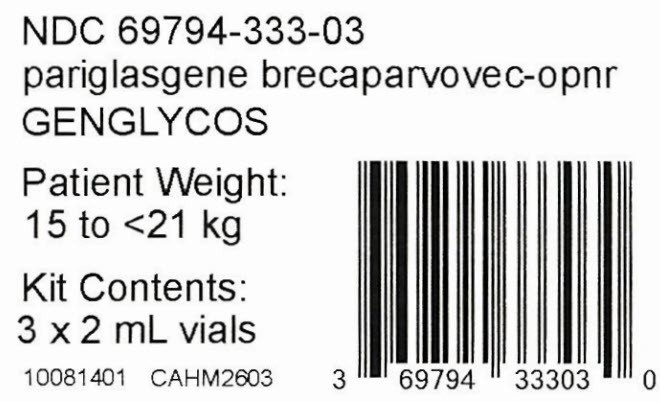
Principal Display Panel - 2 Vial Kit Label - Ndc 69794-333-03

NDC 69794-333-03

pariglasgene brecaparvovec-opnr
GENGLYCOS

Patient Weight:
15 to <21 kg

Kit Contents:
3 × 2 mL vials

10081401
CAHM2603

Principal Display Panel (2 Vial Kit Label)

Principal Display Panel (2 Vial Kit Label)

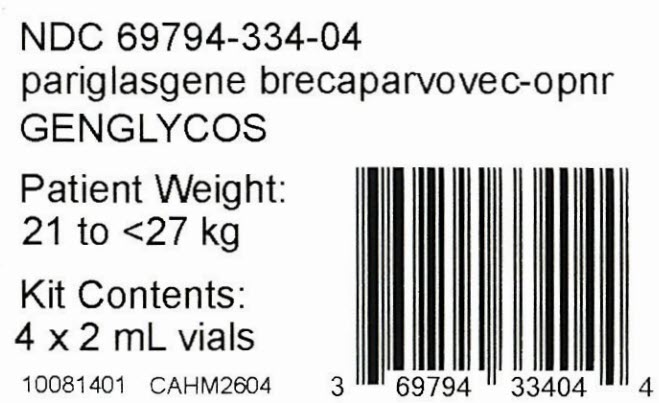
Principal Display Panel - 2 Vial Kit Label - Ndc 69794-334-04

NDC 69794-334-04

pariglasgene brecaparvovec-opnr
GENGLYCOS

Patient Weight:
21 to <27 kg

Kit Contents:
4 × 2 mL vials

10081401
CAHM2604

Principal Display Panel (2 Vial Kit Label)

Principal Display Panel (2 Vial Kit Label)

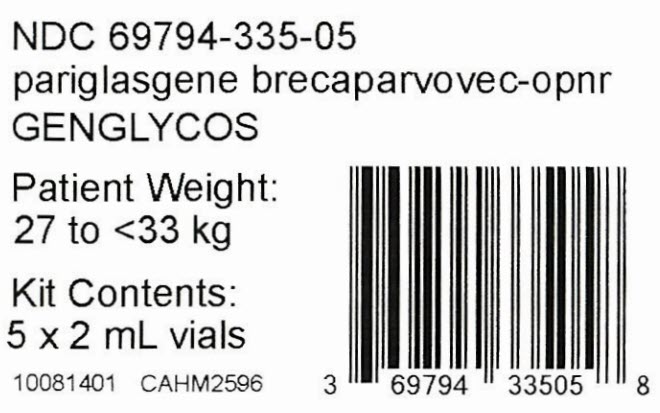
Principal Display Panel - 2 Vial Kit Label - Ndc 69794-335-05

NDC 69794-335-05

pariglasgene brecaparvovec-opnr
GENGLYCOS

Patient Weight:
27 to <33 kg

Kit Contents:
5 × 2 mL vials

10081401
CAHM2596

Principal Display Panel (2 Vial Kit Label)

Principal Display Panel (2 Vial Kit Label)

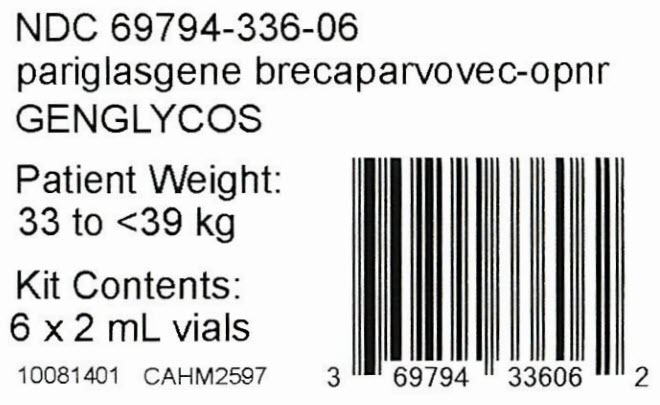
Principal Display Panel - 2 Vial Kit Label - Ndc 69794-336-06

NDC 69794-336-06

pariglasgene brecaparvovec-opnr
GENGLYCOS

Patient Weight:
33 to <39 kg

Kit Contents:
6 × 2 mL vials

10081401
САHM2597

Principal Display Panel (2 Vial Kit Label)

Principal Display Panel (2 Vial Kit Label)

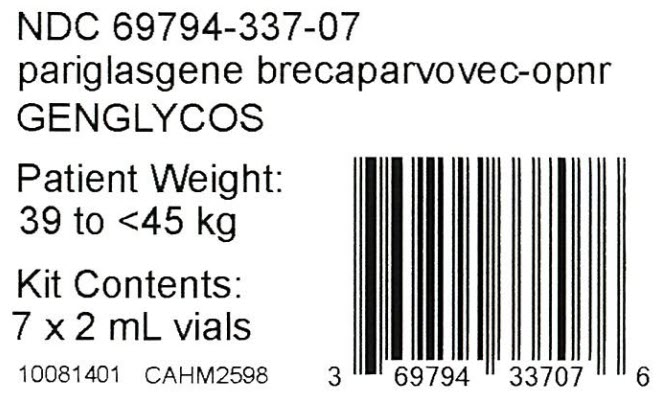
Principal Display Panel - 2 Vial Kit Label - Ndc 69794-337-07

NDC 69794-337-07

pariglasgene brecaparvovec-opnr
GENGLYCOS

Patient Weight:
39 to <45 kg

Kit Contents:
7 × 2 mL vials

10081401
CAHM2598

Principal Display Panel (2 Vial Kit Label)

Principal Display Panel (2 Vial Kit Label)

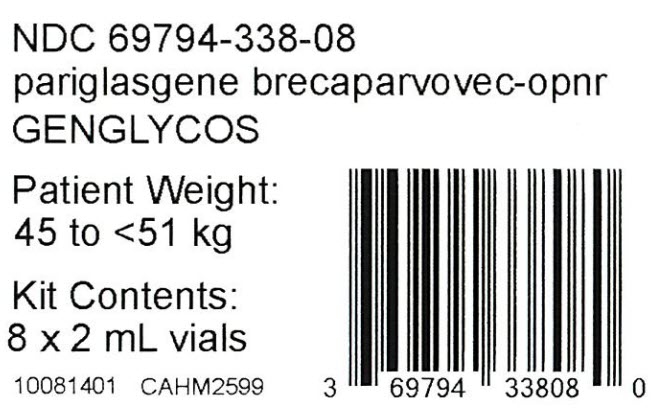
Principal Display Panel - 2 Vial Kit Label - Ndc 69794-338-08

NDC 69794-338-08

pariglasgene brecaparvovec-opnr
GENGLYCOS

Patient Weight:
45 to <51 kg

Kit Contents:
8 × 2 mL vials

10081401
CАНM2599

Principal Display Panel (2 Vial Kit Label)

Principal Display Panel (2 Vial Kit Label)

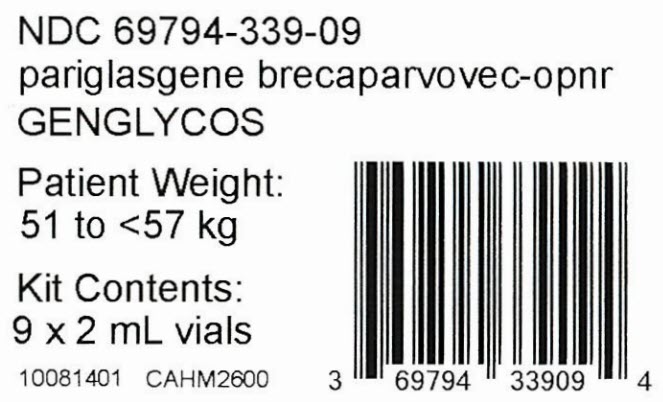
Principal Display Panel - 2 Vial Kit Label - Ndc 69794-339-09

NDC 69794-339-09

pariglasgene brecaparvovec-opnr
GENGLYCOS

Patient Weight:
51 to <57 kg

Kit Contents:
9 × 2 mL vials

10081401
CАHM2600

Principal Display Panel (2 Vial Kit Label)

Principal Display Panel (2 Vial Kit Label)

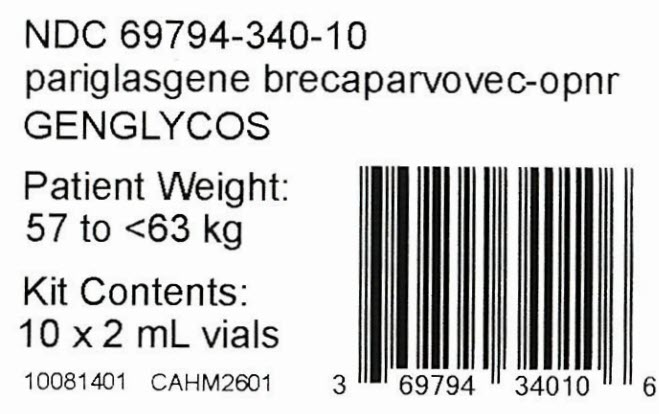
Principal Display Panel - 2 Vial Kit Label - Ndc 69794-340-10

NDC 69794-340-10

pariglasgene brecaparvovec-opnr
GENGLYCOS

Patient Weight:
57 to <63 kg

Kit Contents:
10 × 2 mL vials

10081401
CAHM2601

Principal Display Panel (2 Vial Kit Label)

Principal Display Panel (2 Vial Kit Label)

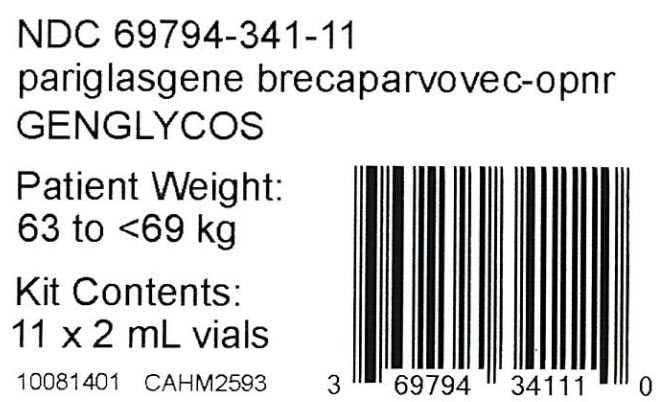
Principal Display Panel - 2 Vial Kit Label - Ndc 69794-341-11

NDC 69794-341-11

pariglasgene brecaparvovec-opnr
GENGLYCOS

Patient Weight:
63 to <69 kg

Kit Contents:
11 × 2 mL vials

10081401
CAHM2593

Principal Display Panel (2 Vial Kit Label)

Principal Display Panel (2 Vial Kit Label)

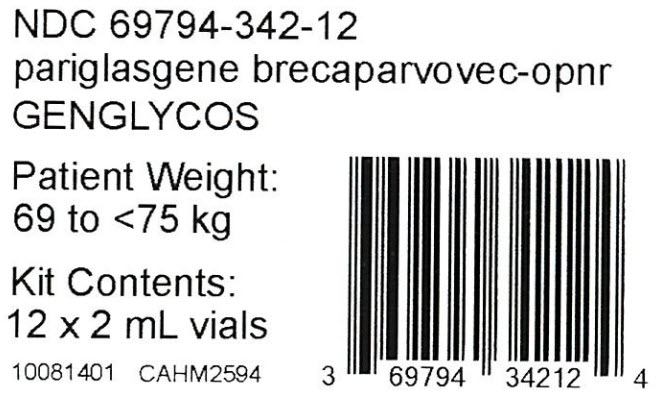
Principal Display Panel - 2 Vial Kit Label - Ndc 69794-342-12

NDC 69794-342-12

pariglasgene brecaparvovec-opnr
GENGLYCOS

Patient Weight:
69 to <75 kg

Kit Contents:
12 × 2 mL vials

10081401
CAHM2594

Principal Display Panel (2 Vial Kit Label)

Principal Display Panel (2 Vial Kit Label)

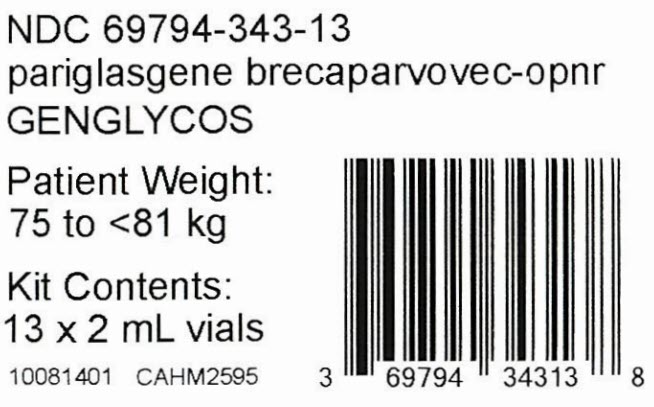
Principal Display Panel - 2 Vial Kit Label - Ndc 69794-343-13

NDC 69794-343-13

pariglasgene brecaparvovec-opnr
GENGLYCOS

Patient Weight:
75 to <81 kg

Kit Contents:
13 × 2 mL vials

10081401
CAHM2595

Principal Display Panel (2 Vial Kit Label)

Principal Display Panel (2 Vial Kit Label)

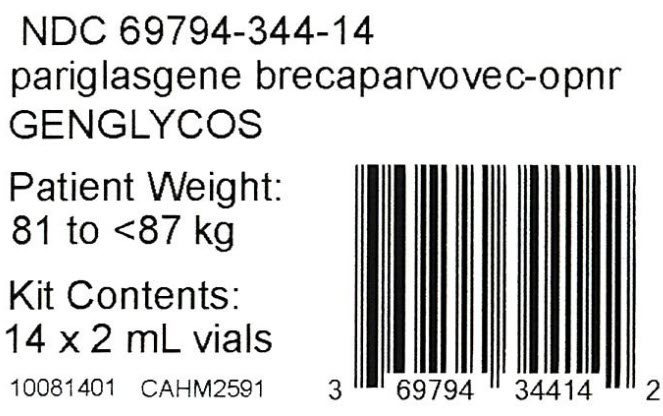
Principal Display Panel - 2 Vial Kit Label - Ndc 69794-344-14

NDC 69794-344-14

pariglasgene brecaparvovec-opnr
GENGLYCOS

Patient Weight:
81 to <87 kg

Kit Contents:
14 × 2 mL vials

10081401
CAHM2591

Principal Display Panel (2 Vial Kit Label)

Principal Display Panel (2 Vial Kit Label)

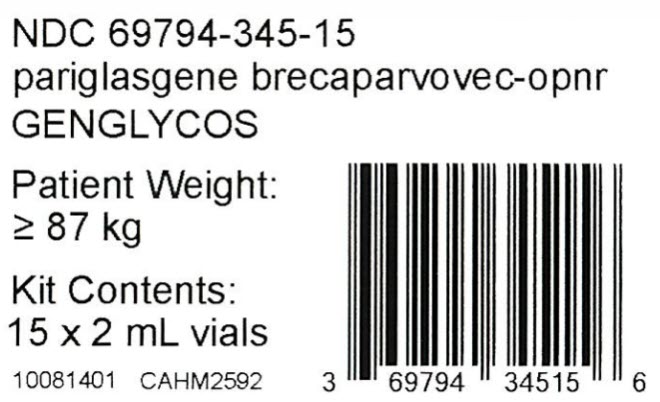
Principal Display Panel - 2 Vial Kit Label - Ndc 69794-345-15

NDC 69794-345-15

pariglasgene brecaparvovec-opnr
GENGLYCOS

Patient Weight:
≥ 87 kg

Kit Contents:
15 × 2 mL vials

10081401
CAHM2592

Principal Display Panel (2 Vial Kit Label)

Principal Display Panel (2 Vial Kit Label)

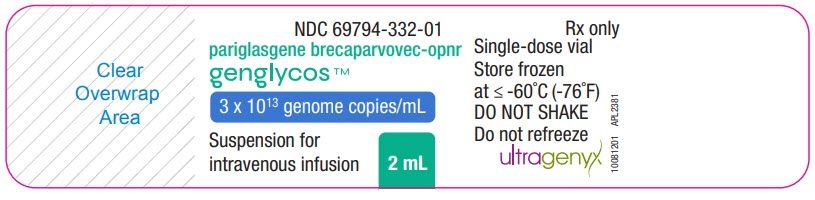
Principal Display Panel - 2 Vial Kit Label - Ndc 69794-332-01

NDC 69794-332-01

pariglasgene brecaparvovec-opnr

genglycos™

3 × 10¹³ genome copies/mL

Suspension for
intravenous infusion

2 mL

Rx only

Single-dose vial
Store frozen
at ≤ -60˚C (-76˚F)
DO NOT SHAKE
Do not refreeze

ultragenyx

10081201
APL2381

Principal Display Panel (2 Vial Kit Label)

Principal Display Panel (2 Vial Kit Label)

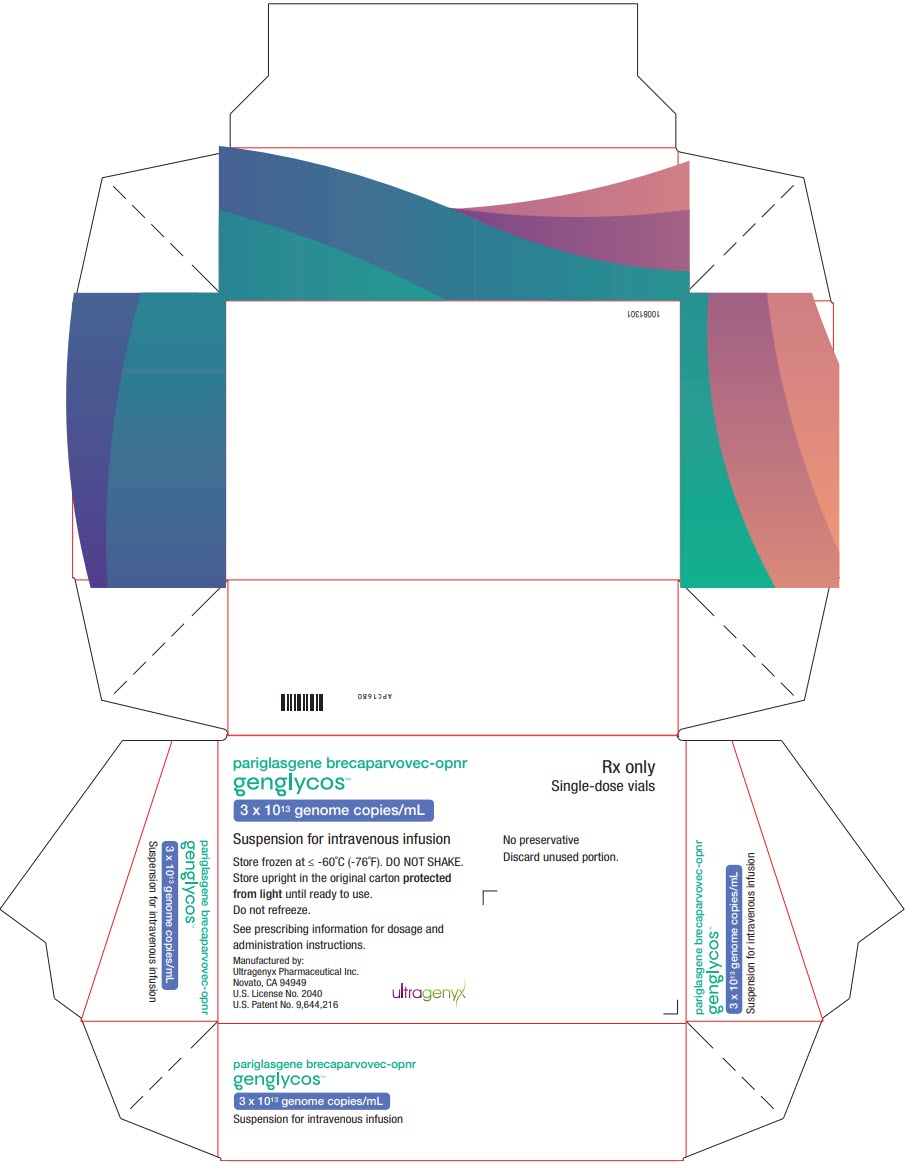
Principal Display Panel - Kit Carton

pariglasgene brecaparvovec-opnr

genglycos™

Rx only

Single-dose vials

3 × 10¹³ genome copies/mL

Suspension for intravenous infusion

Store frozen at ≤ -60˚C (-76˚F). DO NOT SHAKE.
Store upright in the original carton protected
from light until ready to use.
Do not refreeze.

No preservative
Discard unused portion.

See prescribing information for dosage and
administration instructions.

Manufactured by:
Ultragenyx Pharmaceutical Inc.
Novato, CA 94949
U.S. License No. 2040
U.S. Patent No. 9,644,216

ultragenyx

Principal Display Panel (Kit Carton)

Principal Display Panel (Kit Carton)

* Please review the disclaimer below.