Targeted Acne Spot Treatment
Product Images NDC 69842-181

View Photos of Packaging, Regulatory Labels, and Product Appearance

Product Visual Gallery

This gallery contains 2 technical images submitted to the FDA as part of the official labeling for Targeted Acne Spot Treatment (NDC 69842-181). Unlike standard consumer photos, these assets often include clinical data figures, molecular chemical structures, and official manufacturer packaging layouts.

As provided by Cvs, these visuals offer a comprehensive scientific overview of the product's physical and chemical identity, aiding pharmacists and researchers in product verification and study.

FDA Label Image

Image Description (Back)
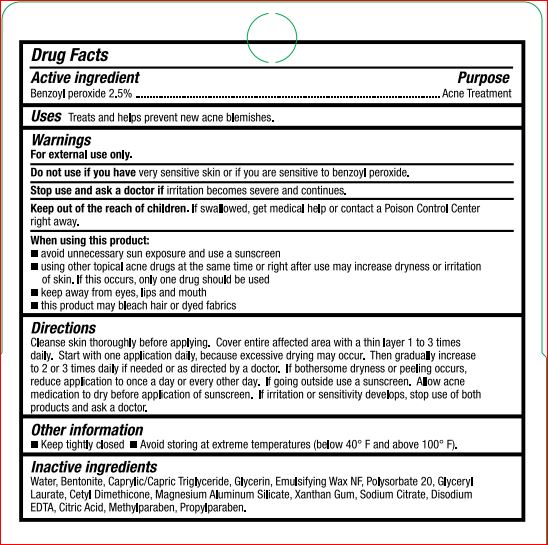
Image Description (Back)
This is a Drug Facts label for a product that contains Benzoyl Peroxide 2% as its active ingredient. The product is used to treat and prevent acne blemishes. The label warns that the product is for external use only and not to be used if you have sensitive skin or are sensitive to Benzoyl Peroxide. Avoid unnecessary sun exposure and use a sunscreen while using the product. Other topical acne drugs should not be used at the same time to avoid increased dryness or irritation. Directions for use include cleansing the skin before applying the product and gradually increasing the application to minimize potential dryness or peeling. The product should be kept out of reach of children and precautions should be taken to avoid extreme temperatures.*
FDA Label Image

Image Description (Front)

Image Description (Front)
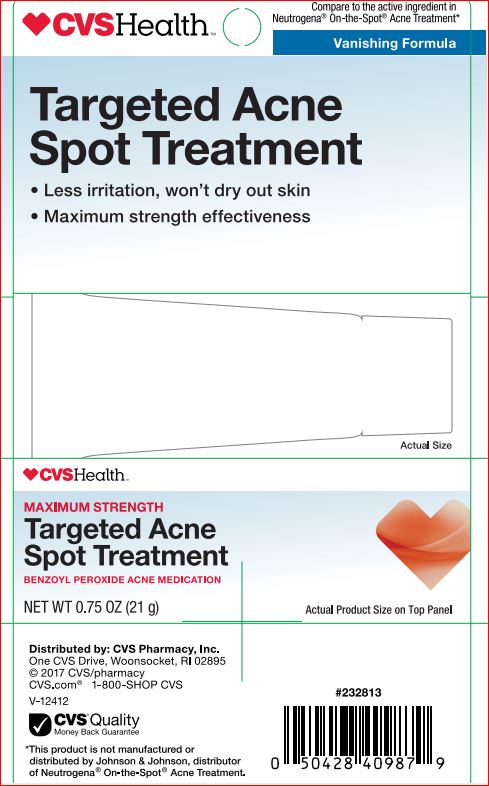
This is a targeted acne spot treatment sold by CVS Pharmacy. The product claims to be less irritating and won't dry out skin. It also promises maximum strength effectiveness. The active ingredient is being compared to a product sold by WCVS Health. The actual size of the product is 0.75 oz (21 g) and it is distributed by CVS Pharmacy. The product is not manufactured or distributed by Johnson & Johnson, the distributor of Neutrogena's One-The-Spot Acne Treatment.*

* These product label images have been analyzed using experimental machine learning. Please verify findings with the primary label text.